


Base field
Supports the composition and sets overall footprint.
A 3D raised rubber logo patch turns flat artwork into controlled elevation. Define the rubber-like compound, shore hardness target, wall thickness, logo heights and backing together for custom rubber logo patches that fit the final product.

A 3D rubber badge becomes clearer when each plane has one job.
Supports the composition and sets overall footprint.
Separates colours and keeps small counters open.
Raises the wordmark or icon above the field.
Reserved for the feature that needs the strongest depth.
Do not use “more 3D” as a production instruction. Put a number or approved range beside each layer in the technical drawing.
Attachment interface and coverage.
Minimum stable body under the logo.
Height and sidewall treatment.
Matte, satin or textured finish.
Taper, radius and stitch clearance.
A lower or higher shore value changes flexibility, but final handling also depends on total thickness, relief and footprint. Approve the complete part at intended size.
Specify a target feel or measured range in the RFQ; the factory confirms the proposed compound and test basis.
Outline, exact wording, colour zones and true-size legibility.
Numbered planes, rounded areas, recesses and textures.
Base thickness, each elevation and maximum overall height.
Backing footprint, clear edge and orientation mark.
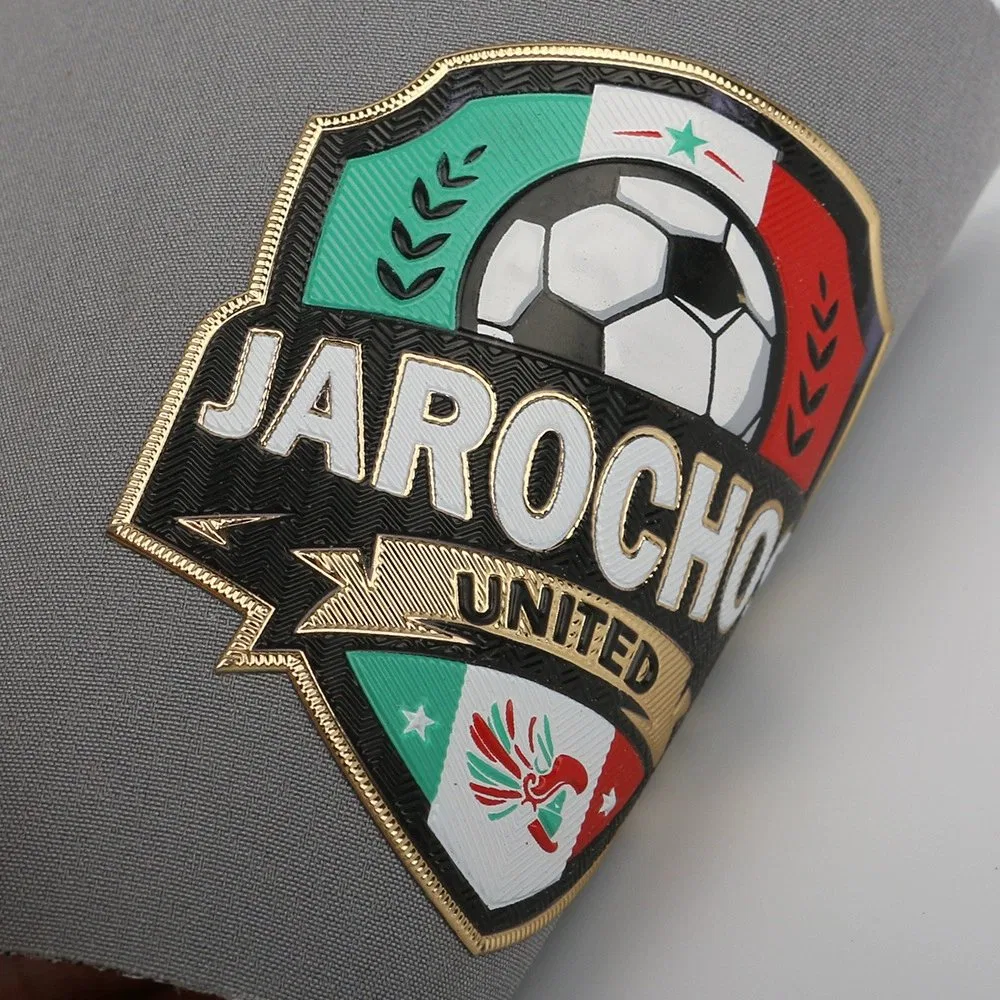

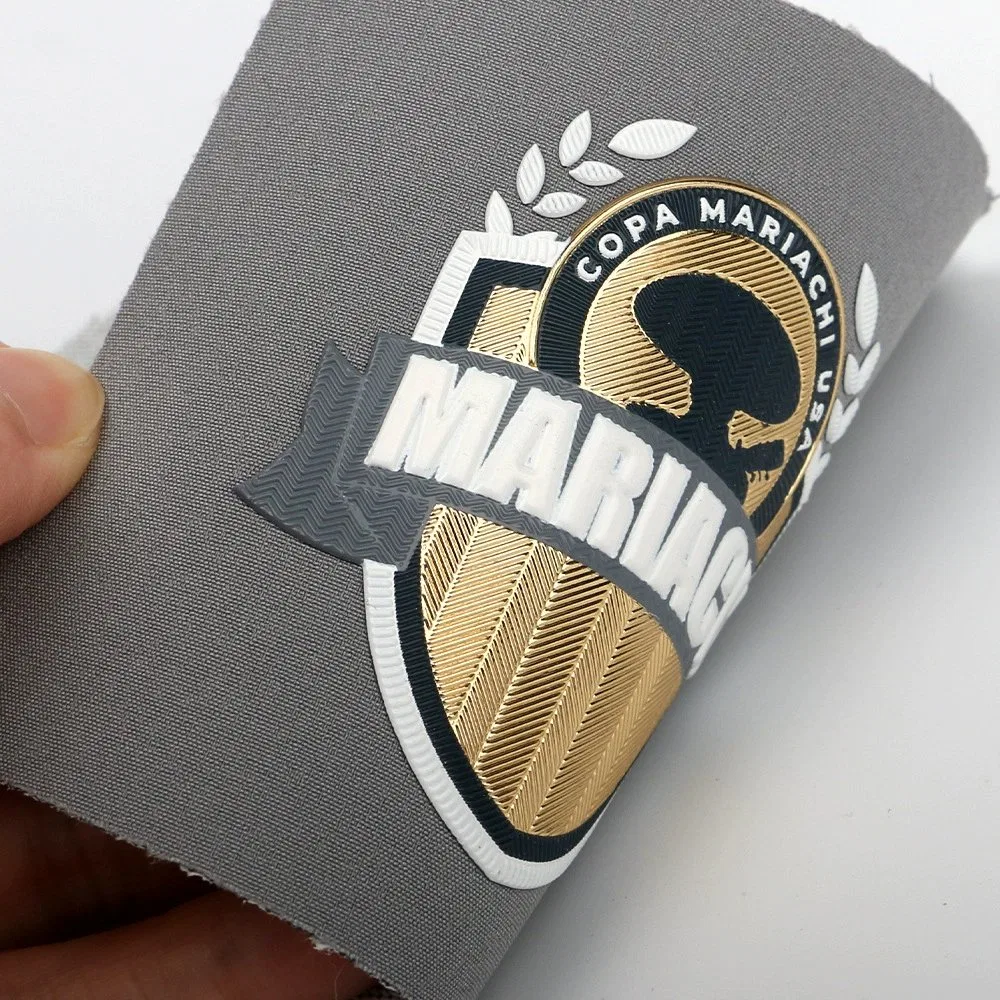
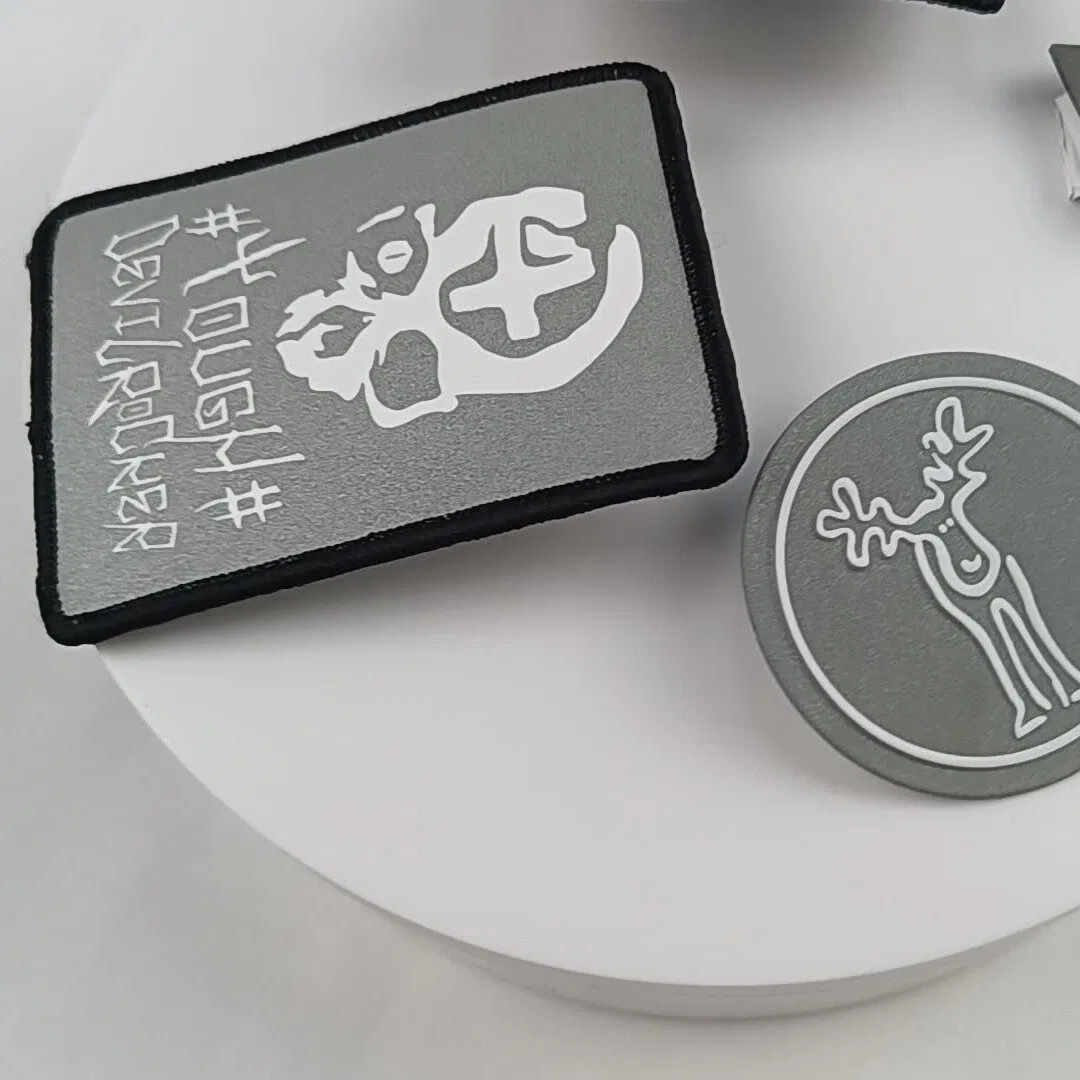
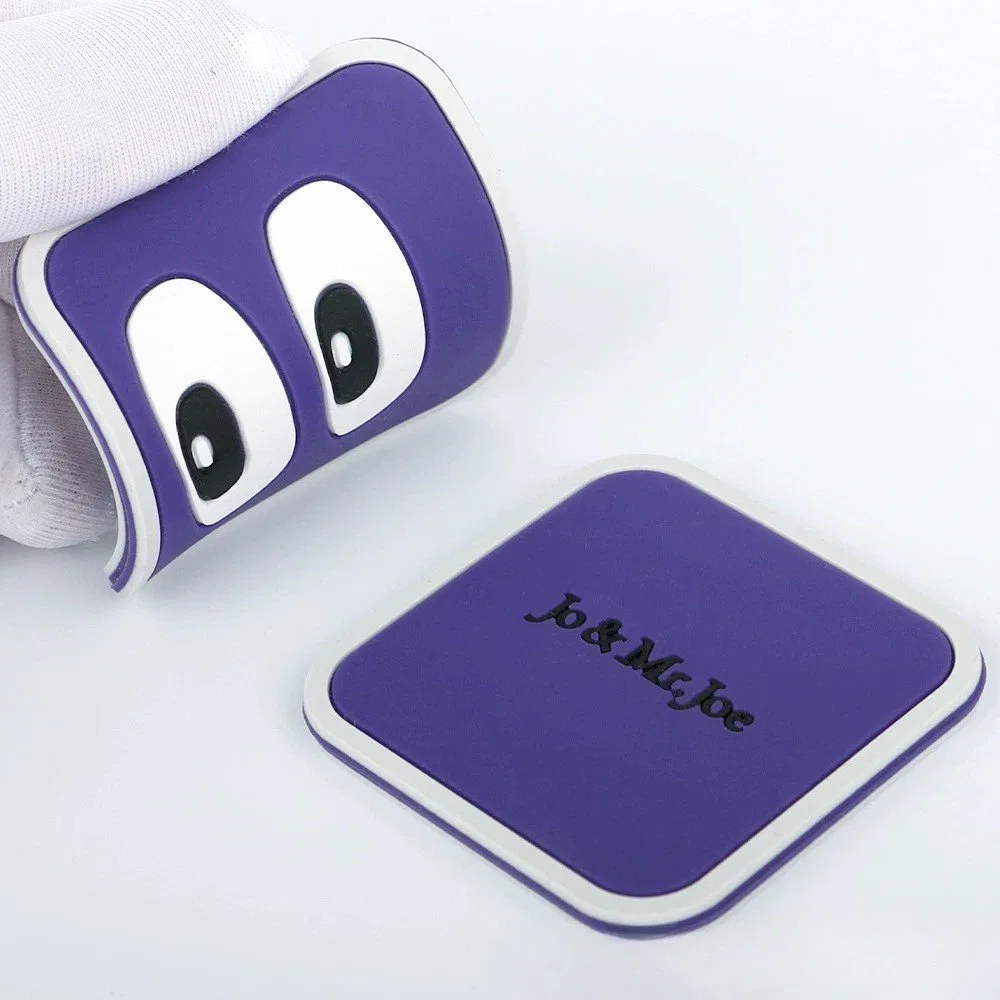
Lead time is quoted against the actual revision count, mould route, sample delivery and order plan.
Check files and size.
Approve geometry.
Prepare mould.
Measure first article.
Test receiving product.
Authorize coded bulk.
Check drape, stitch access, skin-side comfort and the full care program.
Check curvature, panel seams, press support and edge conformity.
Check abrasion, removable needs, lining access and structural panels.
Products below are supplied directly by active database records.

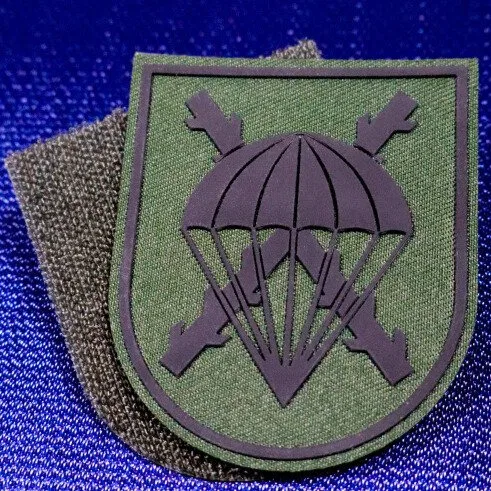
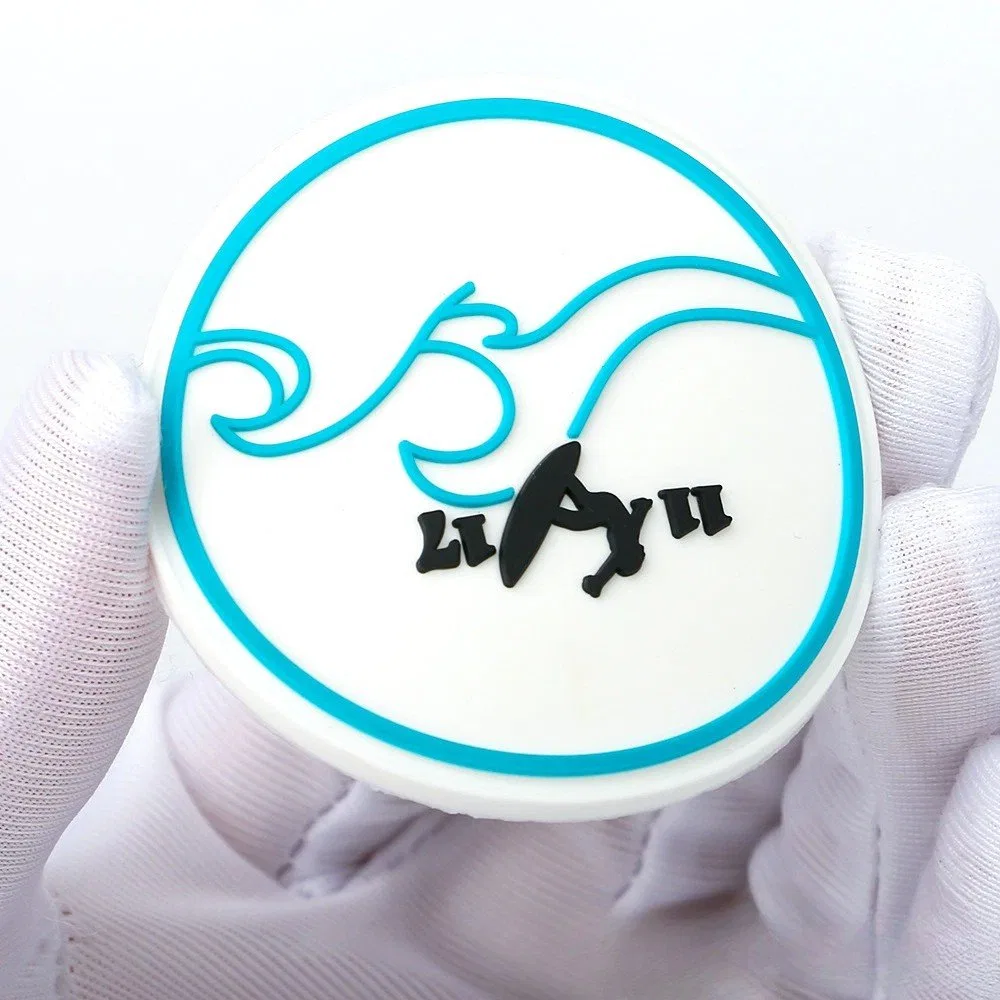
Width, height, total thickness and named elevations.
Colour, surface, text clarity and clean separation.
Flex, backing coverage, edge and application result.
SKU, artwork revision, lot, quantity and packing code.
Relief height depends on overall thickness, smallest feature, edge geometry and compound. Send a section drawing or describe the visual priority; manufacturable levels are confirmed on the production proof.
Shore hardness describes how firm or flexible a rubber-like material feels under a defined test. It affects handling and conformity, but it does not alone predict attachment or wash performance.
Small type may need wider strokes, larger counters or fewer height changes. Review a true-size artwork proof and the physical sample rather than judging an enlarged screen rendering.
The correct system depends on curvature, substrate, seam access and use. A flexible sew-on or tested heat-seal construction may work, but the exact combination needs a representative application trial.
Approve measurable size and relief, colour, surface, flex, edge, backing and applied appearance. Record the sample code and artwork revision in the bulk authorization.
Provide vector artwork, finished dimensions, relief map, material or feel target, colour count, backing, quantity by version, packing and destination.
Send the artwork, finished size, height intent, feel target, backing, quantity split and destination.