


Crystal
Stone-centre maps and sparkle.
Build names, teams and uniforms with controlled rhinestone number letter transfers. Source pearl letters, alphabet crystal patches, 26 letters rhinestone pearl iron on patches and embroidered characters as complete, reorderable systems.
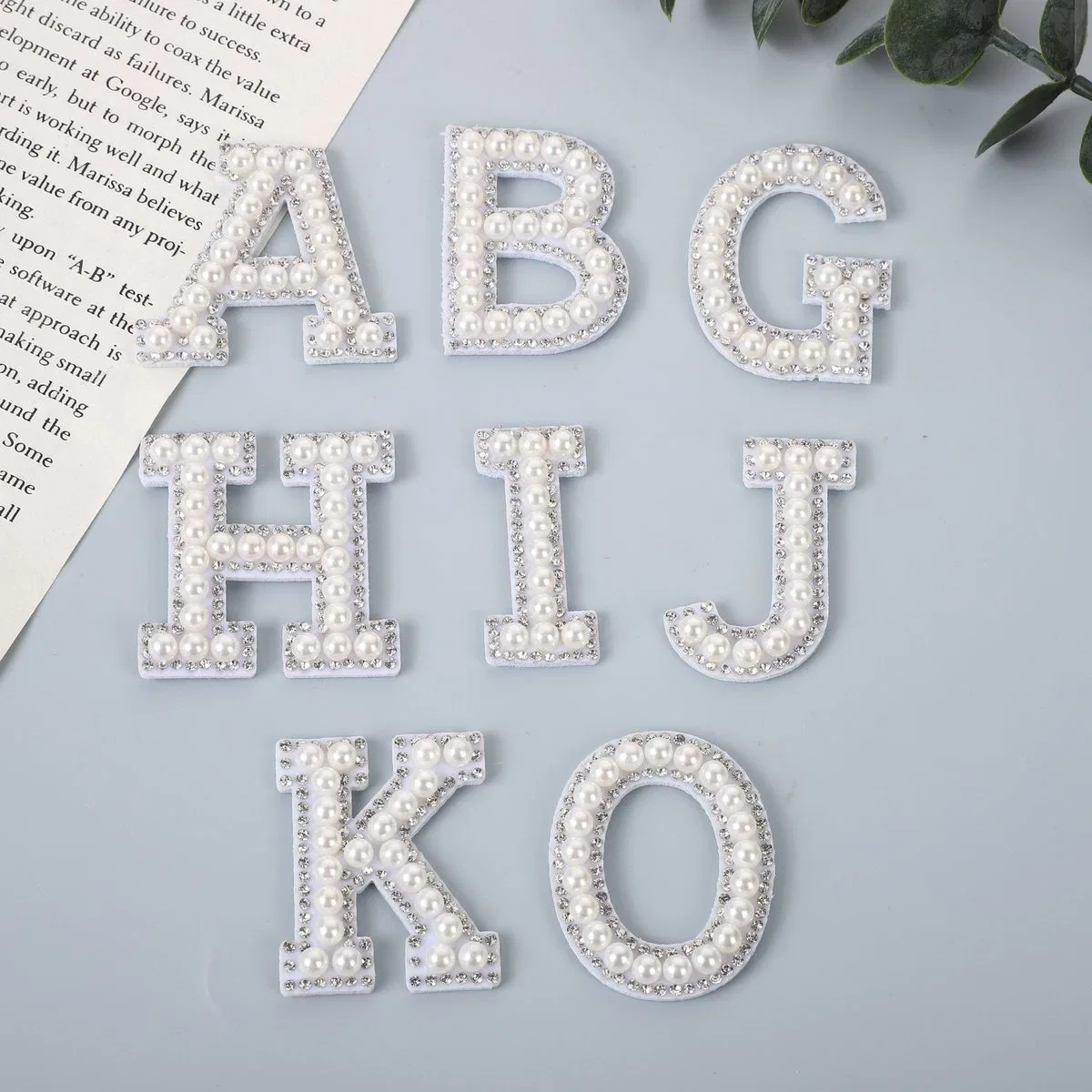


Stone-centre maps and sparkle.
Soft lustre and outlined forms.
Thread fill, border and backing.
Matched weight for names and teams.
A complete roster prevents too few repeated vowels, initials or jersey digits.
Set spare quantities by common characters, application risk and reorder lead time.
Finished letter size.
Minimum component width.
Open interior spaces.
Character rhythm.
Placement alignment.
Jersey balance.


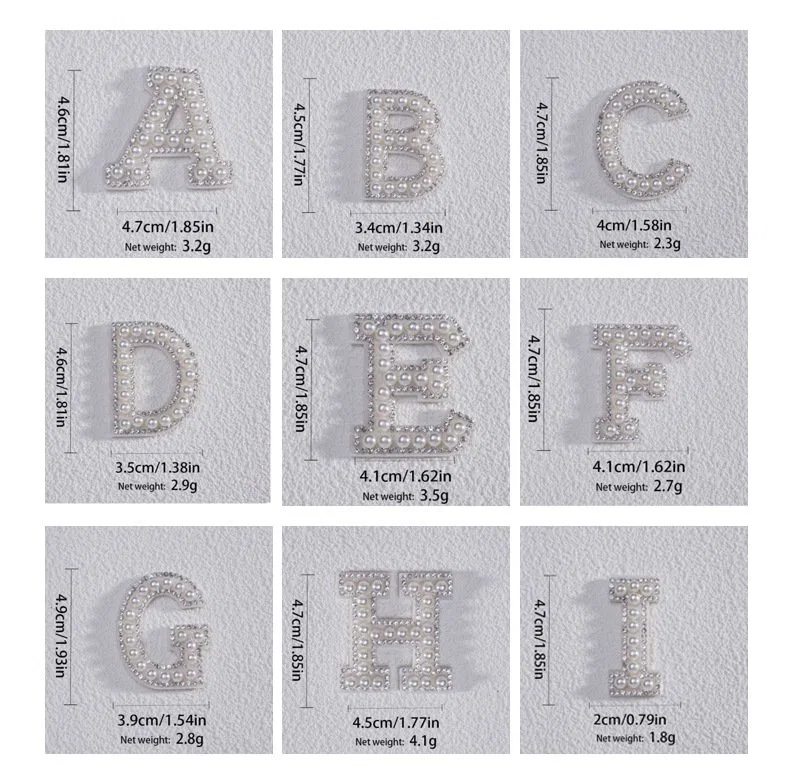
Names and team lines need consistent visual spacing.
Set exact spelling.
Confirm total width.
Mark baseline and centre.
Approve at garment scale.
Test the exact textile, then record temperature, time, pressure, release and spacing guides. Sew-on alphabet patches need an equally clear stitch and placement specification.
A–Z quantities by style.
Characters grouped and labelled.
Roster lines ready for placement.
Name, number and garment allocation.
Rhinestone and Felt Fabric · MOQ 100
View character set →Pearl and Rhinestone Felt Fabric · MOQ 100
View character set →Clear round rhinestones on a black textile base · MOQ 100
View character set →Square and round clear crystals on a black textile base · MOQ 100
View character set →Clear rhinestones with white embroidered textile edging · MOQ 100
View character set →Rhinestones · MOQ 50
View character set →Yes. Confirm the type style, height, stone or pearl specification, colours, quantities by character and whether letters are supplied individually or arranged as names.
Numbers can be developed in the same visual system as letters. Provide the required digits, sizes, jersey placements and quantity schedule.
Send the final name list. Production quantities should be counted by exact character, with a spare allowance agreed for frequently used letters.
They can follow a common silhouette, but spacing and minimum stroke width may differ by component size. Approve separate production proofs.
Depending on construction, options include heat application or sewing. Test the exact garment fabric and document placement, spacing and application settings.
Printed, embroidered, crystal and mixed-finish alphabets can be reviewed. Supply the desired pattern, edge, scale and garment colour for sampling.
Include finishes, heights, colours, quantities, application and packing preference.