


Content
Exact wording, symbols and legal marks.
Artwork and digitising service turns a brand logo into instructions a specific production process can use. Vector cleanup, stitch planning, relief maps and stone placement each solve different problems, so the source file must be translated for the chosen construction and finished size.
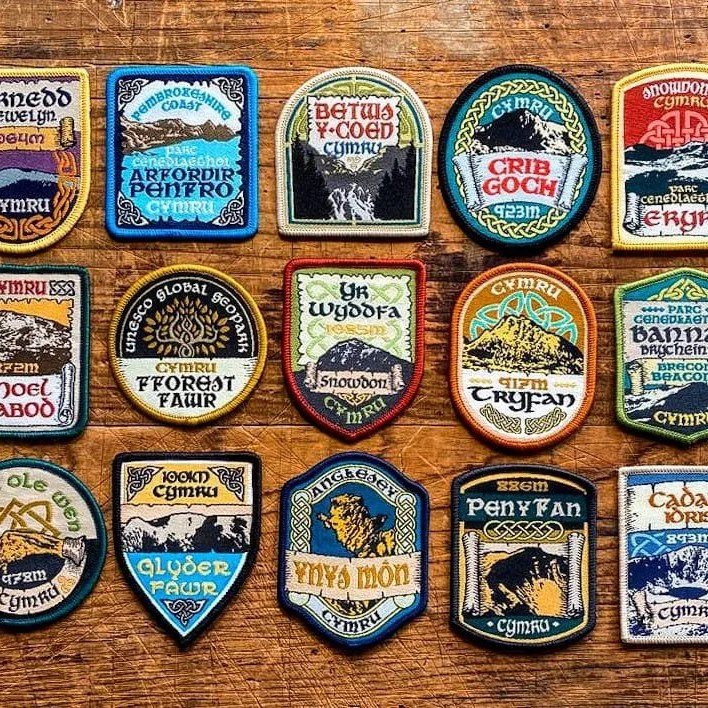
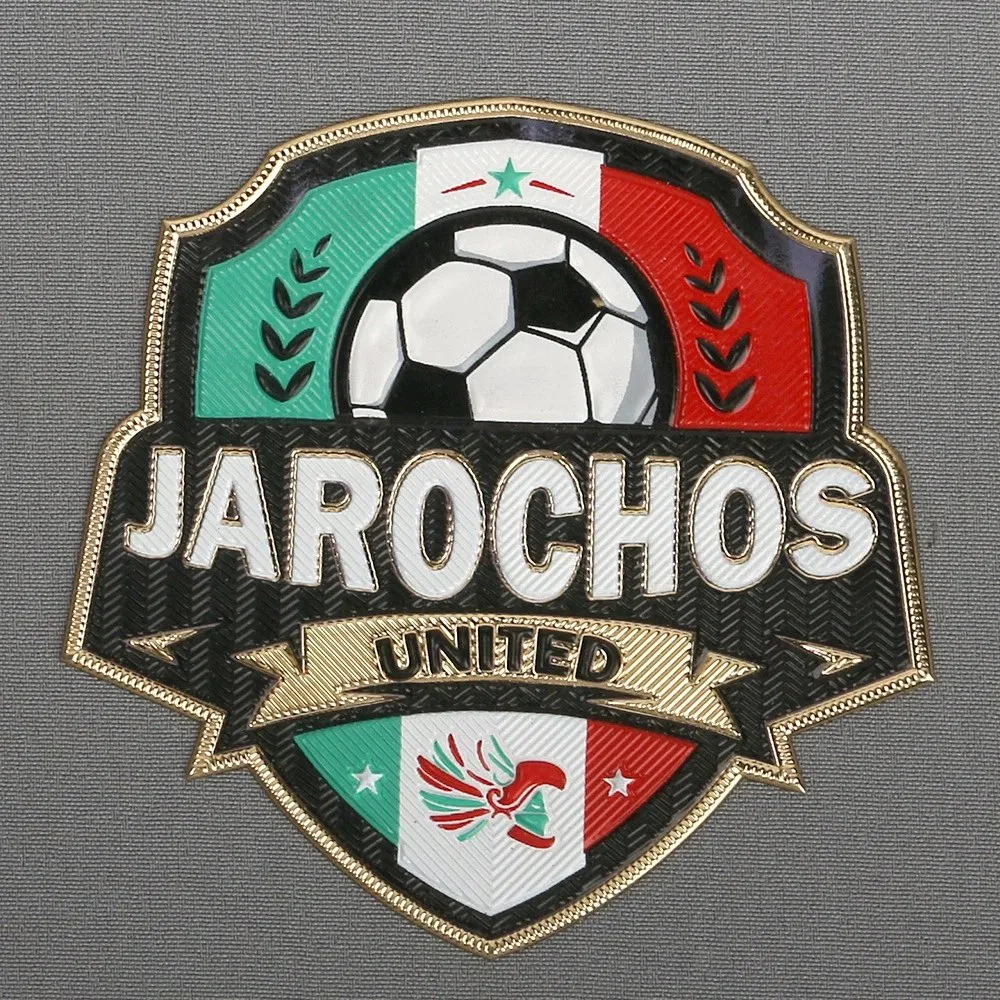
Exact wording, symbols and legal marks.
Finished dimensions and proportions.
Named references and material intent.
Stitch, relief, print or stone route.
Garment location and orientation.
A weak source file can start a discussion, but unclear letterforms, hidden edges and approximate colours must return to the buyer for a decision.
Rebuild clean curves only after the logo proportions are confirmed.
Supply outlined text or identify the exact typeface and spelling.
Separate background, border and negative space deliberately.
Replace screen appearance with named approval references.
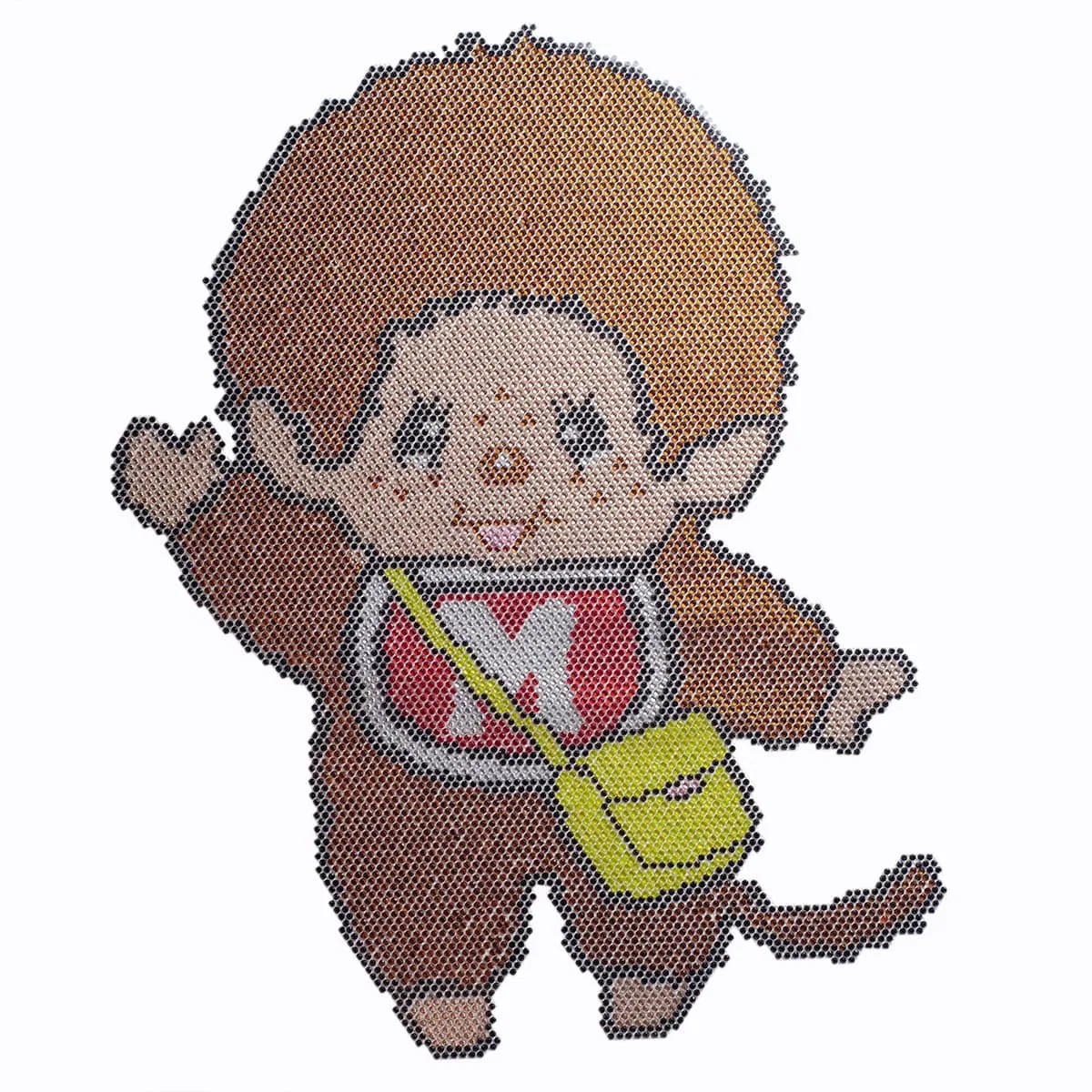
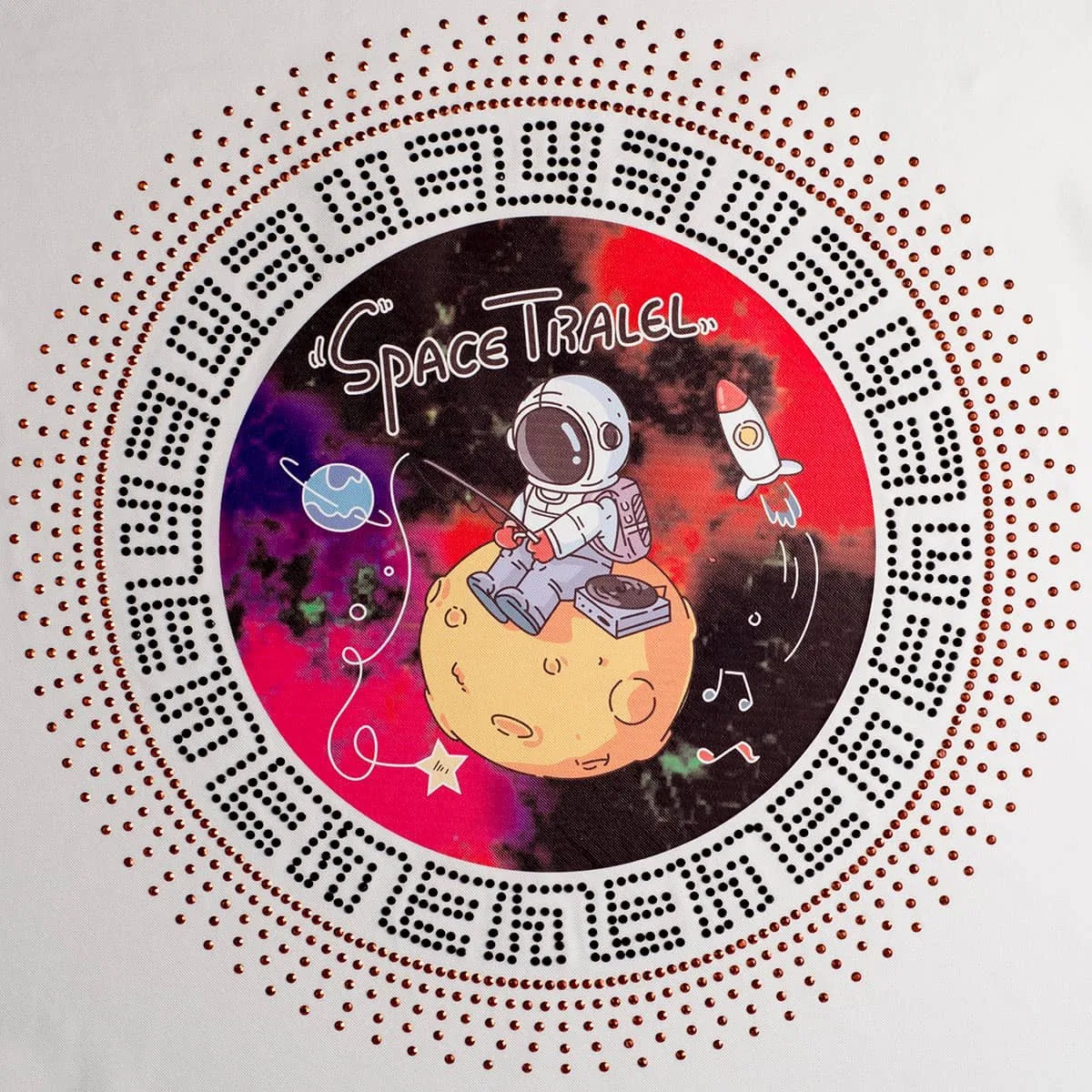
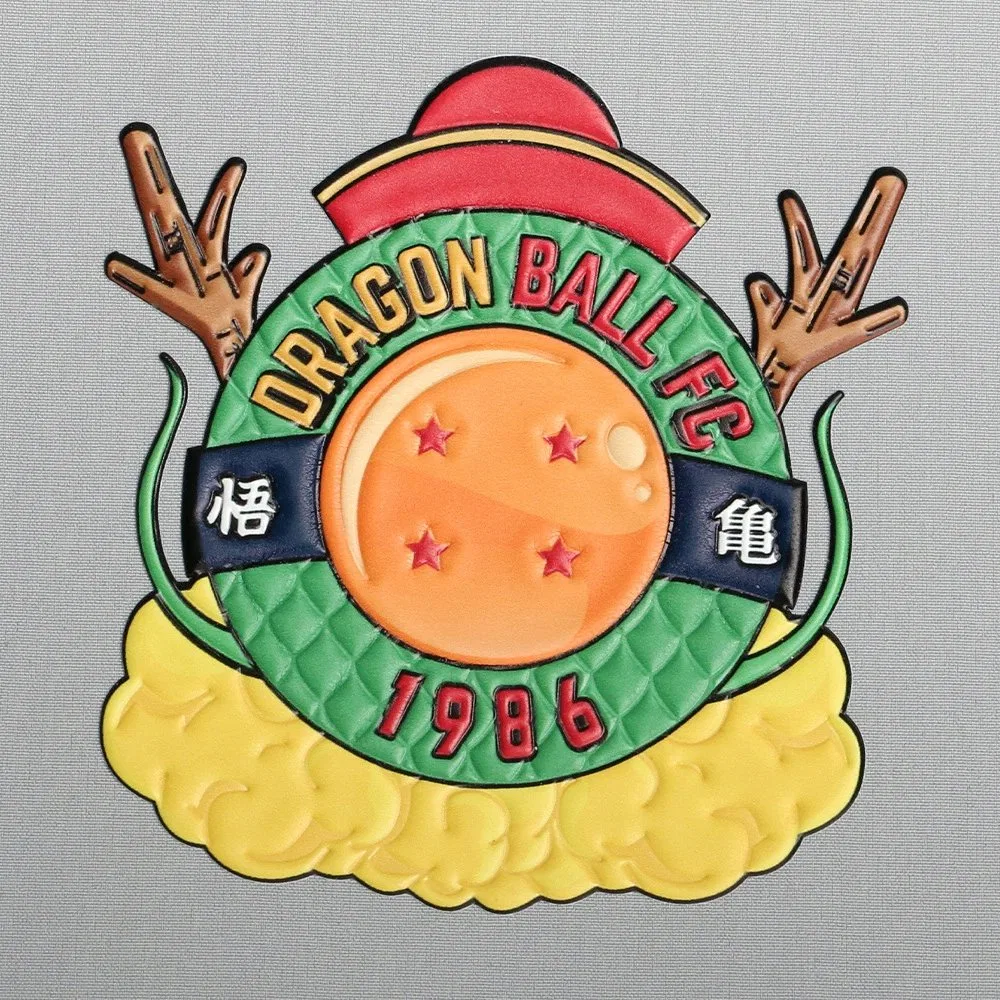
Editable paths preserve curves, scale and separations for moulded, printed and cut constructions.
A high-resolution image can show texture or a visual target, but it may still require redrawing and buyer confirmation.
Stitch direction, density, underlay, sequence and border.
Raised and recessed zones, depth and minimum clearances.
Stone size, centre points, spacing and carrier direction.
Resolution, colour build, cut edge and white layer.
Confirm the correct file and date.
Review at true finished dimensions.
Check relief, stitches, print or stone mapping.
Mark garment top and transfer face.
Match names to areas and material.
Resolve every callout before approval.
Describe the exact change.
Issue a new numbered proof.
Mark the old version obsolete.
Approve the new record in writing.
High-quality Embroidery Thread · MOQ 100
Open construction →TPU · MOQ 100
Open construction →Rhinestone DMC · MOQ 50
Open construction →Rhinestone DMC · MOQ 50
Open construction →Silicone · MOQ 100
Open construction →Embroidery Thread + Full Polyester Hook & Loop (Velcro) · MOQ 100
Open construction →Editable vector files are preferred for shape-based work. A high-resolution raster image may be usable when edges, text and colours can be interpreted clearly at finished size.
Artwork review and setup scope depend on the product and requested changes. The quotation should state which preparation is included and whether complex redrawing, digitising or multiple revisions carry a charge.
Digitising converts visual artwork into stitch instructions, including stitch type, direction, density, sequence and underlay. It is a production file, not simply a traced logo.
Sometimes, if the intended shapes and wording are unambiguous. Missing detail, uncertain fonts or hidden edges require buyer confirmation rather than guesswork.
Finished size, material, stitch or stone dimensions, relief and manufacturing clearances set practical limits. Simplification protects recognition and producibility.
Check wording, proportions, dimensions, colours, relief or stitch logic, border, placement, orientation and the exact revision number.
Include the intended size, material, garment placement and quantity so artwork can be reviewed for the right process.