


Who?
Named holder, applicant, supplier and laboratory.
When qualifying an OEKO-TEX certified supplier or reviewing REACH and CPSIA claims, verify the actual company, product, material and validity shown by the document. A logo, badge or general statement does not establish coverage for every label, patch or transfer.
Named holder, applicant, supplier and laboratory.
Covered material, article, component or product family.
Standard, regulation, method and version.
Issue date, test date and stated validity.
Limits, findings, exclusions and annexes.
One finished accessory can combine base material, colourant, adhesive, coating, stones, thread or hardware. Identify which document supports each part.
Film, compound, textile or backing fabric.
Ink, thread, stone, sequin or metallic finish.
Heat-seal layer, glue, hook-and-loop or hardware.
The complete construction and intended use.
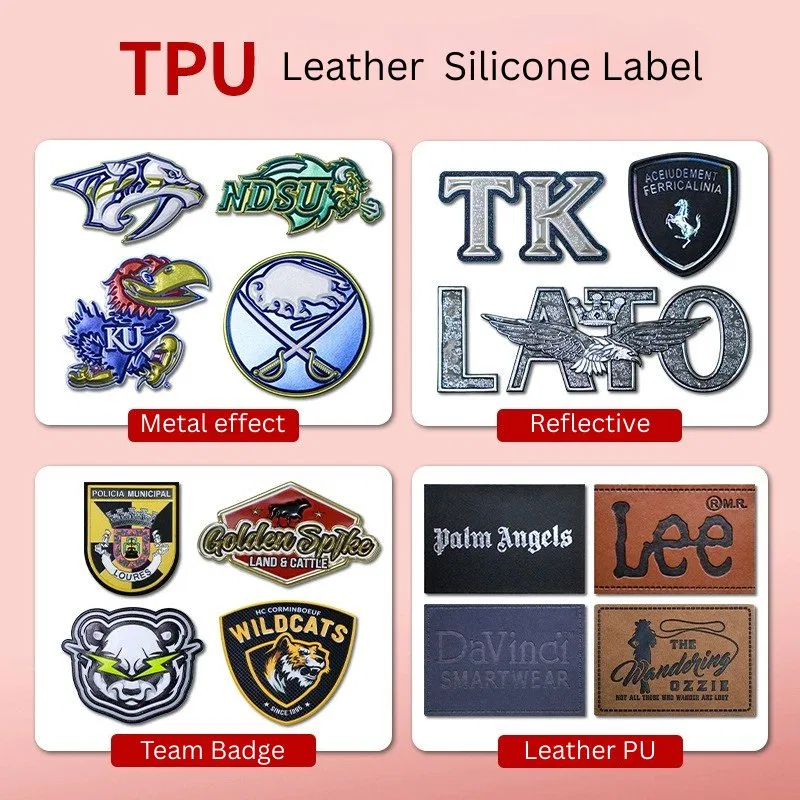
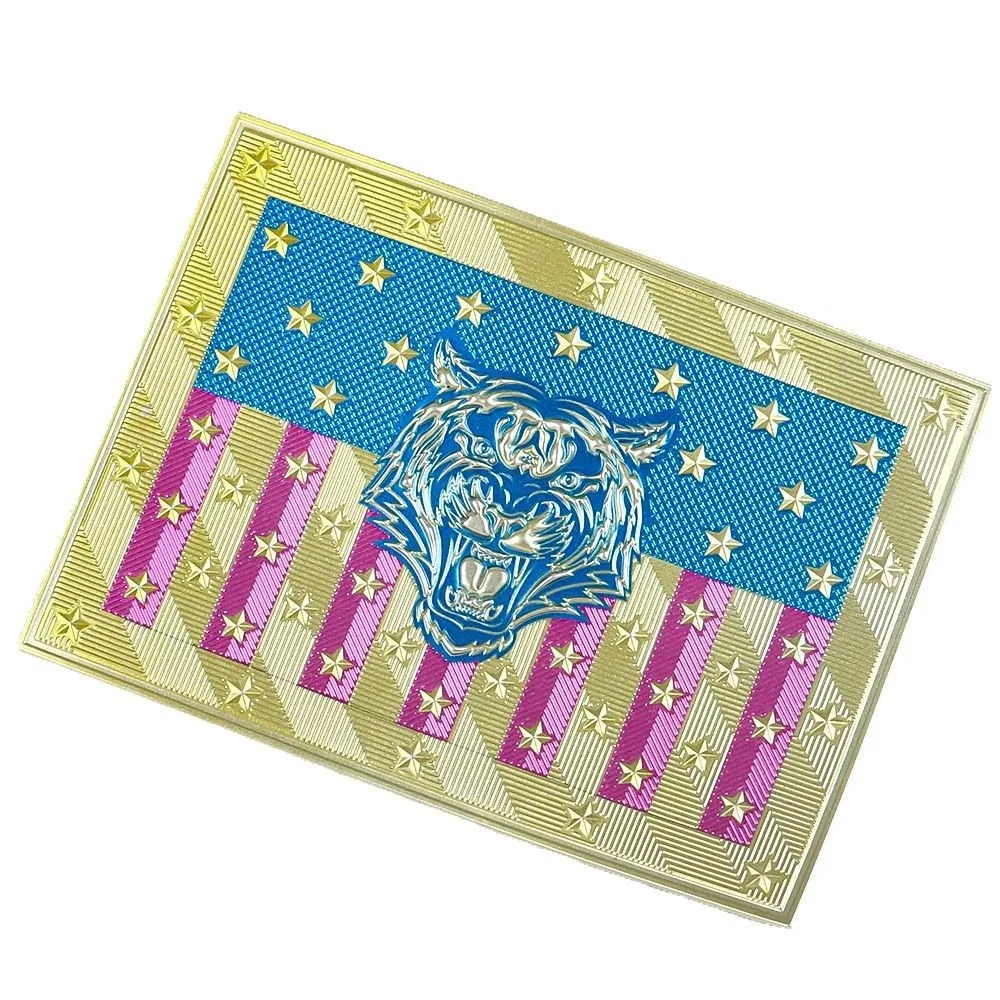

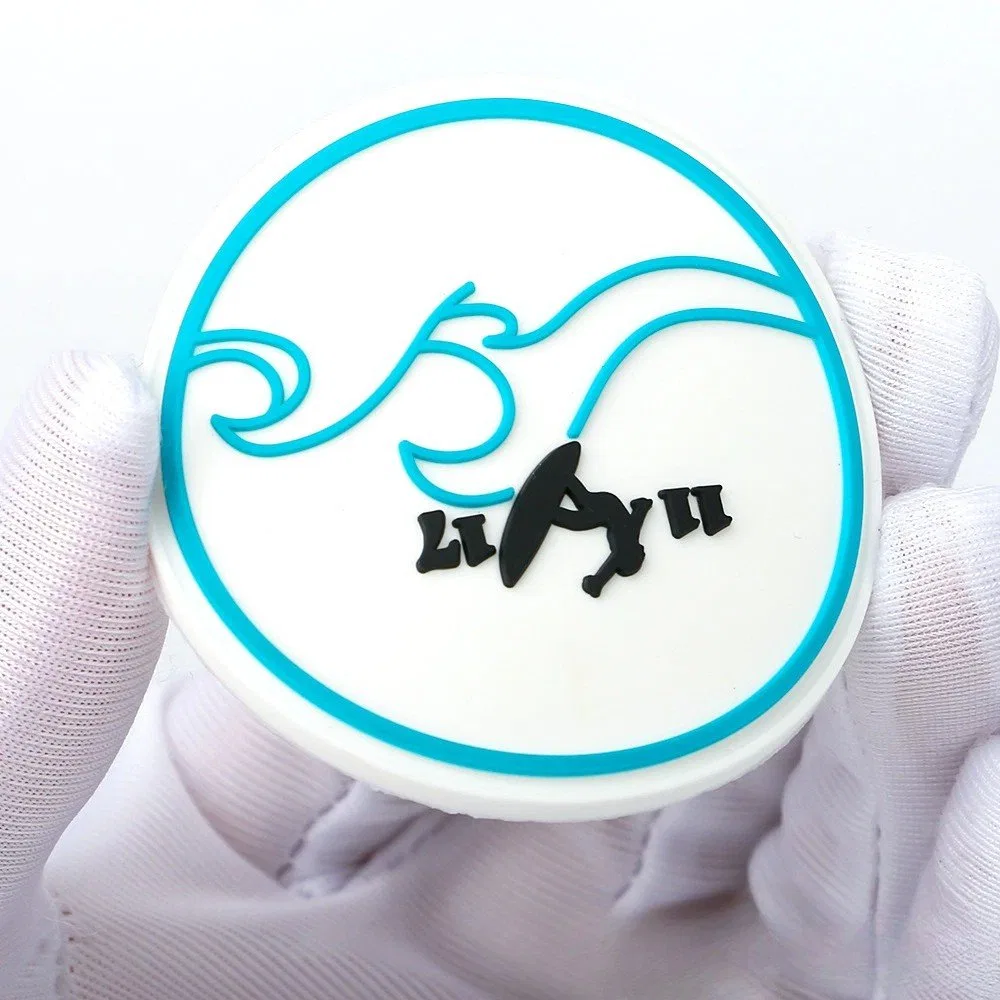
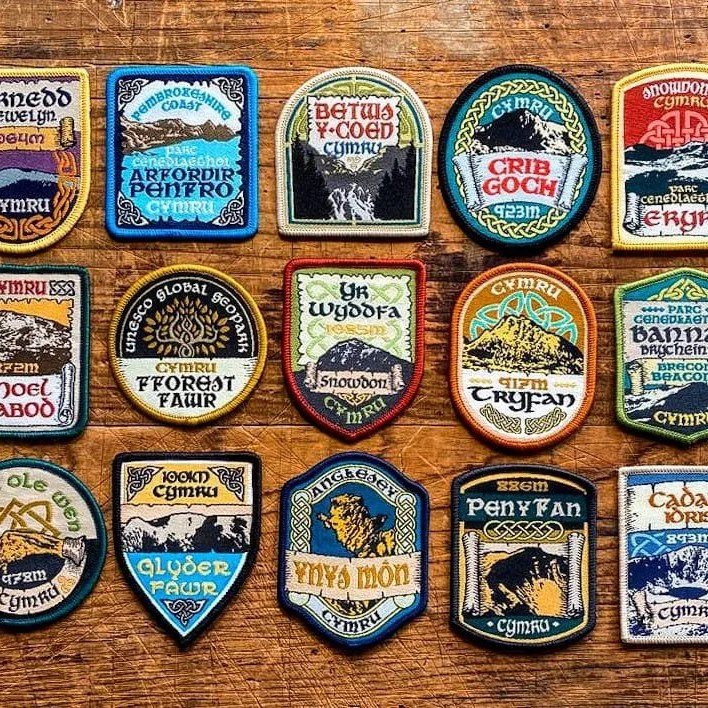

Review the exact certification scheme, holder, article scope, product class, certificate number and validity with the issuer.
Evaluate substance restrictions and supply-chain duties for the article, materials, role and European market placement.
Determine applicable US consumer-product and children’s-product requirements from intended use, age grading and responsible party.
Use the matrix as a procurement record, then retain the actual documents outside the webpage.
| Component | Supplier reference | Evidence requested |
|---|---|---|
| Base material | Exact grade or formulation | Declaration or relevant test |
| Colour / coating | Named colour system | Coverage confirmation |
| Adhesive / backing | Attachment construction | Material-specific evidence |
| Finished item | Approved product revision | Required market file |
Confirm certificate numbers through the issuing body where a verification service exists. Match the displayed holder and scope to the supply chain.
A different compound, film, thread or stone can change scope.
Colourants and coatings may need separate confirmation.
Attachment chemistry becomes another component.
Destination and intended user can change requirements.
TPU and Silicone Leather
TPU and Fabric
Silicone
silicone and rubber
High-quality Embroidery Thread
TPU and PVC
Check the certificate number with the named issuer and confirm the company, product class, covered articles, annexes and validity. A supplier name alone does not prove that every product is covered.
REACH obligations depend on substances, articles, supply-chain roles and market placement. Ask for product-specific declarations and test evidence relevant to the material and restricted-substance scope.
Requirements depend on the product’s intended market and use, including whether it is part of a children’s product. The responsible importer or manufacturer should define the applicable rules and evidence.
It may support part of the file but may not cover inks, adhesives, coatings, hardware or the finished construction. Map every component to evidence.
Review the report date, material lot or formulation, referenced standard, laboratory and customer policy. Validity is a buyer and regulatory decision, not a universal period.
Request the documents needed for the selected product and destination. Availability and scope should be confirmed in writing before relying on them.
Send the product link, material, intended use, destination and documents your compliance team requires.