


Ground fabric
Twill or selected base supports the embroidery and can remain intentionally visible.
Custom embroidered patches translate brand art into thread direction, stitch density, border and backing. Build custom cloth patches for apparel, bags, uniforms and tactical programs with a digitised file and physical sample that bulk production can repeat.
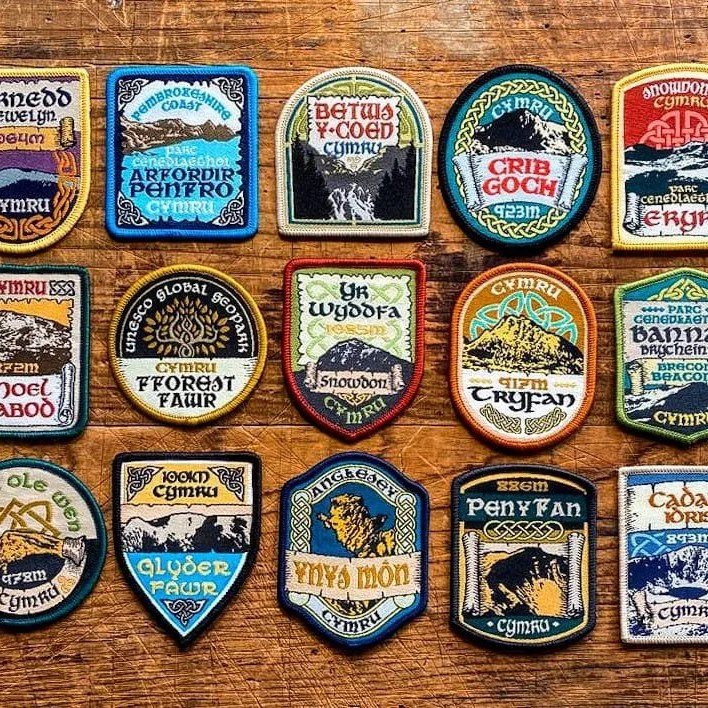
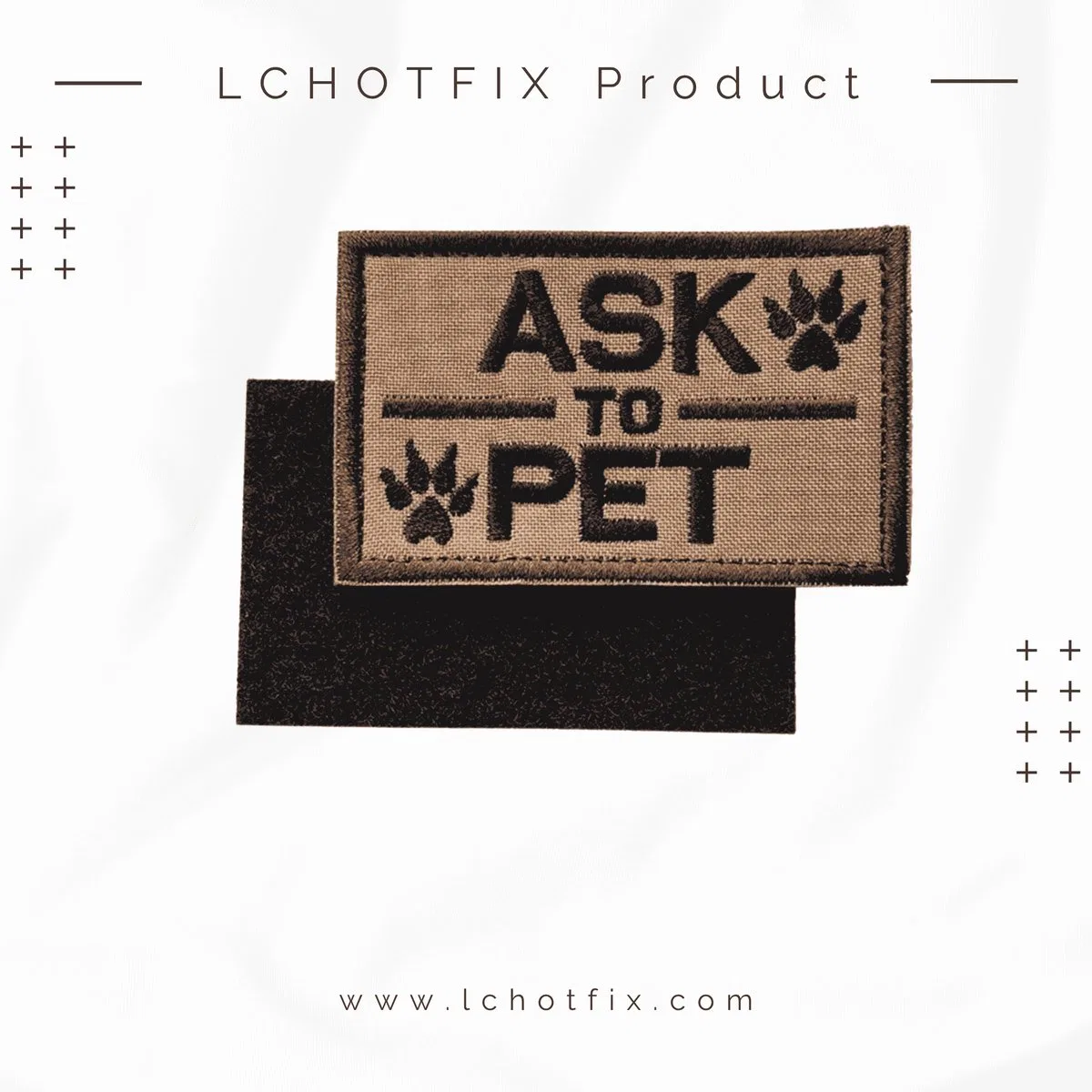
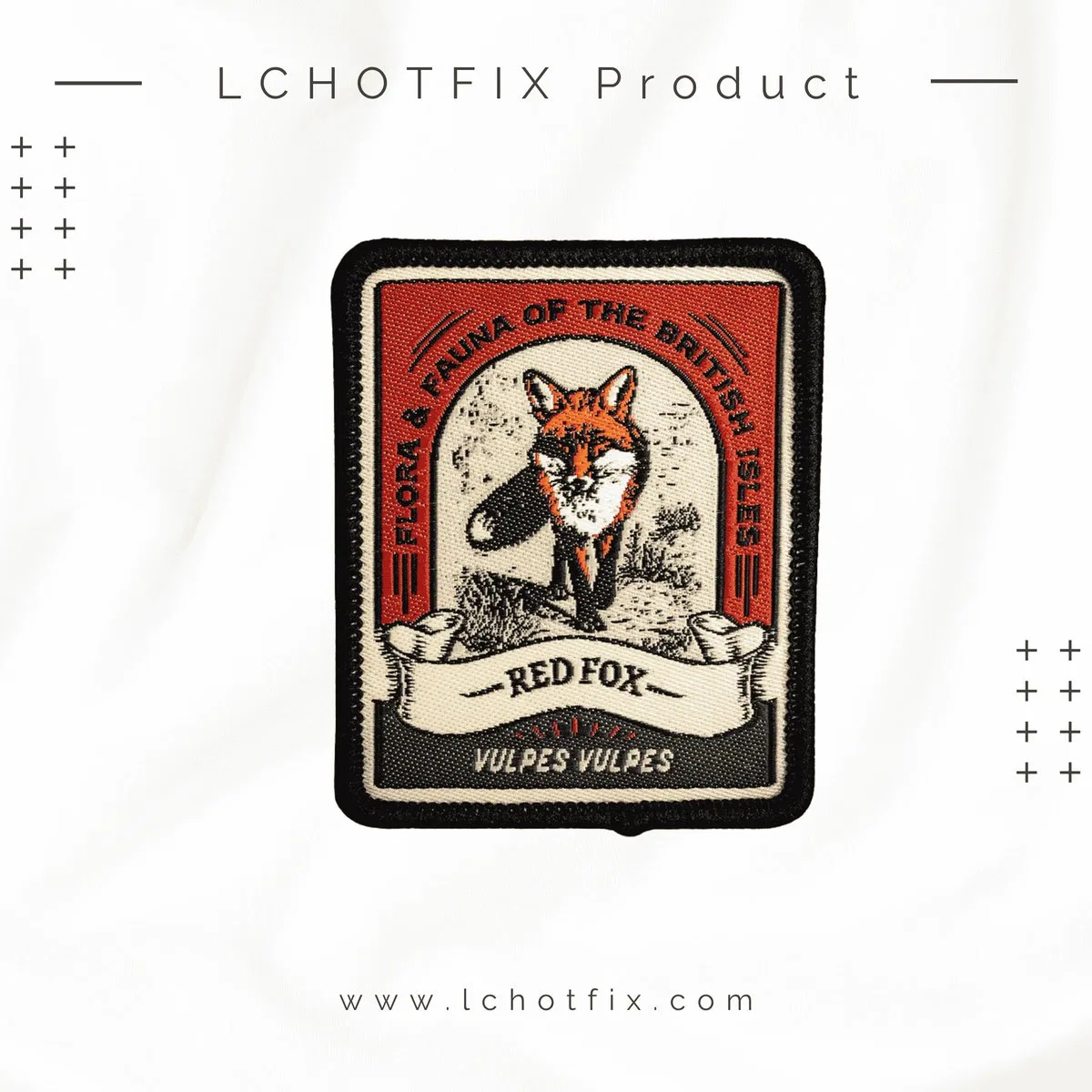
Digitising assigns stitch type, direction, sequence and underlay to each region. These decisions shape sheen, edge definition, fabric stability and small-detail readability.
Twill or selected base supports the embroidery and can remain intentionally visible.
Stabilises the surface and supports clean top stitches.
Satin, fill and running stitches reproduce the approved artwork.
Backing, edge finish and attachment complete the patch construction.
Embroidery coverage is an artwork and performance decision. Dense fills add colour and weight; exposed twill can create breathing room, faster stitching and a crisp field.
Running or satin detail with substantial base showing.
Balanced thread and exposed ground for economical bulk patches.
Strong colour surface with careful distortion control.
Maximum stitched face only where size and design justify it.
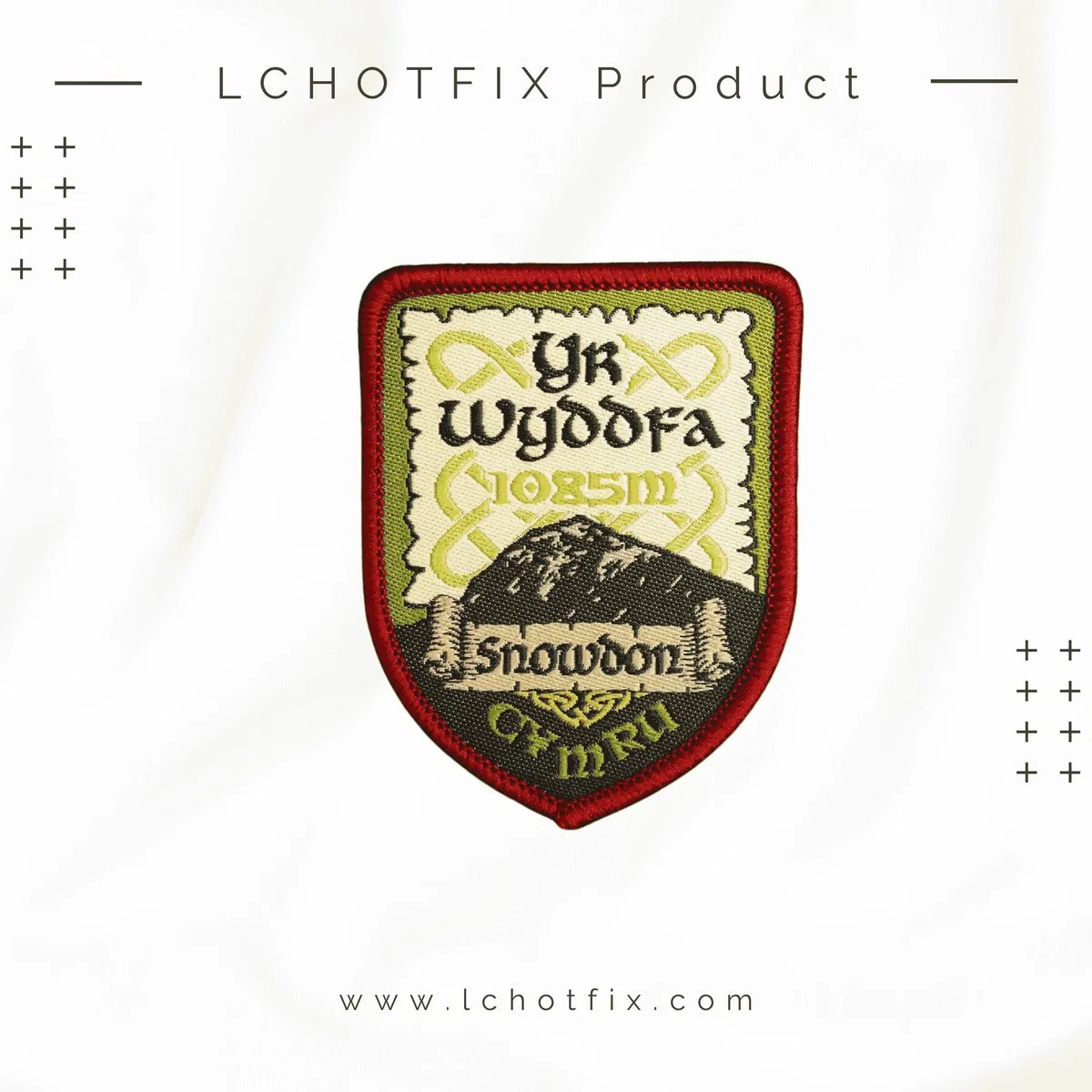
A rounded overlocked border for circles, rectangles and other regular shapes.
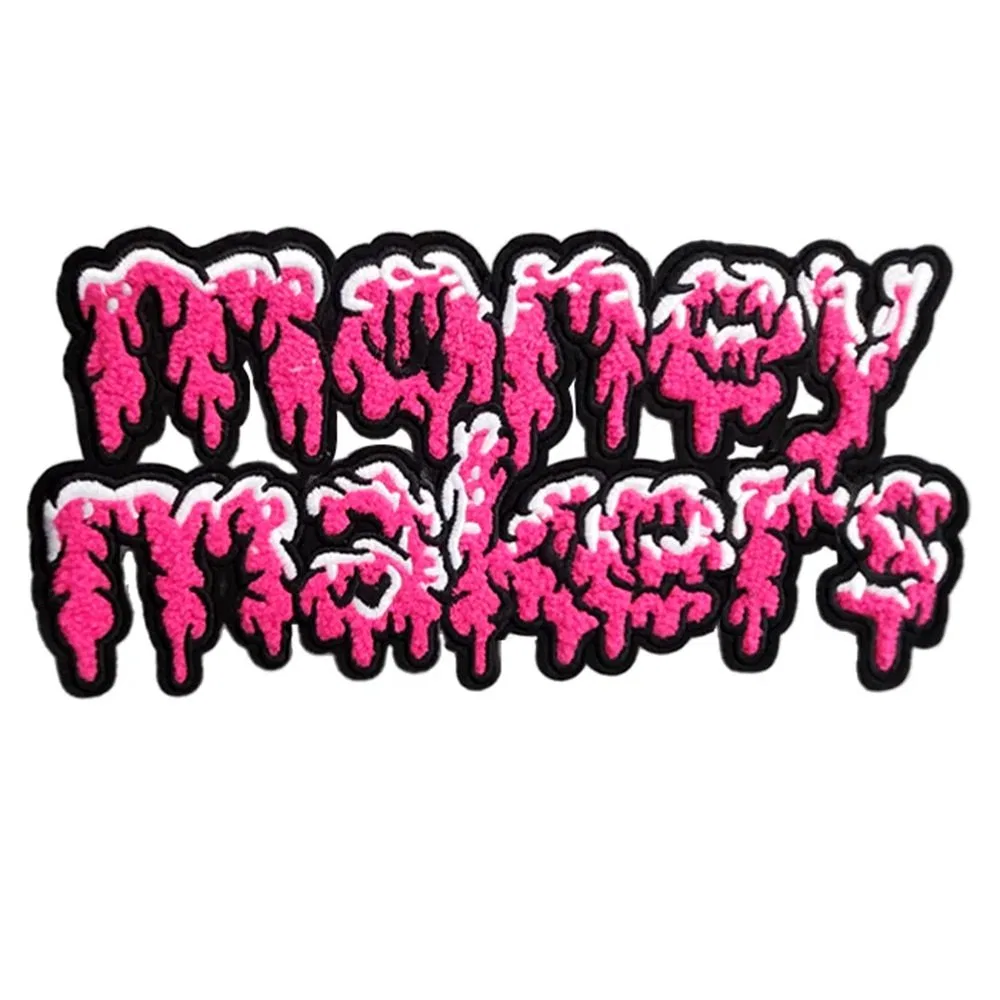
A close silhouette for complex contours and internal corners.
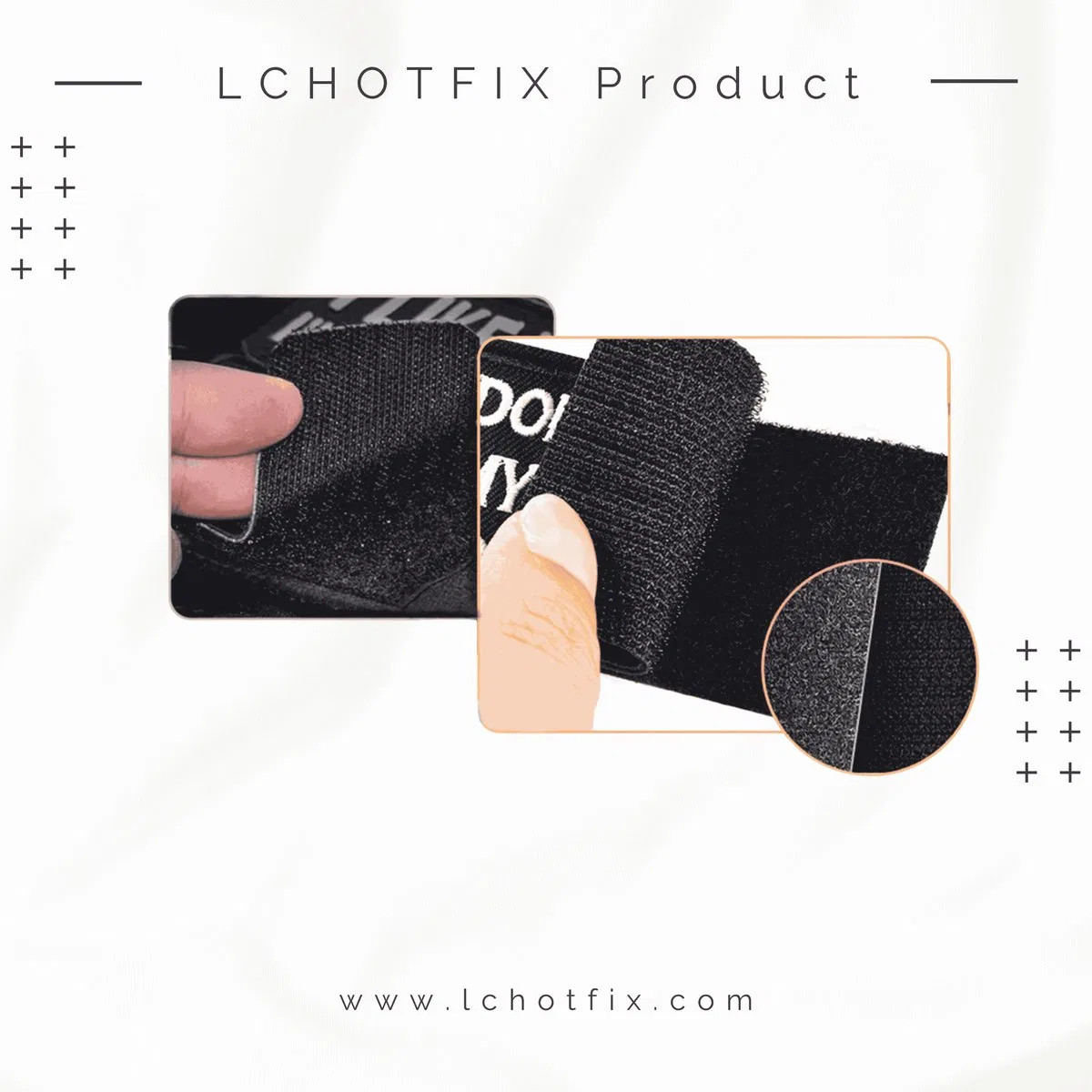
A stable perimeter where the garment factory needs visible stitch access.
Durable mechanical attachment with visible or hidden stitching.
Production application after garment-specific trials.
Removable tactical and uniform identity systems.
Positioning or selected short-term applications; define service expectation.
Flexible patch for later conversion or custom assembly.
Embroidery digitising is a technical interpretation. The approved stitch file belongs with the size and material combination it was developed for.
Remove details that cannot hold at finished size.
Plan colour order, travel and registration.
Assign underlay and compensation for the base fabric.
Run the actual size, inspect, revise and lock the file code.
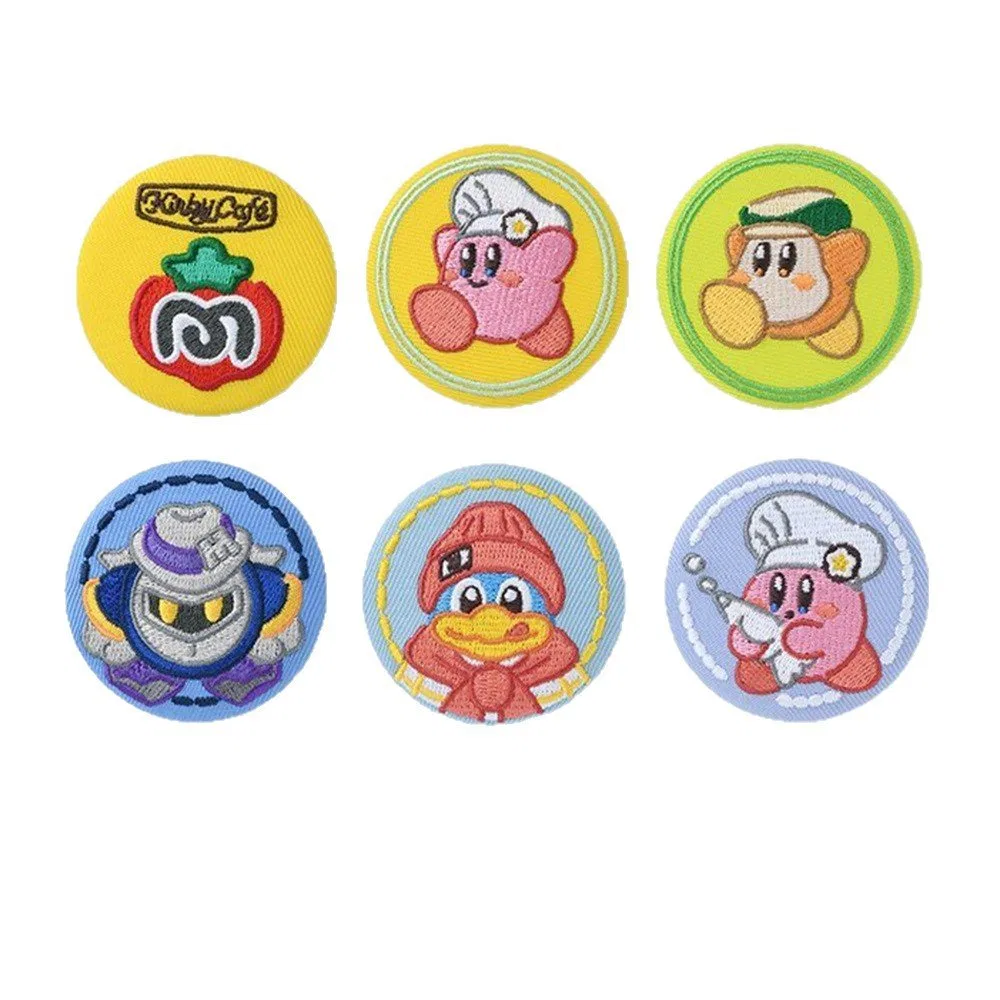
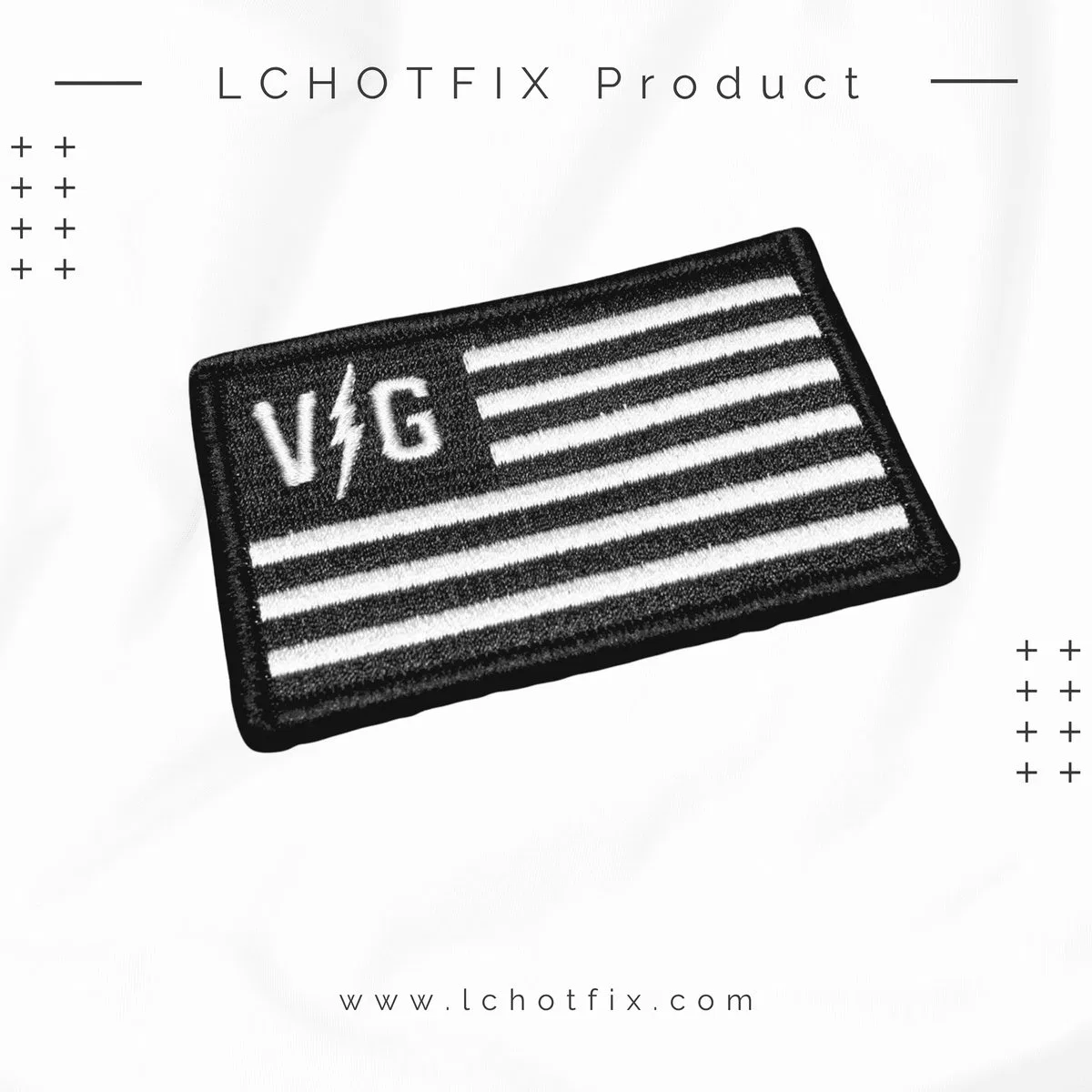
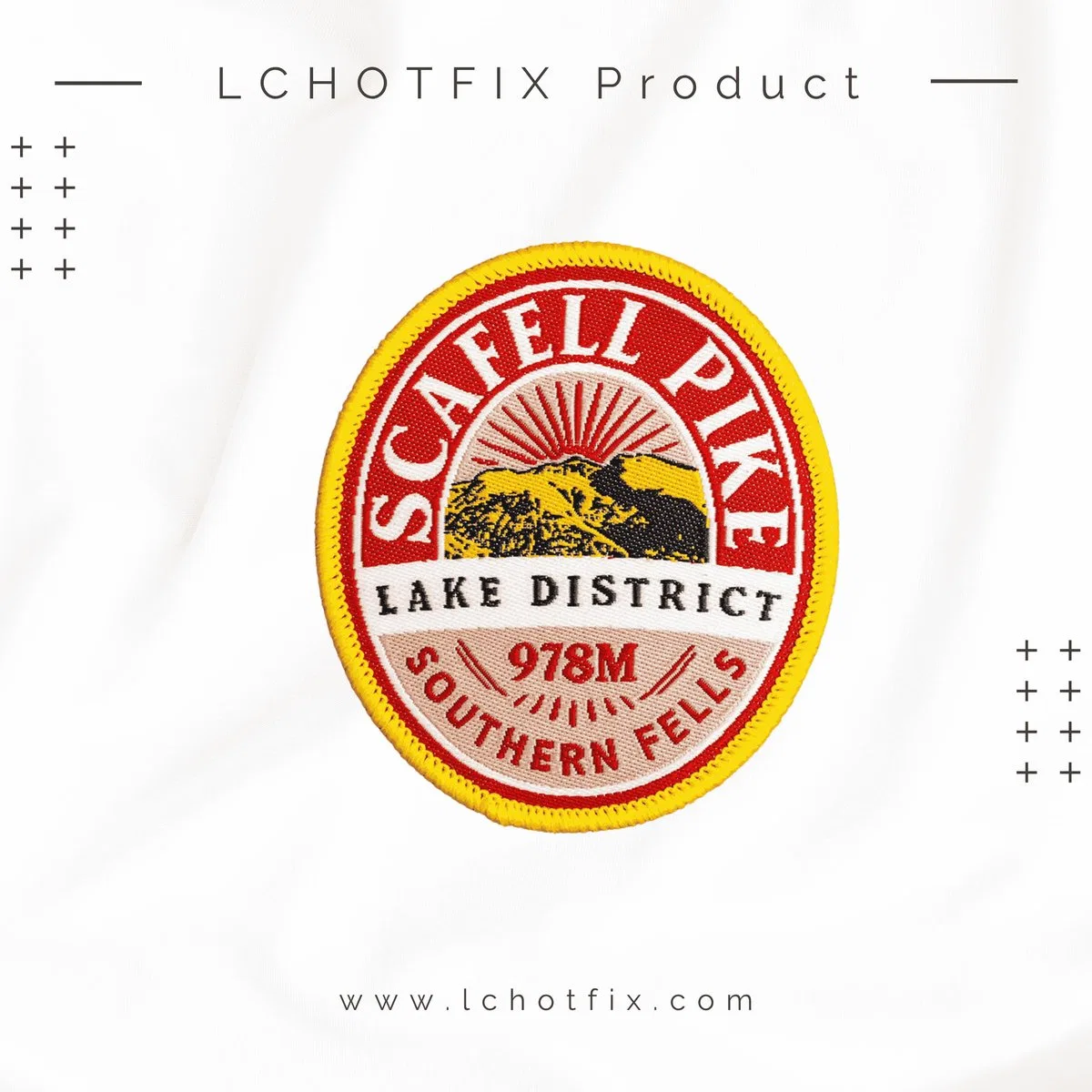
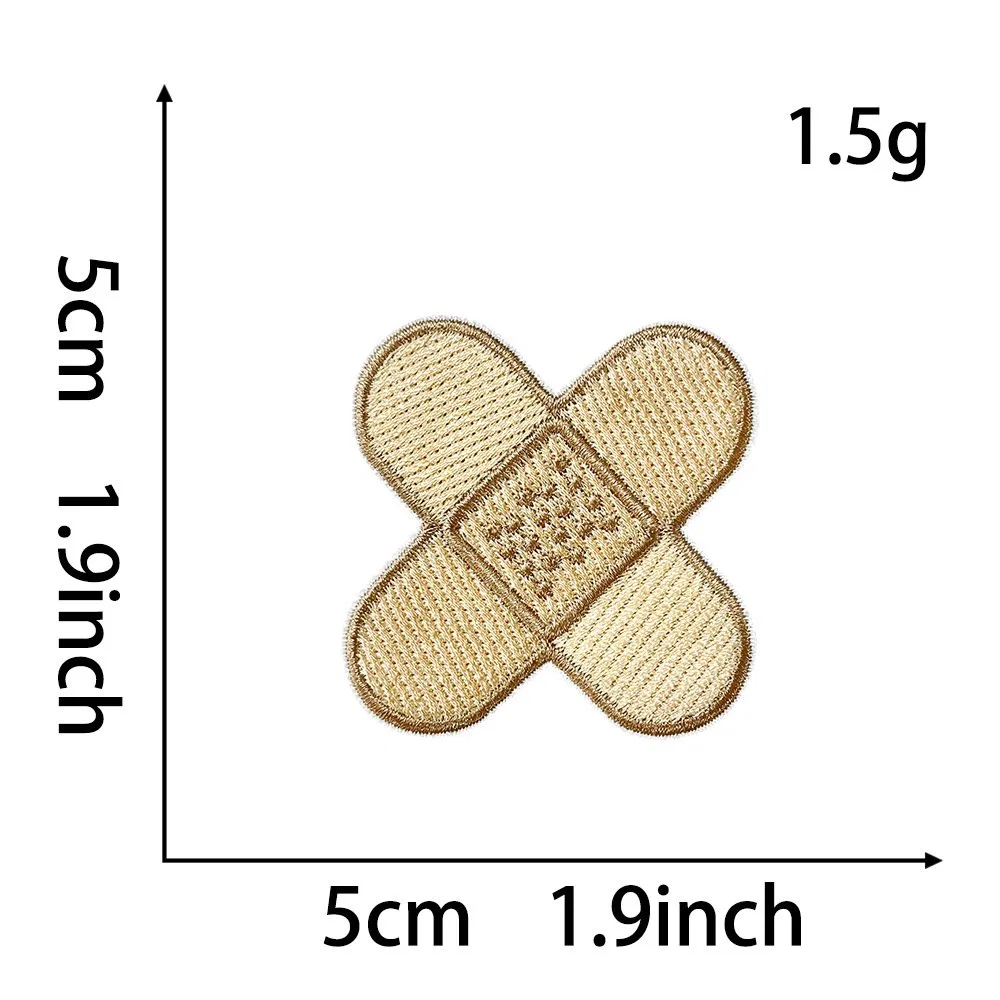
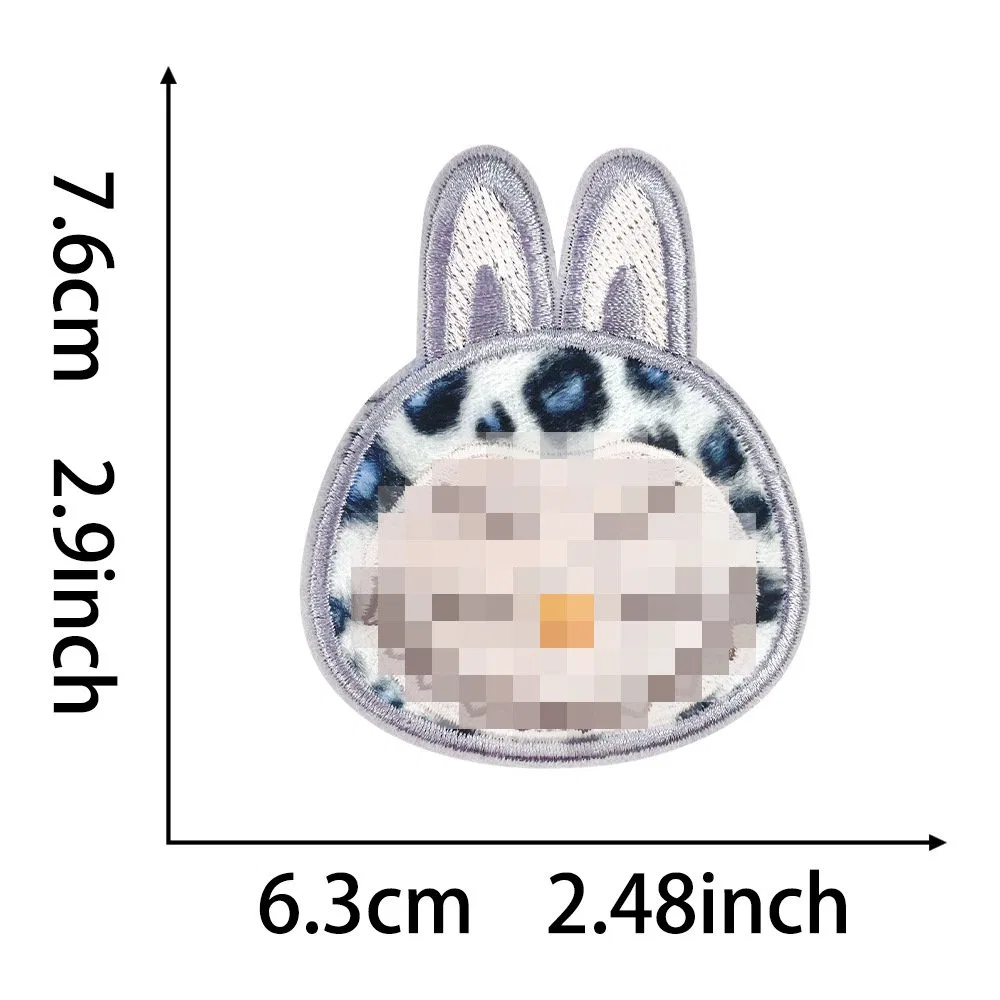
MOQ and lead time are confirmed after artwork review. These six inputs make supplier comparisons meaningful.
Finished width and height.
Count and coverage.
Thread and change count.
Merrowed or cut.
Attachment system.
Quantity by artwork.
Product codes, materials, MOQs and listed prices are rendered from active catalog records.
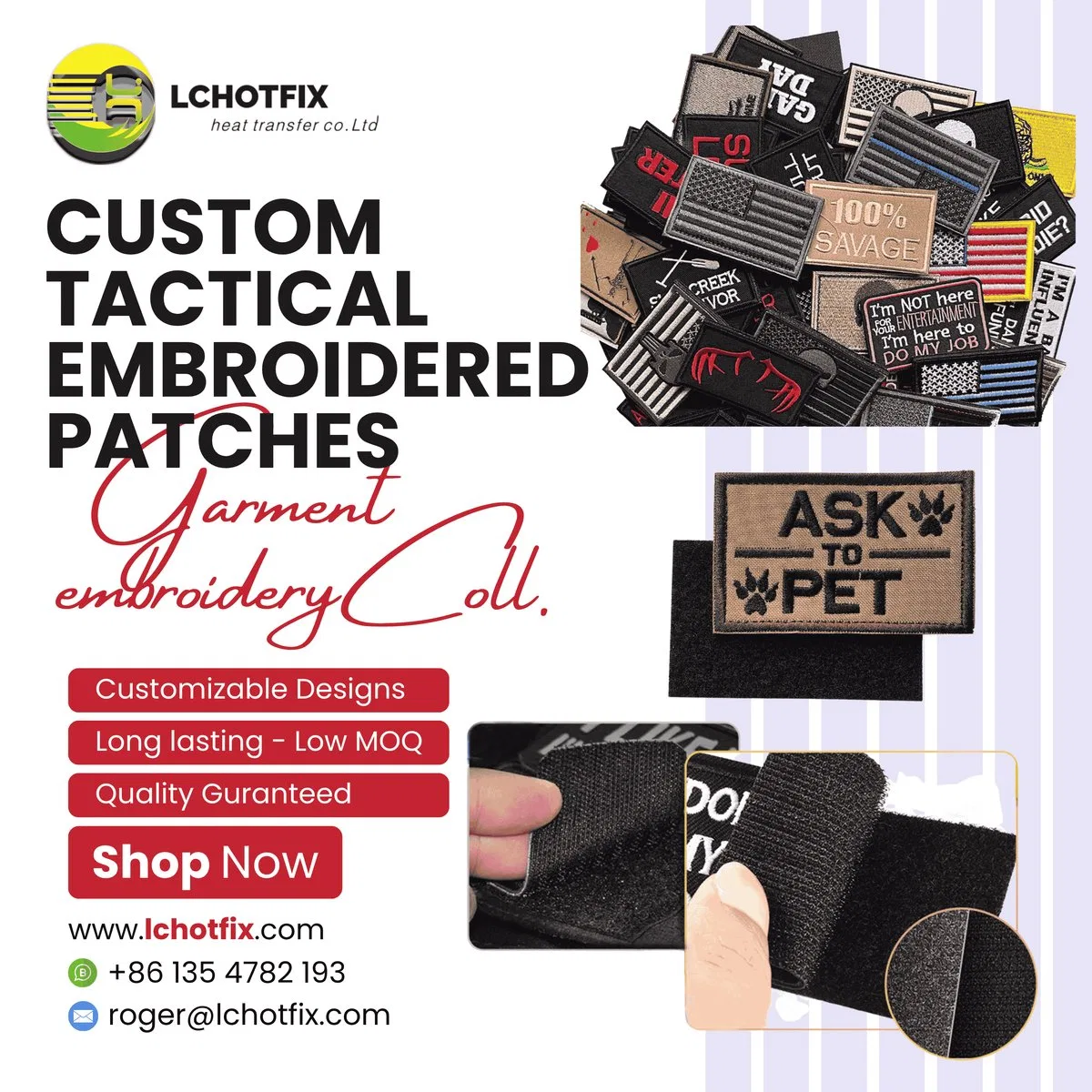
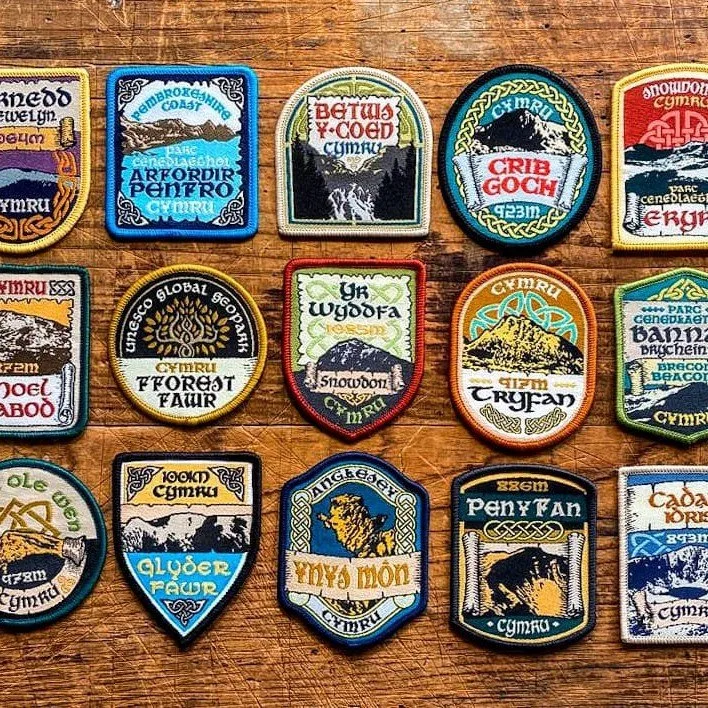
Send vector artwork when possible, plus finished size, exact wording, colour references and backing. A high-resolution raster can be reviewed, but digitising still converts the design into stitch instructions.
A merrowed border creates a rounded overlocked edge and suits regular shapes. A laser-cut or heat-cut edge follows complex silhouettes more closely. The fabric and construction determine the practical option.
No. Intentional twill exposure can reduce density, weight and cost while creating clean contrast. Full coverage suits some artwork, but small details and large filled areas need stitch planning.
Yes, artwork can be developed for tactical colour palettes and hook-and-loop backing. Confirm uniform placement, maximum thickness, field use, colour constraints and whether a matching loop panel is required.
Review dimensions, thread colours, stitch direction, registration, puckering, border, reverse finish, backing and applied appearance. Keep the approved physical sample and digitising revision as the bulk reference.
Finished area, stitch count, coverage, colour changes, border, backing, artwork versions, quantity, packing and destination all contribute. A true quote follows digitising review.
Include finished size, quantities, border, backing, garment use, packing and destination.