


Two-hole
A clean sew-through face with visible thread direction. Define hole spacing, recess and edge profile.
Source custom garment buttons as engineered trim: diameter, profile, attachment, material direction, finish, logo relief and packing all need an approved reference. This guide covers shirt, jacket and cashmere coat buttons for private-label buying teams.
Millimetres provide a clear production dimension. If a tech pack uses ligne, keep the original notation and confirm the converted diameter with the supplier. A button that looks balanced on a shirt can be visually and mechanically undersized on a heavy coat.
Send the buttonhole length, placket construction, fabric weight and placement. Approve physical fit through the intended buttonhole before bulk sewing.
A clean sew-through face with visible thread direction. Define hole spacing, recess and edge profile.
Supports cross, parallel or decorative stitch patterns. Confirm the sewing plan in the garment tech pack.
A reverse loop leaves an uninterrupted face and creates space for thicker fabrics. Specify loop material and orientation.
Multi-part closures require matched components, setting equipment and garment-specific attachment validation.
| Direction | Specify | Review |
|---|---|---|
| Metal buttons for clothes | Base metal, plating, relief, edge and reverse | Finish consistency and garment compatibility |
| Resin / synthetic | Colour, translucency, pattern and profile | Moulded detail and lot appearance |
| Shell-like / pearl | Lustre, shade, thickness and natural variation target | Face variation and edge condition |
| Covered button | Core, fabric, grain direction and reverse assembly | Wrapping, alignment and fray control |
For cashmere, wool and tailored outerwear, the button works against a thick placket and becomes a major visual element. Review diameter, shank clearance, weight, edge smoothness, plating and reinforcement together.
A reference photo helps communicate style, but the coat tech pack should carry measurable dimensions and attachment instructions.
Allow clearance without excessive movement.
Prove passage and retention on the real construction.
Check relief, orientation and legibility at true size.
Define thread, stay button or other garment method.
Testing requirements depend on the button construction, garment, care process and destination. Agree the required standard and acceptance rule before ordering; do not infer compliance from appearance alone.
Diameter, thickness, hole or shank geometry and profile.
Security after sewing or setting on the intended garment.
Edges, scratches, plating, colour and logo definition.
Observed condition after the agreed garment care sequence.
Count, shade consistency, coding and defect sampling.
The live catalog does not currently identify these records as garment buttons. They are adjacent apparel-accessory references for metal tone, crystal surface, textile detail and packing conversations; an exact button is supplied against its own quote and sample.
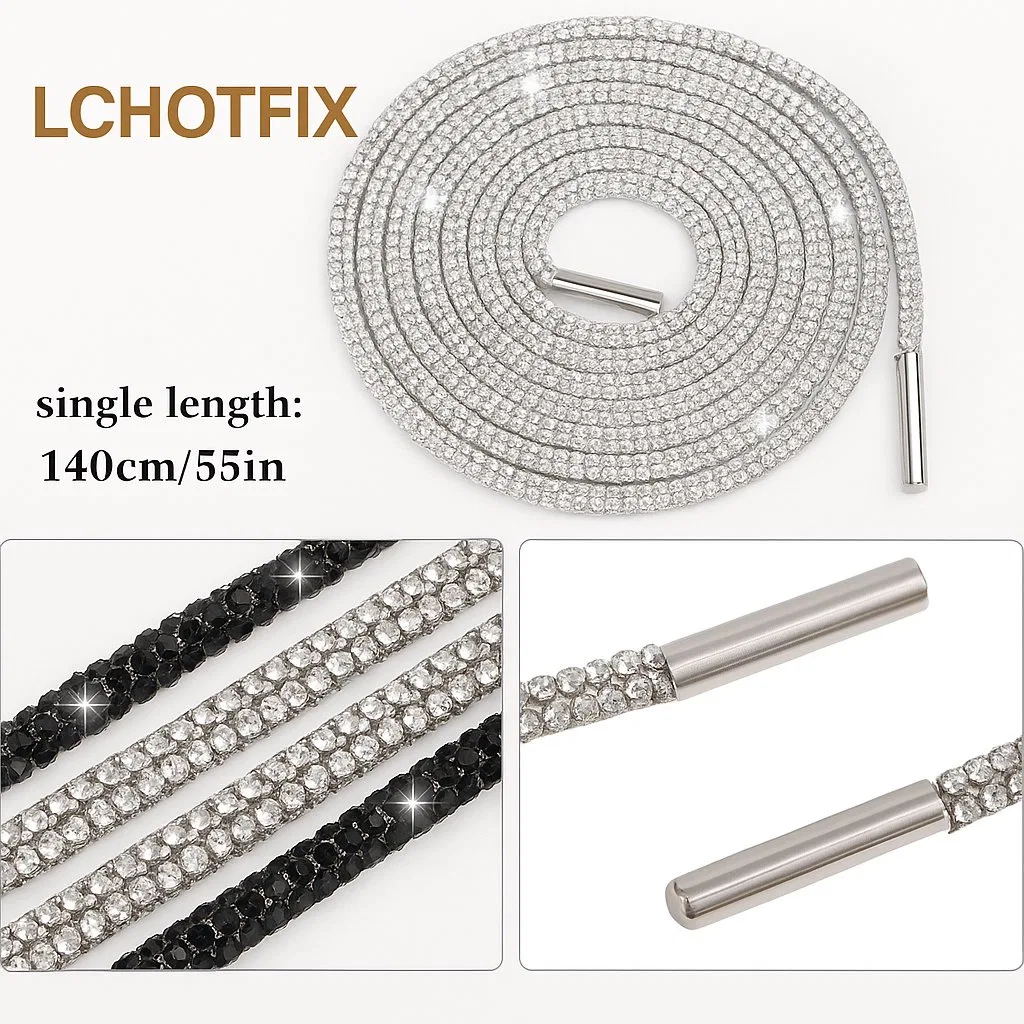
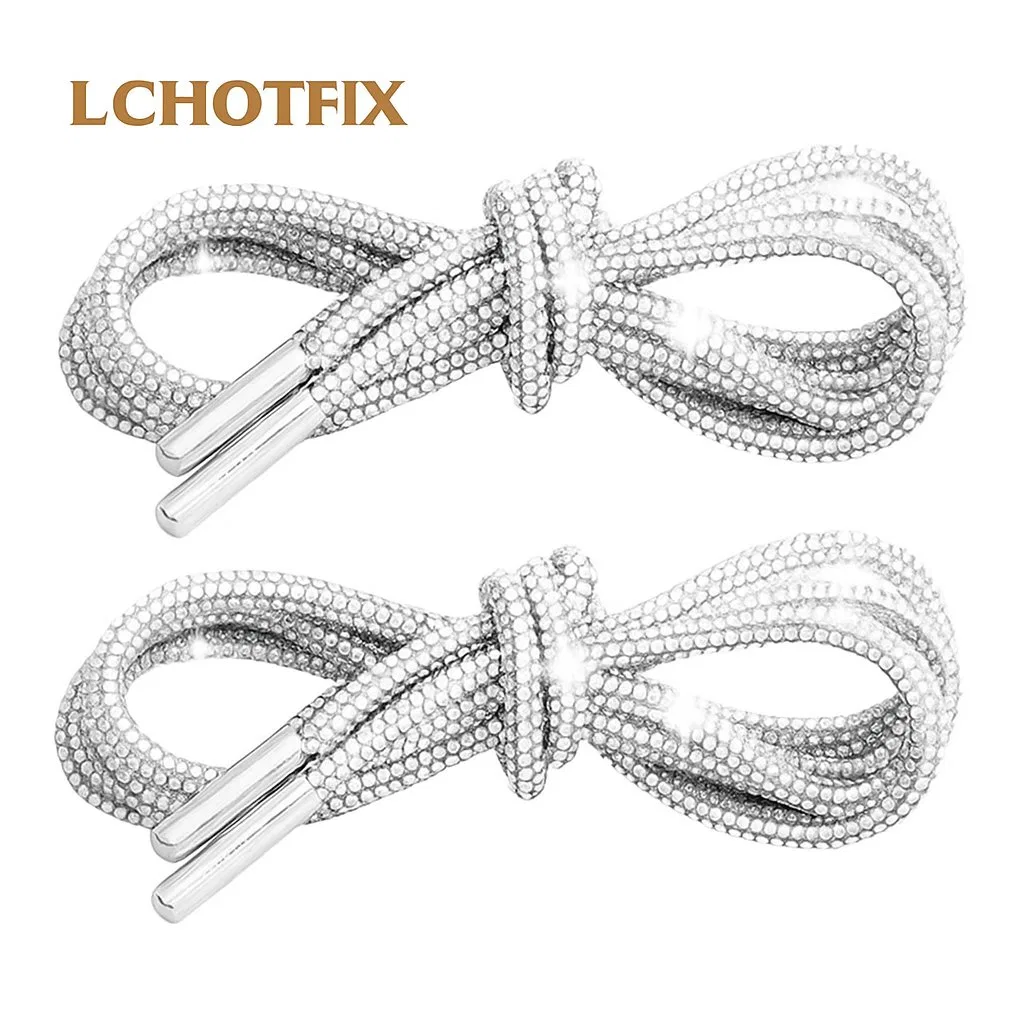
These dynamic cards remain linked to current product records. Use them for material and finish discussion; custom button dimensions, attachment and pricing are confirmed through a dedicated project quote.

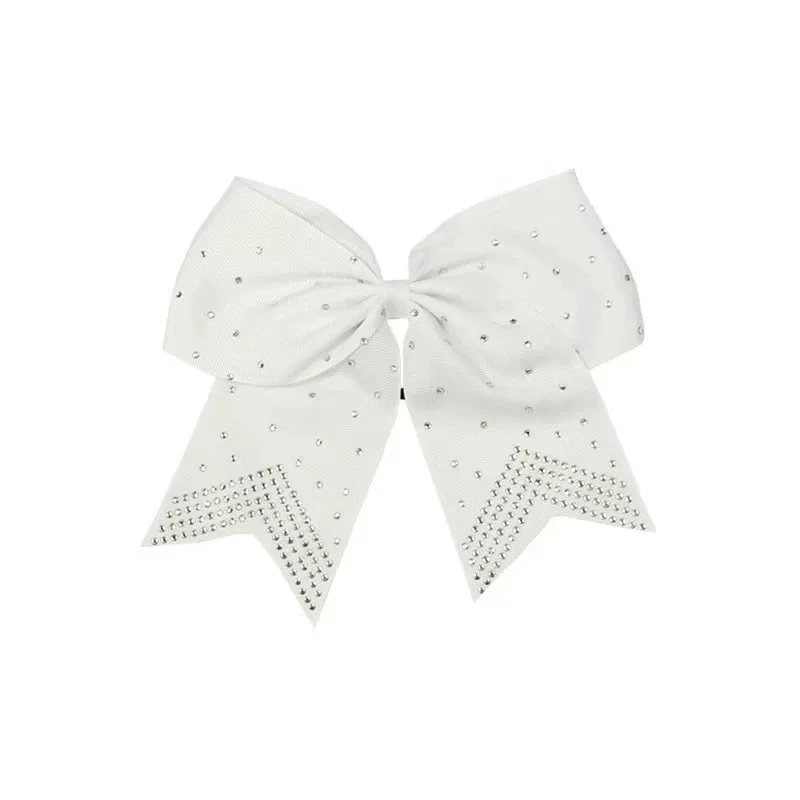
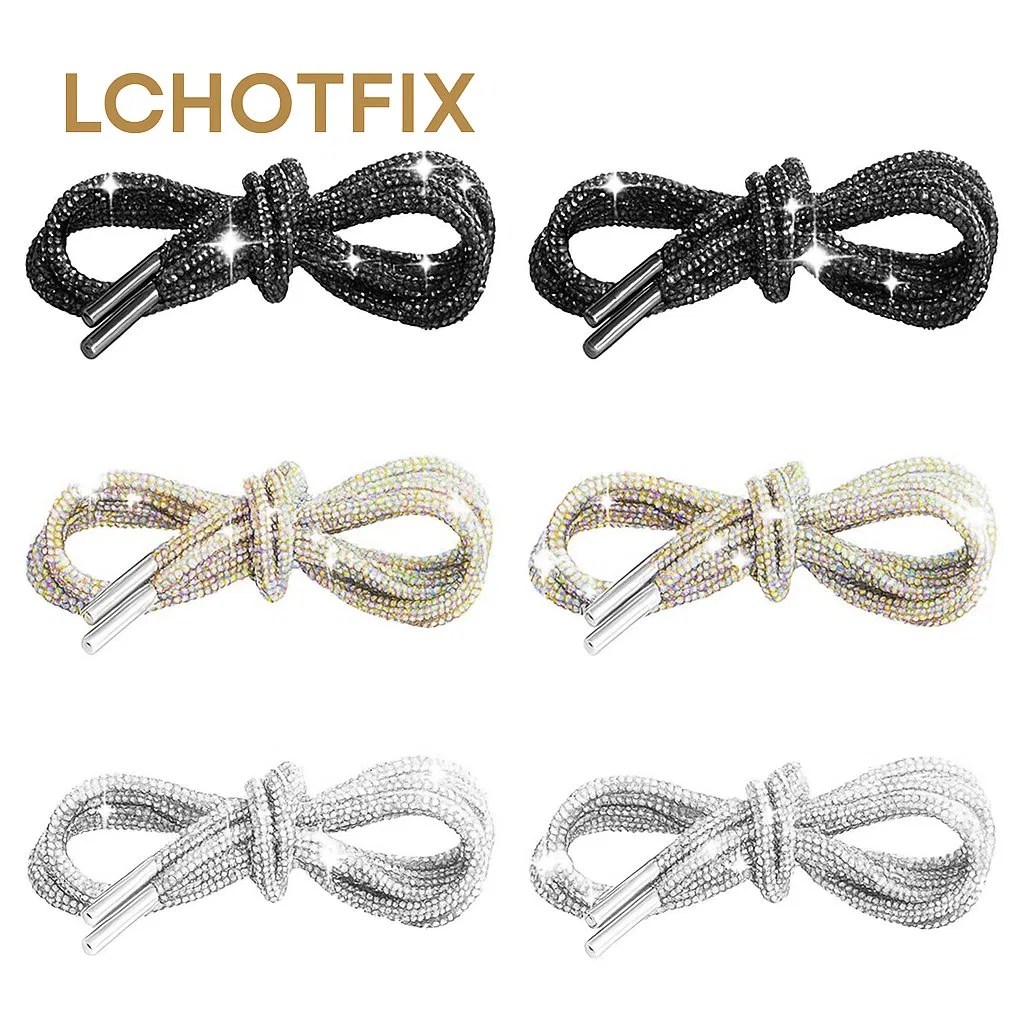
State pieces per bag, bags per carton, spare allowance, colour and size codes, protective layers and whether sets must be grouped by garment. A mixed carton can cause more disruption than a visible trim defect.
Pieces, sets, spares and carton totals.
Style, size, colour, finish, lot and PO.
Prevent face abrasion, tangling and plating contact.
Use approved sample and inspection record.
Yes. Quote the button as a trim specification with dimensions, construction, attachment, finish, garment use, quantity, packing and approval requirements.
Button size must suit the coat design, buttonhole, placket, fabric weight and desired appearance. Provide the tech pack or a physical reference so the final diameter and profile can be sampled.
A shank button has an attachment loop on the reverse, while a sew-through button uses visible holes through the face. The garment construction and visual intent determine the choice.
Finish options depend on the chosen base material and project. Approve a physical finish sample because screen colour cannot prove metallic appearance.
Agree the evidence needed for attachment security, finish durability, corrosion or colour change, edge condition and care compatibility. Requirements vary by garment and market.
Send drawings or reference photos, dimensions, material direction, finish, logo relief, attachment, garment type, order split, packaging, destination and required date.
Send the tech pack or reference, dimensions, material and finish direction, garment, quantities, packing and destination.