


Match construction to the garment
Share the actual substrate, colour, stretch and care route before selecting a label family.
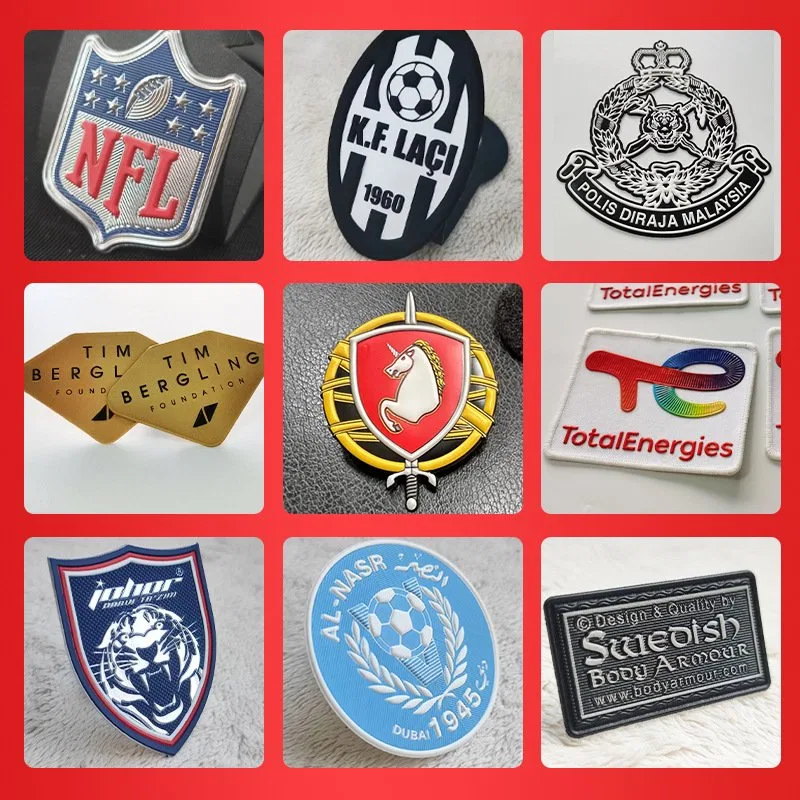
Custom heat transfer labels cover several constructions rather than one universal product. Compare thin PU film, flexible TPU, raised silicone-like logos, reflective layers and printed transfers by garment, feel, artwork and application need.
Share the actual substrate, colour, stretch and care route before selecting a label family.
For thin printed marks and detailed graphics.
For shaped labels with a defined edge.
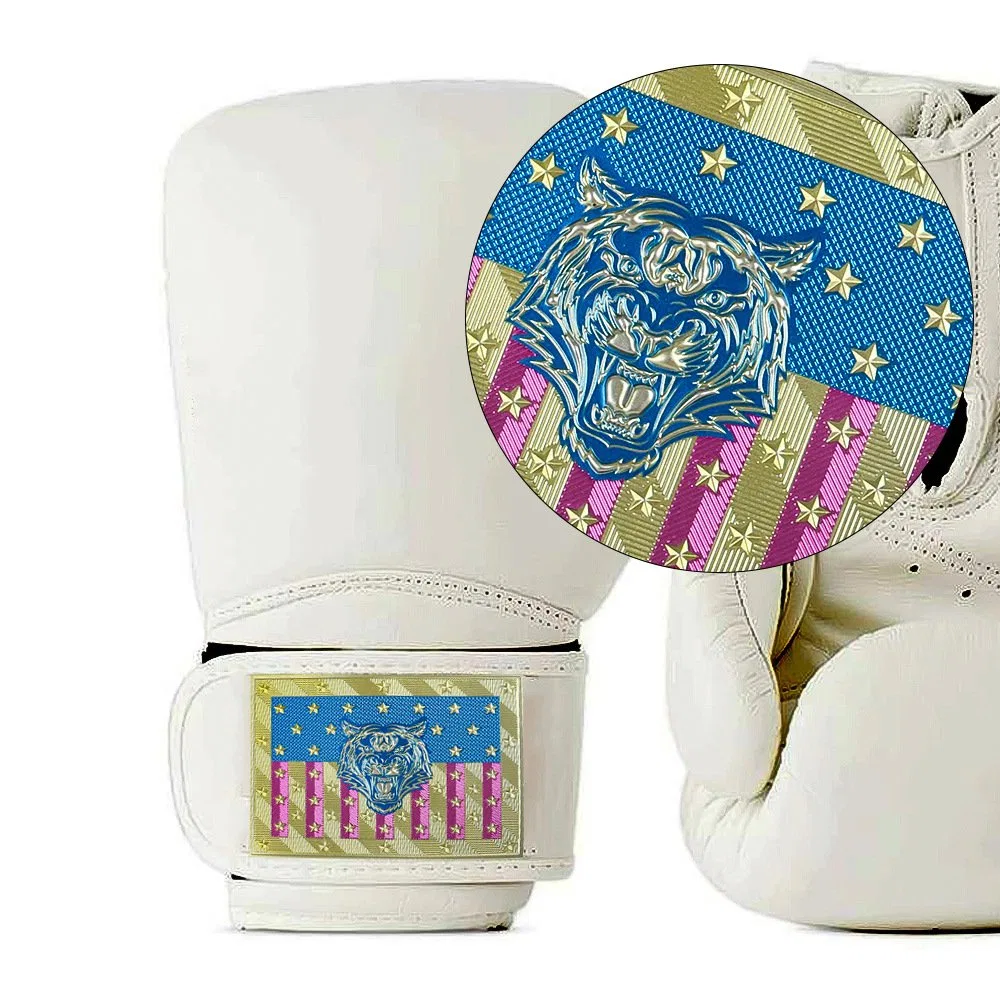
For raised logos and dimensional touch.
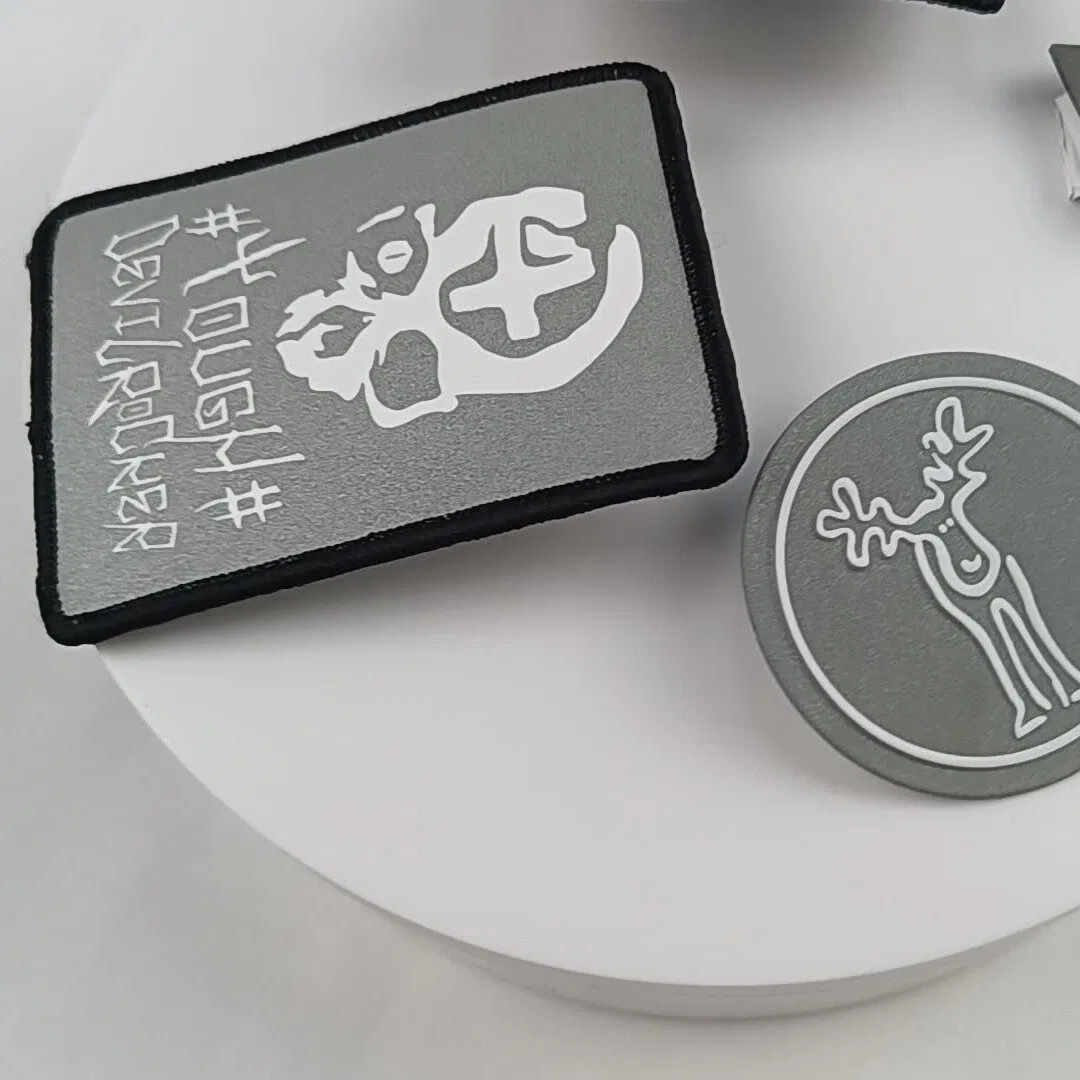
For directed-light visibility programs.
The right heat transfer label manufacturer should ask how the decoration must look, flex, feel and survive on the receiving garment.
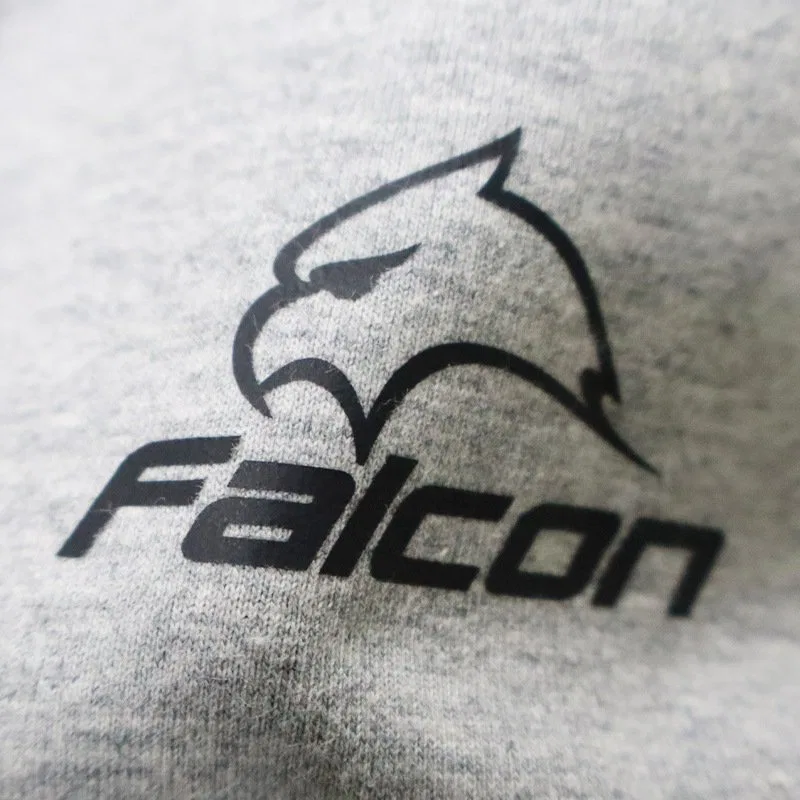
Low profile, printed colour and fine visual detail.
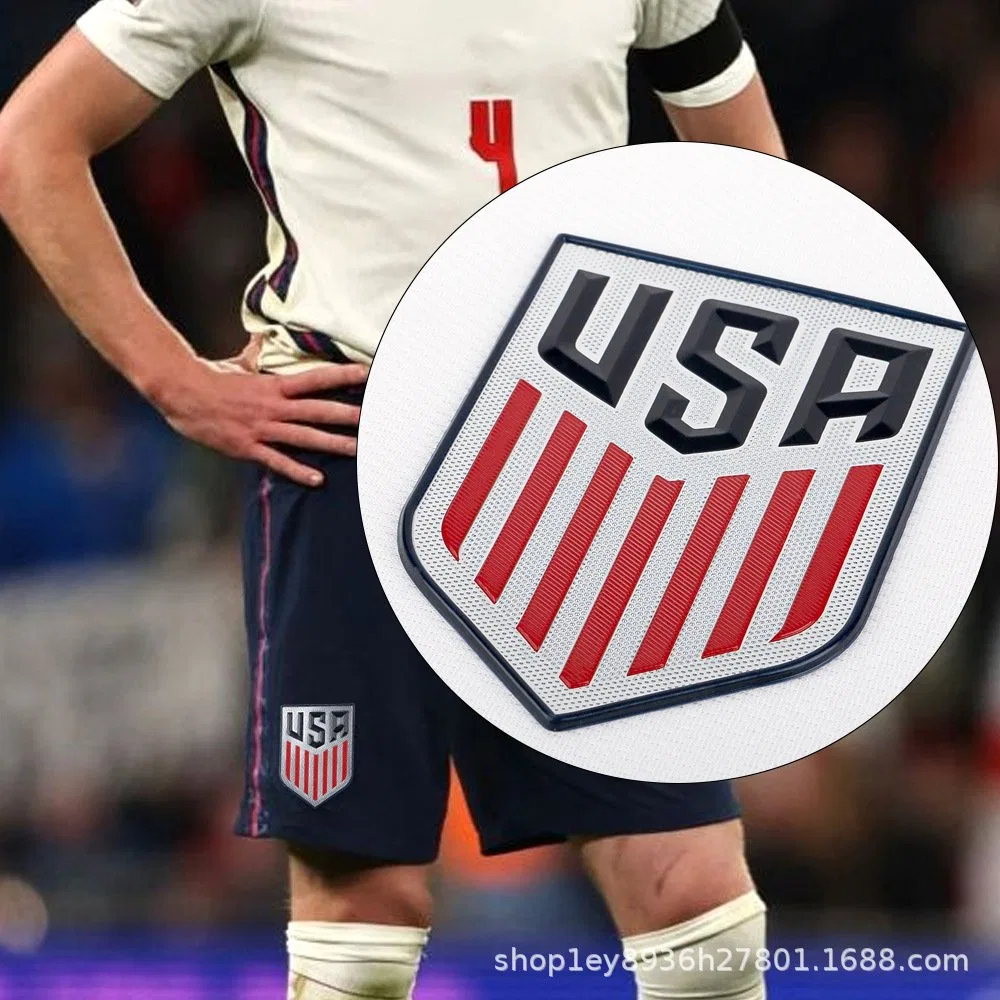
Flexible shape, crisp boundary and optional relief.
Soft touch and deeper dimensional structure.
Brand graphic with directed-light response.
Carrier-based full-colour transfer for press production.
Fibre, coating, stretch, texture and dye risk.
Nearly imperceptible, flexible body or tactile relief.
Small type, gradients, islands and colour count.
Wash, drying, abrasion and end-use exposure.
Factory line, contract decorator or small press shop.
Dimensions alone do not define a transfer. Keep the decorated component, carrier and receiving garment tied to one revision.

Factory-direct pricing becomes comparable when suppliers quote the same version structure and packing scope.
Mould, screen, print file, colour preparation and sampling.
Area, thickness, relief, colour count and cutting complexity.
Artwork, size, colour and placement quantities by SKU.
Individual cuts, gang sheets, sorting, labels, packing and destination.
Provide editable vectors, exact wording, colour references and a true-size view. Convert fonts to outlines while retaining an editable source copy.
Mark printed, raised, recessed, transparent, reflective and adhesive-free areas. Number relief levels and special textures.
State placement, orientation, seam distance, stretch direction and accessible press area for each product version.
Size, wording and construction notes.
Face, profile, edge and carrier.
Bond, surface and placement.
Agreed cycles and observations.
Coded reference and tolerances.
These active records supply current product names, codes, materials, MOQs and listed prices.
Record equipment, platen support, garment pre-check, proposed settings, peel timing and any finishing press. Settings remain specific to the approved label and fabric group.
Check carrier, count, code and storage condition.
Confirm placement, bond and garment marking before volume.
Retain operator, equipment, settings and inspection result.
Choose by visual target, hand feel, garment fabric, stretch, care route and production equipment. Thin PU film suits low-profile graphics; TPU or silicone-like constructions can add body and relief. Test the exact combination.
The search term is used inconsistently. Some buyers mean an embroidered badge with heat-seal backing; others mean a transfer that imitates stitch texture. State whether real thread is required so the construction is quoted correctly.
Do not assume it will. Fabric chemistry, dye migration, coatings, thickness and colour can change bond and appearance. Group representative fabrics and approve a setting window for each group.
MOQ is affected by material route, artwork and size count, mould or screen setup, colour changes, sheet use, cutting and packing. Current reference-product MOQs are displayed from the catalog; the project MOQ is confirmed in the quote.
Identify the fabric and dye risk before sampling. A proposed blocker or lower-temperature system still needs an applied trial and delayed inspection because migration can appear after pressing.
Approve artwork code, dimensions, colours, relief or print face, backing, carrier, applied appearance, press instruction, care result and packing label on a production-equivalent sample.
Send the artwork, garment fabric, application target, version quantities and destination.