Hem identity
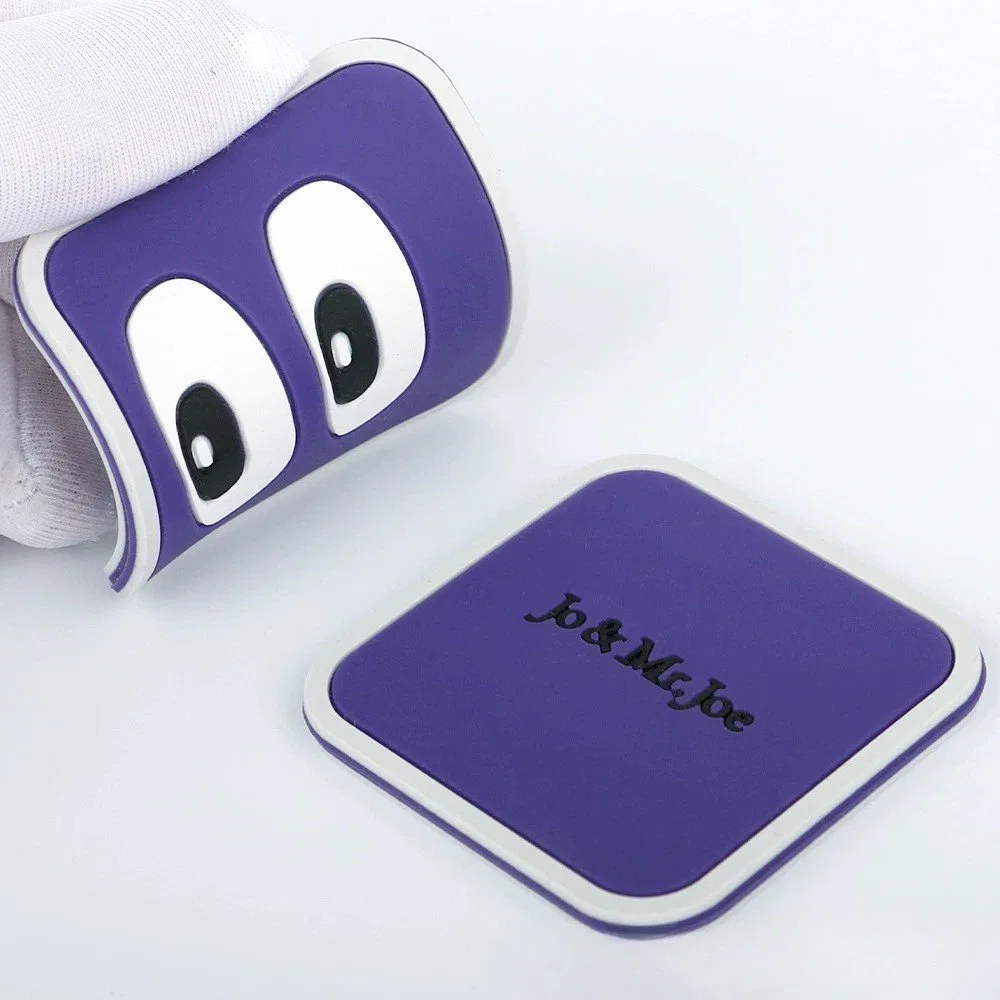
Small rubber logo for clothes with readable relief and a controlled stitch route.
Rubber labels for clothing give private-label collections a flexible, tactile signature. Source raised or debossed custom rubber labels, rubber tags and silicone rubber labels with a documented compound, colour plan, attachment and sample approval path.
Different receiving products ask the custom rubber tag to behave differently.
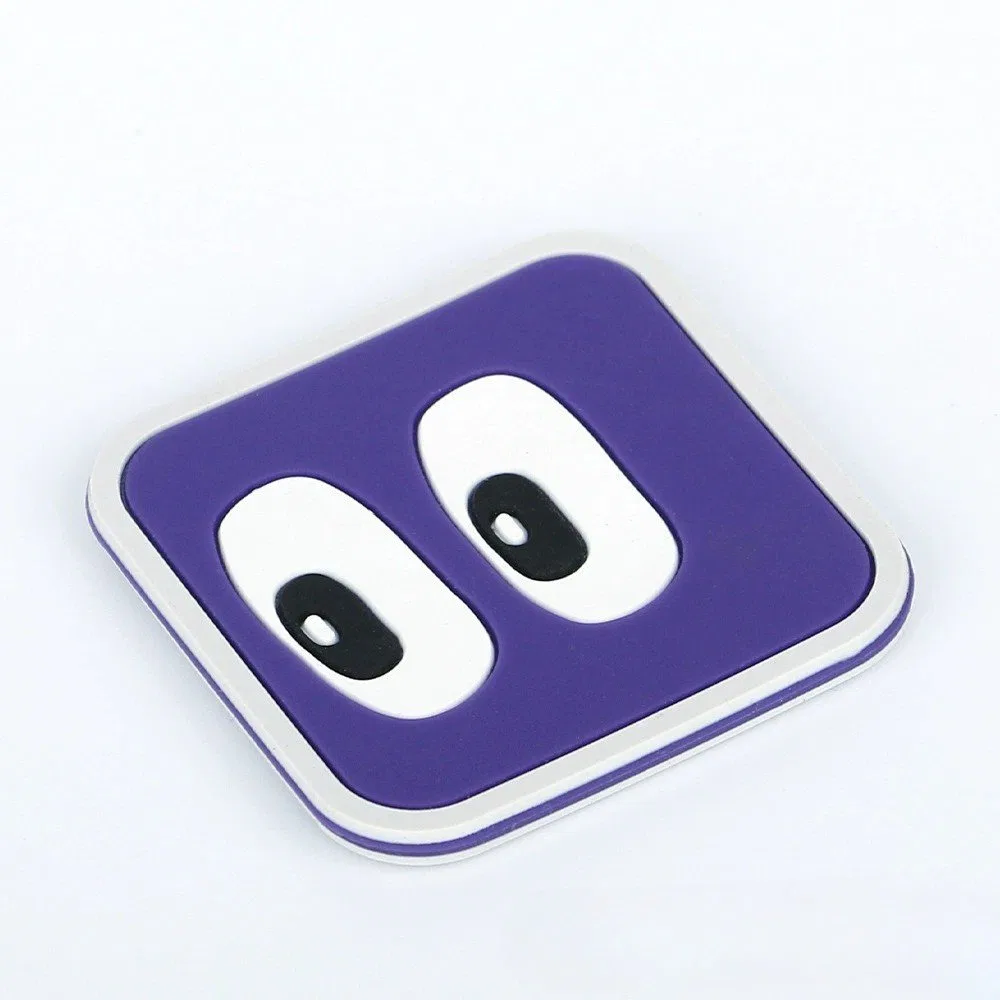
Small rubber logo for clothes with readable relief and a controlled stitch route.
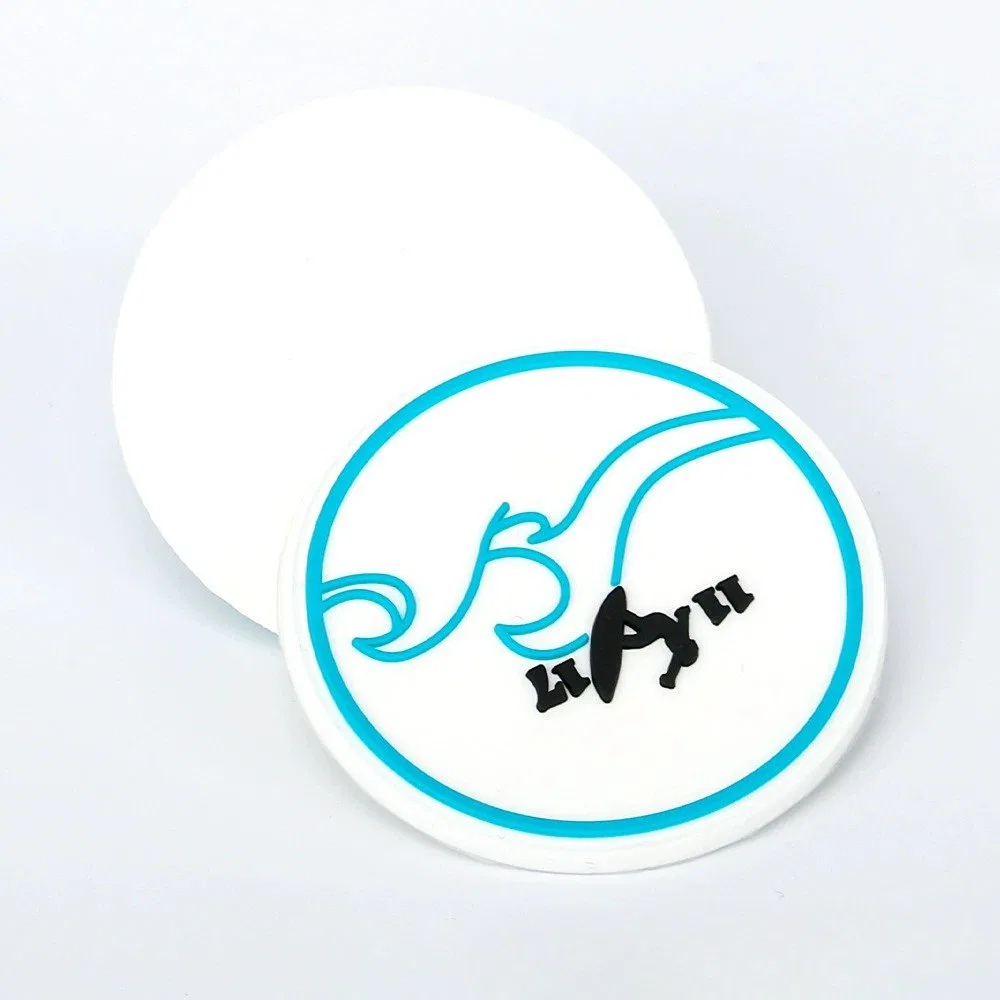
More visible scale, abrasion exposure and a deliberate perimeter construction.
Curved placements require a flexible body and attachment access.
Hole, loop or hardware must be included in the dieline and packing brief.
Computer values guide the brief; a coded sample becomes the production reference. Review the label on light and dark garments under the same controlled light.
Number every field.
State colour system.
Record gloss level.
View on garment.
Define acceptance.
| Line | State in RFQ | Why it matters |
|---|---|---|
| Artwork | One code per logo | Controls mould setup |
| Colour | Units per combination | Controls material preparation |
| Attachment | Units by reverse | Controls finishing |
| Packing | Bulk or retail sets | Controls labour and carton count |
01_MASTER_VECTORSupply outlined type, exact wording, positive and negative shapes, and the authorized brand proportions. Include a true-size print for legibility review.
02_RELIEF_KEYNumber each raised and recessed area.
03_PLACEMENTShow position, orientation, seam and edge access.
Dates are confirmed after artwork review; revision cycles, mould preparation and courier time belong on the schedule.
Files and product use.
Geometry and relief.
Physical first article.
Attach and care test.
Approved code to pack.
Plan holes or a clean sewing margin, thread colour, stitch density and access from the garment reverse. Validate puckering at the intended position.
Request settings for the exact reverse and test bond, edge lift and garment marking.
Specify hole diameter, loop or hardware, information card and retail packing order.
Match item code, artwork revision, colourway and quantity.
Check colour separation, relief, finish, text and outer shape.
Inspect holes, margins, backing or hardware before sewing.
Measure the agreed control points and thickness.
Run a representative production trial from each received lot.
Retain tested units with lot and date records.
Each card is rendered from the active catalog, including its current SKU, material, MOQ and listed price.
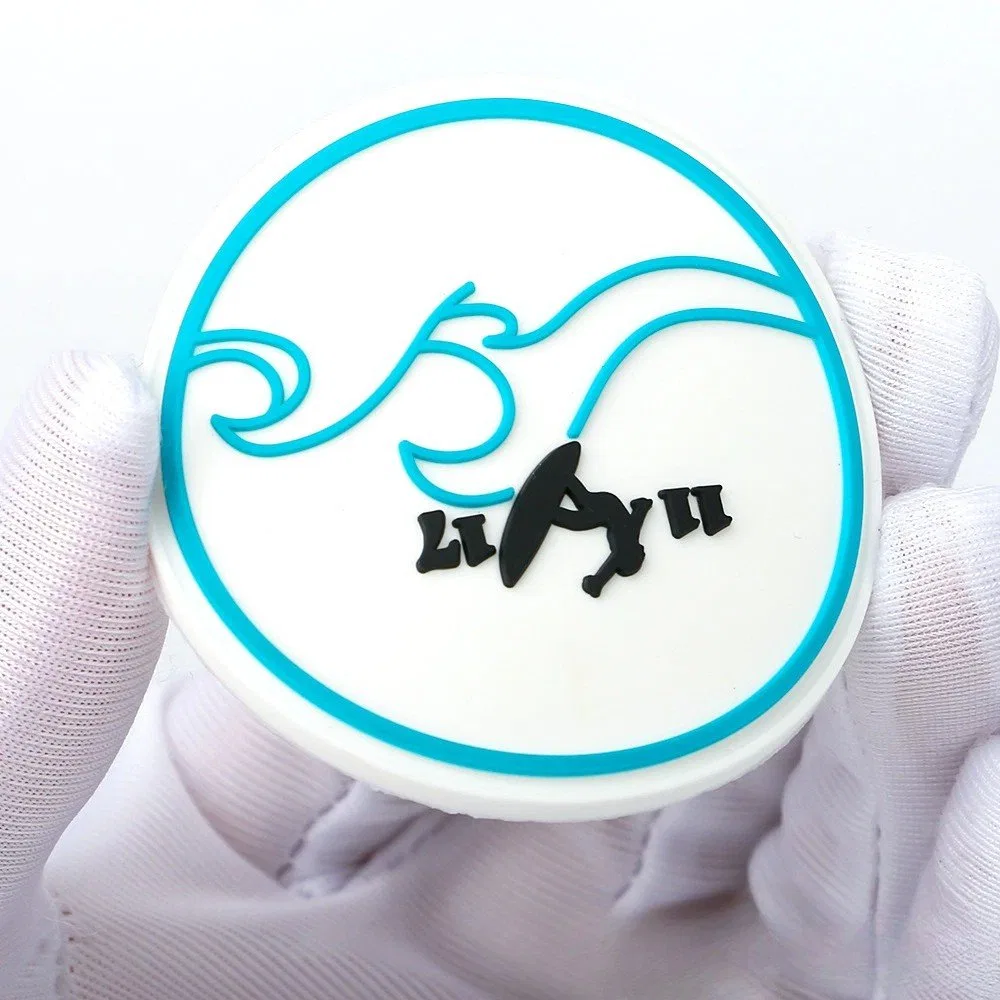

Rubber label is a sourcing category rather than a complete material specification. The quote should identify the proposed compound, finish, hardness and attachment so the approved sample can be reproduced.
Yes. Logos can use raised fields, recessed lines or mixed levels. A dimensioned relief map and true-size proof are required to confirm that fine text remains open and readable.
Common routes include sew holes, a stitchable perimeter, a heat-seal reverse or a separate hanging-tag assembly. Select the method from the garment construction and required use.
Usually, but each colourway should have its own code and quantity. Colour splits may affect MOQ, setup and price, so list them separately in the quotation request.
Send vector artwork, finished size, relief direction, colour references, attachment, garment material, position, quantities and destination. Include a placement image when edge access is limited.
Reference sample availability depends on the construction and destination. Use Free Samples to describe the intended clothing line, and the team will confirm the current sample option.
Send artwork, garment, attachment, colours, quantities and delivery point.
Reference imagery gives buyers a shared vocabulary before custom sampling begins.