


Fine brand detail
Dense fine yarns support detailed logos, smooth edges and small lettering when the finished size permits.
Custom woven labels build brand identity directly from yarn. Compare damask and satin-style constructions, then specify the finished face, fold, sewing allowance, colours and packing for clothing woven labels that fit the garment line.
Dense fine yarns support detailed logos, smooth edges and small lettering when the finished size permits.
A satin-style face creates a smooth visual field for premium or classic identity systems. Approve glare and contrast physically.
A firmer hand and simpler detail route can suit care information or cost-controlled programs.
State both total cut dimensions and visible dimensions after folding.
Flat application with controlled sealed edges.
Turned side allowances for two-edge sewing.
Looped label captured in a seam.
Angled ends for hanging or decorative placement.
Extended loop for accessories or seam capture.
Thin strokes, tiny reverse type and narrow gaps need yarn-aware adjustment. Print at 100% before sample release.
Check the physical weave rather than a screen enlargement.
Confirm fill density and open counters.
Allow the weave grid to shape curves and slopes.
Use practical separation where yarn transitions occur.
Artwork and wording.
Colours and sheen.
Total dimensions.
Visible dimensions.
Allowance and path.
Count and orientation.
Textile face, fold options and sewing integration.
Fine full-colour art and low-profile heat application.
Dimensional edge and tactile logo surface.
The live catalog currently provides adjacent label constructions for buyer comparison; the woven sample is developed to the confirmed brief.
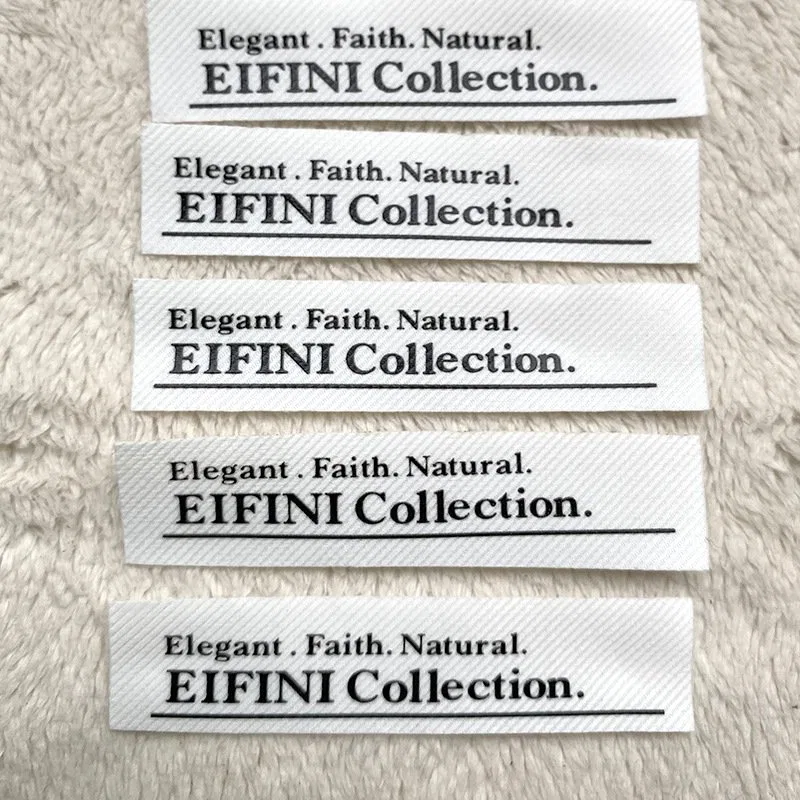
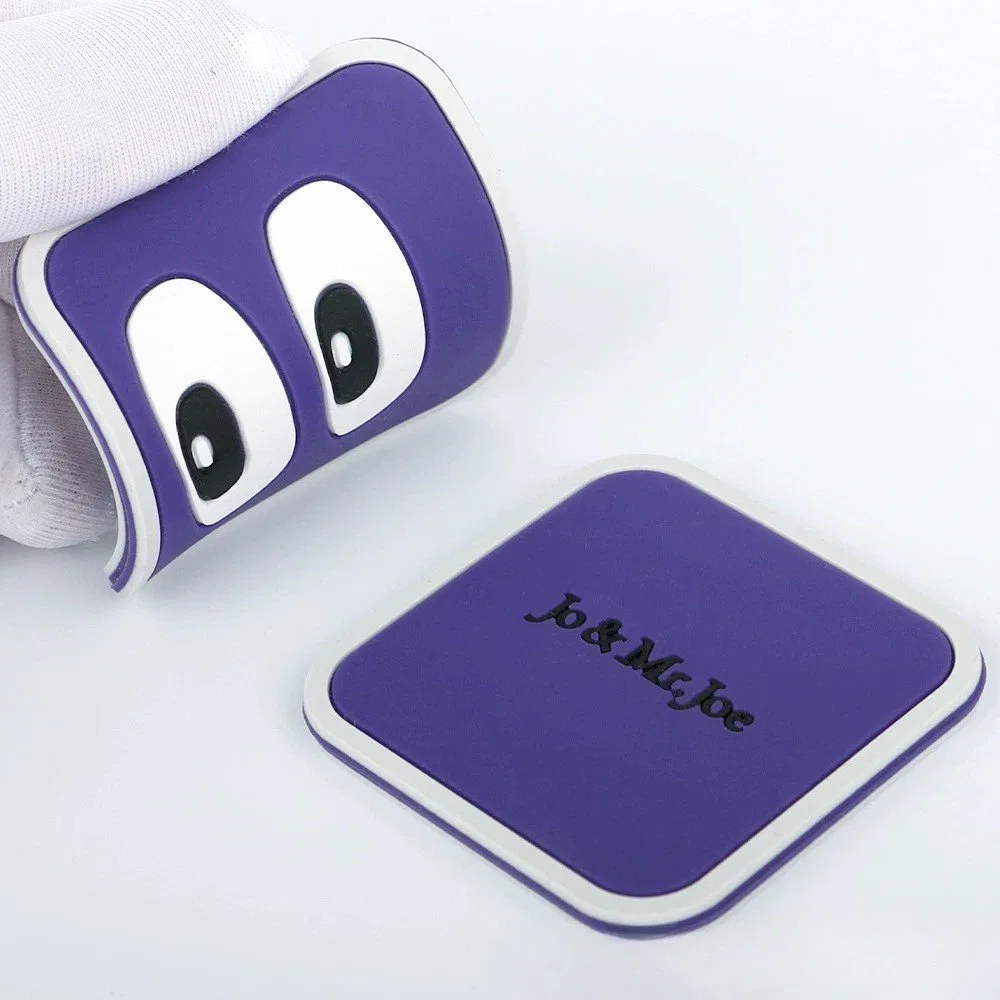
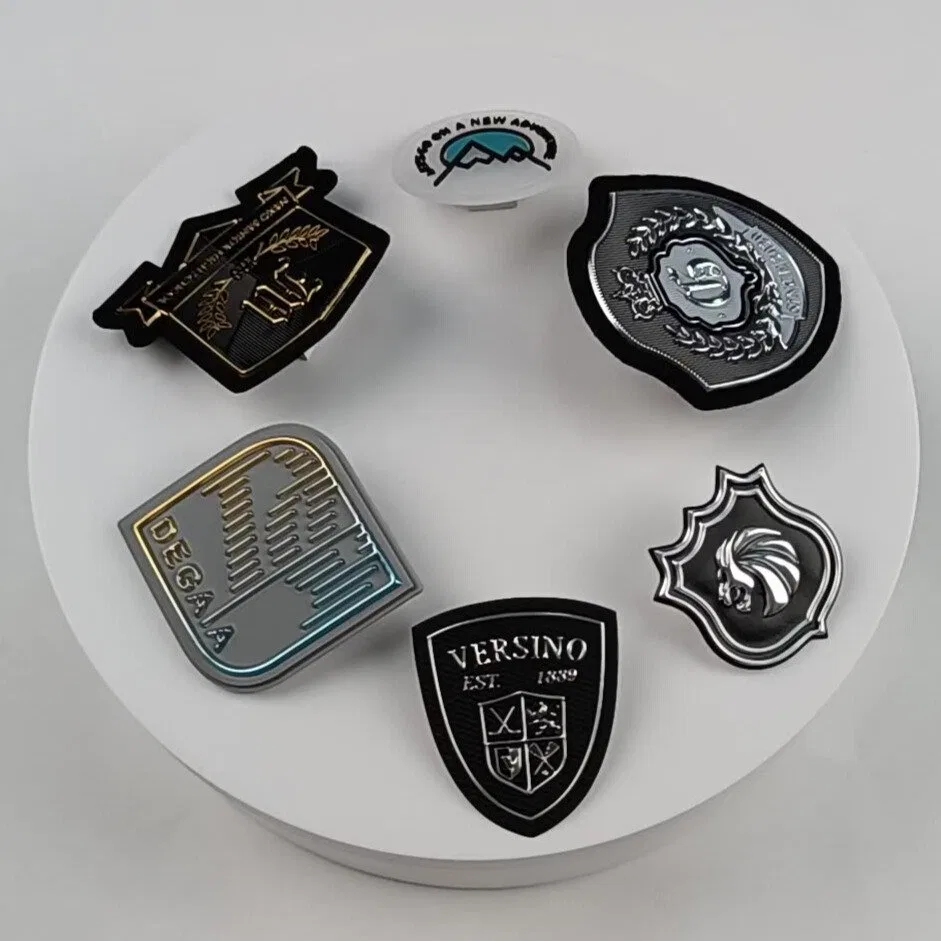
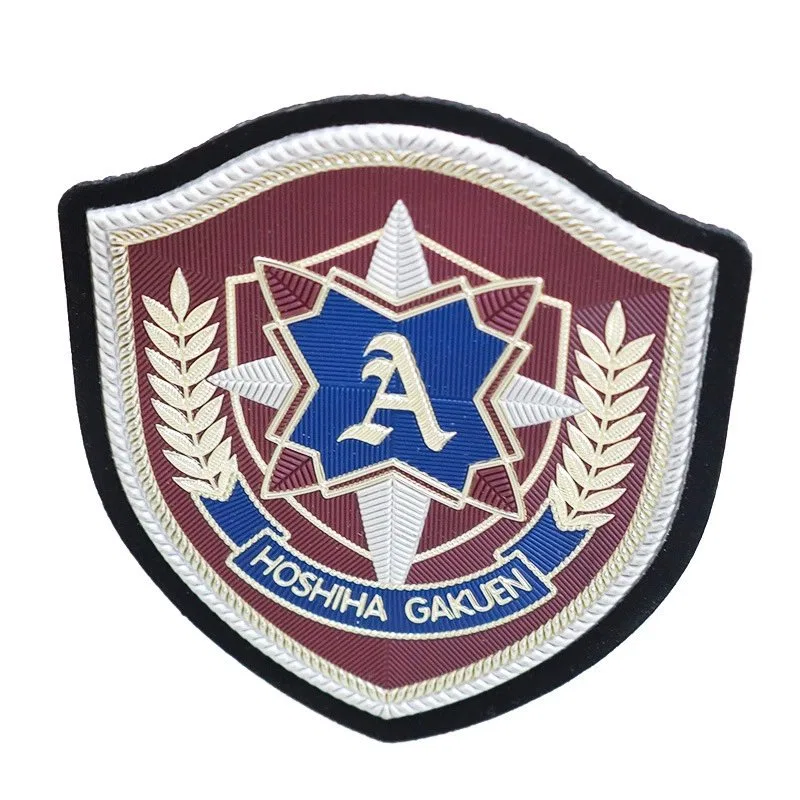
True-size artwork.
Colour and weave route.
Physical sample.
Fold and garment seam.
Coded approval.
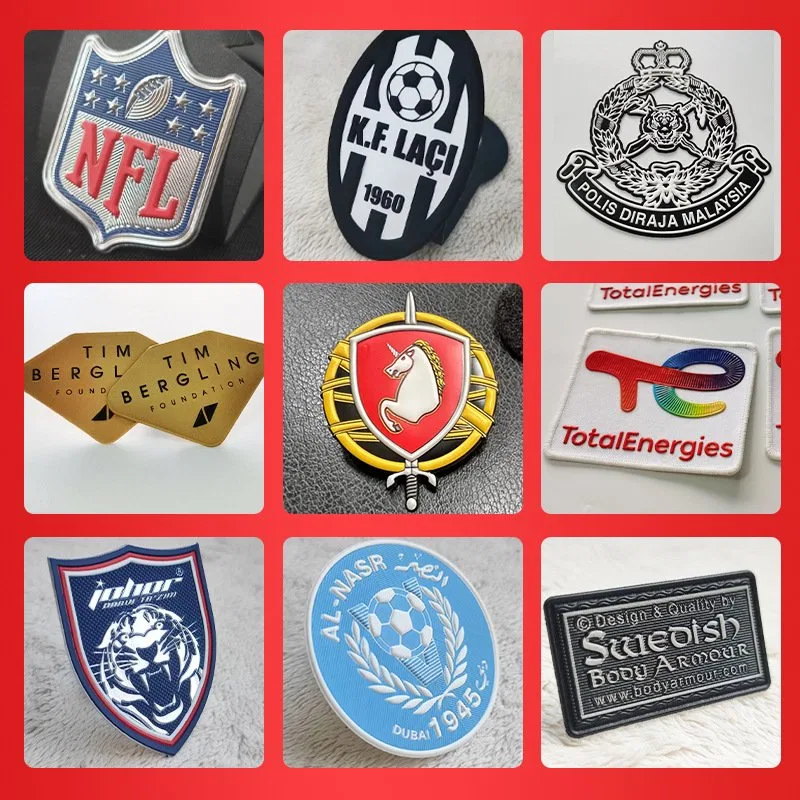
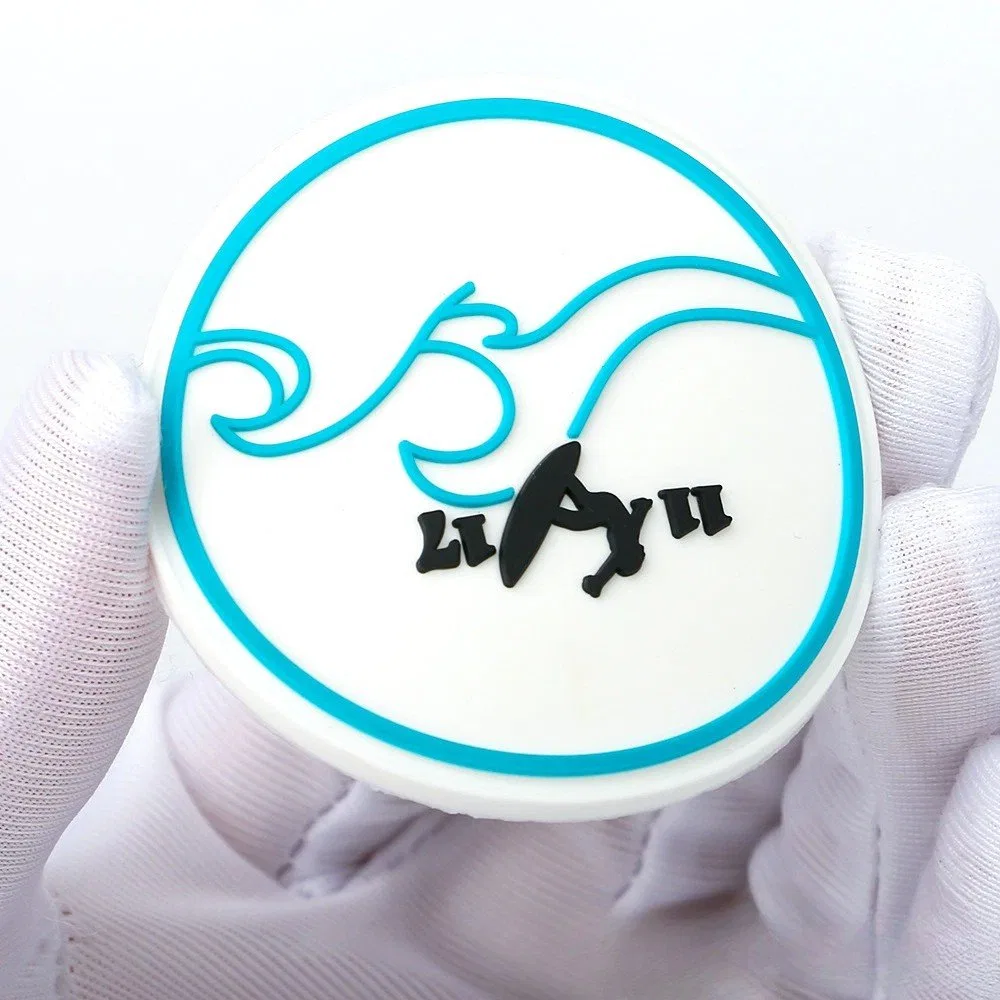
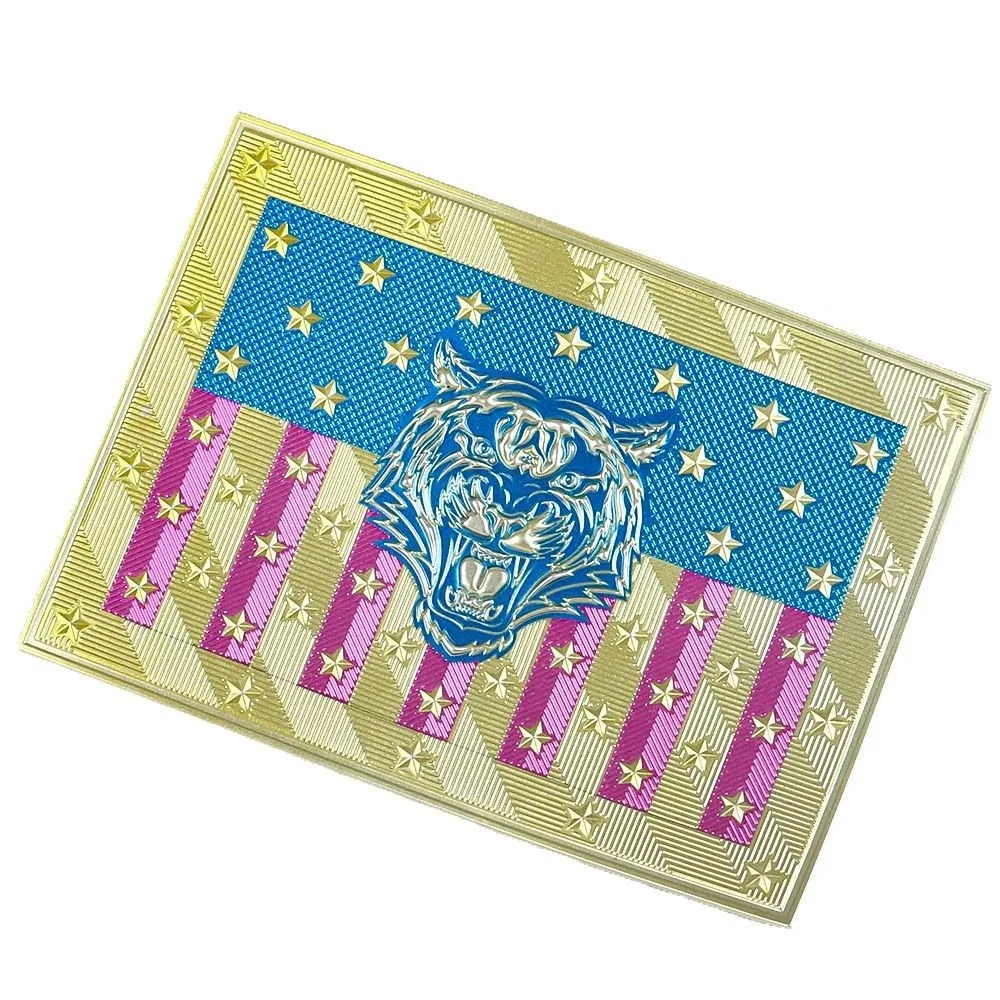
Artwork, size, language and colour quantities.
Cut, fold, sewing allowance and packing.
Required date, destination and garment-line sequence.
Damask uses fine yarns and a dense weave to reproduce detailed brand graphics with a smooth textile face. Actual detail depends on size, yarn count and artwork.
Satin-style labels suit designs that benefit from a smooth lustrous ground. Compare text clarity, fraying control and skin-side comfort on a physical sample.
Straight cut, end fold, centre fold, loop fold and mitre fold serve different seam and display needs. Share the sewing operation and exposed dimensions.
Yarn is selected against references, but woven colour and sheen differ from ink. Approve a physical swatch under agreed lighting.
Loom setup, yarn colours, label size, cut and fold, version count, quantity and packing determine the project minimum.
Check wording, weave registration, colour, dimensions, fold, cut edge, sewing allowance and pack identification against the approved sample.
Include artwork, finished and cut dimensions, fold, sewing method, colours, quantities, packing and destination.