


Reseller owns the brief
Your order reference anchors artwork and destination data.
Dropship custom transfers can move from an approved product record directly to an end customer when the artwork, packing, sender details and destination are defined before production. Build a repeatable reseller workflow for heat transfers, logo labels and patches without losing order identity.
Your order reference anchors artwork and destination data.
Packing slip, sender and outer-label instructions are written.
Shipment status returns against the matching reseller order.
Approved transfer construction, size, colour and application.
Unique order number and validated recipient details.
Confirmed packing slip, sender and insert presentation.
Destination, service level, tracking and exception contact.
These images come from active catalogue products. Open any record to review its current material and listed minimum before preparing a reseller offer.



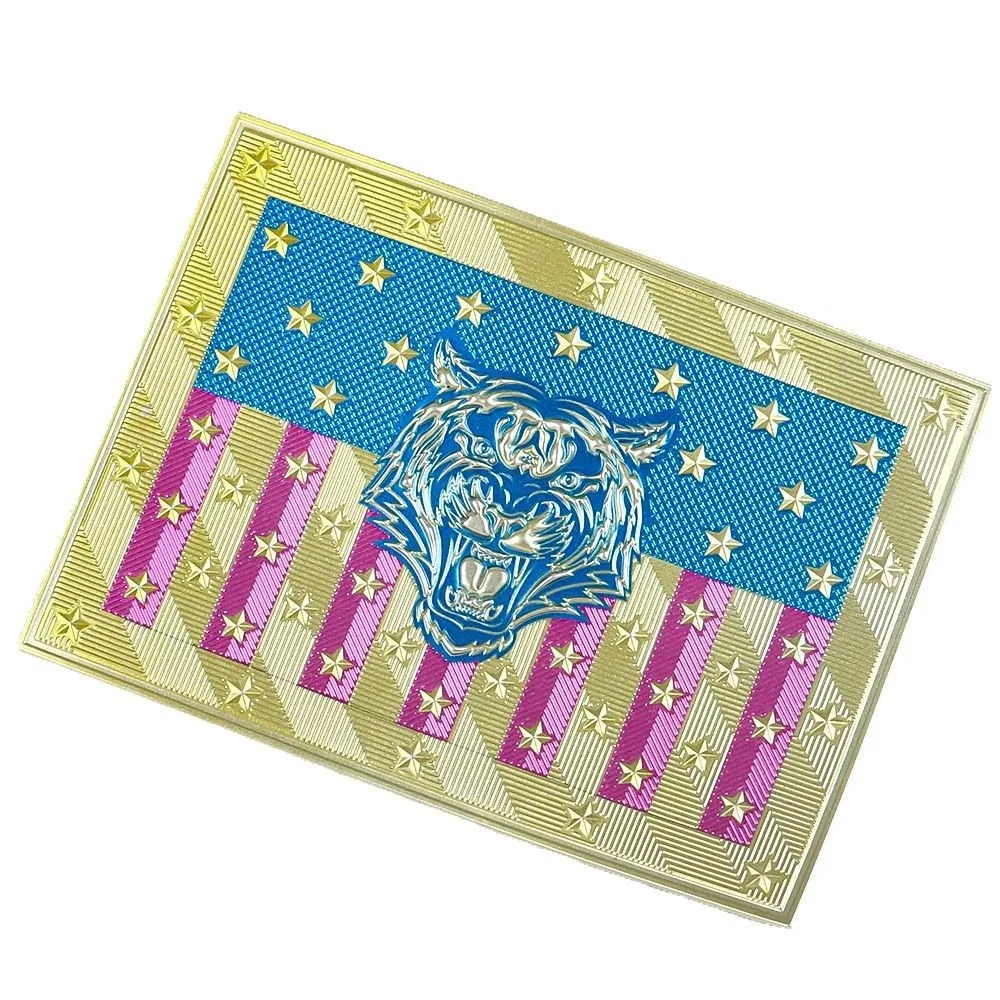
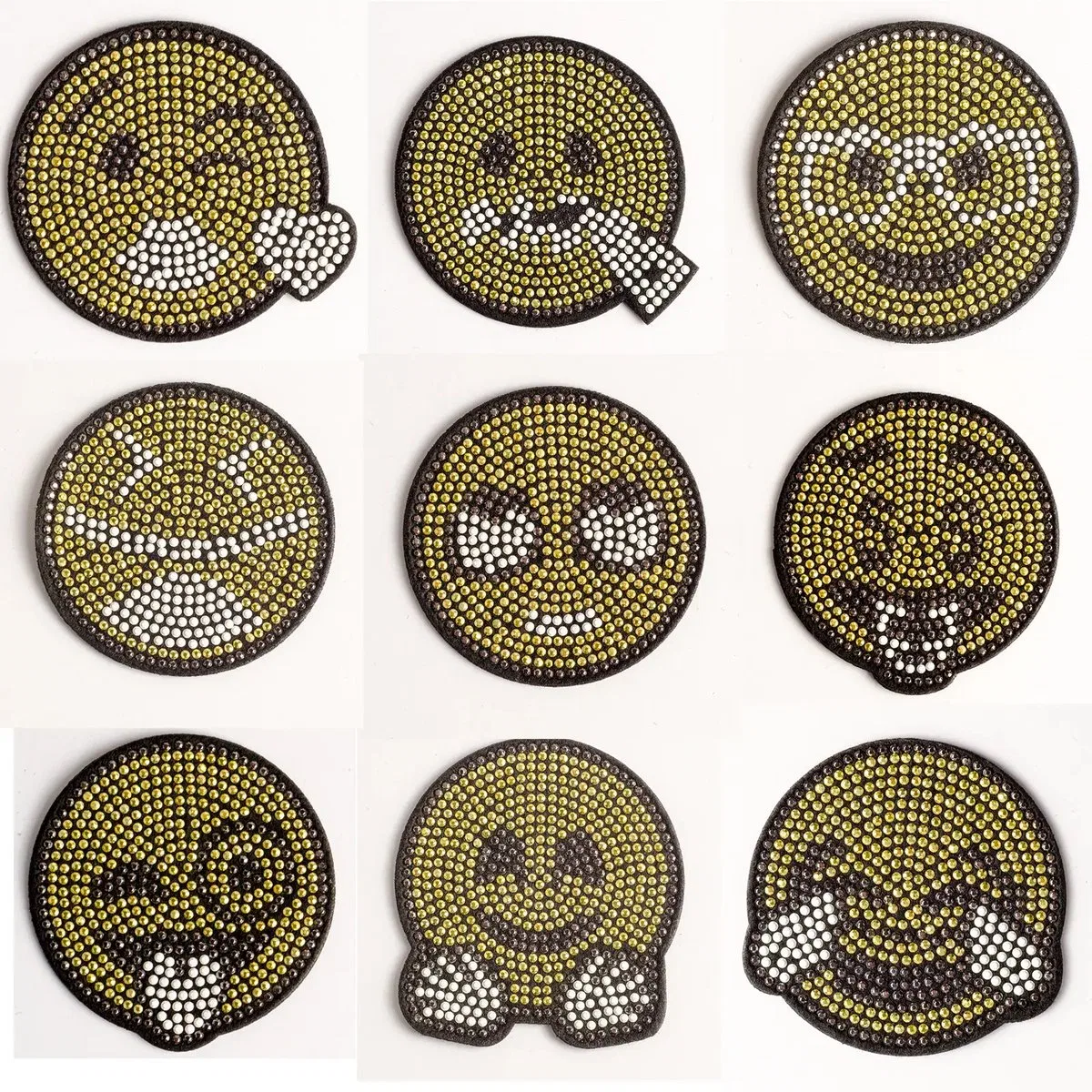
Do not rely on an email subject or customer name alone. A stable reseller reference connects the buyer, artwork version, SKU and shipment.
Your permanent internal reference.
The exact approved production file.
Name, company, phone and full address.
Requested arrival date and event context.
Slip, insert, label and return details.
Who resolves an address or delivery issue.
State whether the order needs a neutral packing slip, reseller-supplied insert, product labels, application guide or no paperwork.
Confirm permitted sender details, required consignee data and any order reference that should appear on the shipping label.
Custom retail packs, branded backing cards, barcodes and kitting require separate review, artwork and pricing.
Keep recipient, street, unit, city, region, postal code, country and phone number in separate fields. Preserve the customer's original characters where the carrier supports them.
Late address edits can disconnect labels from packed goods. Route any change through the same order reference and require a written acknowledgement.
Inputs logged.
Artwork review.
Version frozen.
Order underway.
Destination matched.
Tracking returned.
Pause the affected line and return the exact question to the reseller.
Confirm an alternate product or revised date before substitution.
Keep the parcel linked to its order while corrected data is obtained.
Share the carrier event and action required with the named contact.
Rhinestone DMC · Listed MOQ 50
Open product record →Rhinestone DMC · Listed MOQ 50
Open product record →High-quality Embroidery Thread · Listed MOQ 100
Open product record →TPU and Fabric · Listed MOQ 100
Open product record →Rhinestone and felt fabric · Listed MOQ 100
Open product record →Rhinestone DMC · Listed MOQ 50
Open product record →Use the confirmed quotation and order record as the final scope for each destination.
Blind shipping means the dispatch presentation follows the reseller-approved sender, paperwork and packing instructions. Confirm the exact service scope on each quotation before promising it to a customer.
Direct dispatch depends on the product, order quantity, destination, packing request and approved delivery method. Submit the destination and presentation requirements with the RFQ.
Provide the approved sender name, return-address instruction and any packing-slip content. The confirmed order record should state which details will appear on each document and label.
Use a unique reseller order number, artwork revision, product code, quantity and destination for every shipment. Avoid combining changes through informal messages.
Yes, but stock availability and custom production have different scheduling inputs. Keep them as separate lines so dispatch dates and approvals remain clear.
Send the transfer type, artwork, size, quantity, garment use, destination, requested arrival date, packing-slip instruction and packaging requirements.
Send the product type, artwork, quantity, pack presentation and first delivery destination.