


Heat seal
Efficient factory attachment after fabric-specific validation.
An embroidered garment badge combines thread artwork with an attachment engineered for the receiving textile. Compare heat seal, low-melt, pressure-sensitive and sew-on routes for T-shirts, uniforms, outerwear and promotional apparel.
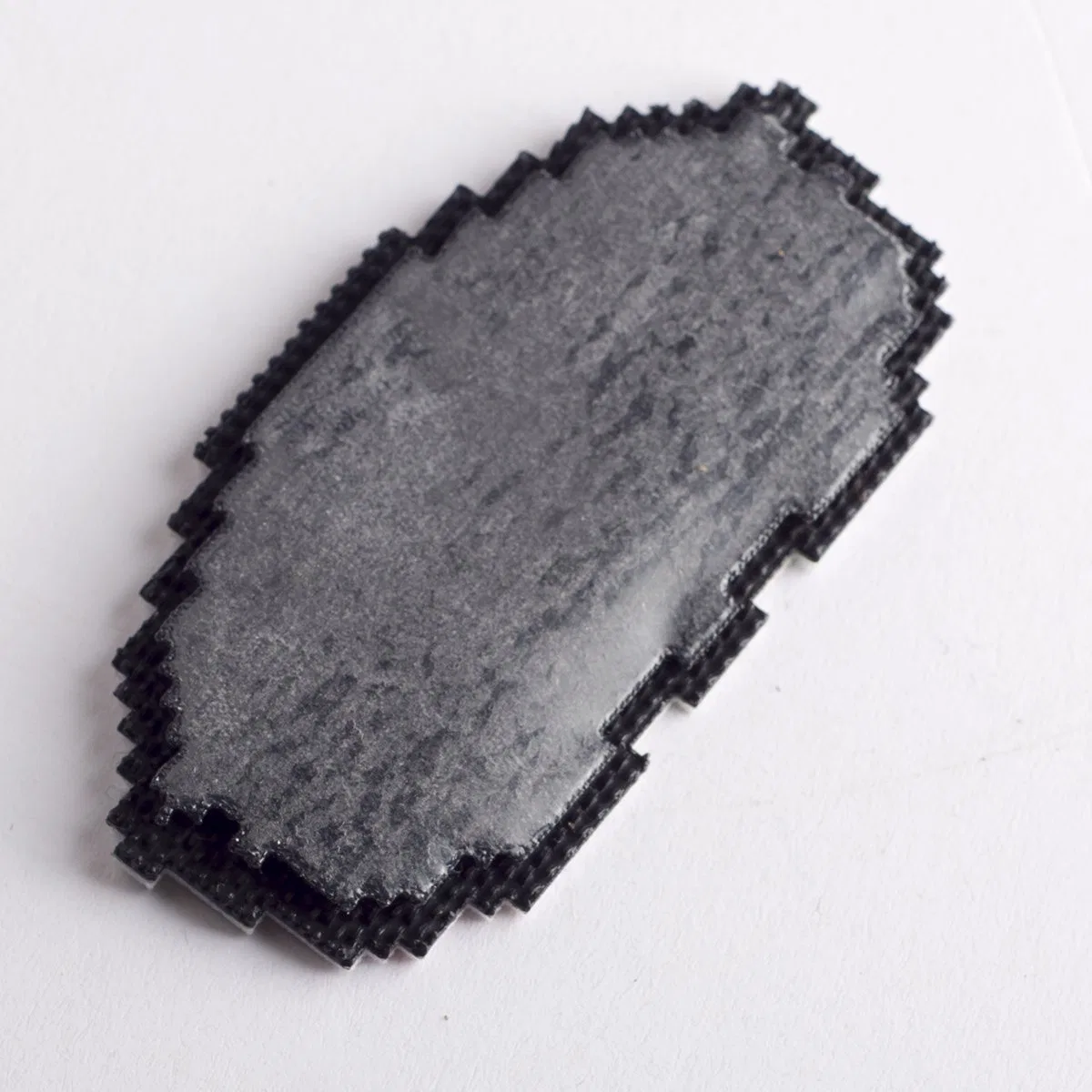
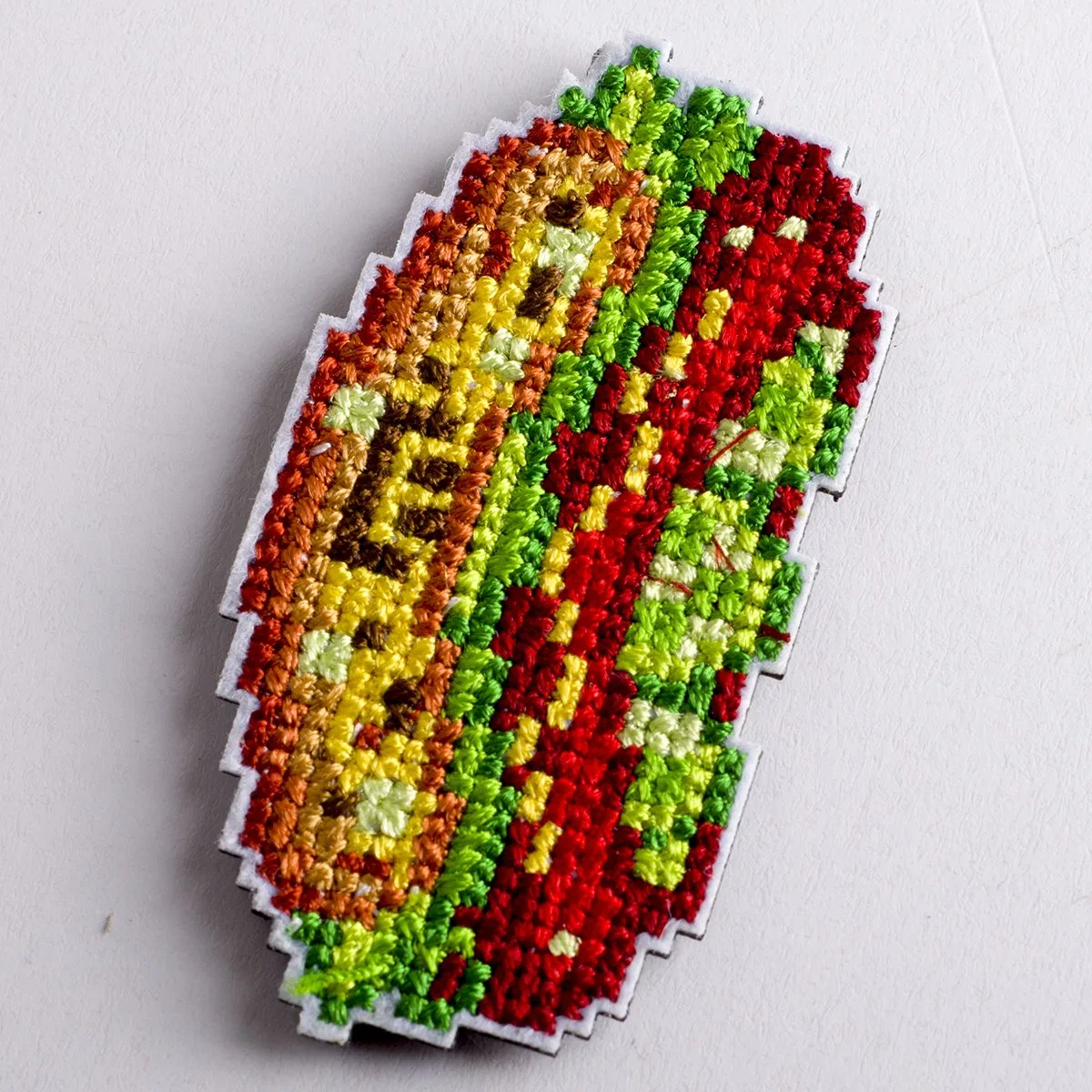
The same embroidered face can behave differently with another backing. Name the complete stack in the quotation and approval sample.
Efficient factory attachment after fabric-specific validation.
A lower-temperature route considered for heat-sensitive materials.
Positioning aid or defined-use adhesive; service expectation must be stated.
Mechanical attachment where needle access and construction permit.
Temperature, dwell, pressure, equipment and substrate work together. Values are issued only after the exact badge and fabric are tested.
Reference the centre front, placket, armhole or side seam; avoid vague “left chest” instructions.
Use a suitable platen and allow seam clearance for uniform pressure.
Check drape and skin-side reverse near the lower edge.
Account for insulation, waterproof layers, pockets and access from the reverse.
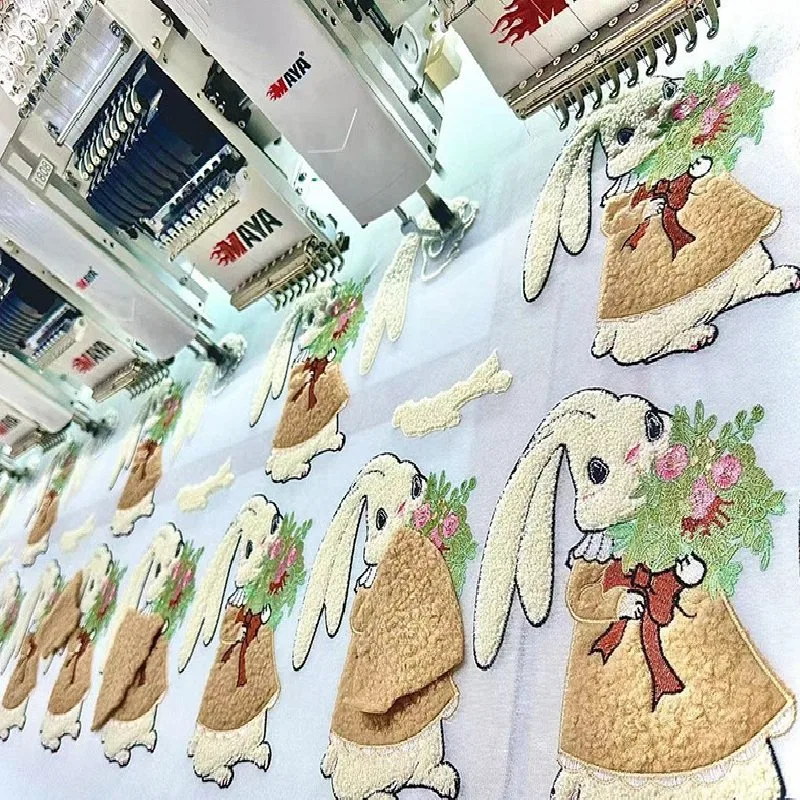
Fabric and finish.
Platen and insert.
Datum and direction.
Cover sheet if issued.
Validated window.
Undisturbed rest.
Bond and appearance.
Check contact, pressure distribution, seam interference, adhesive coverage and substrate compatibility.
Review heat, pressure, dwell, cover material and the sensitivity of the face fabric.
Inspect after a delay, identify disperse-dyed polyester and assess a suitable blocker or process.
Check uneven support, excessive heat, thread shrinkage and handling before cooling.
An embroidered T-shirt badge iron-on and a matching sew-on badge are separate constructions. Quote them as distinct versions even when the front artwork matches.
| Artwork version | Finished size and stitch file |
| Backing version | Heat seal, low melt, sticky, sew-on or hook and loop |
| Garment group | Fabric, colour, finish and placement |
| Order split | Quantity by size, colour and attachment |
| Pack plan | Counts, labels, assortments and destination |
| Approval route | Loose sample, applied sample and care trial |
The cards render active product names, codes, materials, MOQs and listed prices.
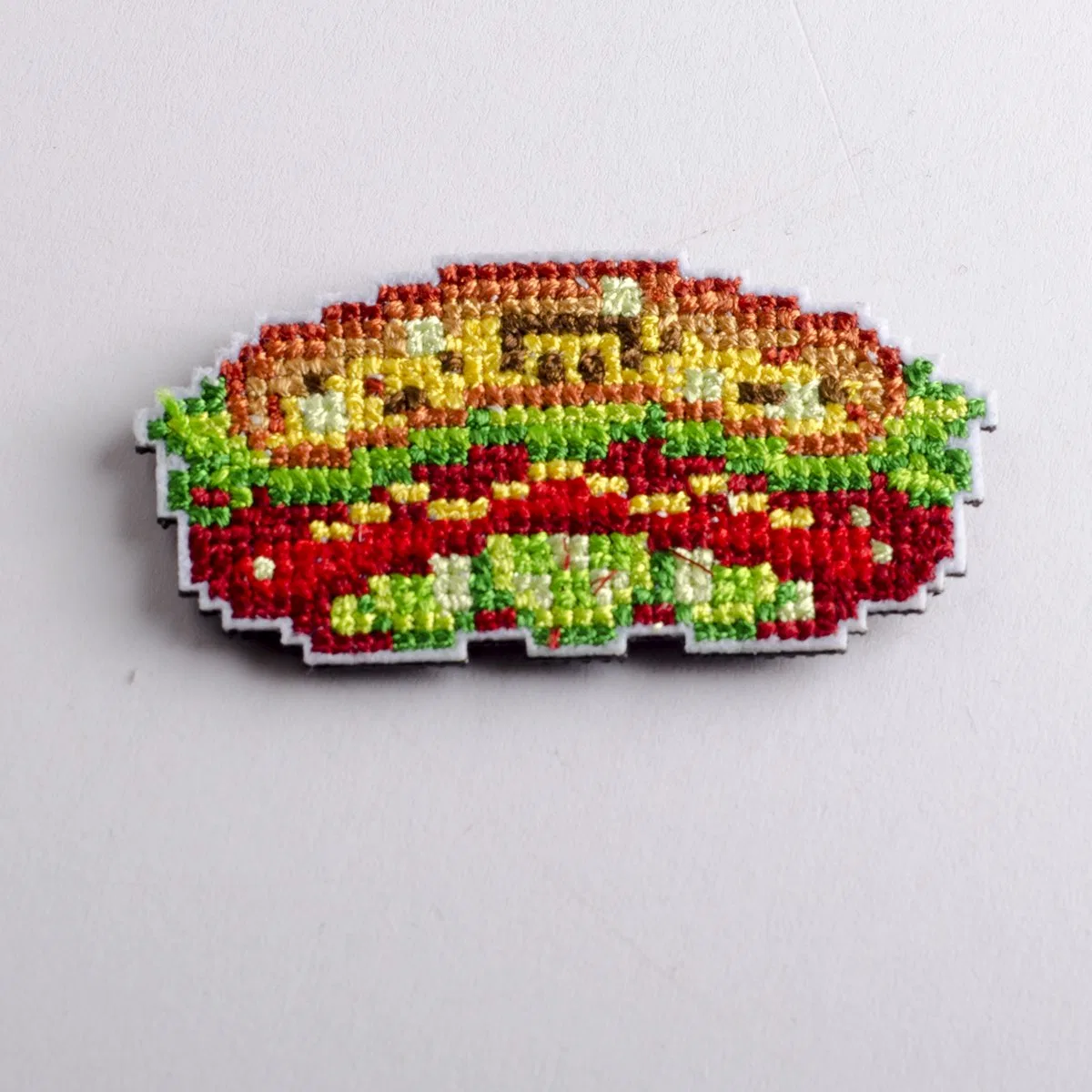
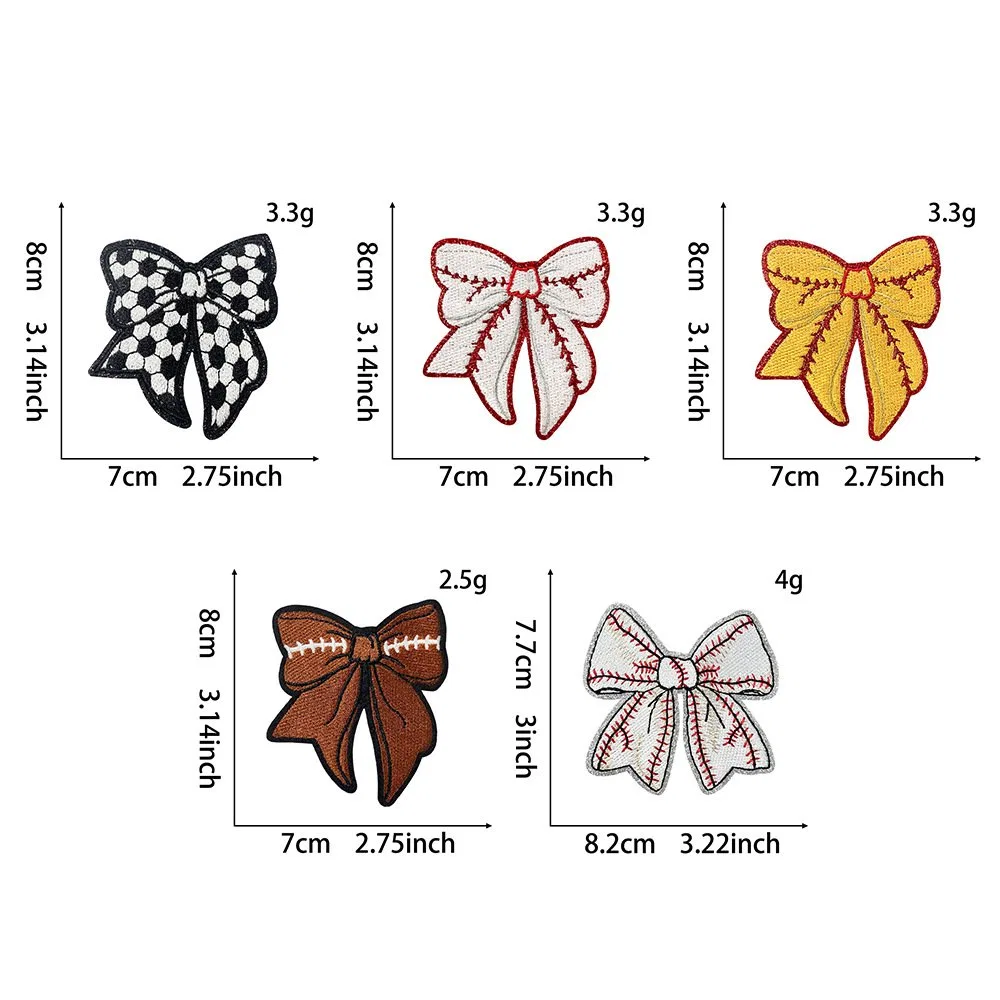
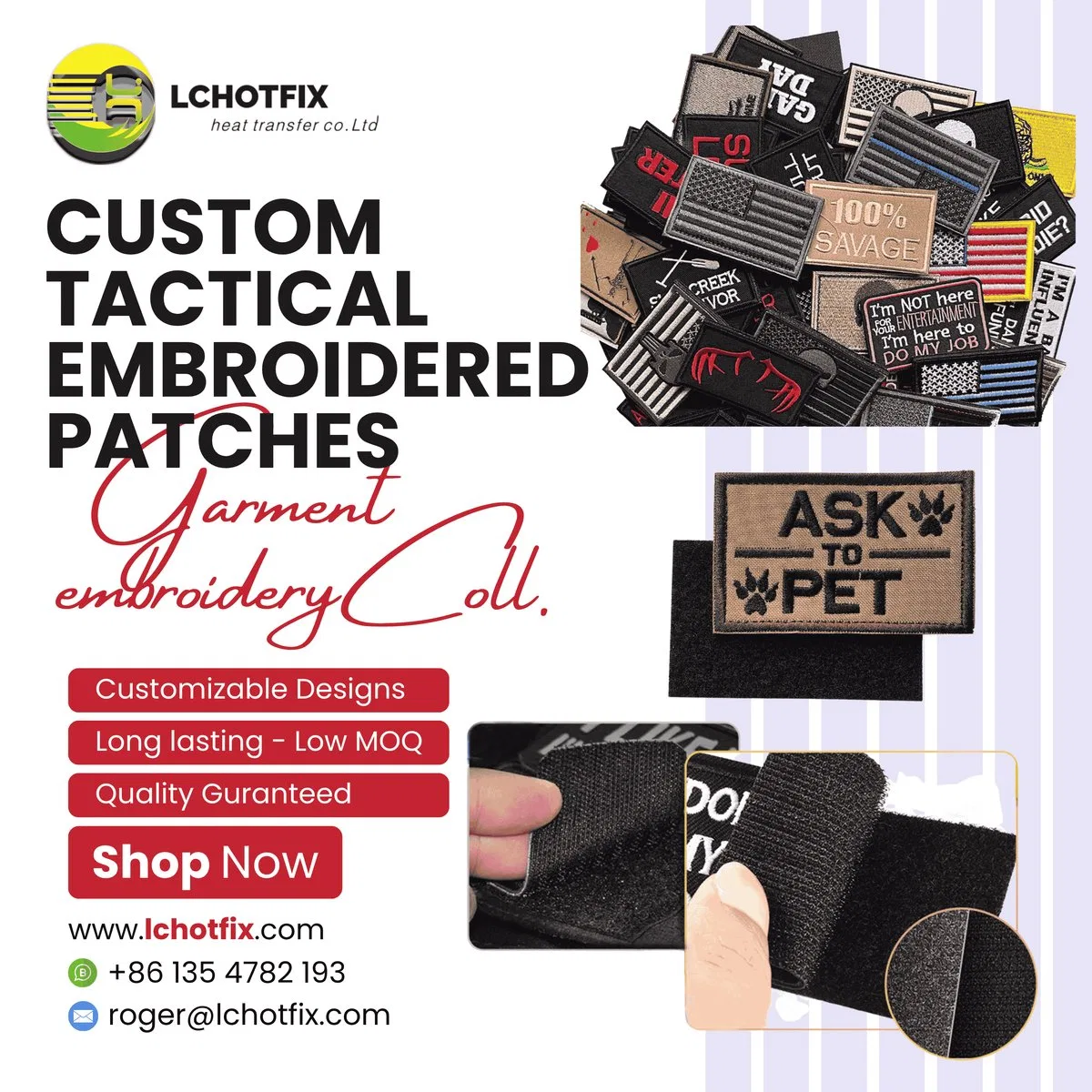
A badge can meet its loose-part specification and still fail the garment. Retain both references with the production instruction.
Dimensions, colour, stitching, border and backing.
Placement, bond, garment appearance and hand.
Agreed method, cycles, observations and acceptance.
Equipment, settings, operator, garment lot and inspection.
Both terms can describe heat-activated backing, but the actual adhesive and application window matter. Request the supplier instruction and validate it on the production fabric rather than relying on the sales term.
A lower-temperature proposal may help with heat-sensitive fabrics, but bond and fabric appearance must still be tested. “Low melt” does not guarantee suitability for every coated or dyed textile.
Pressure-sensitive backing can help positioning or selected applications. Clarify whether it is temporary or intended as the attachment, then test ageing, flex and care conditions for that use.
Possibly, but the badge itself can restrict stretch. Place it in a stable zone, define stretch direction and compare appearance and bond before and after extension and care trials.
Use production-equivalent fabric, clean platens, suitable support and the minimum validated application window. Inspect immediately and after cooling; some surface changes relax while others remain.
Keep the coded physical badge, applied garment sample, artwork and stitch-file revision, backing identity, application instruction, quality tolerances and packing specification together.
Send artwork, fabric, placement, attachment preference, quantities, packing and delivery point.