


Raised stitch identity
Thread sits on a base and creates visible stitch direction and dimension.
Embroidered vs woven labels and printed labels solve different identity needs. Compare texture, minimum detail, colour behaviour, thickness, edge finish, fold, placement and care at the actual label size.
Thread sits on a base and creates visible stitch direction and dimension.
Warp and weft form a flatter label with fine woven information.
Printing carries small text, complex colour and variable care content.
Logo files viewed on screen can hide lost counters, merged lines and hard edges. Approve a physical version with the real fold and seam allowance.
| Review | Question |
|---|---|
| Text | Are small letters open and readable? |
| Texture | Does the hand fit skin contact and garment value? |
| Back | Will floats, coating or ink contact the wearer? |
| Edge | Is the cut soft, sealed and dimensionally stable? |
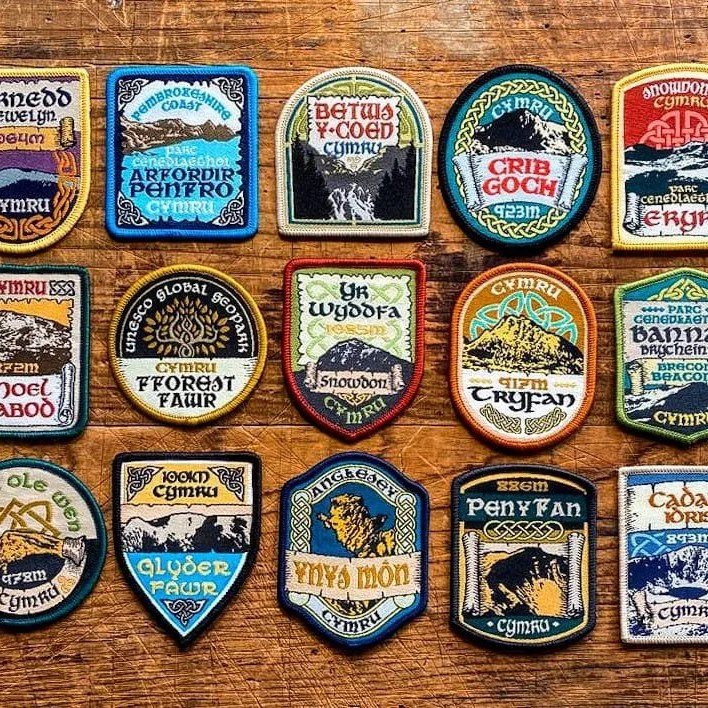
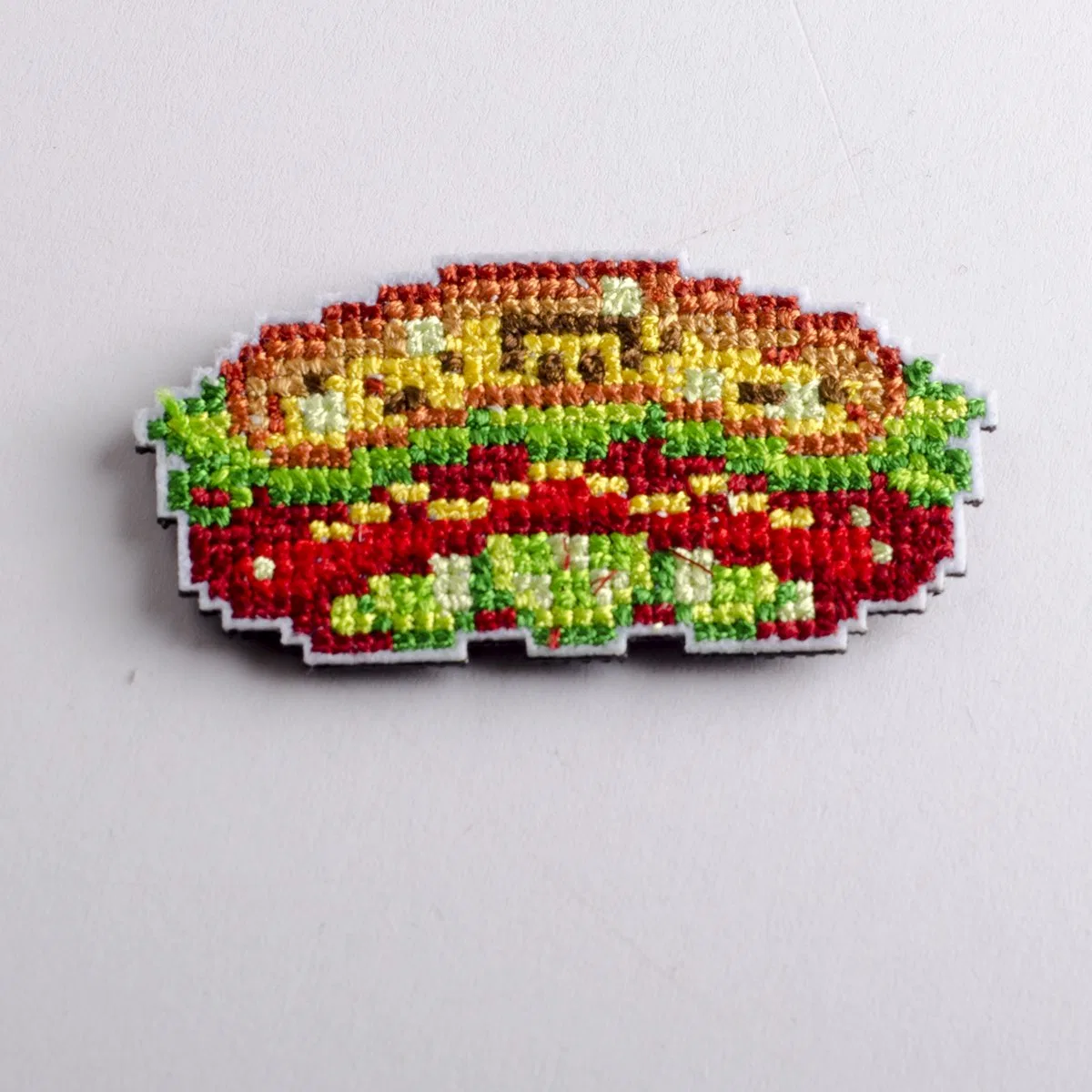
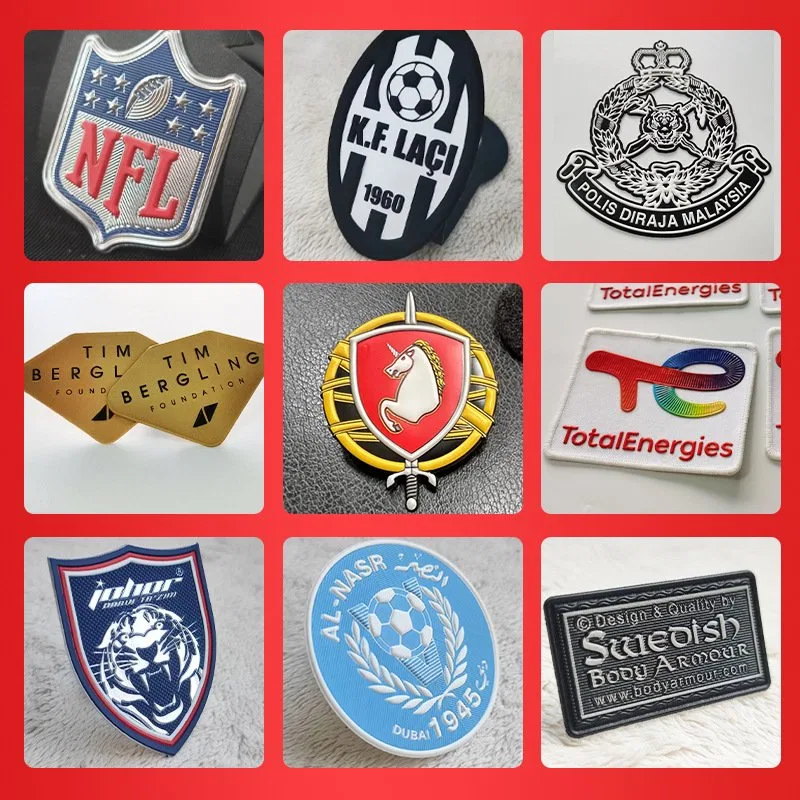
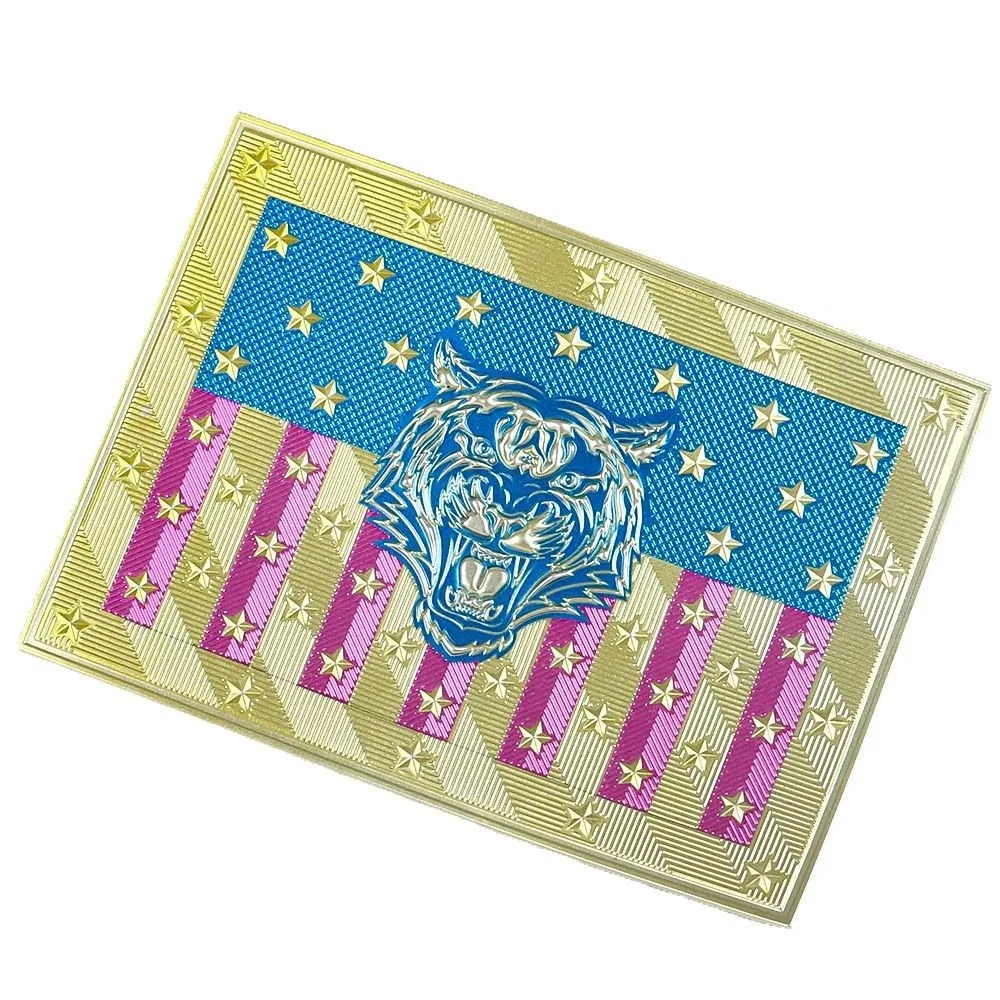
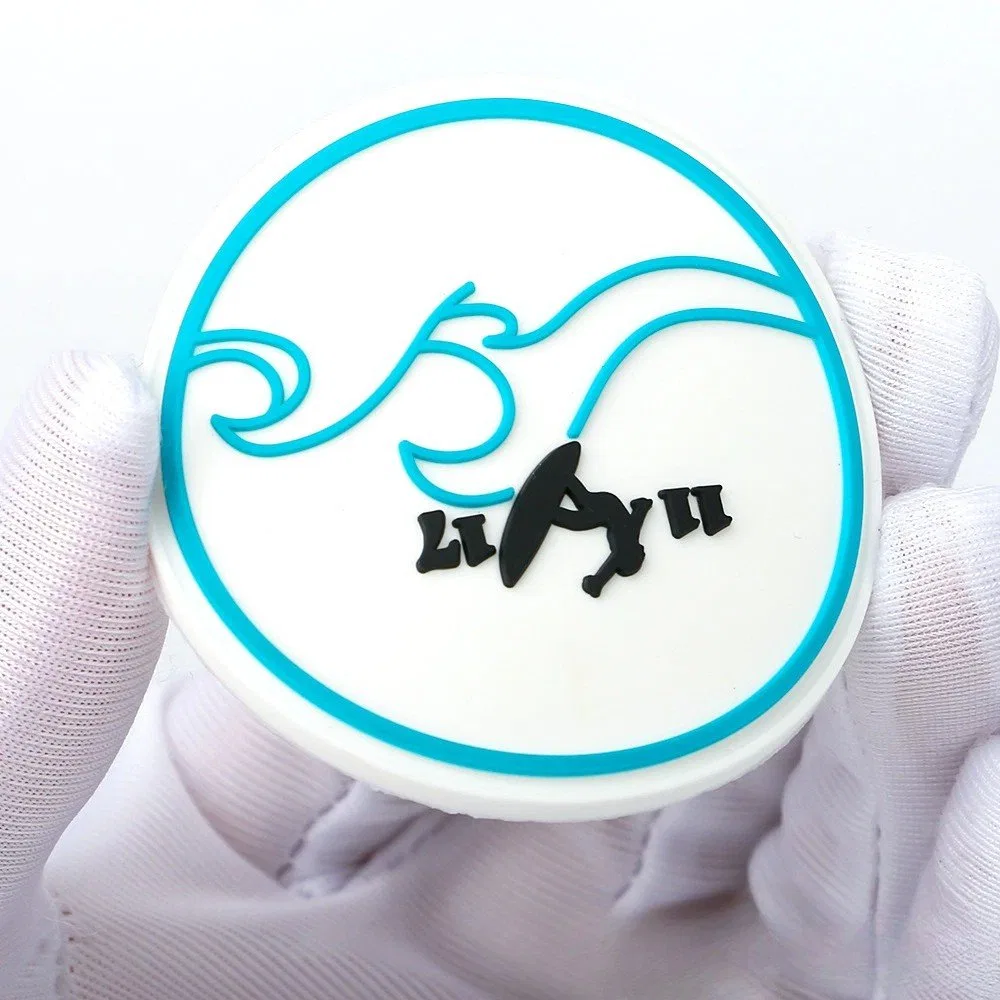
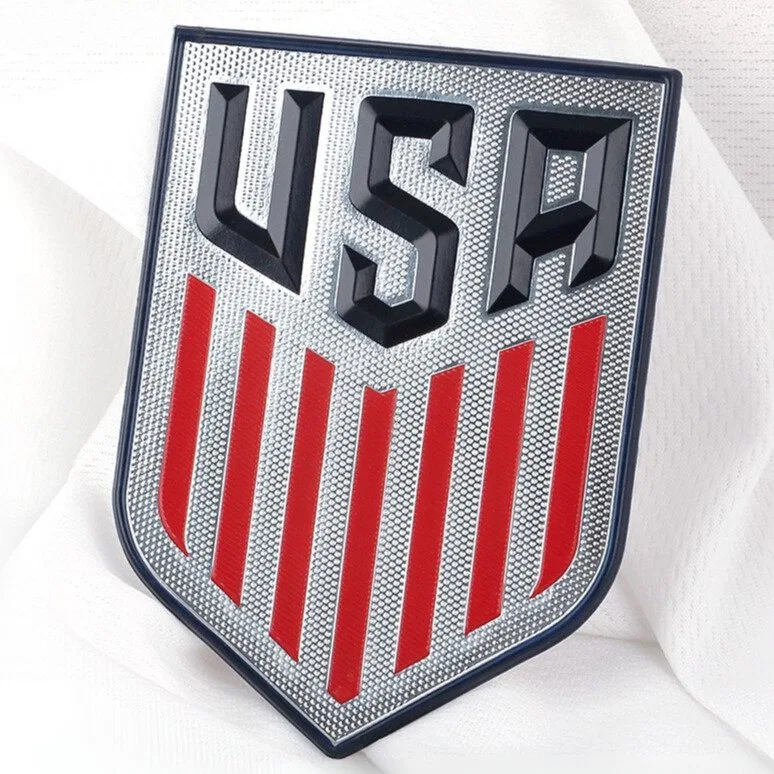
Flat piece with controlled edge.
Ends turn into the seam.
Two reading faces or loop.
Angled tabs for seam insertion.
Custom perimeter and edge control.
Care and fibre text may need a different base, ink or format than the primary brand label.
Skin contact, seam method and brand visibility.
Care data, fold direction and bulk.
External flag, abrasion and orientation.
Fabric response, placement fixture and bond.
Revision, size and layout.
Base, yarn, ink and density.
Cut, fold, coating and sewing zone.
Care method and acceptance result.
High-quality Embroidery Thread · MOQ 100
Thread · MOQ 100
TPU and PU · MOQ 100
TPU and Fabric · MOQ 100
silicone and rubber · MOQ 100
TPU and Silicone · MOQ 100
Embroidery places stitches onto a base, while woven labels build the design into the fabric structure. The visible detail, thickness, edge and hand feel differ.
Printing can suit small text, gradients, care information and photographic detail when the ink, base material and care performance meet the programme.
Finished size, type weight, weave or print resolution and colour contrast matter. Request a true-size sample with the smallest required text.
Common configurations include straight cut, end fold, centre fold, loop fold and mitre fold. The seam allowance and reading direction must be shown on artwork.
Name colour references, review material effects, and approve a physical sample under agreed lighting.
Include finished and cut size, construction, yarn or base, colours, edge, fold, seam allowance, placement, quantities and care requirements.
Send artwork, dimensions, placement, fold, fabric, quantities and care requirements.