


Protect stones, relief, print and carrier.
Carton engineering plan
Export Packing Guide for Transfers & Patches
export packing transfers buyers need a controlled, practical decision process. Good export packing keeps the approved product flat, dry, countable and traceable through handling. Design the unit pack, inner pack and carton around the product and route.
Protection layers
Build the pack from product outward
Control count and prevent rubbing.
Separate versions and identify them.
Control compression, movement and marks.
Transfer flatness
Prevent curl, crease and carrier damage
Use suitable stiffness for transfer size.
Protect adhesive and decorated faces.
Avoid excessive weight on lower pieces.
Preserve carrier edges for application.
Moisture control
Match barriers and storage to route risk
Pack after required conditioning.
Select a suitable inner bag or wrap.
Use only when specified and contained.
State humidity and stacking controls.
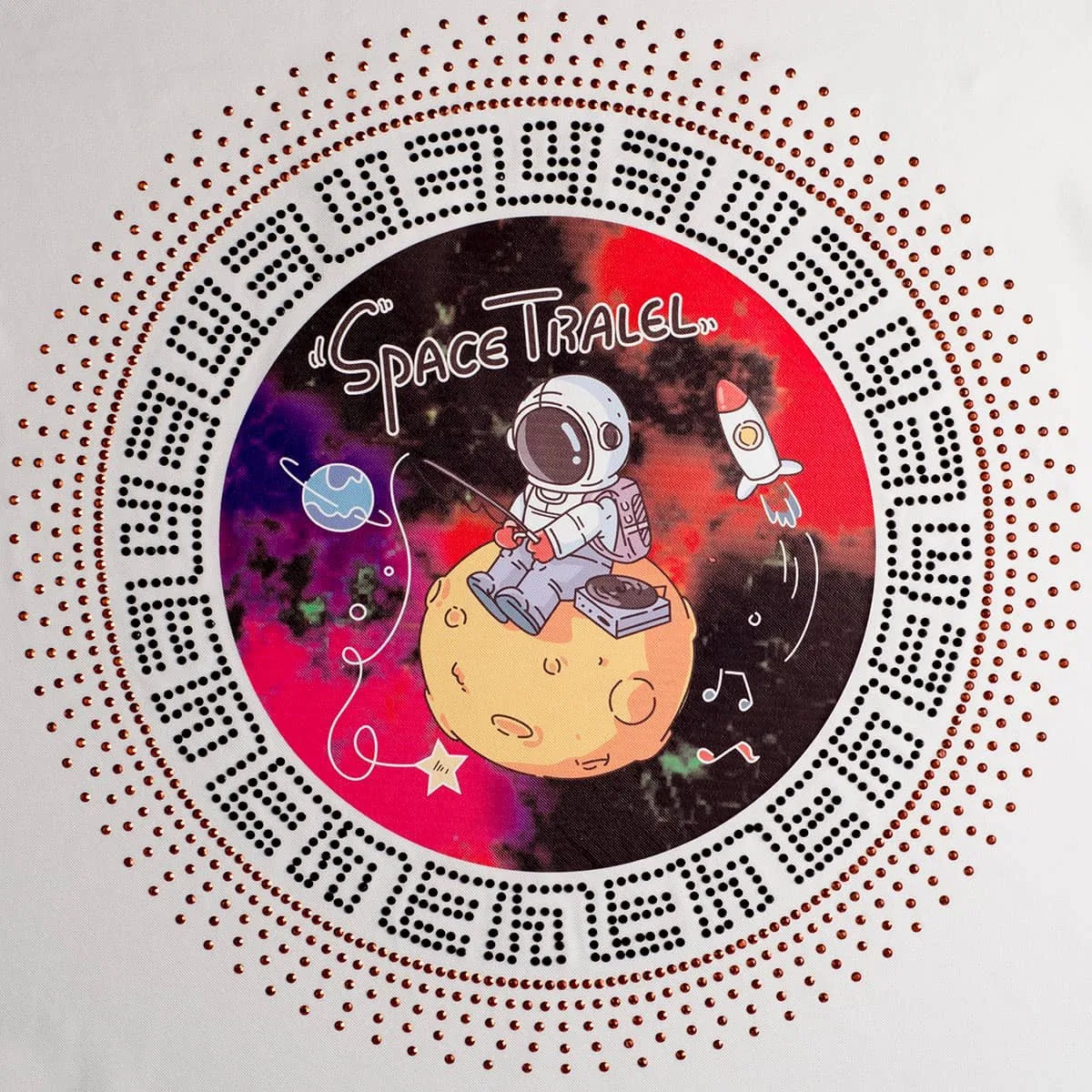
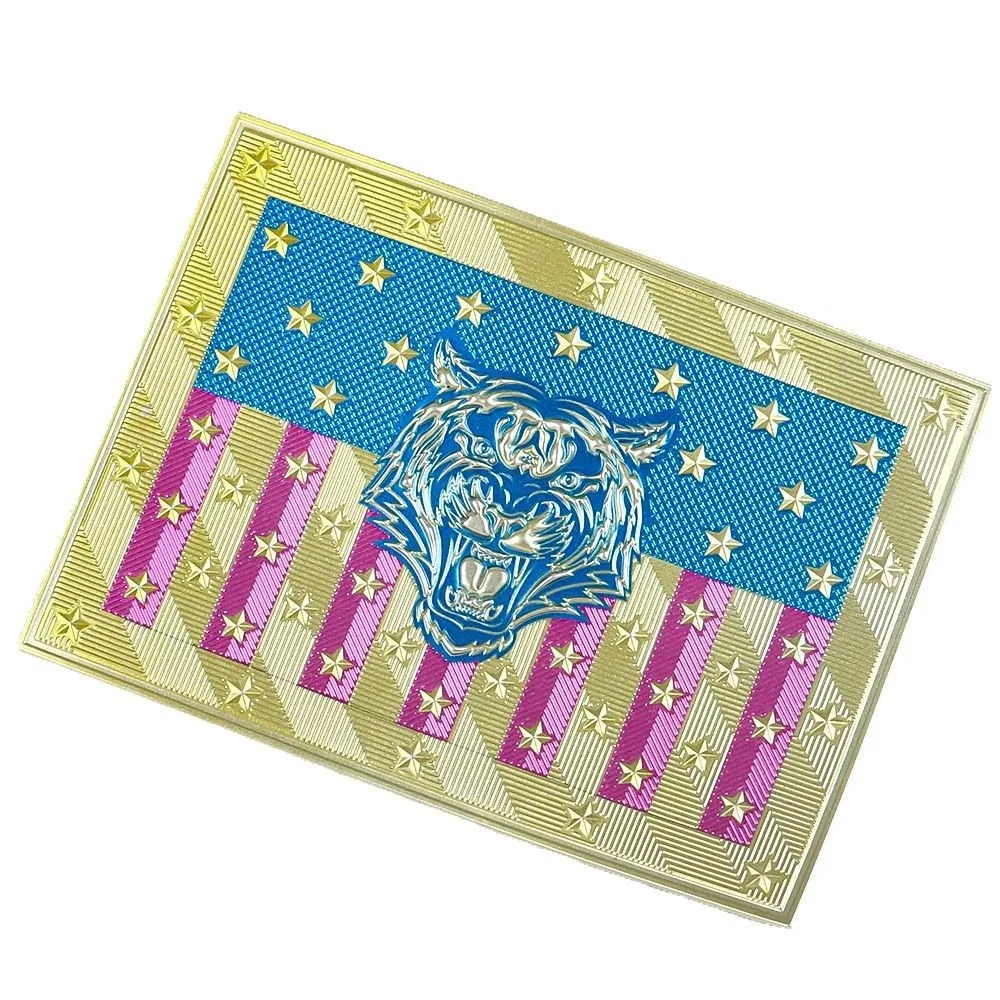
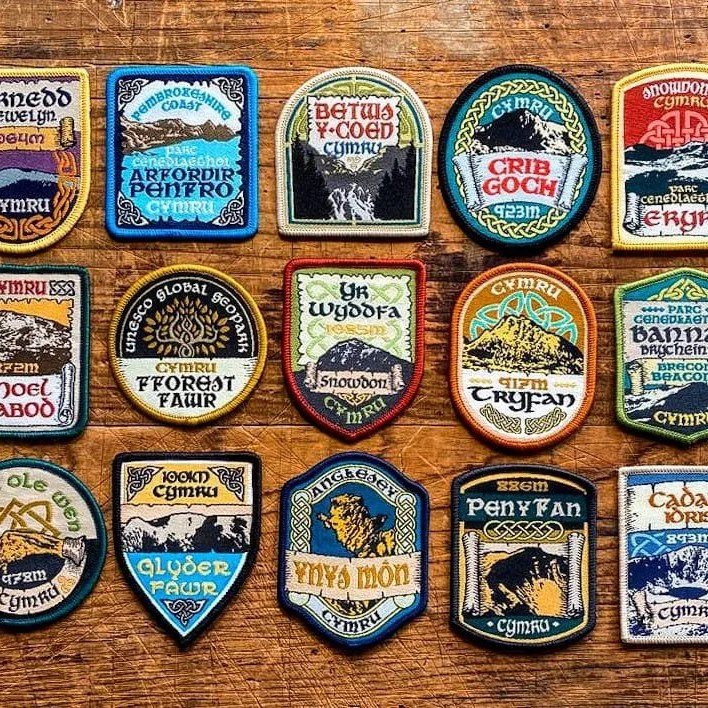
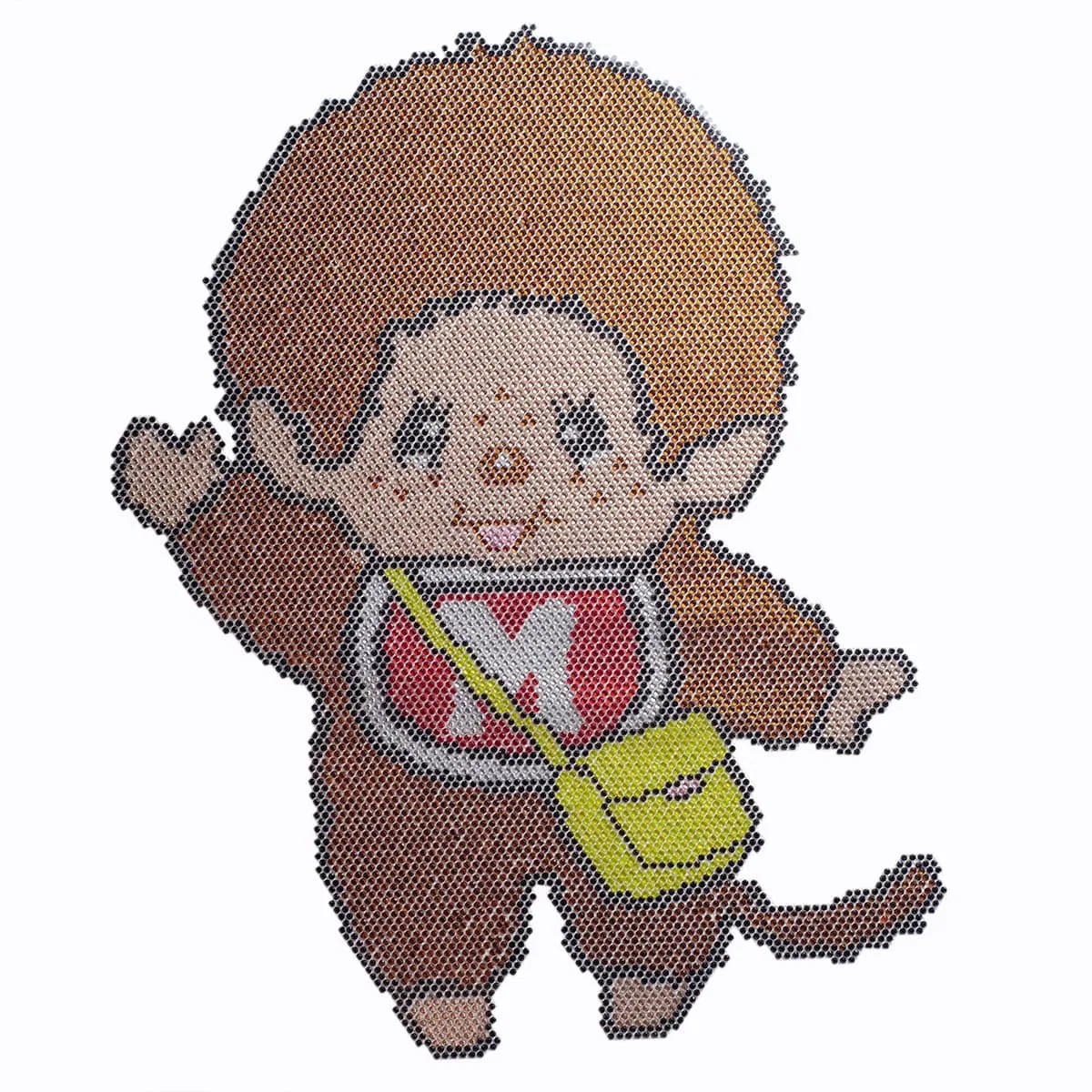
Packable references
Different constructions need different protection


Carton marks
Identify each carton without opening it
Buyer and order reference.
SKU, artwork, colour and size.
Units, inners and carton sequence.
Orientation or moisture marks if required.
Count audit
Reconcile product, inner and carton totals
Verify unit count by version.
Seal and label each inner pack.
Record inners and gross carton weight.
Match packing list to carton sequence.
Route review
Match the pack to handling and destination
| Courier or air | Chargeable weight, handling and flatness |
|---|---|
| Sea freight | Moisture, consolidation and stacking |
| Warehouse | Storage duration and carton limits |
| Final delivery | Receiving labels and carton sequence |
Current product records
Related catalogue products for this buying decision
Rhinestone and Printed Heat Transfer
Rhinestone DMC · MOQ 50
View product →Custom TPU Heat Transfer Labels for Clothing
TPU and Fabric · MOQ 100
View product →Custom Embroidered Fabric Patches for Apparel and Bags
High-quality Embroidery Thread · MOQ 100
View product →Custom 3D TPU Rubber Logo Patches and Badges
TPU · MOQ 100
View product →Custom Hotfix Rhinestone Transfers for T-Shirts
Rhinestone DMC · MOQ 50
View product →Butterfly Rhinestone Iron-on Patch
Rhinestone and Felt fabric · MOQ 100
View product →How should heat transfers be packed for shipping?
Keep them flat, separate decorated or adhesive surfaces, protect carrier edges and identify every bundle by version and count.
Do transfers need moisture protection?
The need depends on material, adhesive, climate, storage and route. Agree the method in the packing specification.
What should appear on an export carton?
Use PO, item, version, quantity, carton sequence, destination and required handling marks.
How are patches protected from rubbing?
Use separation, controlled bundle size and inner packing so raised or coated faces do not abrade each other.
What belongs on a packing list?
Record carton number, item, version quantities, net and gross weight, dimensions and totals.
When should packing be approved?
Approve it with the product sample when presentation, carrier flatness or export risk matters.
Design packing around the product and route
Send item sizes, quantities, unit presentation, destination, freight mode and carton-mark requirements.