


Construction route
Compare embroidered, moulded, transfer and decorative options against the design.
A garment decoration factory for sourcing agents should make technical comparisons, approvals and shipment records easy to relay. Source patches, labels and transfers through one coded brief with transparent product references.



Compare embroidered, moulded, transfer and decorative options against the design.
Define whether the component ships loose, heat applied, sewn or assembled elsewhere.
Set samples, measurable requirements, inspection and packing records.

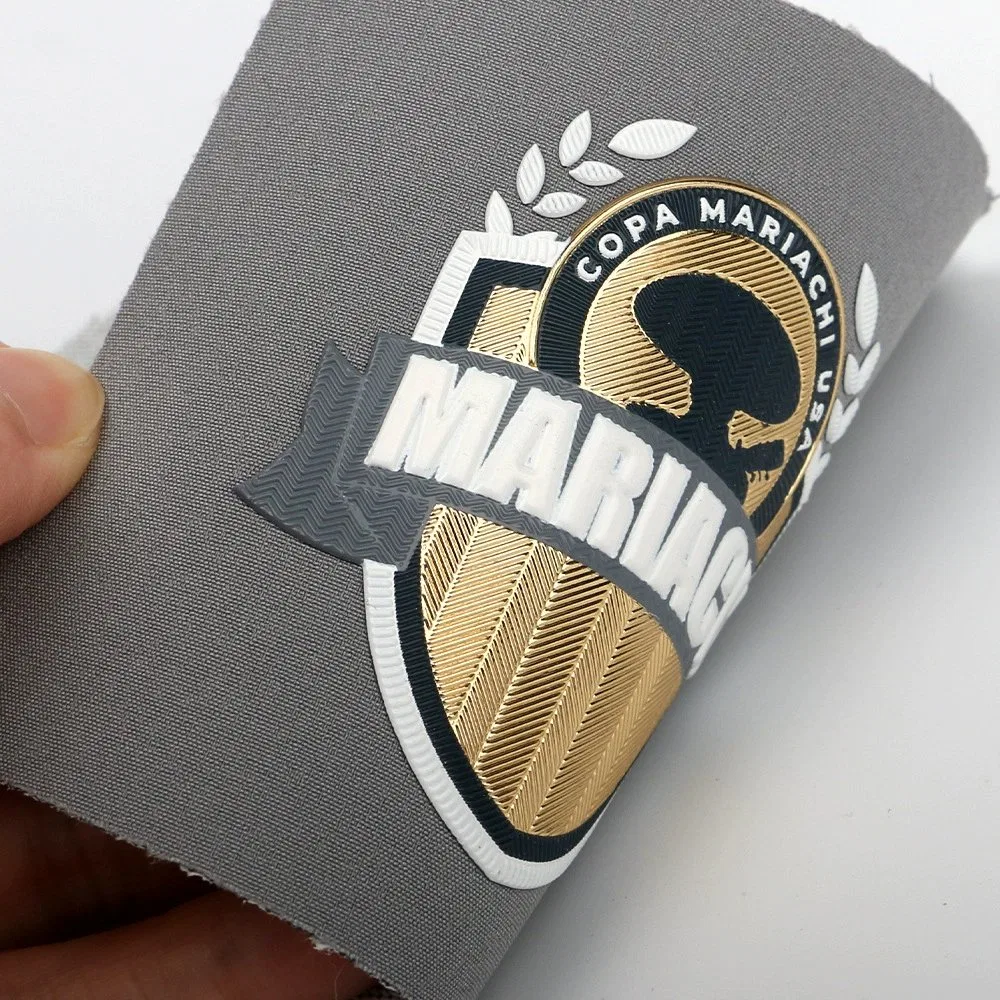
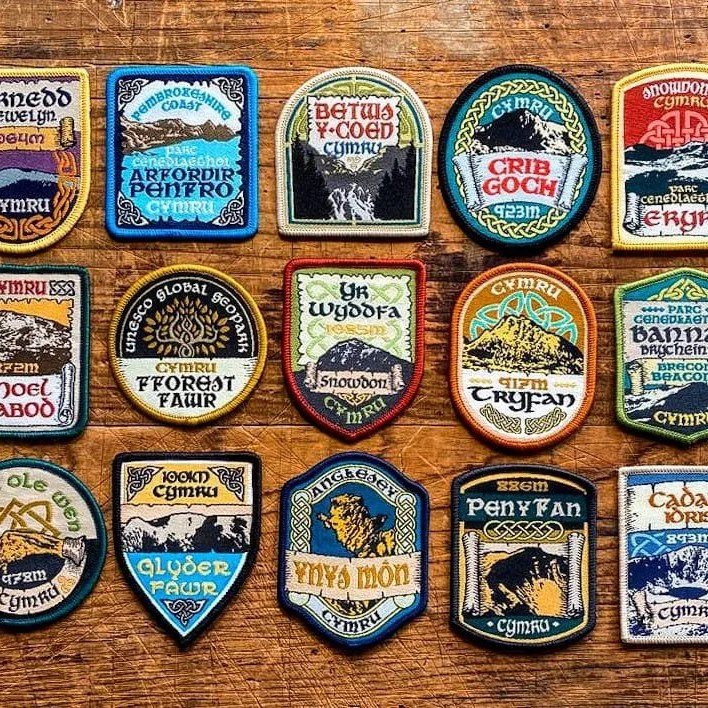
Named construction and finish.
Finished dimensions and tolerance.
Artwork, mould or sampling line.
MOQ and quoted production level.
Milestones and shipping basis.
Scale, layers, colours and attachment.
Construction and visual standard.
Receiving garment compatibility.
Dated approval and authorized changes.
Dimensions, colours, relief, edge, attachment and pack counts should follow the agreed item specification.
Use a dated revision number and list the affected field, old instruction and new authorized instruction.
Buyer code, version and count.
Destination and sequence.
Quantity by item and carton.
Agreed names, references and copies.
TPU · MOQ 100
Open product record →High-quality Embroidery Thread · MOQ 100
Open product record →TPU and Fabric · MOQ 100
Open product record →TPU and Silicone Leather · MOQ 100
Open product record →silicone and rubber · MOQ 100
Open product record →Rhinestone DMC · MOQ 50
Open product record →Provide the product type, artwork, dimensions, materials, quantity, target use, receiving garment, quality requirements, packing and required date.
Project codes, item references and neutral documentation requirements can be discussed during quoting. State exactly which names and references should appear.
Approve a coded physical sample and a written specification. The production order should cite both and identify any authorized changes.
Consolidation requirements must be planned by item, readiness date, carton labels, documents and destination. Compatibility of packing and schedules should be confirmed.
The agreed inspection should reflect measurable product requirements such as dimensions, colour reference, appearance, attachment and packing count.
Issue a dated revision that identifies the affected item and changed field. Avoid replacing an entire brief without a visible change record.
Include artwork, specification, quantity, approval route, packing and required date.