


Mechanical wear
Record abrasion, flexing, snagging and repeated handling at the placement.
A workwear branding supplier should evaluate the industrial workwear logo against the actual textile, placement and care process. Plan PPE branding labels and reflective workwear transfers as documented components, separate from any certified protective material.
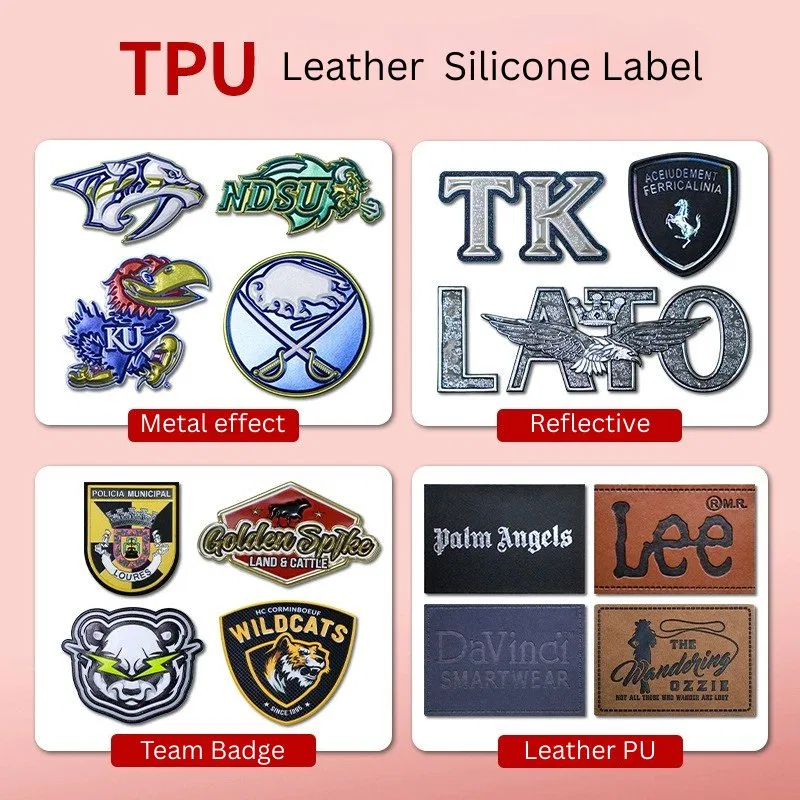

Record abrasion, flexing, snagging and repeated handling at the placement.
State wash temperature, chemistry, drying and expected service cycle.
Identify moisture, dirt, oils, sunlight and temperature conditions.
Stable surface and finish.
Extension and recovery.
Coating and heat response.
Pressure and loft control.
Glove, bag or helmet context.

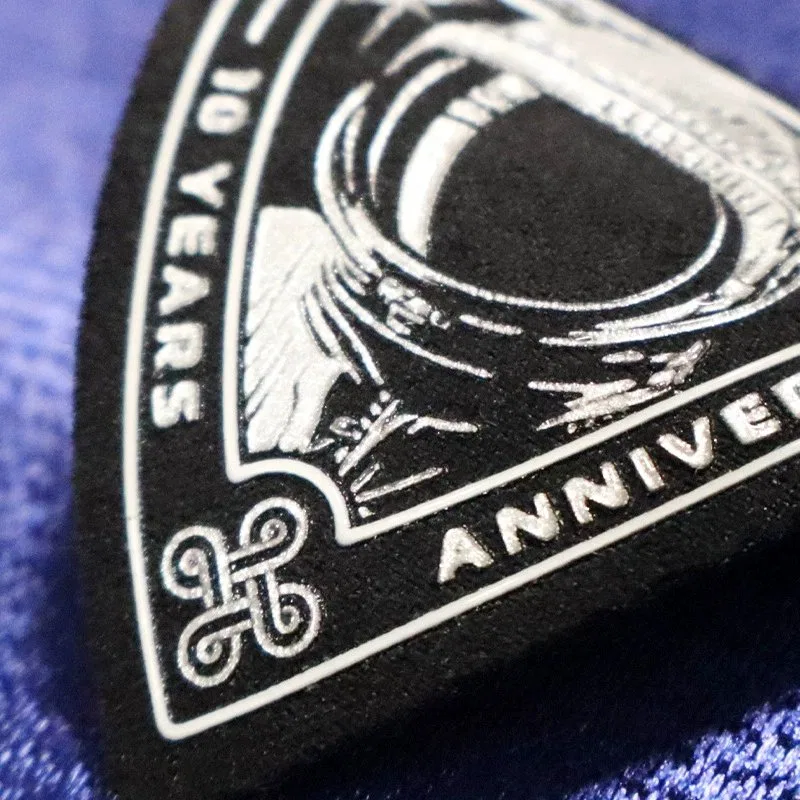

Colour and contrast.
Visible logo hierarchy.
Reflective response.
Surface and edge condition.
Exact fabric, finish and colour.
Equipment, time, temperature and pressure.
Agreed wash, dry and exposure cycles.
Bond, edge, surface and appearance.
Logo, size, contrast and placement.
Bond and garment response.
Performance after agreed conditioning.
Reference code, tolerance and packing.
Maintain an item code for each logo size, construction and receiving garment. When a workwear brand changes its fabric mill, coating or panel design, flag the change before reordering so the application can be reviewed.
TPU and Silicone Leather · MOQ 100
View product →TPU and PVC · MOQ 100
View product →TPU Leather · MOQ 100
View product →Embroidery Thread + Full Polyester Hook & Loop (Velcro) · MOQ 100
View product →TPU · MOQ 100
View product →Thread · MOQ 100
View product →Brand decoration and certified protective components must be specified separately. Do not treat a logo label as compliance material unless the exact finished system has the required evidence.
Coated textiles, stretch panels, waterproof laminates, insulated garments and heat-sensitive finishes should be tested on the exact production fabric.
A combined construction may be reviewed. Contrast, reflectivity, relief, adhesive and fine-detail limits should be approved on a physical sample.
Provide the intended wash process, temperature, chemistry and cycle expectation. Testing should reproduce the buyer-agreed conditions on the finished garment.
Yes. Chest, sleeve, back, pocket and accessory placements can use distinct sizes or constructions, each with a controlled item code.
Reference the approved item, garment fabric, placement, quantity and delivery split. Identify any supplier or finish change to the receiving garment.
Include artwork, fabric, placement, care process, quantities and delivery schedule.