


Facet definition
Specify cut, backing, grade, size and finish.
Glass vs acrylic rhinestones should be compared through the finished decoration: facet response, weight, colour, surface finish, adhesive system and garment use all affect the result.
Specify cut, backing, grade, size and finish.
Specify moulded shape, coating, colour and application.
Cut geometry and consistency.
Reflective backing and coverage.
Body tone and coating.
Retail, stage or daylight.
Spacing across the artwork.

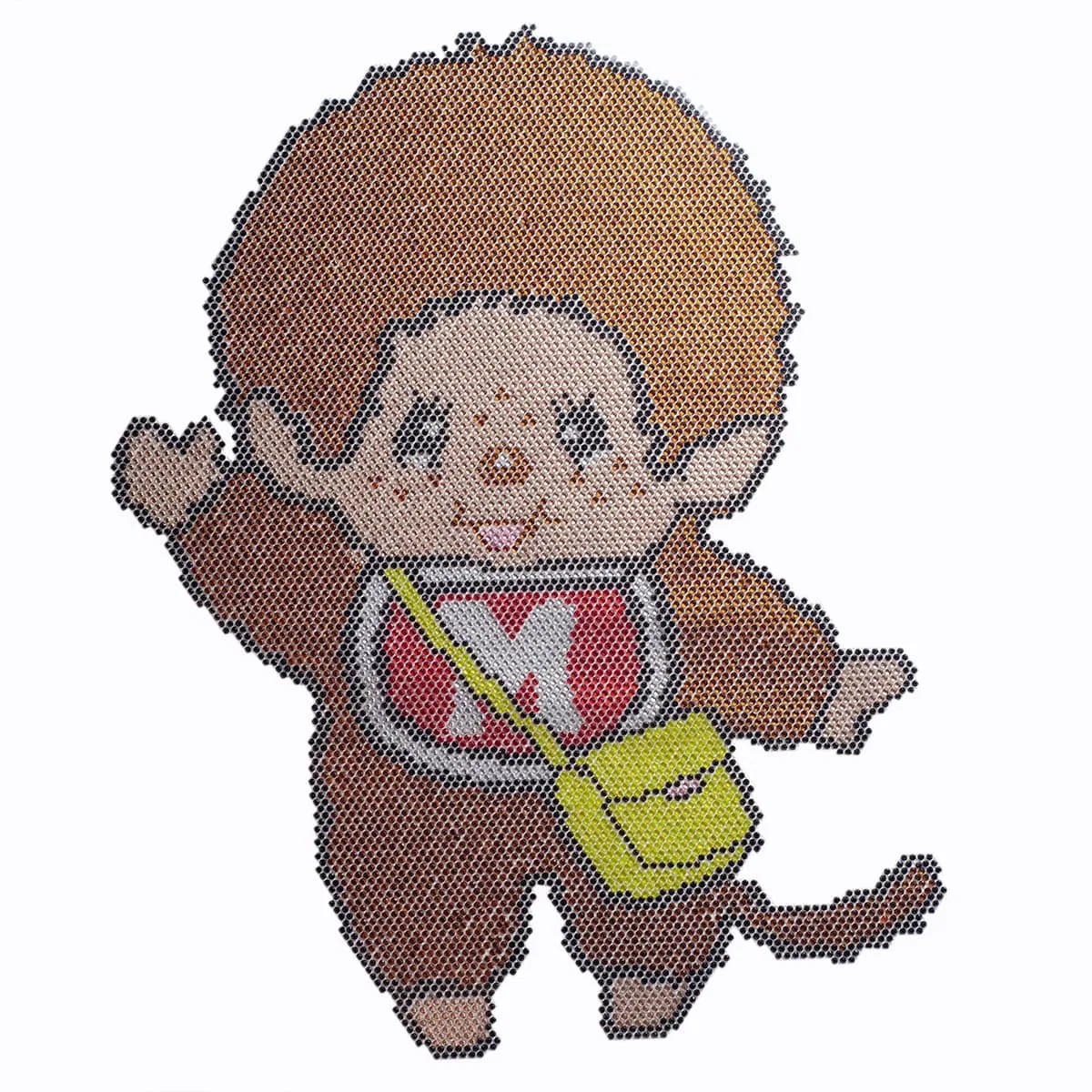
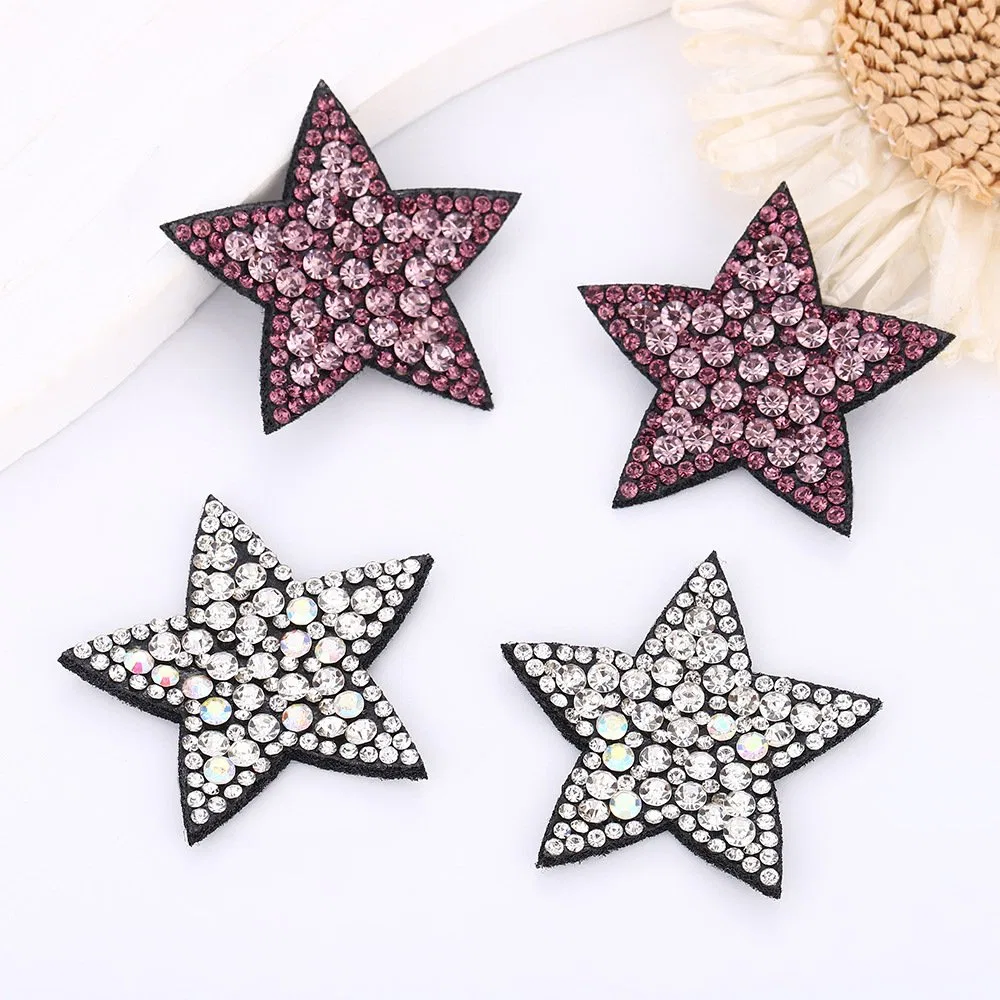
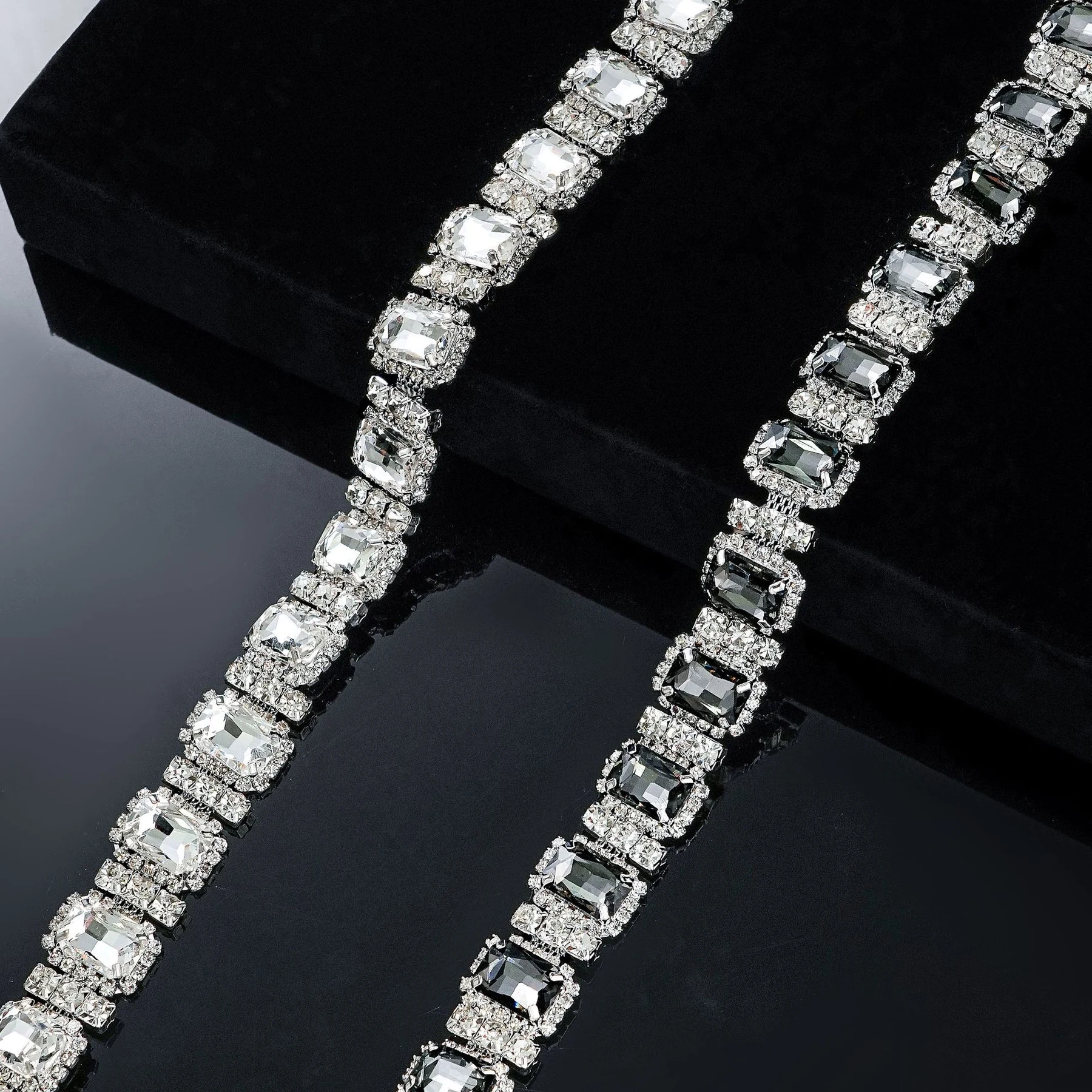
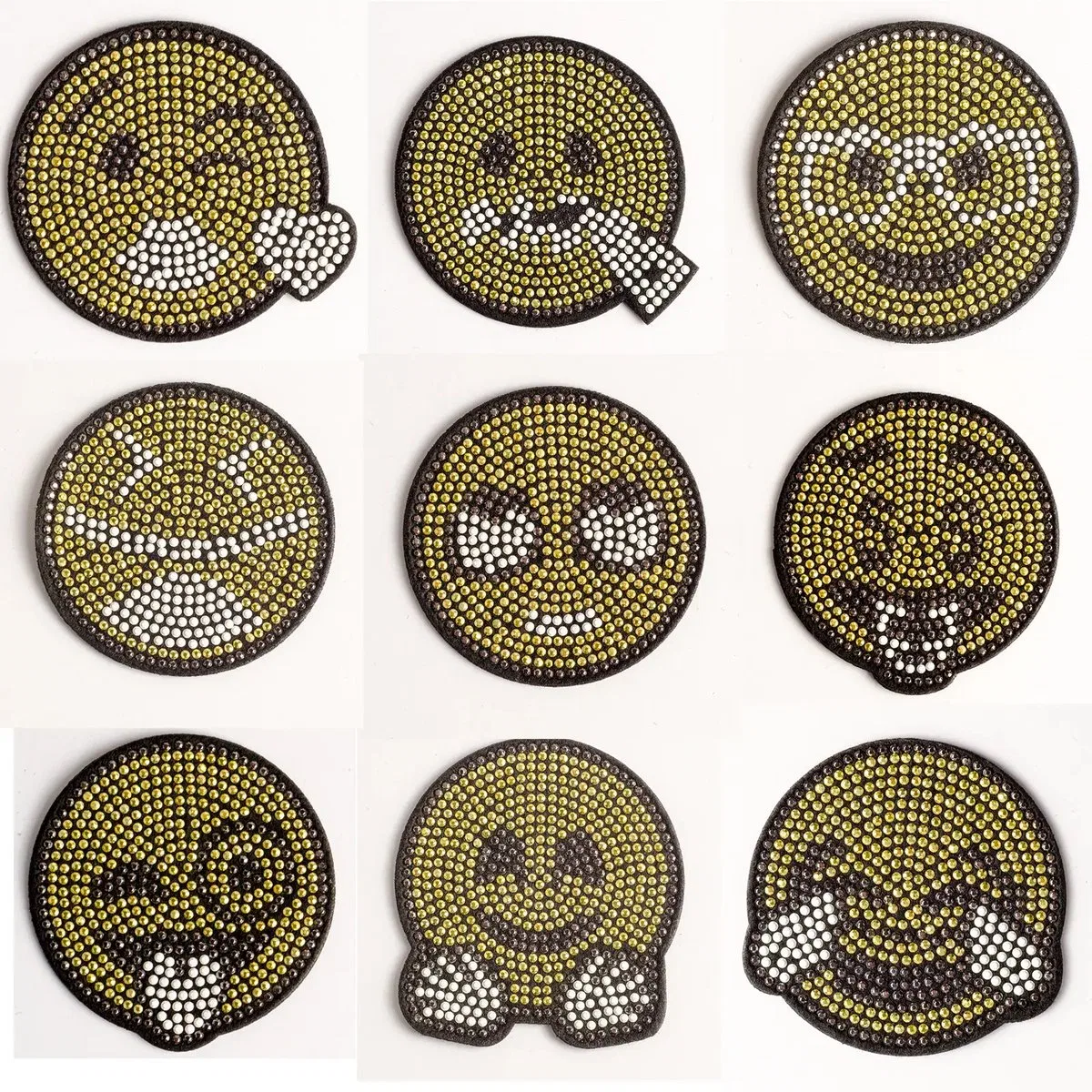
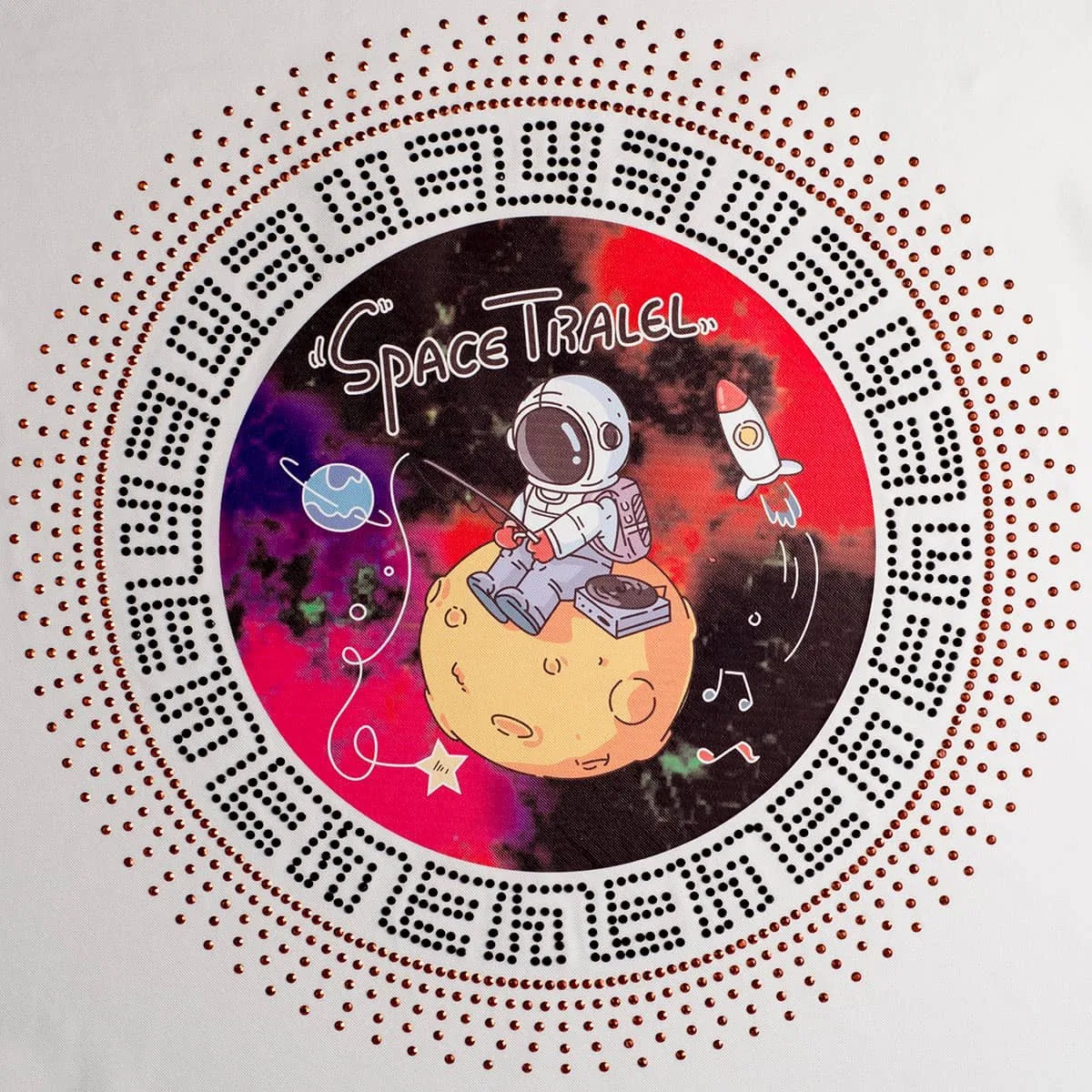
Stone count, size and carrier area affect weight, flex and how the garment hangs. Build and wear a full-size strike-off.
Inspect release, pressure coverage and edge stones.
Check coating and facets at contact zones.
Bend the motif with the garment.
Run the intended wash and drying sequence.
Review brightness and backing colour.
Approve aurora, metallic, pearl or iridescent effects under agreed lighting.
Match body tone and finish range to artwork.
Choose scale from artwork detail and viewing distance.
Leave room for placement and adhesive flow.
Mark every size and colour in the legend.
Protect the carrier perimeter for handling.
Clear view, tack and release behaviour.
Compatibility with stone and fabric.
Time, temperature, pressure and peel.
Missing, rotated, loose or marked stones.
Rhinestone Czech · MOQ 50
Inspect product →Rhinestone DMC · MOQ 50
Inspect product →Rhinestone and Felt Fabric · MOQ 100
Inspect product →Glass rhinestones in square and round linked settings · MOQ 1
Inspect product →Rhinestone and felt fabric · MOQ 100
Inspect product →Rhinestone DMC · MOQ 50
Inspect product →They differ in material, weight, facet response, surface finish and processing. Judge approved samples under the lighting and viewing distance of the final garment.
Brilliance depends on cut, facet consistency, backing, colour, size, placement and light. Material alone does not define the finished result.
Acrylic components are generally selected when low weight matters, but buyers should compare the actual design weight and component specification.
Hotfix options exist, but adhesive, carrier, garment and press settings must be validated together.
Approve appearance, adhesion and finish after representative application, flex, abrasion and care testing on the intended fabric.
Include material, stone size, colour, finish, artwork dimensions, garment, application method, quantities and quality criteria.
Share artwork, garment, lighting context, stone preference, quantities and care target.