


TPU
Flexible technical marks and layered effects.
A heat transfer label manufacturer must translate logo artwork into a flexible component and a repeatable garment application. Compare TPU, silicone and PU label routes with documented material, relief, adhesive and press trials.
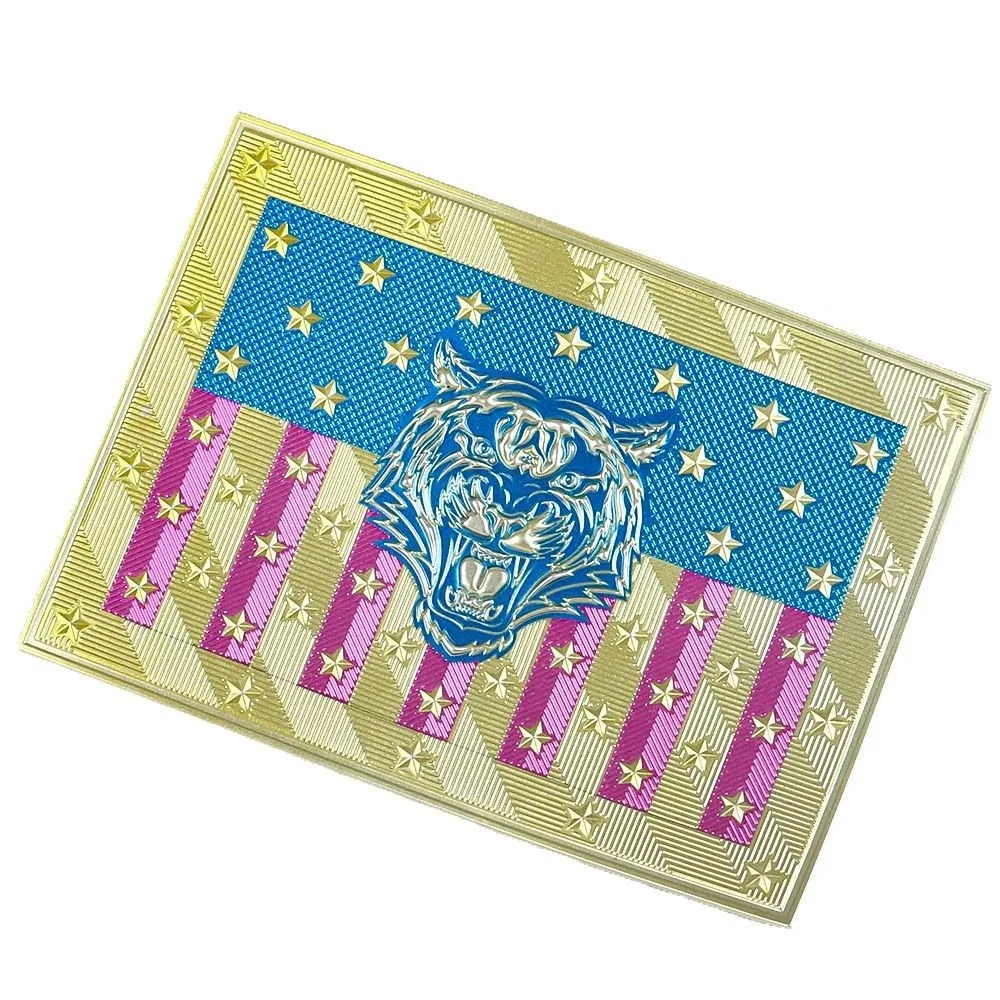
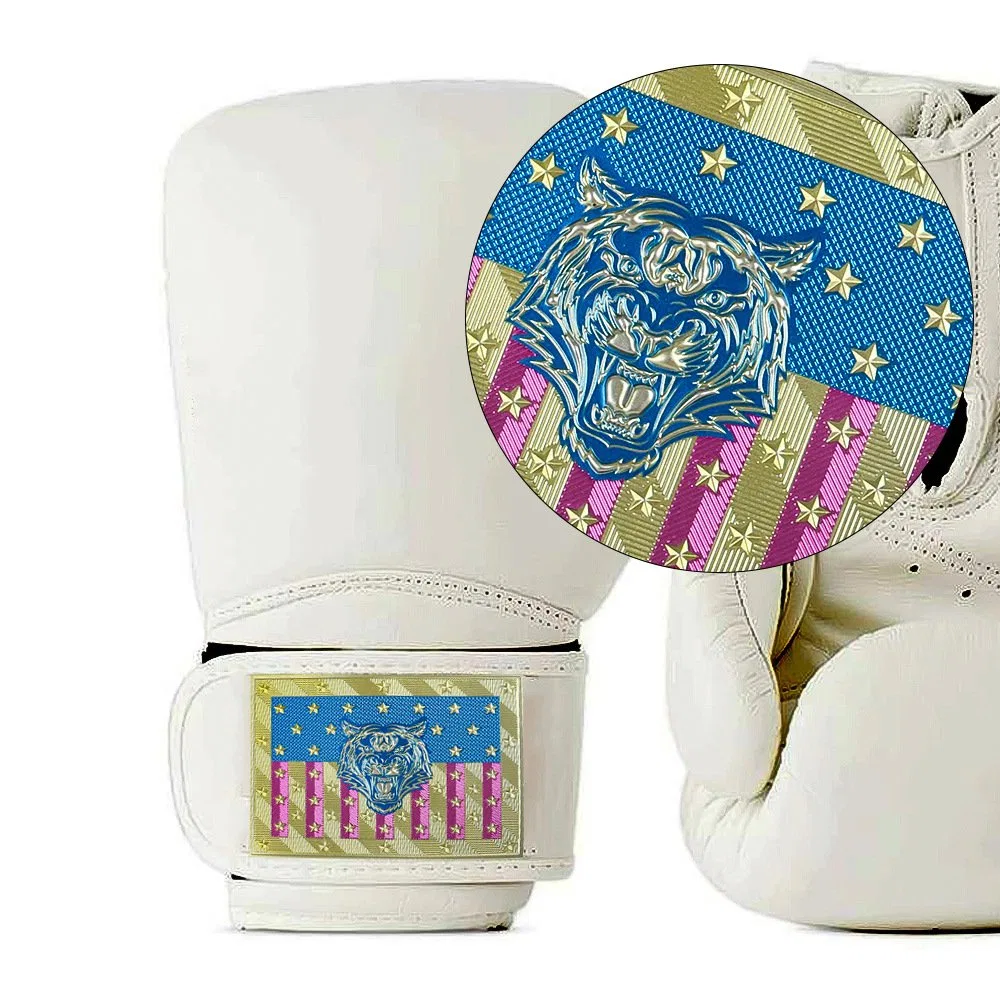
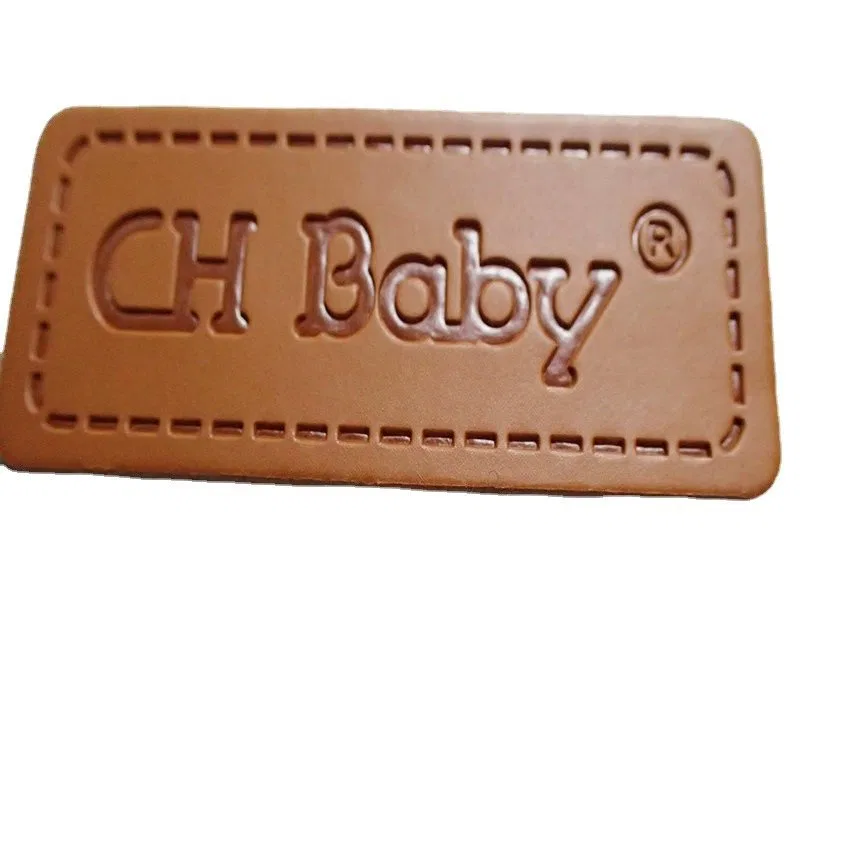
Flexible technical marks and layered effects.
Soft raised relief and dimensional branding.
Low-profile printed labels and fine detail.
Special surface response requiring controlled review.
Provide the brand artwork plus a clear legend for relief, surface, colours, adhesive and finished dimensions.
Outer contour and cut path.
Raised and recessed areas.
Named references by layer.
Adhesive and carrier orientation.
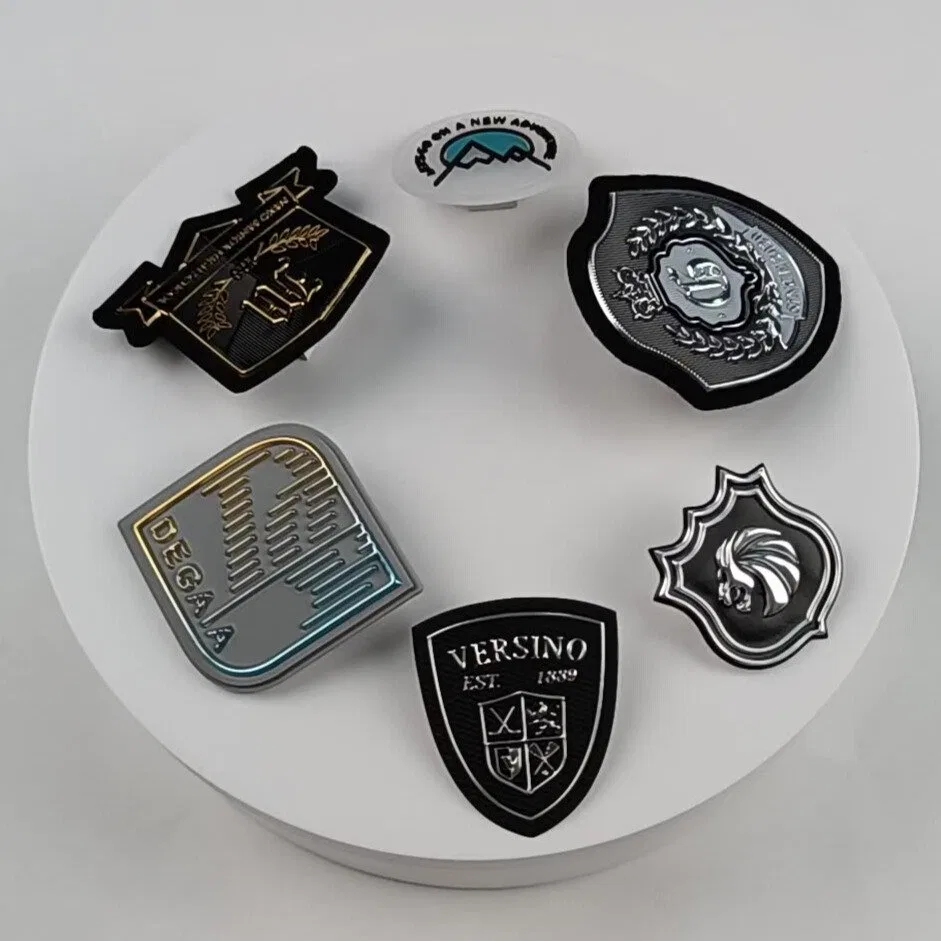
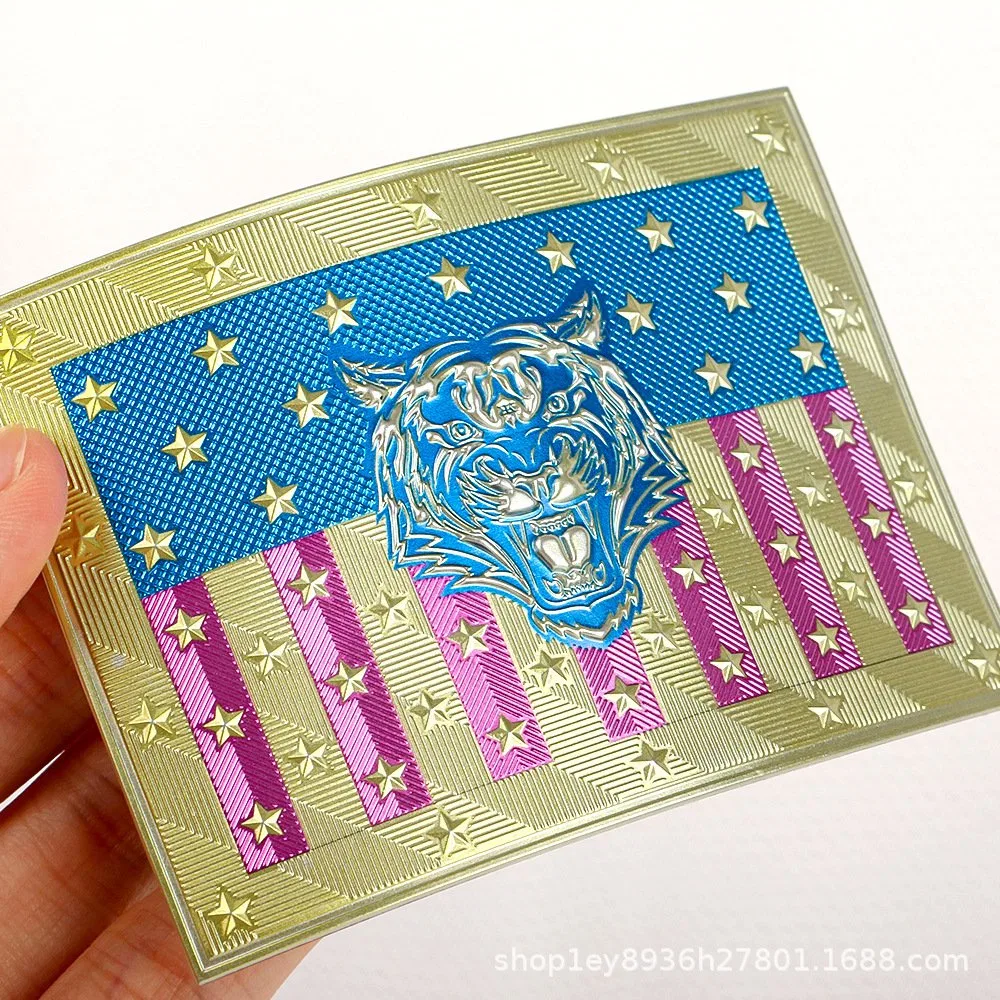
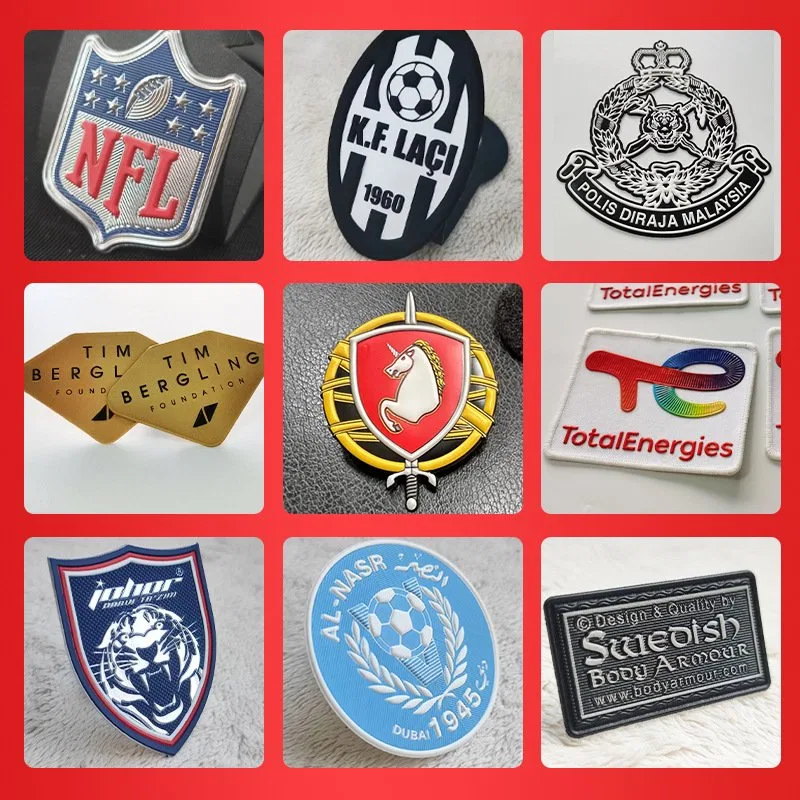
Fibre, construction, finish and colour.
Platen, support, temperature, time and pressure.
Control placement, peel and cooling.
Inspect after the agreed care sequence.
Keep setup, sample, production, packing and delivery details visible.
| Line | Required detail |
|---|---|
| Label | Material, size, relief, colours and adhesive |
| Versions | Logo, size, care or colour variants |
| Quantity | Units by version and reorder forecast |
| Sample | Loose and applied approval route |
| Delivery | Packing, destination and timing |
Complete input.
Artwork release.
Physical review.
Approved production.
Inspection and pack.
Link artwork, material, garment, application and packing to one controlled identifier.
Record proposed construction changes and approve them before sample or production.
TPU and Fabric · MOQ 100
View label →TPU and PU · MOQ 100
View label →TPU and Silicone · MOQ 100
View label →Silicone · MOQ 100
View label →TPU and Silicone Leather · MOQ 100
View label →TPU Leather · MOQ 100
View label →Send vector artwork, finished size, colours, receiving fabric, garment colour, placement, quantity and the application equipment available.
They differ in relief, flexibility, surface appearance and application behavior. Compare physical samples on the intended garment before choosing.
Yes. Build a version schedule with exact wording, dimensions, quantities and item codes so variable files remain controlled.
Apply the sample with production equipment and record temperature, time, pressure, peel and cooling method for the exact fabric.
Material, dimensions, colours, tooling, artwork versions, quantity and packing all matter. Use the current product MOQ and quote for the exact design.
Provide destination, style, colour, size and bundle quantities so labels can be allocated for each assembly location.
Include finished size, relief, colours, quantities, application equipment and delivery plan.