


Fabric
Composition, finish, weight and colour.
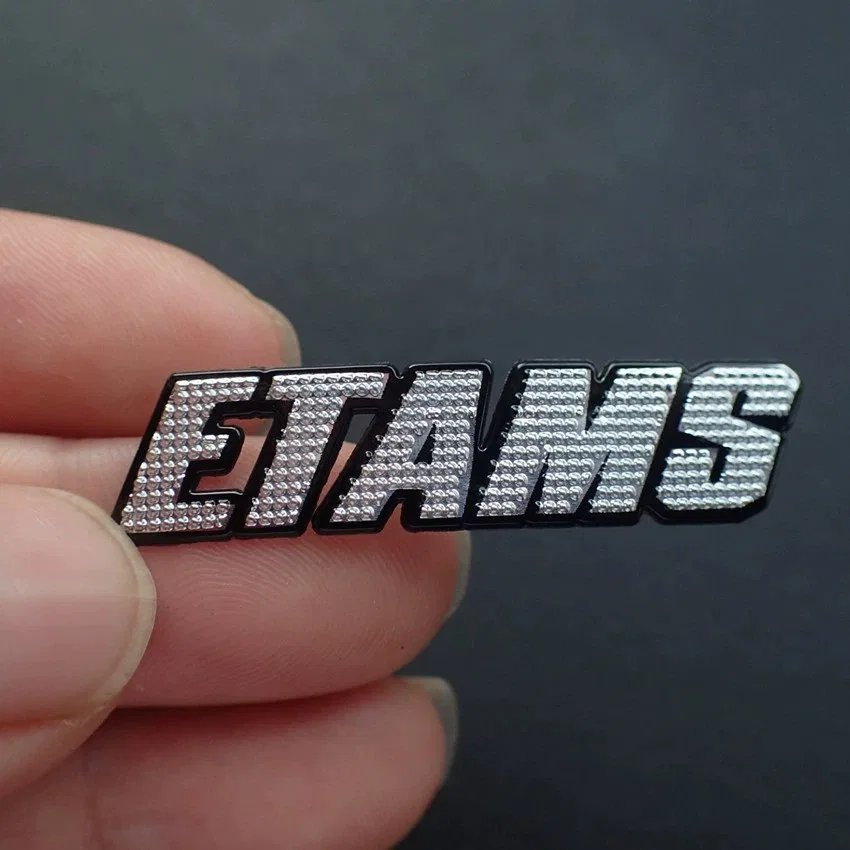
Heat transfer labels for activewear combine a low-profile brand mark with a repeatable application process. Develop a stretch heat transfer label, activewear logo label or sportswear heat transfer label around the exact textile, movement zone and care requirement.
Composition, finish, weight and colour.
Stretch direction, recovery and body zone.
Press equipment, support and access.
Wash, dry and wear expectations.
A silicone label for leggings may behave differently on a brushed waistband, compression body and mesh insert. Record each substrate as its own trial.
Review dye movement and surface finish.
Check heat sensitivity and hand.
Measure extension and recovery.
Confirm adhesion compatibility.
High extension and repeated flex.
Visibility with moderate movement.
Skin contact and fine sizing marks.
Long directional stretch.
Small curved application areas.
Record temperature, time, pressure, platen support, release method and cooling. Approve appearance and fabric response together.
Find the lower boundary of the working range.
Define the production target.
Check fabric and graphic tolerance.
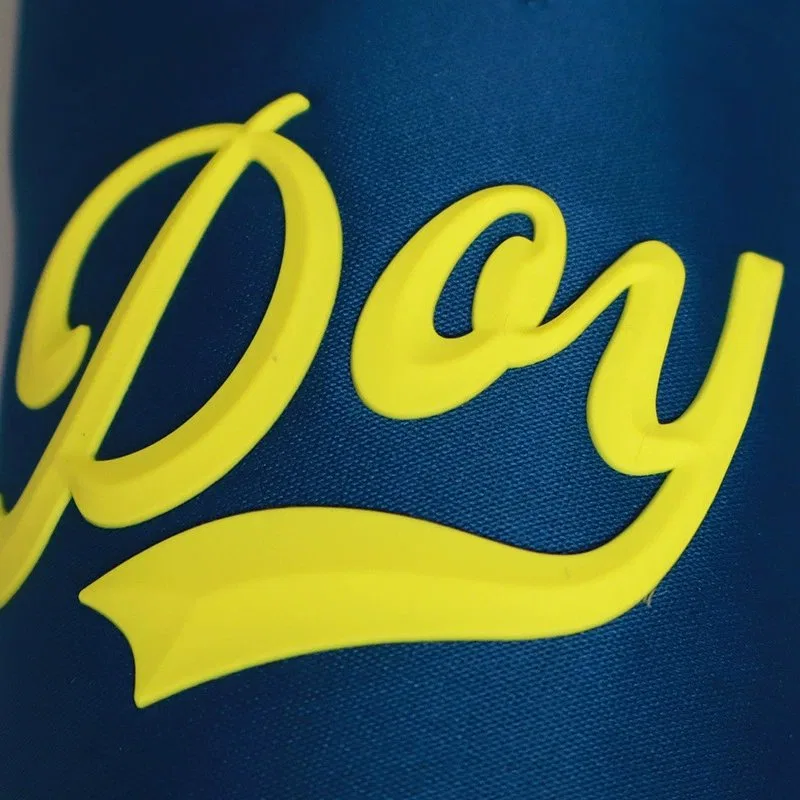
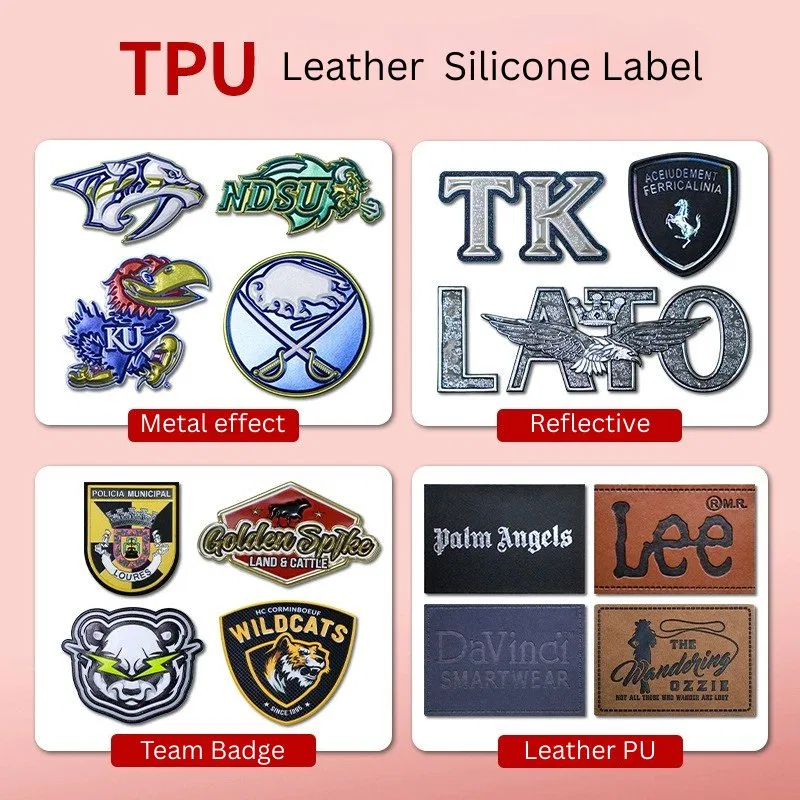
Separate tops, leggings and accessories when their available placement areas differ.
Use a dedicated version schedule for size marks, country text and care content.
TPU AND SILICONE · MOQ 100
Review product →TPU and Silicone Leather · MOQ 100
Review product →TPU and PVC · MOQ 100
Review product →TPU and Fabric · MOQ 100
Review product →TPU and PU · MOQ 100
Review product →TPU Leather · MOQ 100
Review product →Revision and scale.
Approved references.
Material and finish.
Application window.
Acceptance evidence.
Version quantities.
The label film, adhesive, artwork coverage and fabric must be tested together. Share the fabric composition, finish, stretch direction and care cycle.
Selected silicone and TPU constructions can be sampled for leggings. Waistbands, compression panels and high-extension zones require separate placement trials.
Agree the conditioning method, exposure duration and acceptance criteria before testing an applied sample made with the production fabric.
Sometimes. Garment proportions and placement may require controlled sizes for tops, leggings and accessories, recorded under separate item codes.
Provide vector artwork at finished size with spot colours, minimum line widths, relief notes and clear identification of transparent areas.
Dimensions, colours, material, fabric type, order quantity, size split, packing, destination and testing scope all affect the quotation.
Include garment zone, stretch direction, label size, quantities and care expectations.