


Grain and patina
Natural hides can vary in texture and colour. Define grade, thickness, finish, acceptable variation and any sourcing documentation required by the buyer.
Leather labels for clothing give denim, bags, outerwear and accessories a structured identity point. Compare natural leather with PU or faux leather, then define debossing, embossing, print, holes and attachment.
Natural hides can vary in texture and colour. Define grade, thickness, finish, acceptable variation and any sourcing documentation required by the buyer.
Engineered constructions can provide uniform colour, embossing response and thickness. Verify the full material claim rather than assuming every PU product meets the same standard.
Logo pressed below the surrounding face.
Raised mark with controlled edge and height.
Colour detail aligned to the cut component.
Grain or pattern approved across the full surface.
Position, stitch holes, edge, grain direction and care exposure should be tested on the intended denim and sewing line.
Check belt-loop interference, curvature and needle access.
Control orientation, edge distance and stitch appearance.
Test garment wash, drying and finishing after attachment.
Define acceptable colour and grain change on the approval sample.
Hole diameter, count and position.
Needle route and edge allowance.
Validate both label and garment response.
Specify component and load path.
Define positioning versus final attachment.
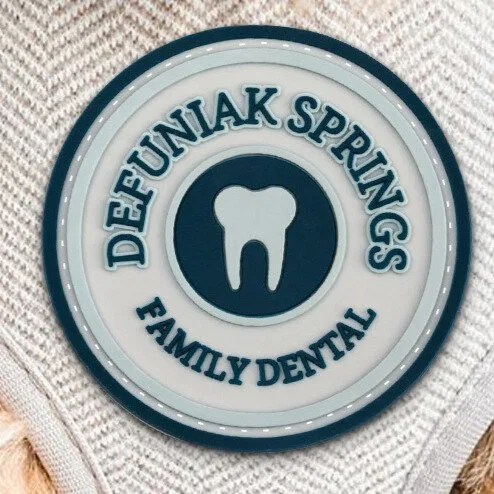
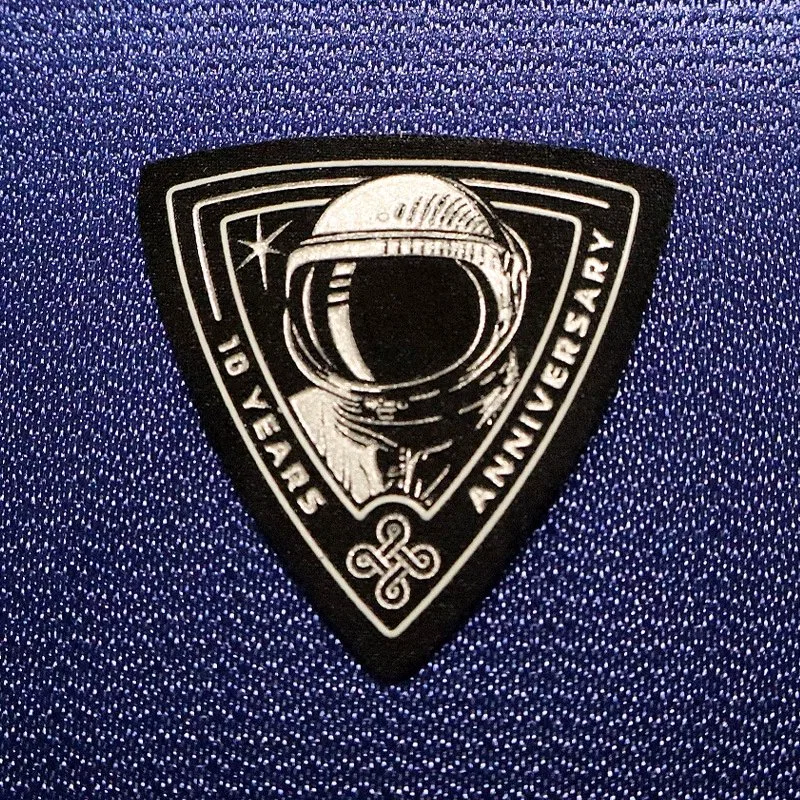
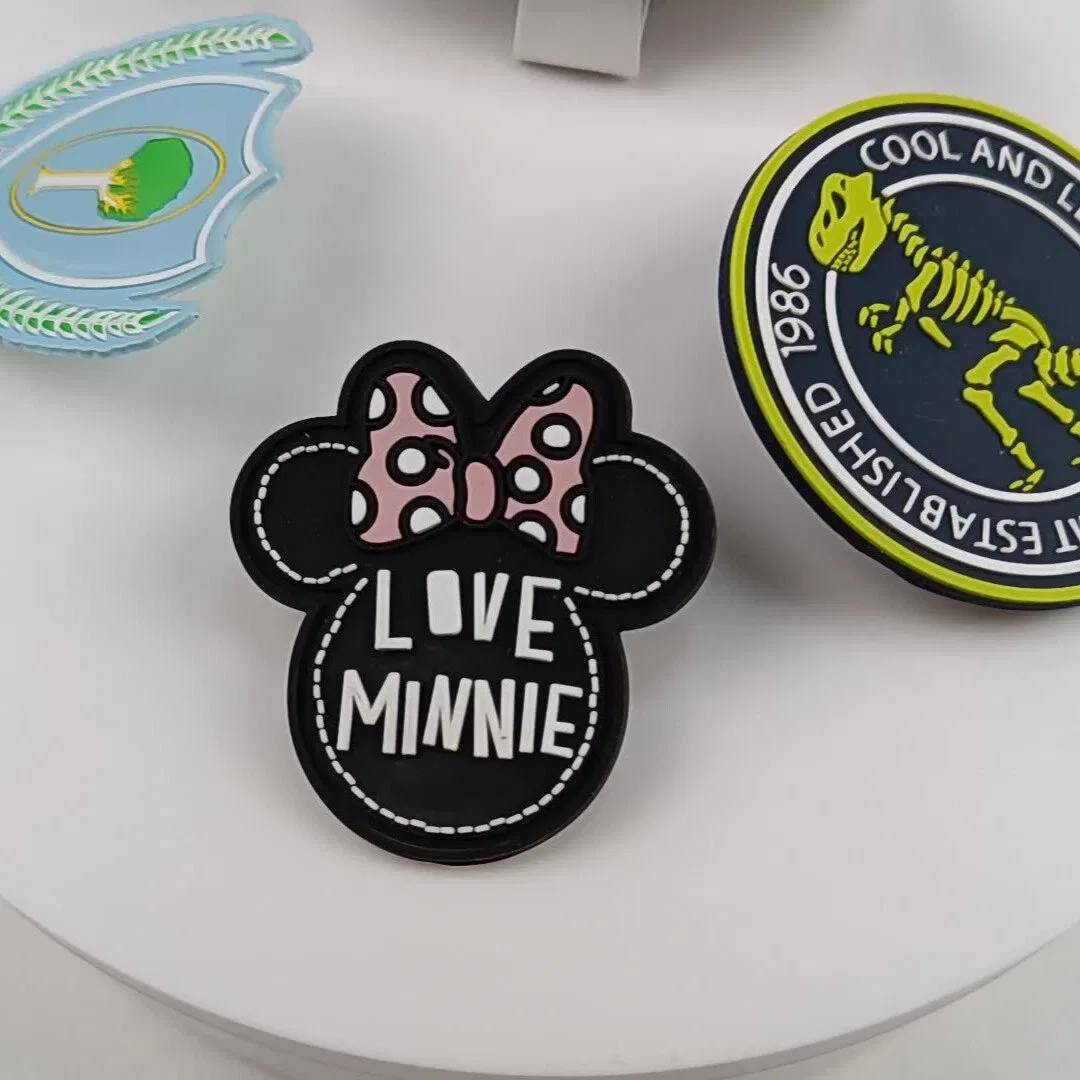
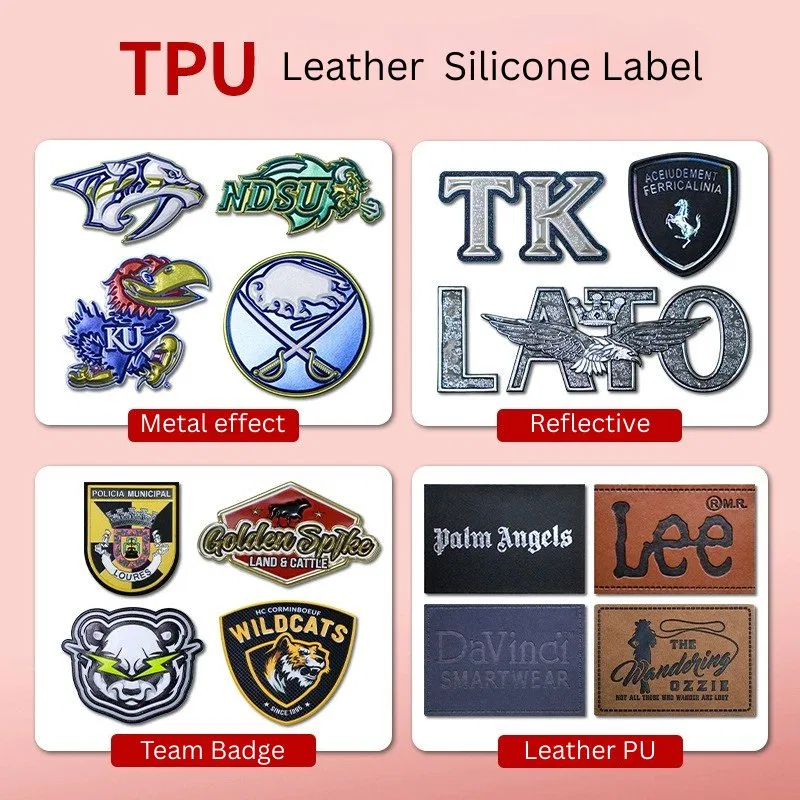
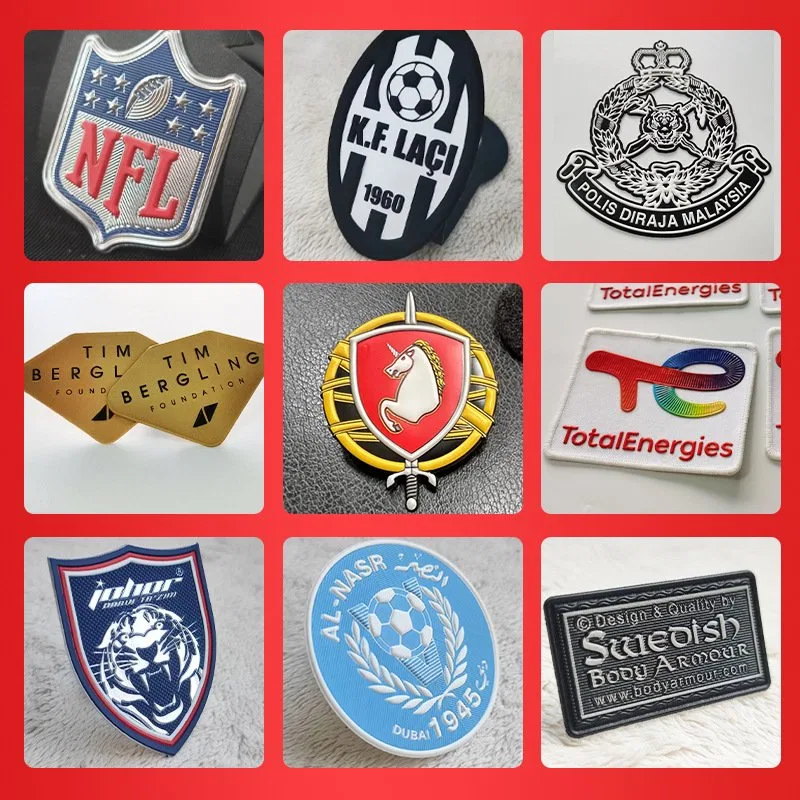
Catalog images below show adjacent PU and flexible label constructions. An exact leather or faux-leather sample is approved before bulk.
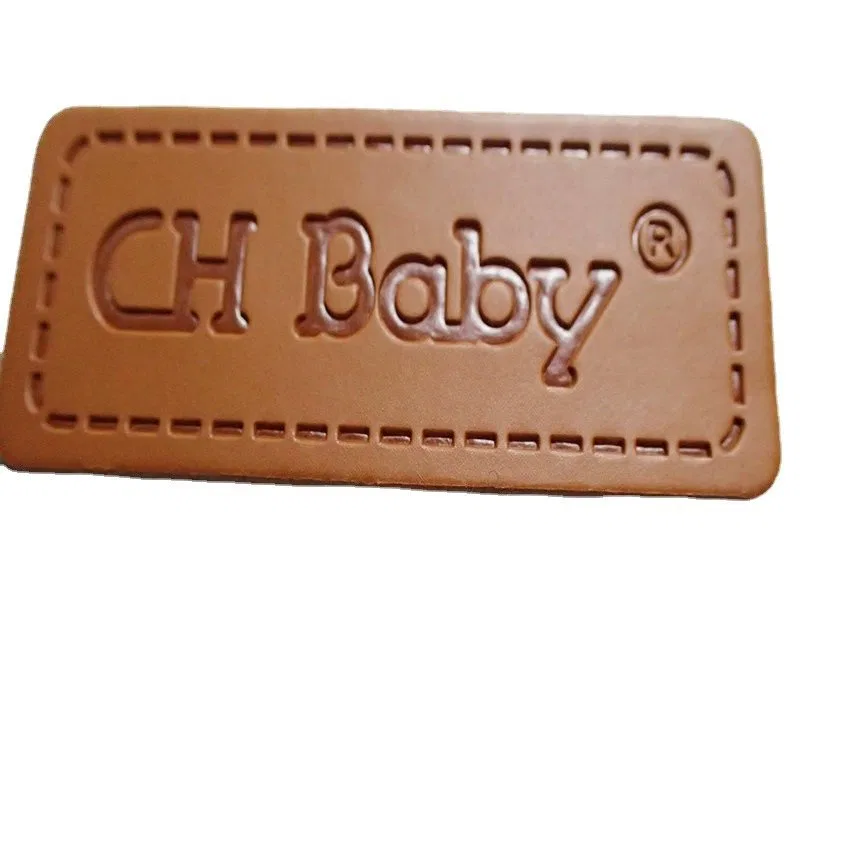
Supplier declaration, thickness, grain, colour and finish samples.
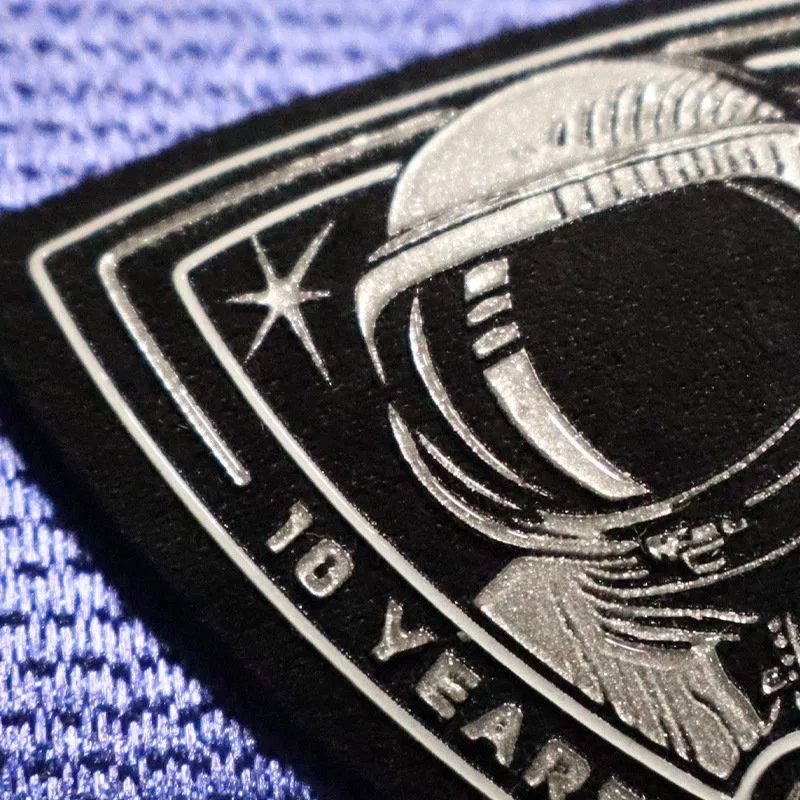
True-size relief, print registration, cut edge and hole position.
Attachment, care trial, colour change and surrounding-fabric result.
These are adjacent PU/TPU label references, clearly separated from the exact leather or faux-leather construction quoted for your project.
List quantities by artwork, size, colour, relief, attachment and garment style.
Material grade, tooling, print, cutting, holes, backing, inspection, packing and destination drive the quote.
Natural leather varies in grain and colour; PU or faux leather offers more uniformity and can support vegan-material programs when the full material declaration is verified.
Yes, relief and print can be combined when the surface and artwork permit. Specify the order, colour, registration and approved appearance.
Performance depends on material, finish, attachment and care route. Test the exact patch on the intended denim using the declared wash and drying method.
Some constructions may use a heat-assisted backing, but the label and garment can both react to heat. Validate bond, surface and colour on production-equivalent fabric.
Provide vector outlines, finished dimensions, minimum stroke and relief zones. Small reverse type and sharp internal corners may need adjustment.
Material grade, area, thickness, relief tooling, print colours, holes, backing, quantity, versions, packing and destination affect the quote.
Send artwork, material direction, dimensions, finish, attachment, garment, quantities and delivery point.