


OEM route
The buyer supplies the core design and product specification. Development focuses on manufacturability, sampling and repeatable execution.
OEM garment decoration begins with buyer-controlled artwork and specifications. ODM development adds a broader design and construction brief. In both routes, the reliable outcome comes from assigning decisions, documenting revisions and approving the complete decoration system before production.
The buyer supplies the core design and product specification. Development focuses on manufacturability, sampling and repeatable execution.
The buyer supplies the market and performance brief. Development includes proposed construction, artwork interpretation and component options.
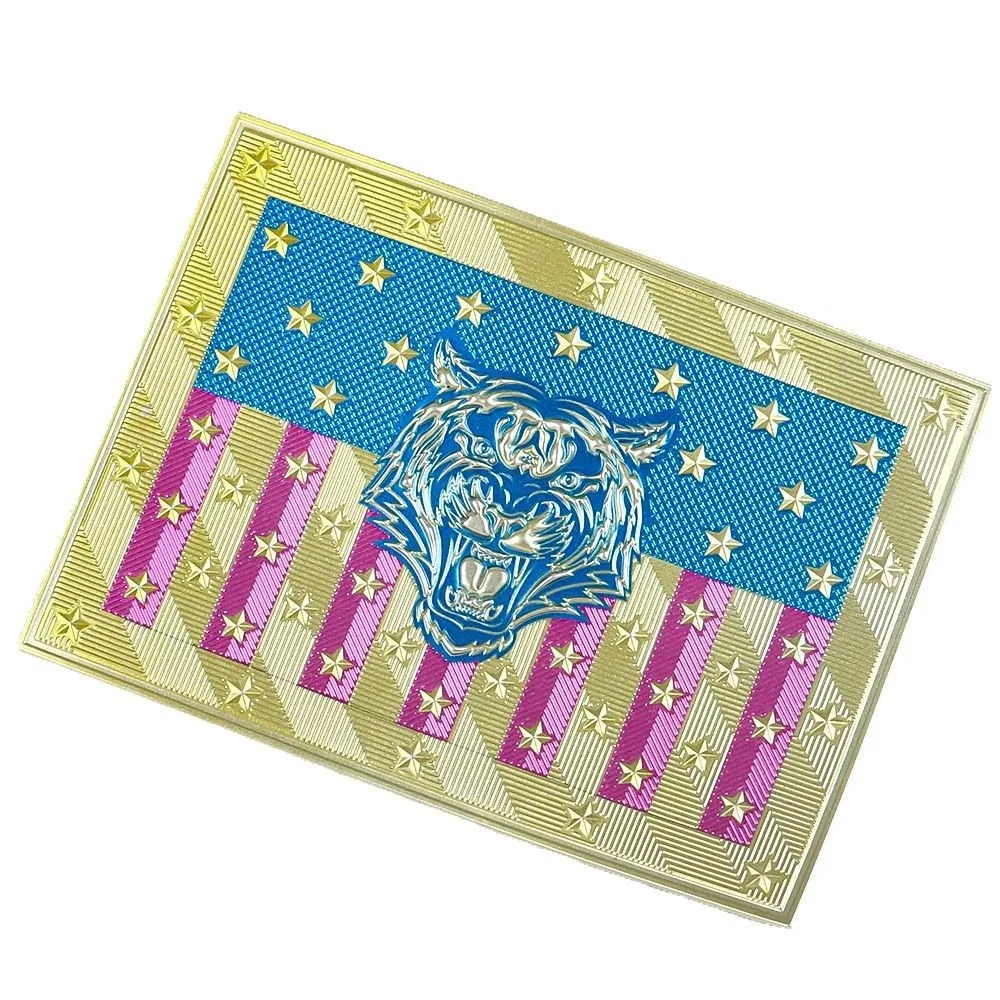
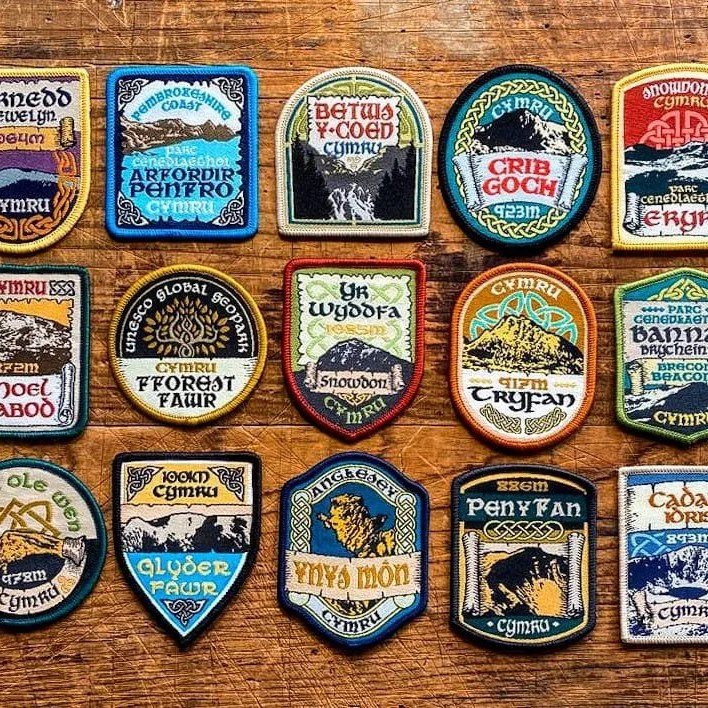
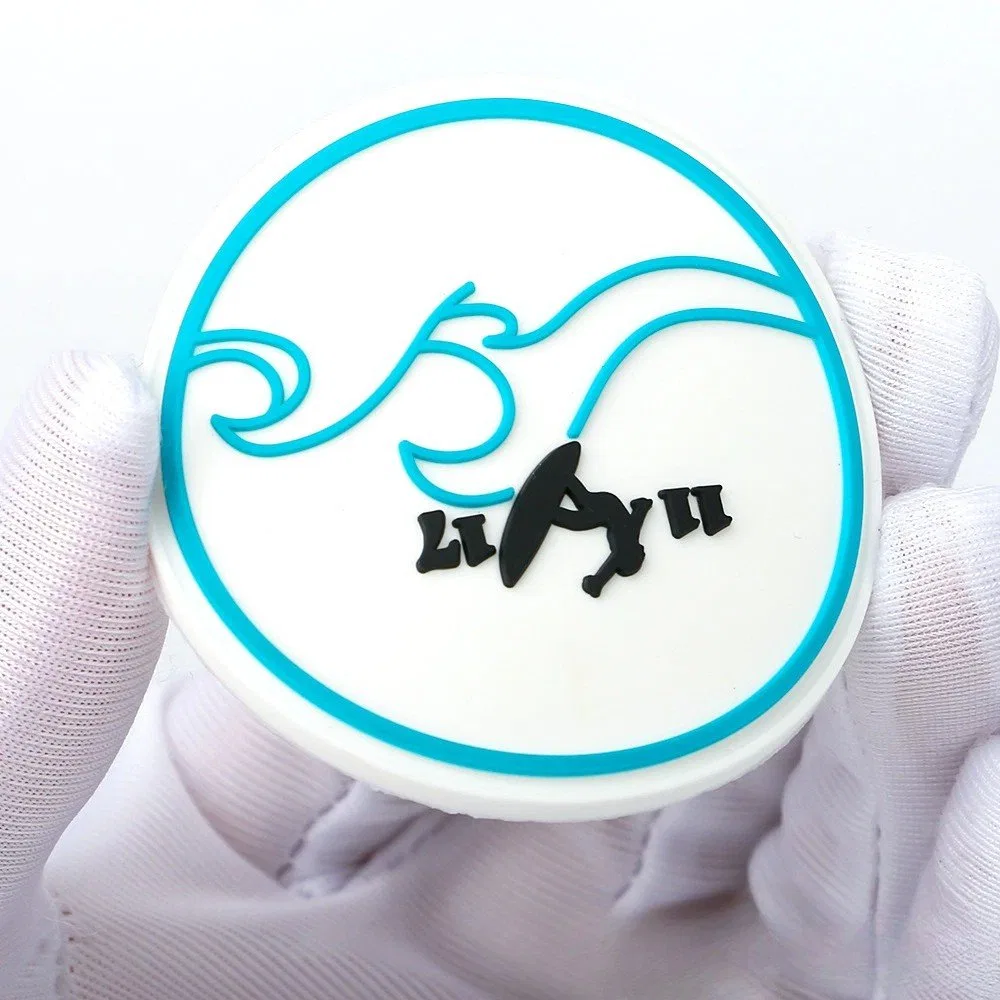
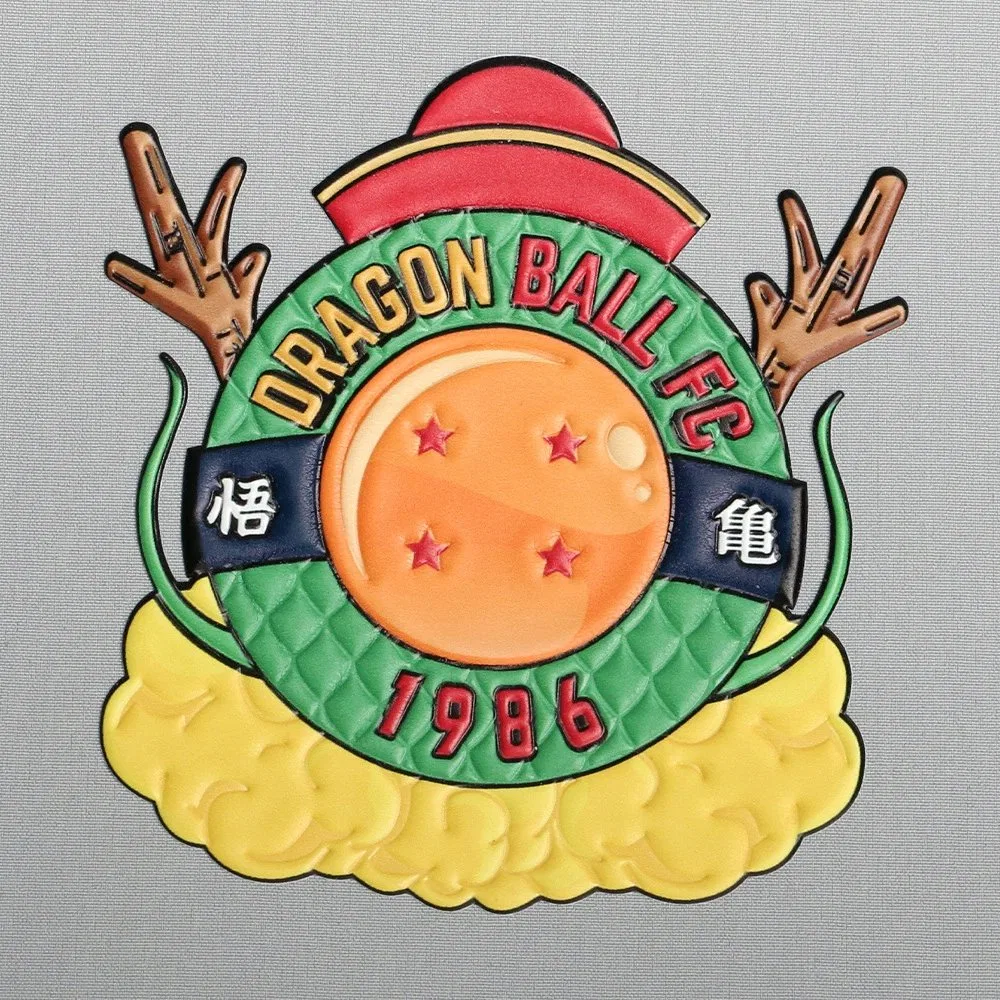
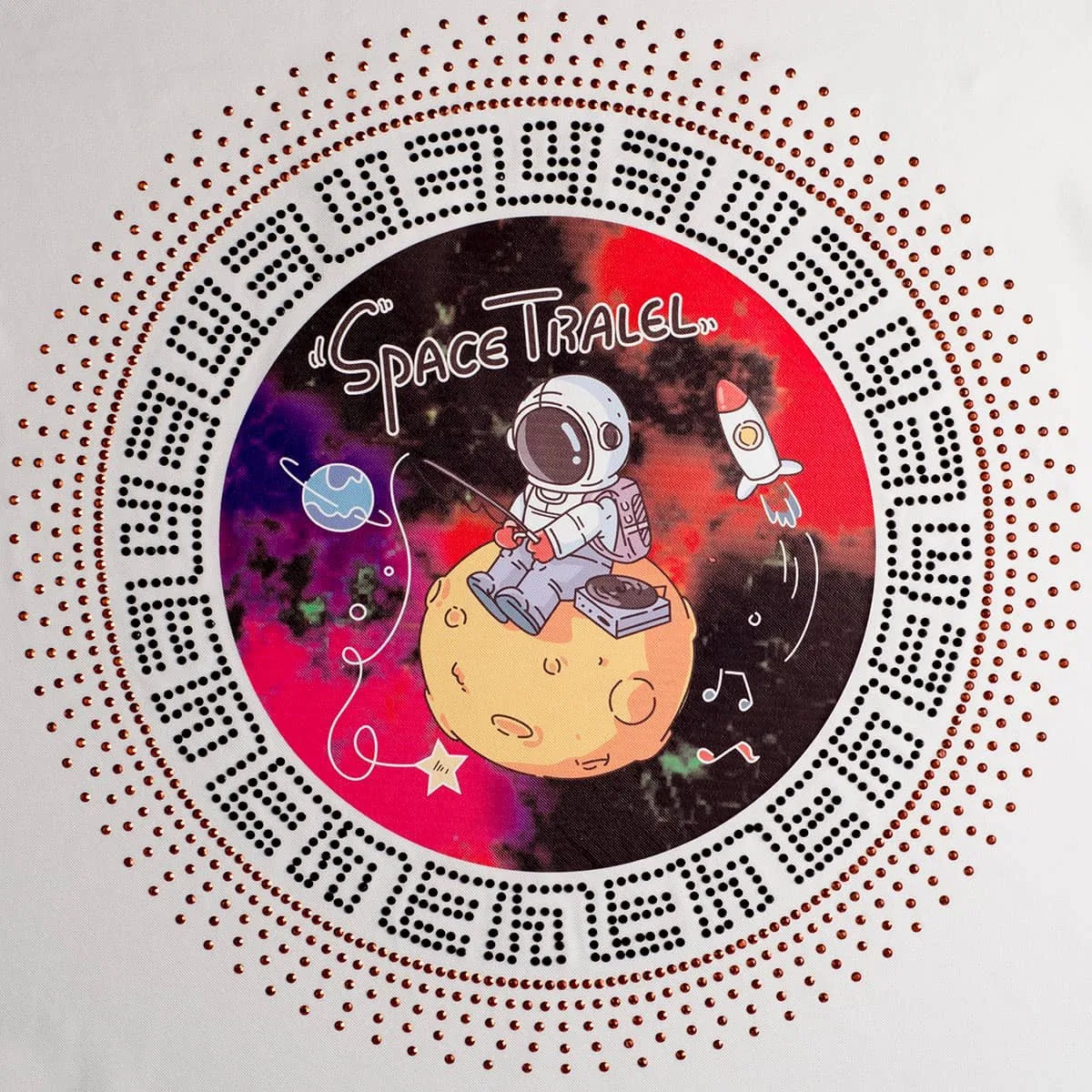
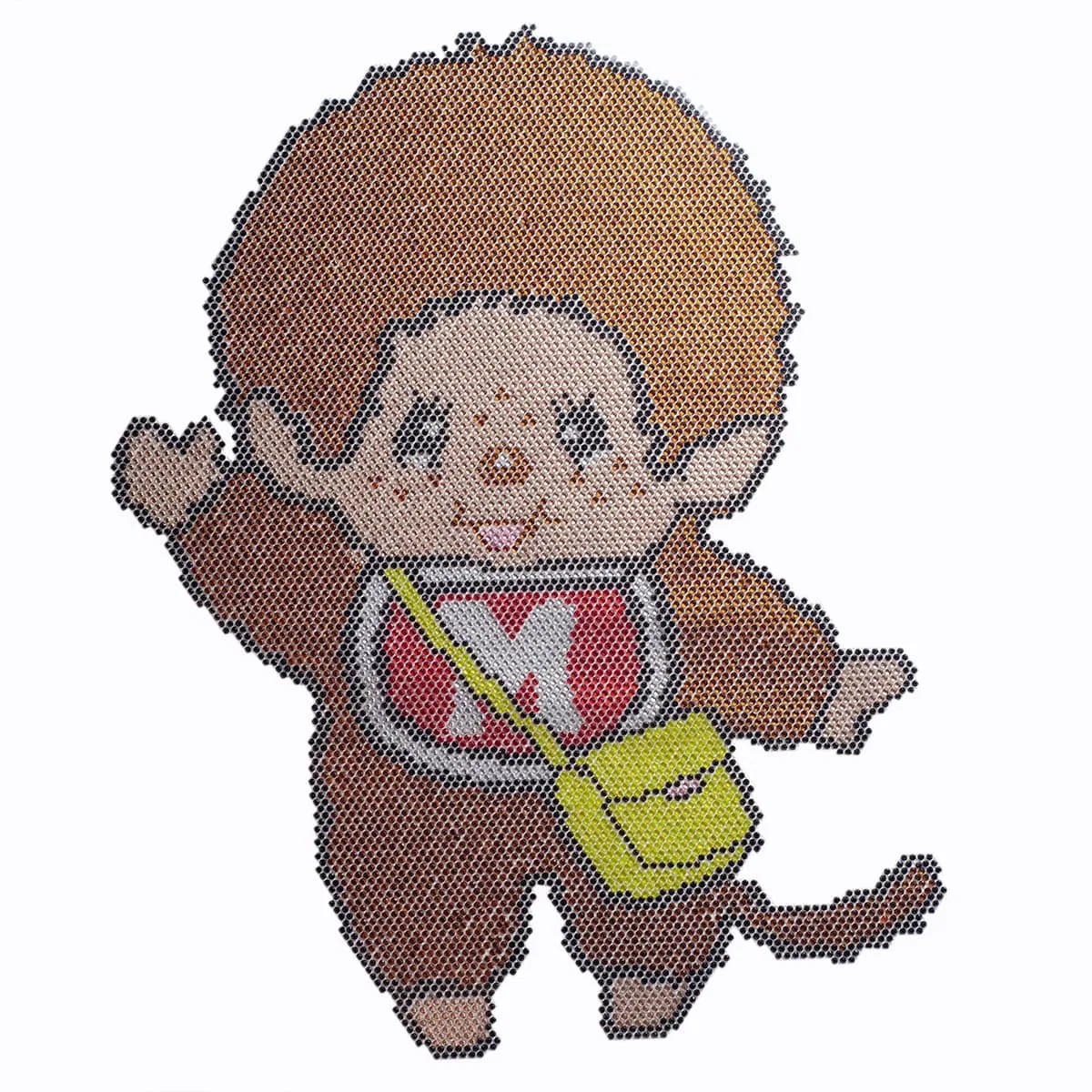
Customer, garment, channel and care expectations.
Logo rules, colour references and approved wording.
Material, relief, backing, dimensions and placement.
Quantity by version, target cost and launch date.
Proof, sample, garment trial and acceptance criteria.
Labels, allocation, cartons and destinations.
Confidentiality, artwork use, tooling custody and repeat-order access are separate subjects. Put each decision in the agreement.
Responsibilities and deliverables.
Dimensions and visual revision.
Material and attachment route.
Physical appearance and tolerances.
Application and care response.
A multi-decoration garment should not use one vague approval. Link each component to a position, product record and revision.
Stable internal name and product type.
Approved artwork and specification version.
Garment location, orientation and tolerance.
Allocation by style, colour and size.
Name the exact component and current revision.
State the requested change and reason.
Review price, sample, MOQ and schedule impact.
Issue one replacement approval record.
High-quality Embroidery Thread · MOQ 100
Review product →An OEM route follows buyer-supplied design and specifications, while an ODM route includes more development input around the proposed product. The quotation should define who supplies and approves every element.
Yes. Build a separate specification line for each transfer, label, patch or accessory, then connect them through one bill of materials and garment placement plan.
Ownership and reuse rights must be stated in the commercial agreement. Do not assume that paying a setup charge automatically defines ownership, storage or future access.
Confidentiality requirements can be raised before files are shared. The parties should agree the named entities, protected material, permitted use and duration in writing.
Approve the artwork revision, physical or documented sample, dimensions, materials, colours, attachment, garment trial, packing and quantity allocation.
Send the intended customer, garment, visual direction, performance needs, quantity range, target date and commercial constraints. State which decisions are already fixed.
Send what is fixed, what needs development and which evidence must be approved.