


Reference system
Pantone library and exact suffix supplied by the buyer.
Pantone colour matching for apparel starts with a named target and ends with an approved result on the real material. Silicone, TPU, embroidery thread, print, rhinestones and reflective films interact with light differently, so the colour record must identify both the reference and the construction.
A useful colour instruction connects the code to its material, finish and location in the artwork.
Pantone library and exact suffix supplied by the buyer.
Artwork layer, text, border, base or raised detail.
Compound, thread, film, print, stone or coating.
Matte, gloss, metallic, reflective or translucent.
Conditions used for physical approval.
Revision and date tied to the order record.
Compound, thickness and gloss affect depth.
Surface and substrate influence perceived colour.
Thread sheen and stitch direction change highlights.
Facet, coating and angle create dynamic colour.
Ink build, white base and carrier affect output.
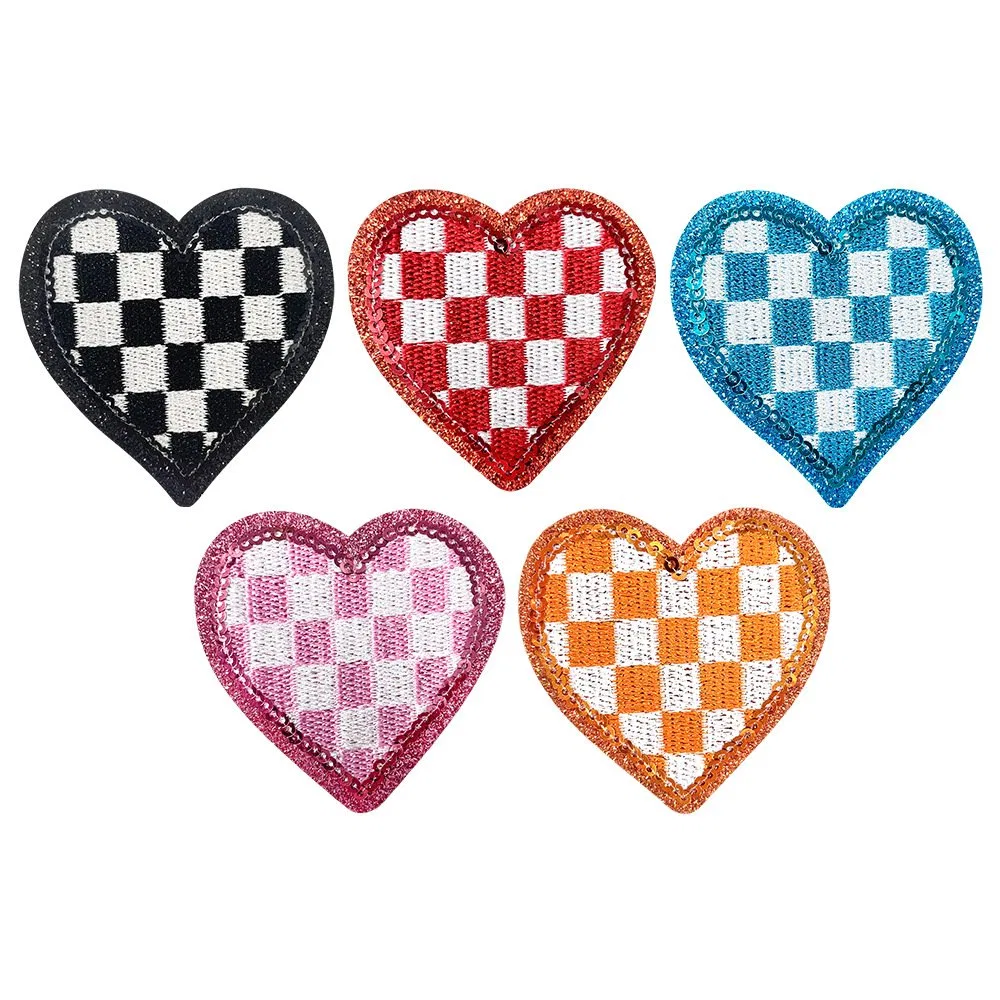
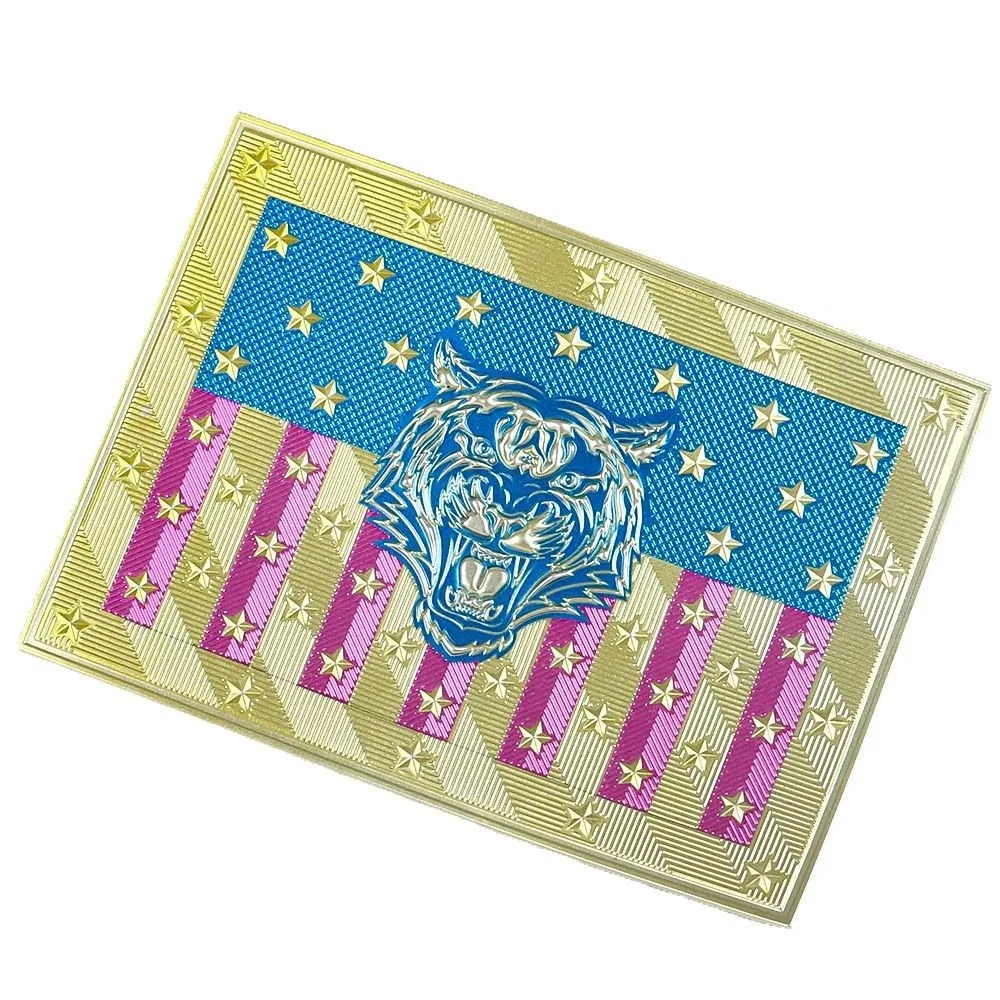

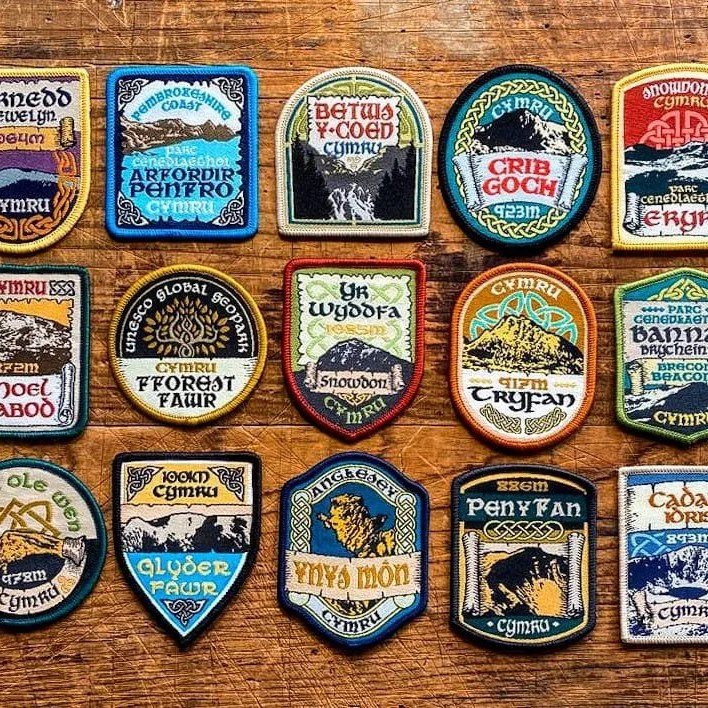
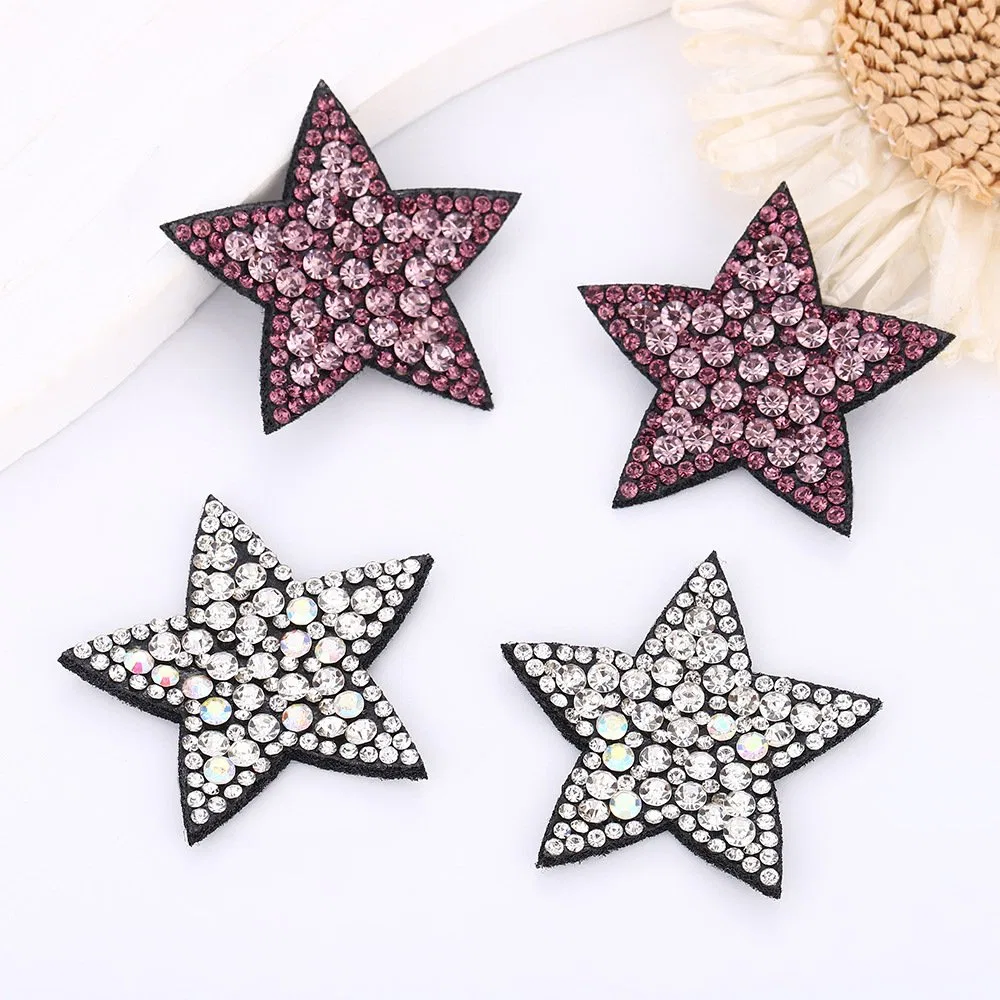
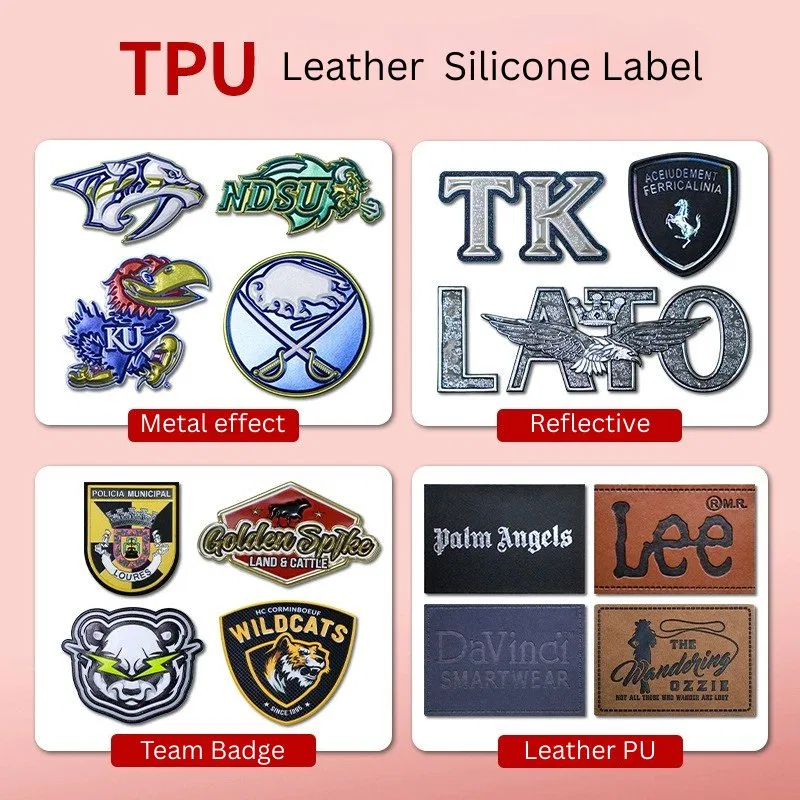
Use consistent illumination, a neutral surrounding and the actual viewing angle. Record the material and finish with the decision.
Name the buyer-controlled colour reference.
State whether a retained sample governs appearance.
Identify brand tones requiring the closest control.
Evaluate movement, reflectivity and angle separately.
Confirms which code belongs to each artwork region.
Shows the target on the intended type of surface.
Combines colour with construction, thickness and finish.
Links the signed decision to the exact revision.
Identify the approved production history.
Keep system, code, material and finish together.
Reference the approved sample when available.
Flag a new material lot or intended adjustment.
Thread embroidery
TPU and Fabric
Silicone
High-quality Embroidery Thread
Rhinestone and Felt Fabric
TPU and Silicone Leather
A Pantone reference establishes the target, but material, texture, translucency, gloss and viewing light affect appearance. Approve the colour on the actual construction.
Provide the system used by your brand and identify the substrate or textile context. The production team can then confirm how the target will be interpreted for the selected material.
No. Screens vary by device, settings and light. Digital visuals help locate colour regions, while a physical material sample is the stronger reference for production appearance.
Review them under more than one lighting condition and angle because their appearance changes with reflection. Use a physical sample and name the finish, not only a colour number.
Reference the prior approved order, product code, colour record and retained sample where available. A new material lot may still require confirmation.
Send editable artwork with named colour regions, the colour system and codes, material choice, finish requirement and any physical brand standard available.
Include the artwork, Pantone system, codes, finish and any physical brand standard.