


Patch face
Construction, shape and edge
Patch backing options determine how an embroidered, rubber, TPU or rhinestone patch meets the garment. Select iron-on, sew-on, hook-and-loop or pressure-sensitive backing from the substrate and service conditions.
Construction, shape and edge
Attachment layer selected for use
Fabric, finish, coating and placement
Check fibre, coating, dye migration and surface marking risk.
Confirm whether the placement can pass under the intended sewing equipment.
Define permanent identity, temporary placement or repeated interchange.
| Backing | Best starting question | Validation focus |
|---|---|---|
| Heat seal | Can the garment accept the press recipe? | Bond, edge lift, marking and wash |
| Sew-on | Can stitching reach and secure the edge? | Thread, stitch path and puckering |
| Hook-and-loop | Must the patch be removed or exchanged? | Mating field, peel and edge profile |
| Pressure-sensitive | Is the bond temporary or service-rated? | Surface energy, time and environment |

Record platen type, pre-press, temperature, dwell, pressure, peel and post-press. Revalidate when fabric or finish changes.
Specify border width, stitch channel, matching thread and acceptable needle holes. Place the seam without crushing dimensional details.
Define hook side, loop mating field, colour, shape, coverage and how the perimeter will be finished.
Leave usable space for stitch or adhesive coverage.
Avoid sharp points that lift or catch in wear.
Control loose threads, flash and rough edges.
Keep seams and hardware outside the pressure zone.
Patch and garment lot.
Controlled method.
Agreed waiting time.
Use movement.
Required cycles.
Bond and appearance.
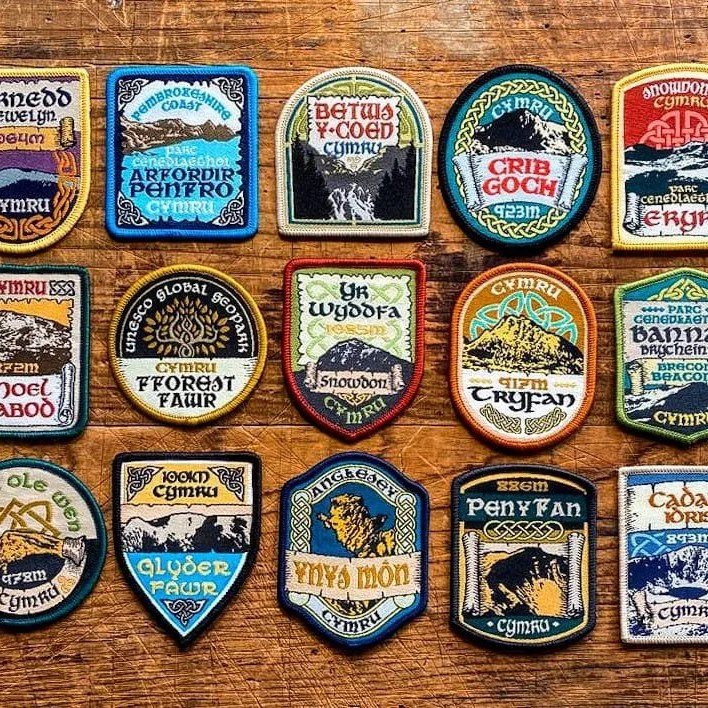
High-quality Embroidery Thread · MOQ 100
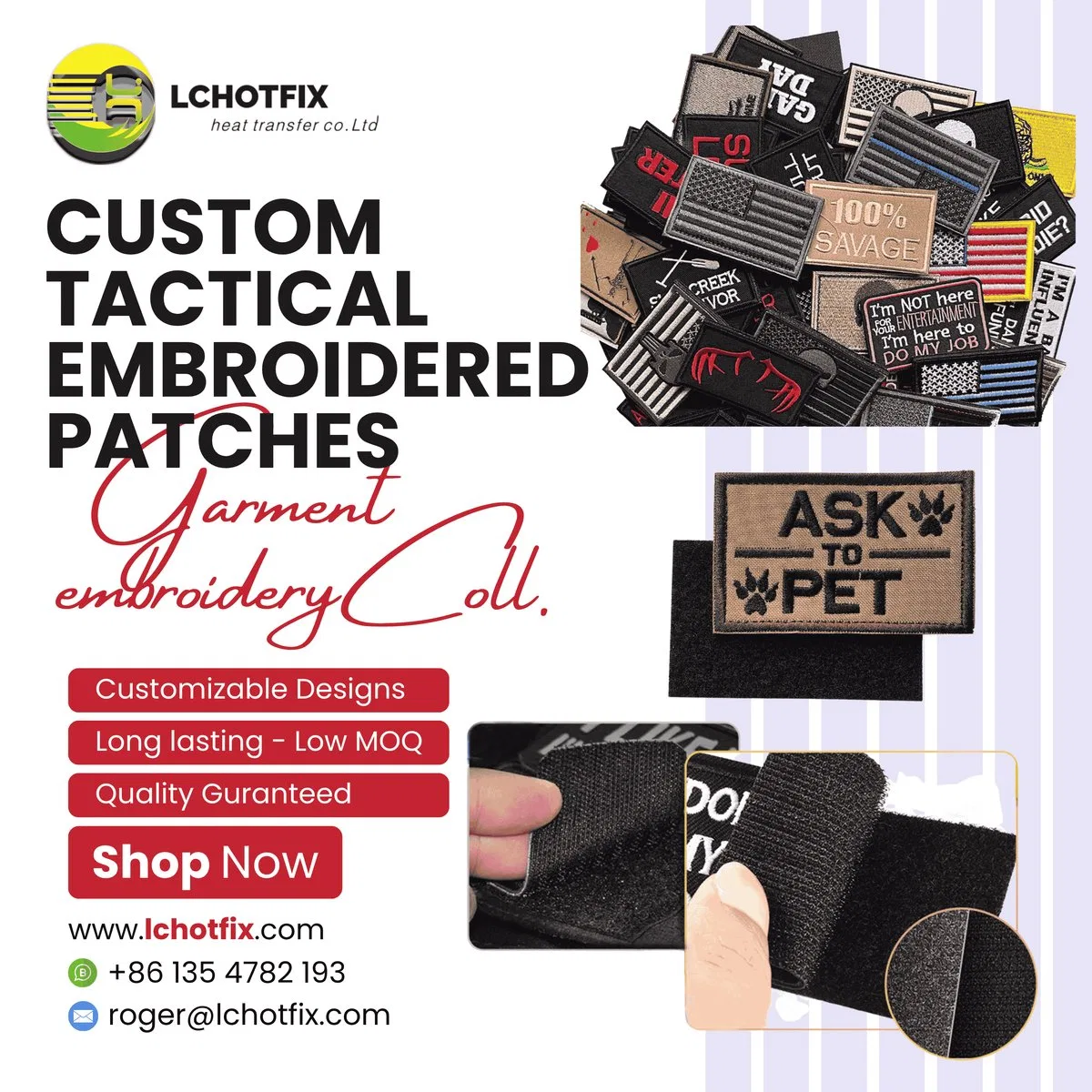
Open product →Embroidery Thread + Full Polyester Hook & Loop (Velcro) · MOQ 100
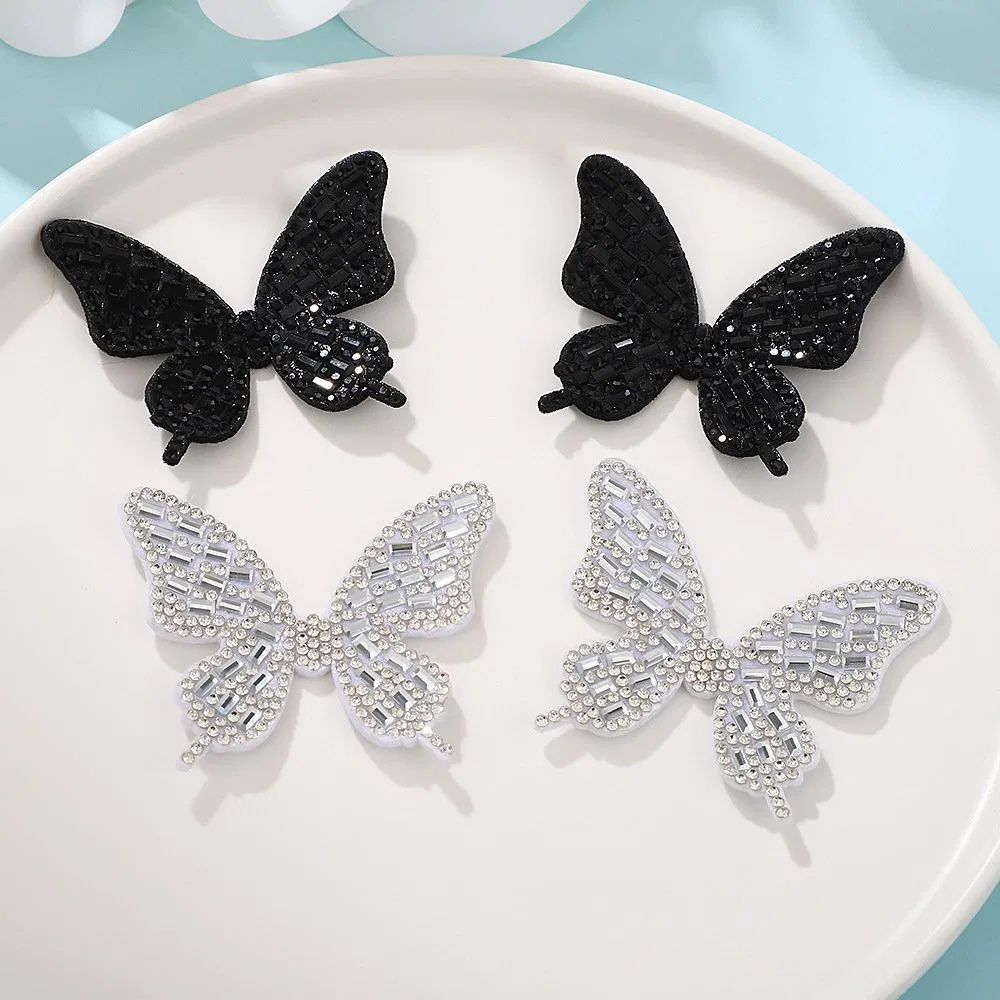
Open product →Rhinestone and Felt fabric · MOQ 100
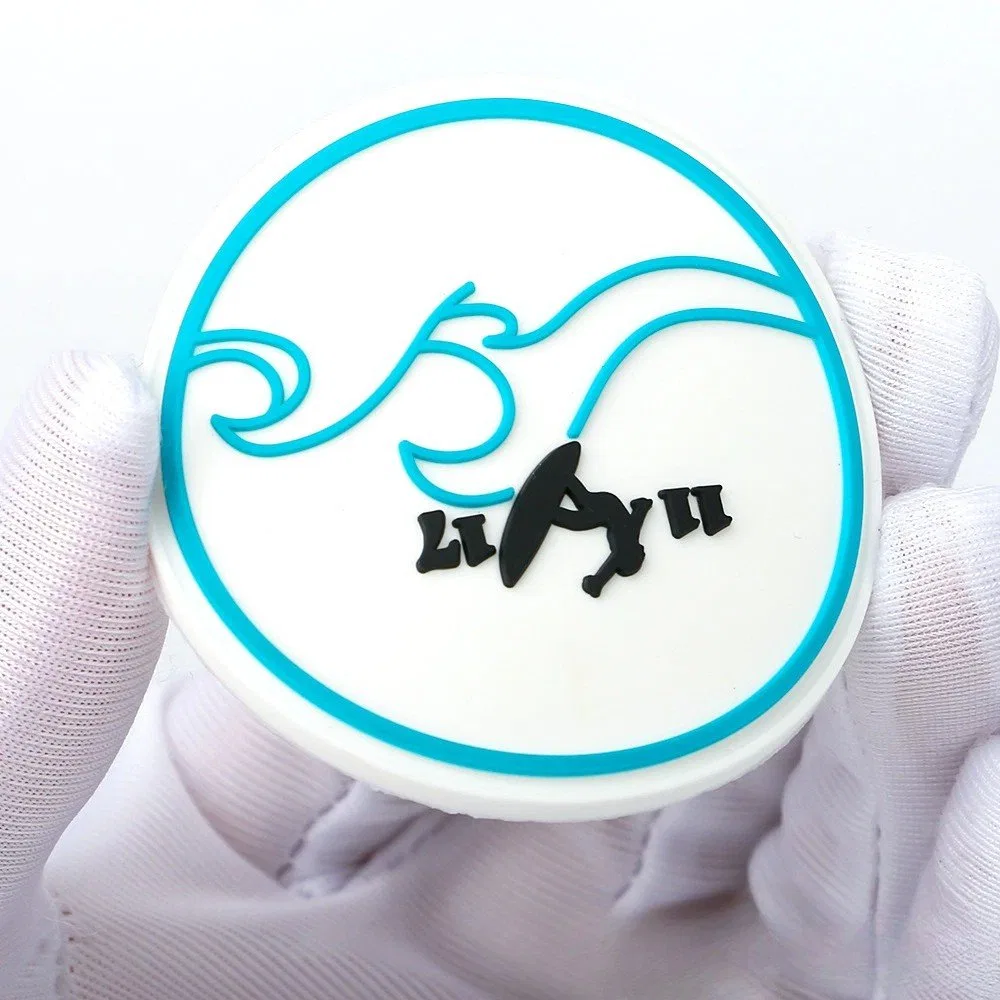
Open product →TPU · MOQ 100
Open product →silicone and rubber · MOQ 100
Open product →TPU and Fabric · MOQ 100
Open product →Common routes include sew-on, heat-seal, hook-and-loop and pressure-sensitive adhesive. Availability depends on patch construction, substrate and use.
Bond life depends on the adhesive, fabric, coating, application settings and care. Validate the complete system on production garments.
Sew-on is useful when stitching is acceptable, heat is unsuitable or the patch needs a mechanically secured edge.
It supports removable identifiers on uniforms, tactical gear, bags and panels designed with a compatible loop field.
Pressure-sensitive backing may support positioning or selected uses, but the supplier must define its intended service and testing requirements.
Apply the production-size patch to the actual substrate, condition it, then inspect bond, edge lift, appearance, flex and required care cycles.
Send patch artwork, garment details, placement, attachment preference, quantities and care requirements.