


Image data
Preserve edges, gradients, transparency and intended detail.
Order custom heat transfer logo prints as a controlled production system: artwork output, white underbase, PET carrier, adhesive, cut format and press recipe. We support bulk DTF transfers and PET film heat transfers for full-colour apparel graphics, names, logos and collection drops.
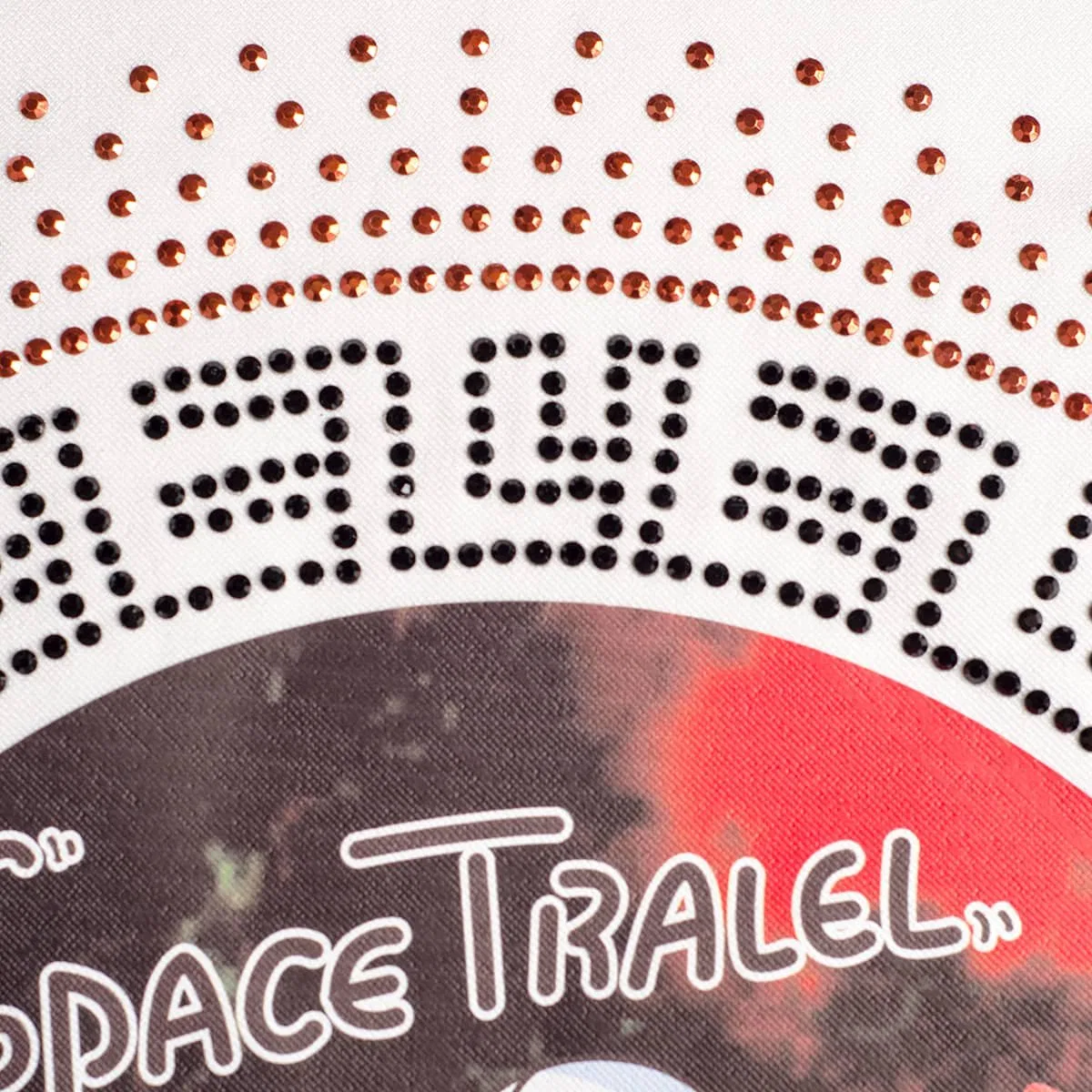
ART-01Editable vector or high-resolution transparent rasterRequiredSIZE-02Exact printed width, height and orientationRequiredCOLOR-03Colour intent, garment colour and underbase needsReviewREV-04Unique revision for every changed output fileControlA screen preview cannot show how white ink, adhesive and fabric colour interact after pressing.
Preserve edges, gradients, transparency and intended detail.
Set opacity support for dark and coloured garments.
Keep bonding support aligned without dirty halos.
Approve colour on the production-equivalent garment.
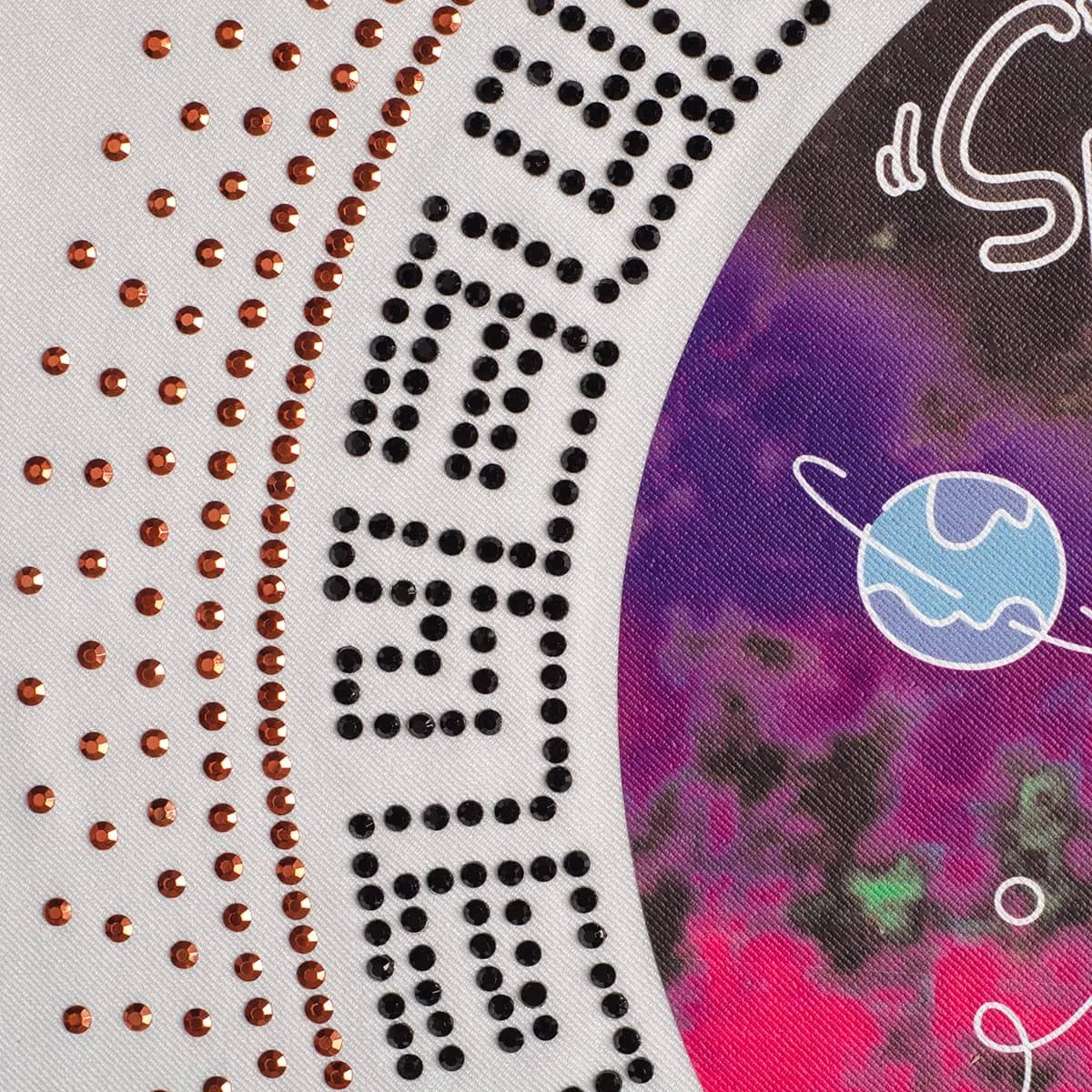
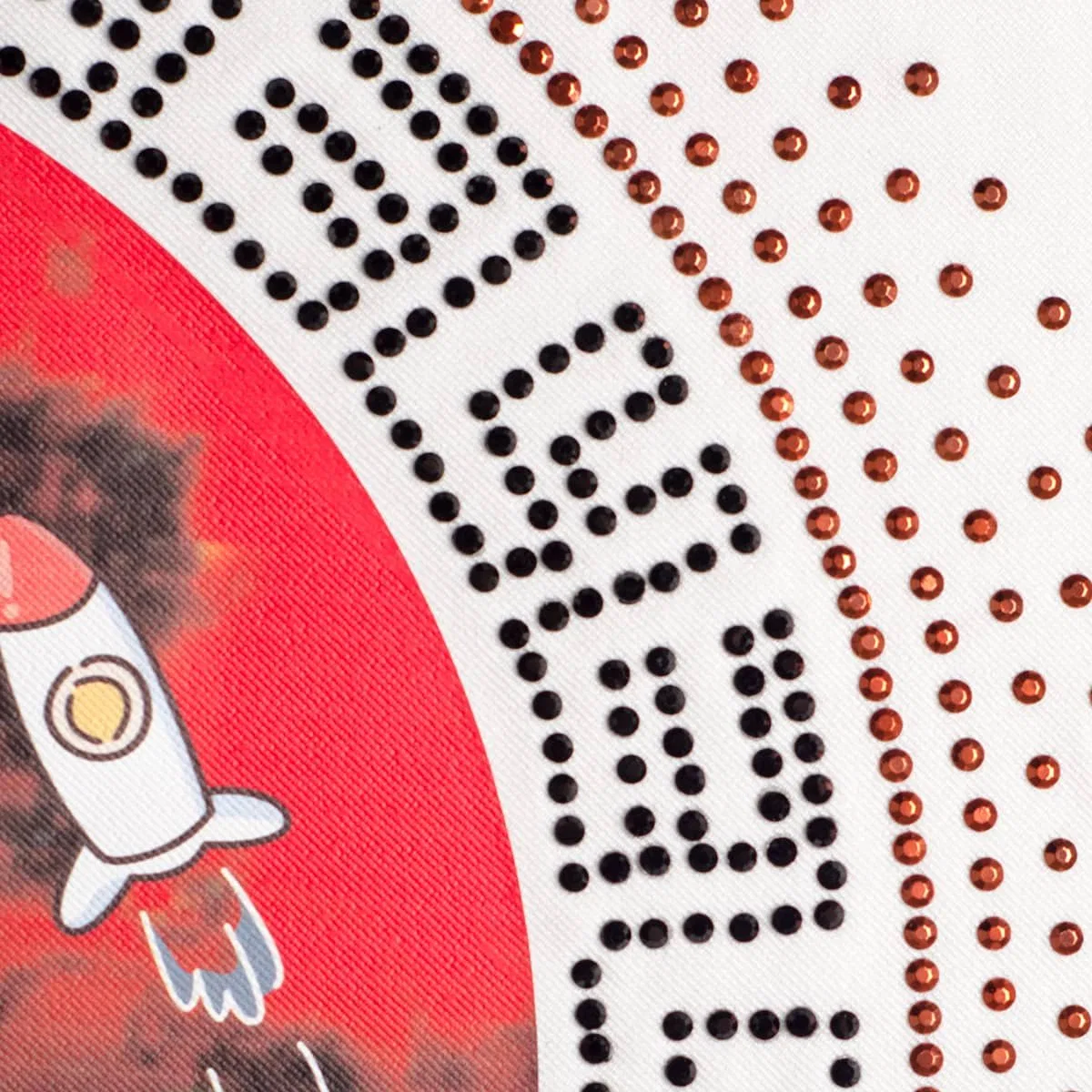
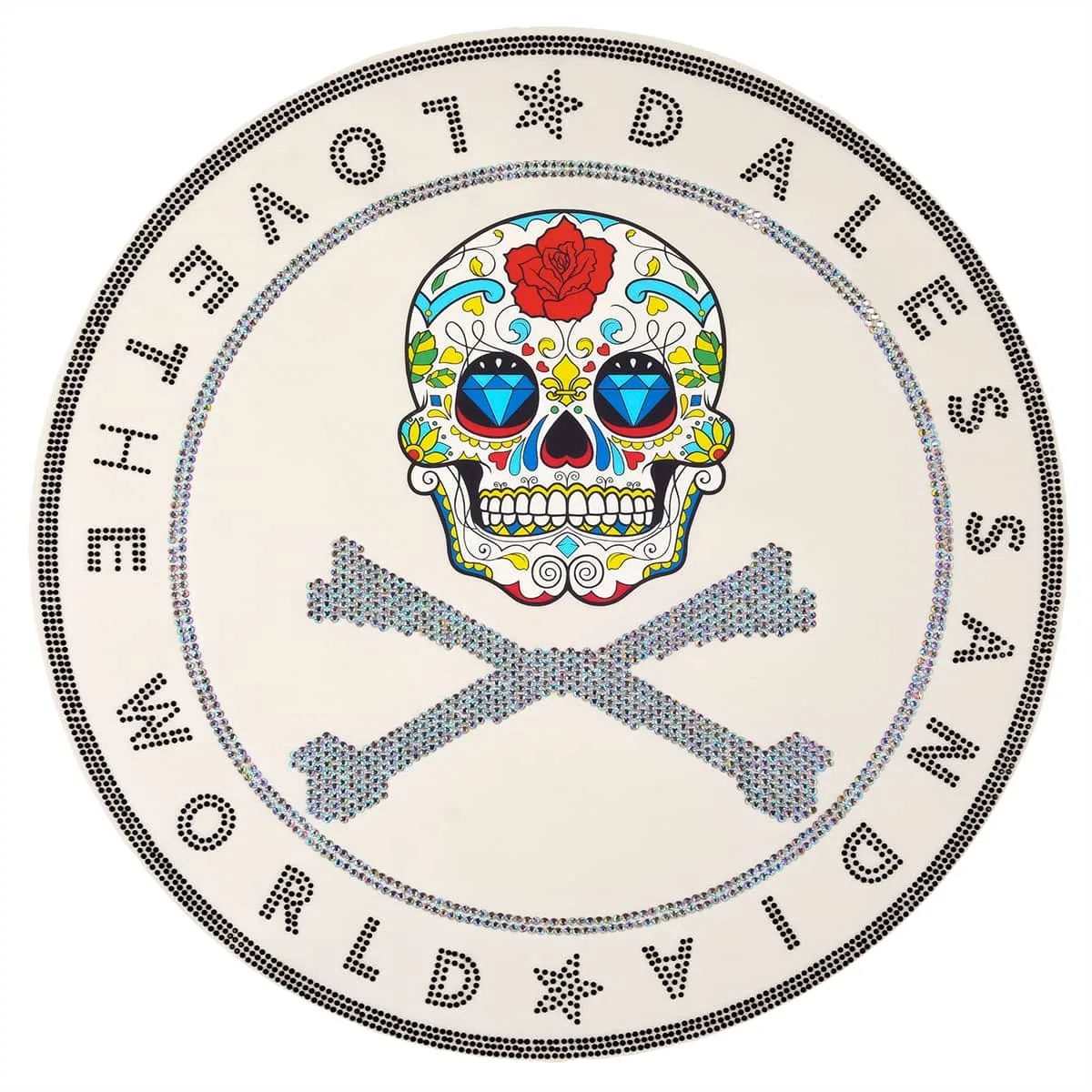
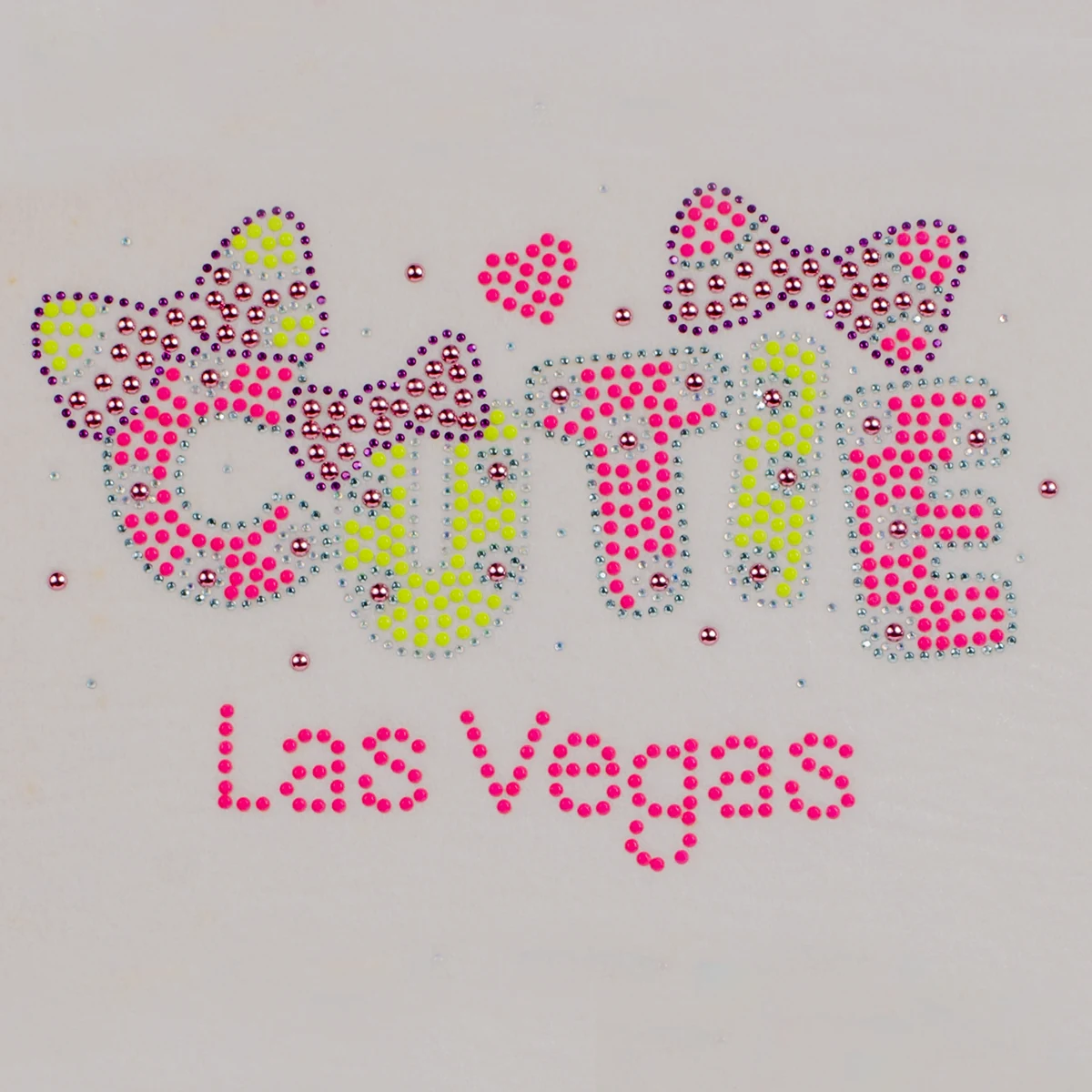
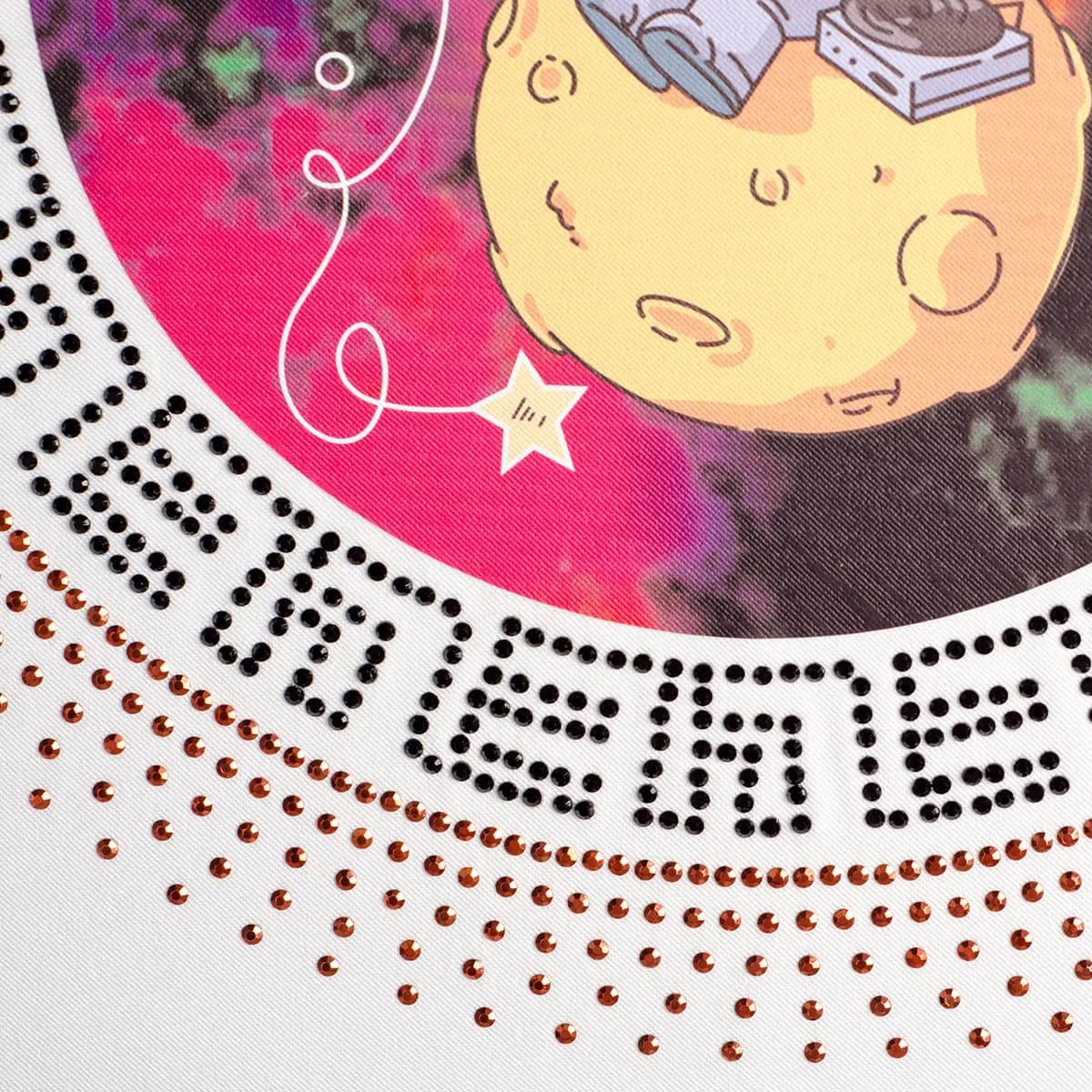
Issue one controlled instruction for the approved transfer and garment combination.
Fabric, seam and placement.
Moisture and surface.
Orientation and support.
Time, heat, pressure.
Issued timing and angle.
Second press if specified.
Rest before stacking.
Colour, detail, opacity, pinholes and contamination.
Flatness, release behavior, registration and handling damage.
Coverage, clean boundary and powder residue where applicable.
Bond, edge, surface, garment mark and placement.
Lift, cracking, colour change and distortion at agreed cycles.
Artwork code, size, lot, pack count and press recipe revision.
Carrier condition and adhesive cleanliness can be lost through poor sorting, humidity, dust, bending or excessive stacking. Define the receiving workflow in the packing brief.
Live cards use active catalog names, codes, materials, MOQs and pricing.
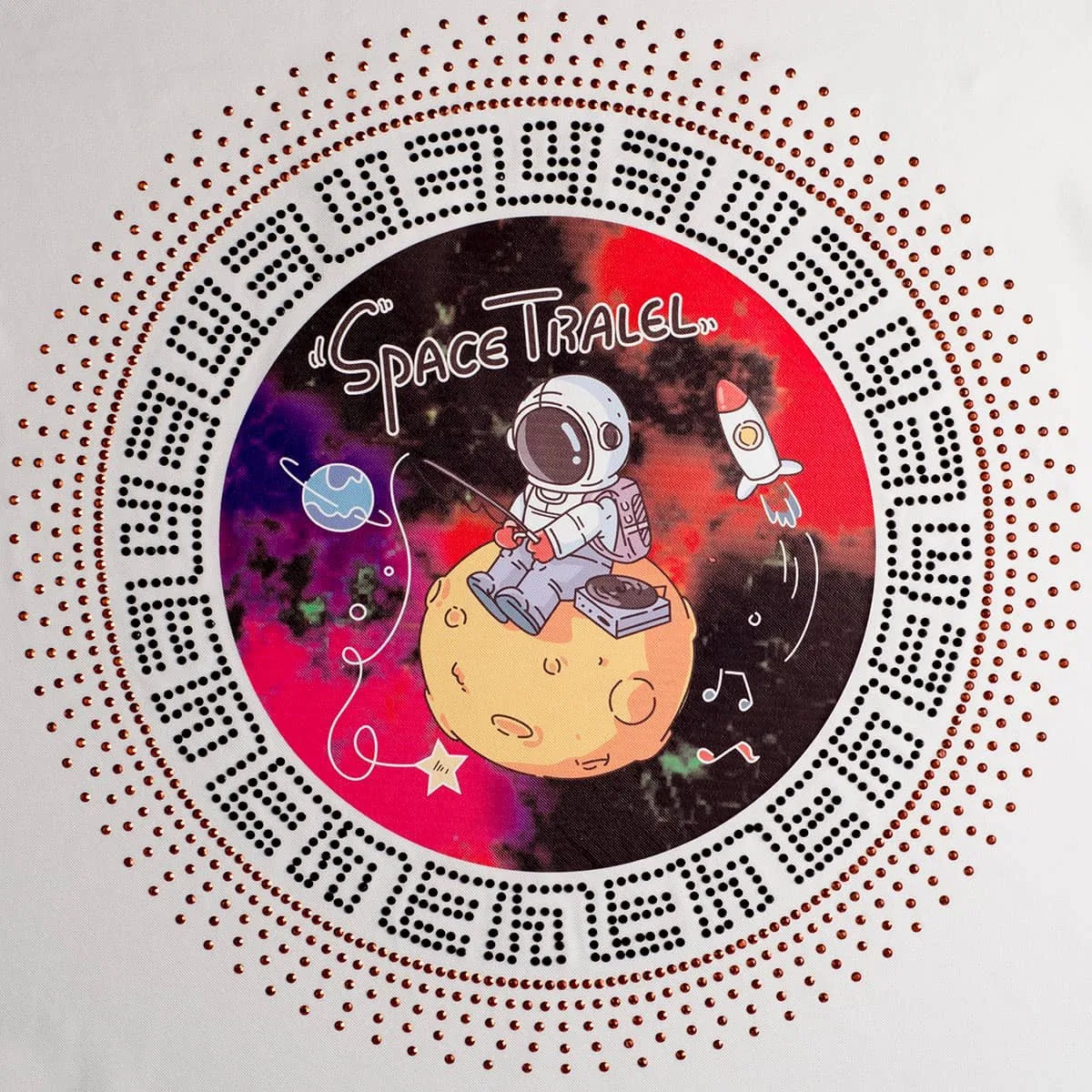
MOQ and unit price respond to print area, ink coverage, sheet use, artwork count, size split, cutting, packing and destination. Dates begin after proof and sample decisions are complete.
The decoration is supplied on a PET carrier in the approved sheet or individual-cut format. The quote should identify print system, carrier, adhesive layer, cut format, peel route and application instructions.
PET film is the carrier used in many transfer systems, while DTF commonly describes a particular direct-to-film print process. Use the supplier construction name and approved sample rather than treating every PET-carried print as identical.
They can be evaluated from production artwork. Minimum line, text size, white underbase, halftone treatment and output resolution should be confirmed on a true-size proof and press sample.
Specify individual cuts or gang sheets, separator needs, orientation, count per pack, humidity protection, carton labels and storage conditions. Packing should match the receiving press workflow.
Vector files are preferred for logos; high-resolution raster art may be accepted for photographic work. Supply output dimensions, colour intent, transparent areas, garment colour and a named revision.
Apply the actual bulk-equivalent print to representative garments with the issued recipe, then follow the agreed care test. Keep the approved garment, settings and transfer lot together as the production reference.
Include artwork, output size, garment, colour, quantities, pack format and delivery point.