


Permanent identity
One code links imagery, dimensions and specification.
Pre-made rhinestone heat transfers let print shops and apparel teams decorate with coded stock designs without developing every stone map from zero. Build a dependable program around assortment, inventory, application and reorder control.
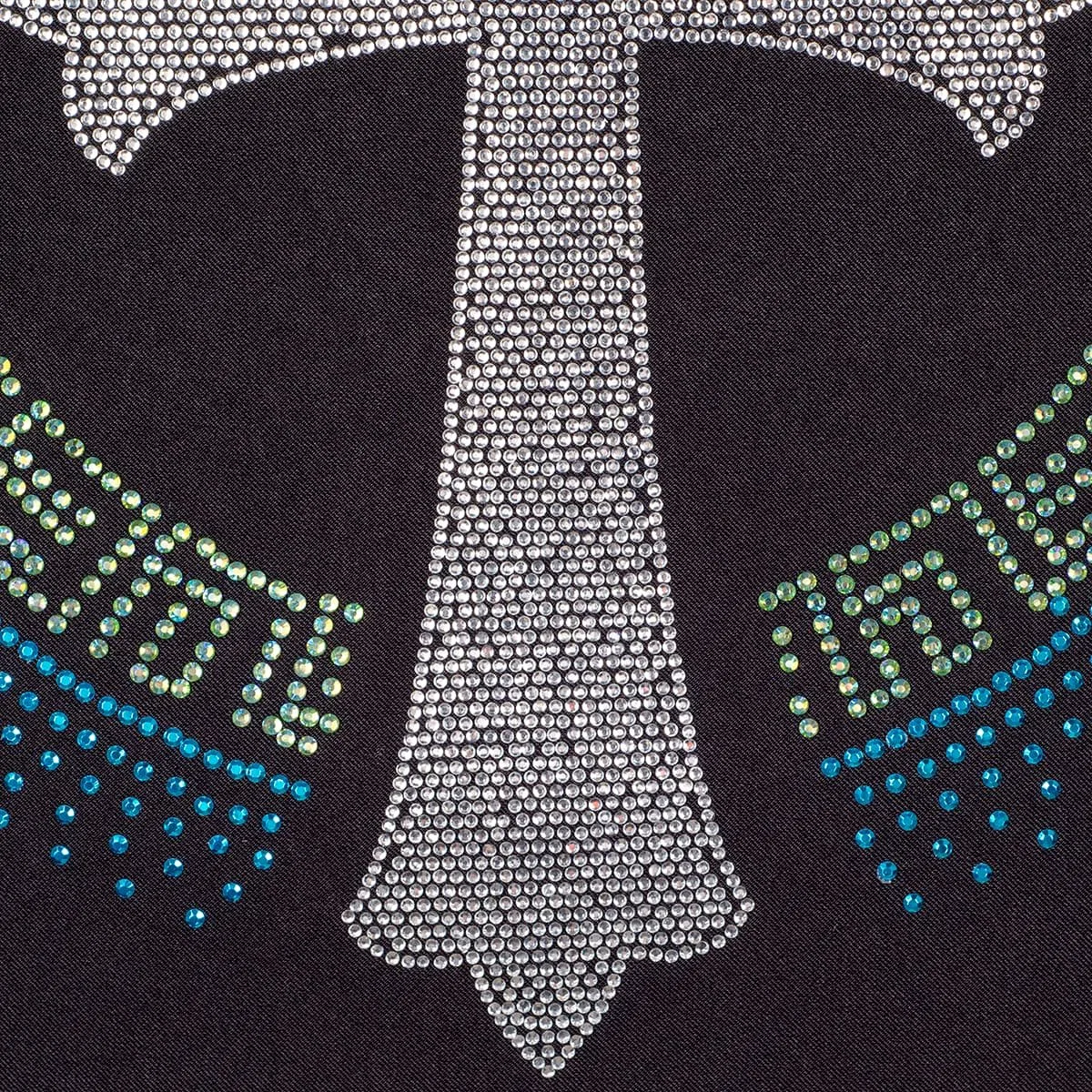
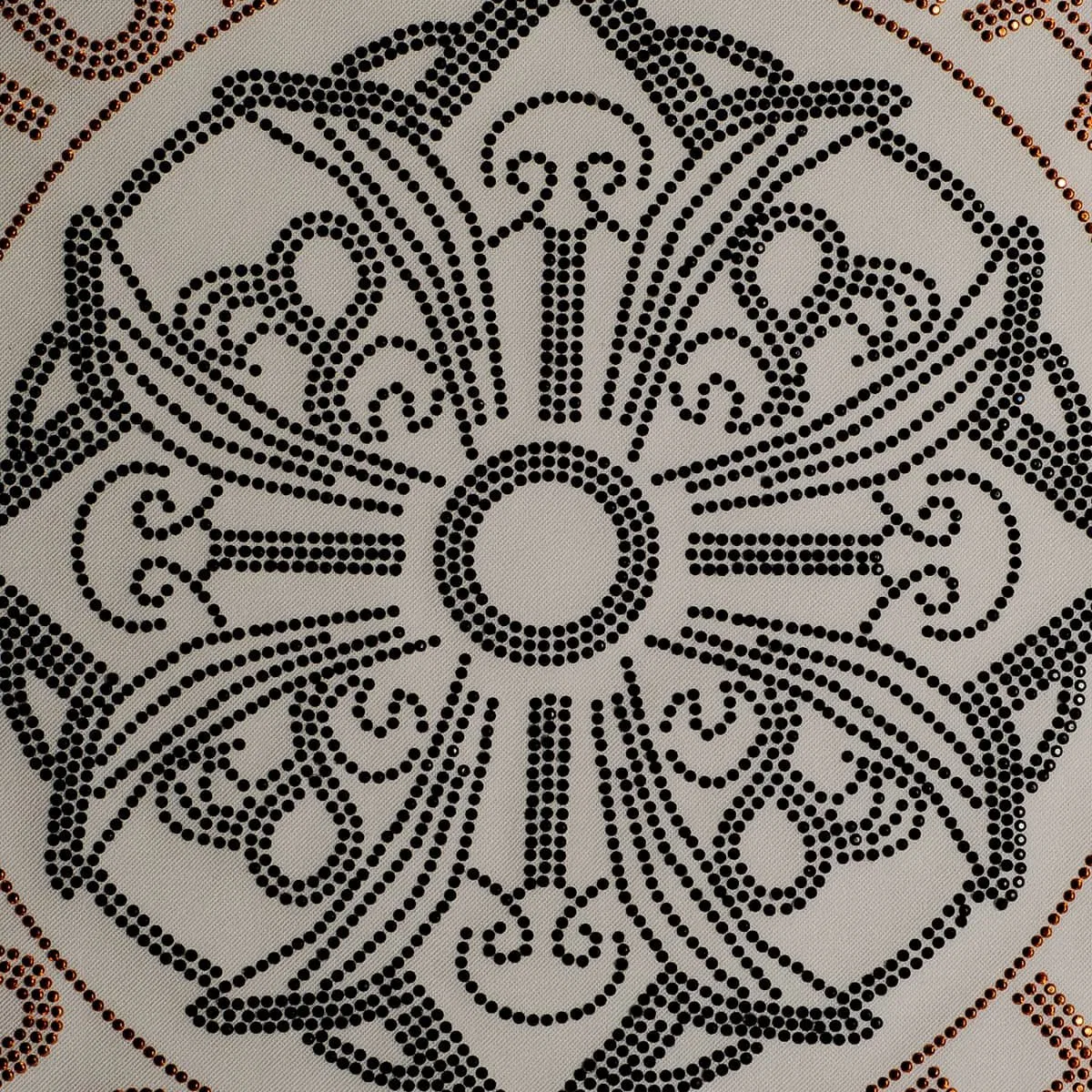
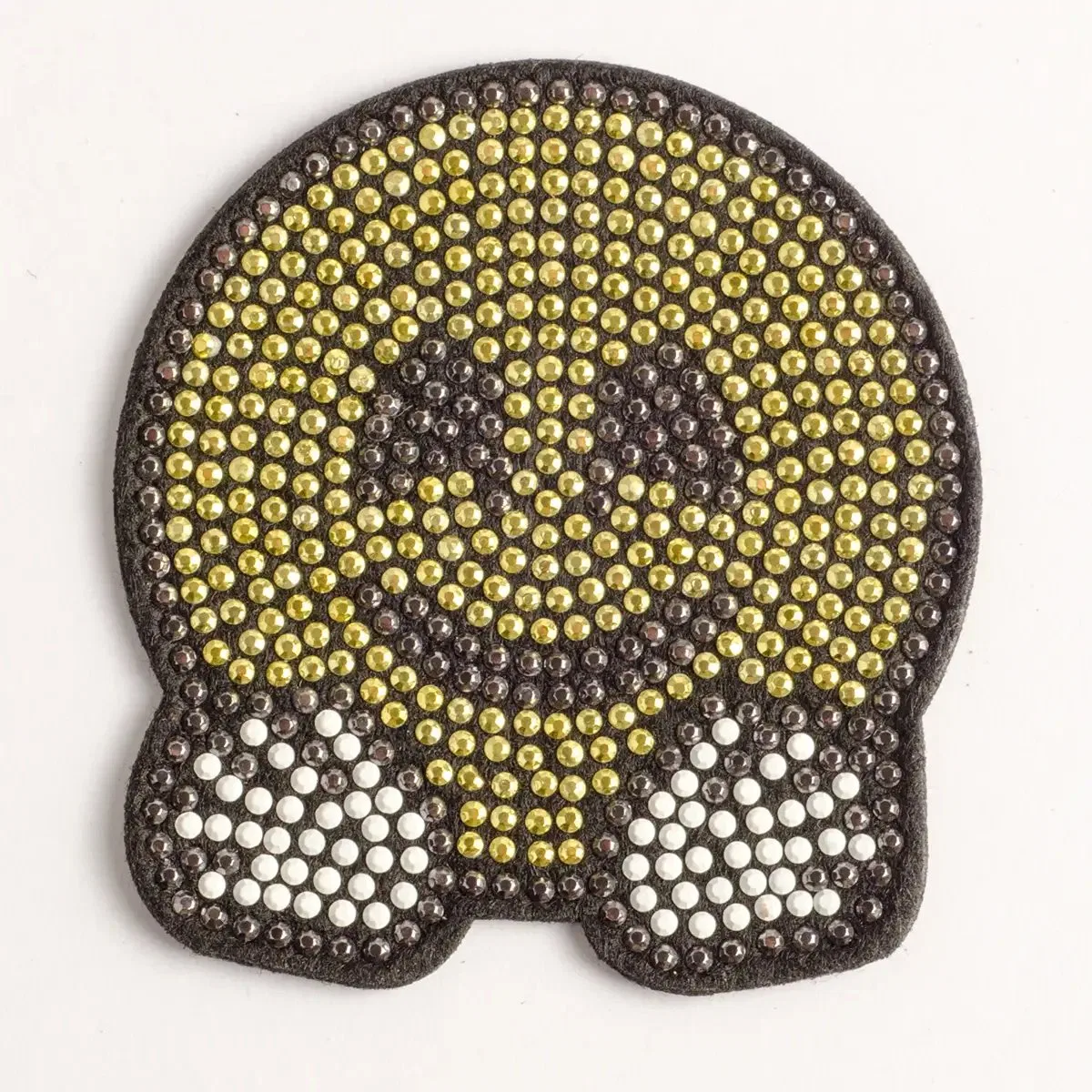
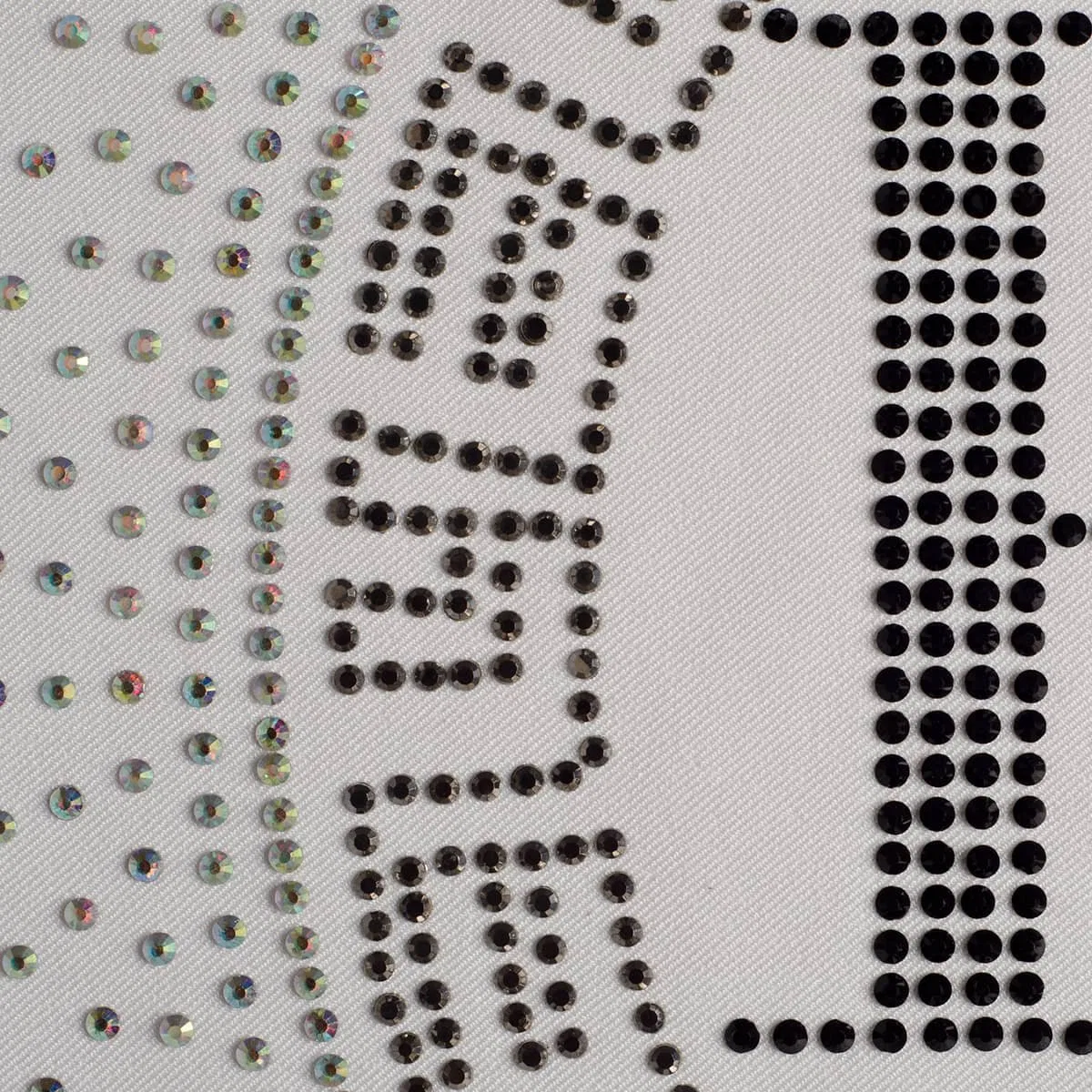
One code links imagery, dimensions and specification.
Record stone map, material and carrier changes.
Define units per bag and label position.
Retain an approved piece for comparison.
Initials, monograms and team copy.
Holiday and event designs.
Numbers, balls and mascot ideas.
Hearts, stars, wings and symbols.
City, travel and souvenir graphics.
Mixed cases need an explicit quantity ledger so receiving and resale counts remain accurate.
Higher quantities for established designs.
Smaller approved tests where terms permit.
Delivery dates aligned to selling windows.
Chest, pocket, sleeve and youth scales.
Garment-colour-specific assortments.
Reorder point and stock-cover target.
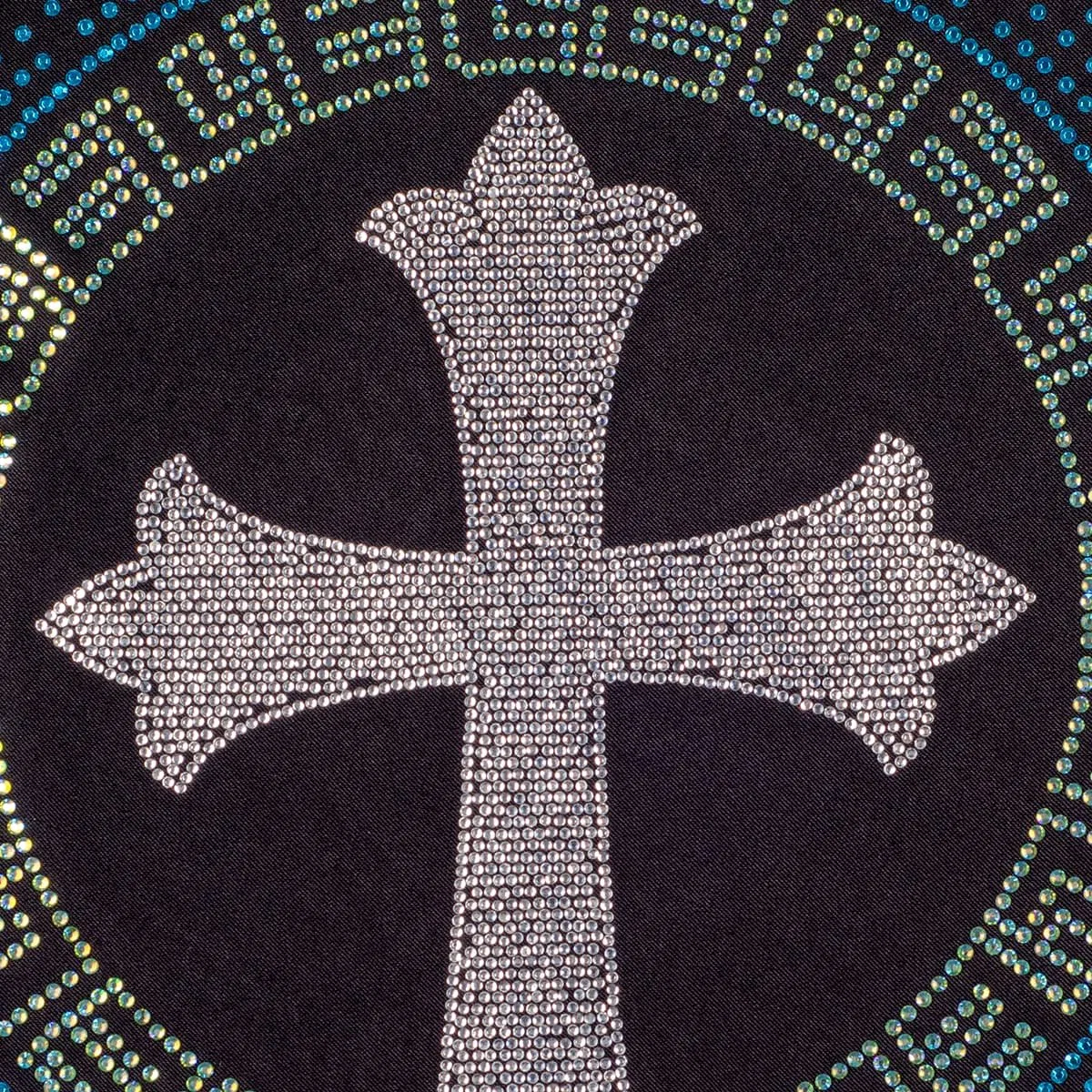
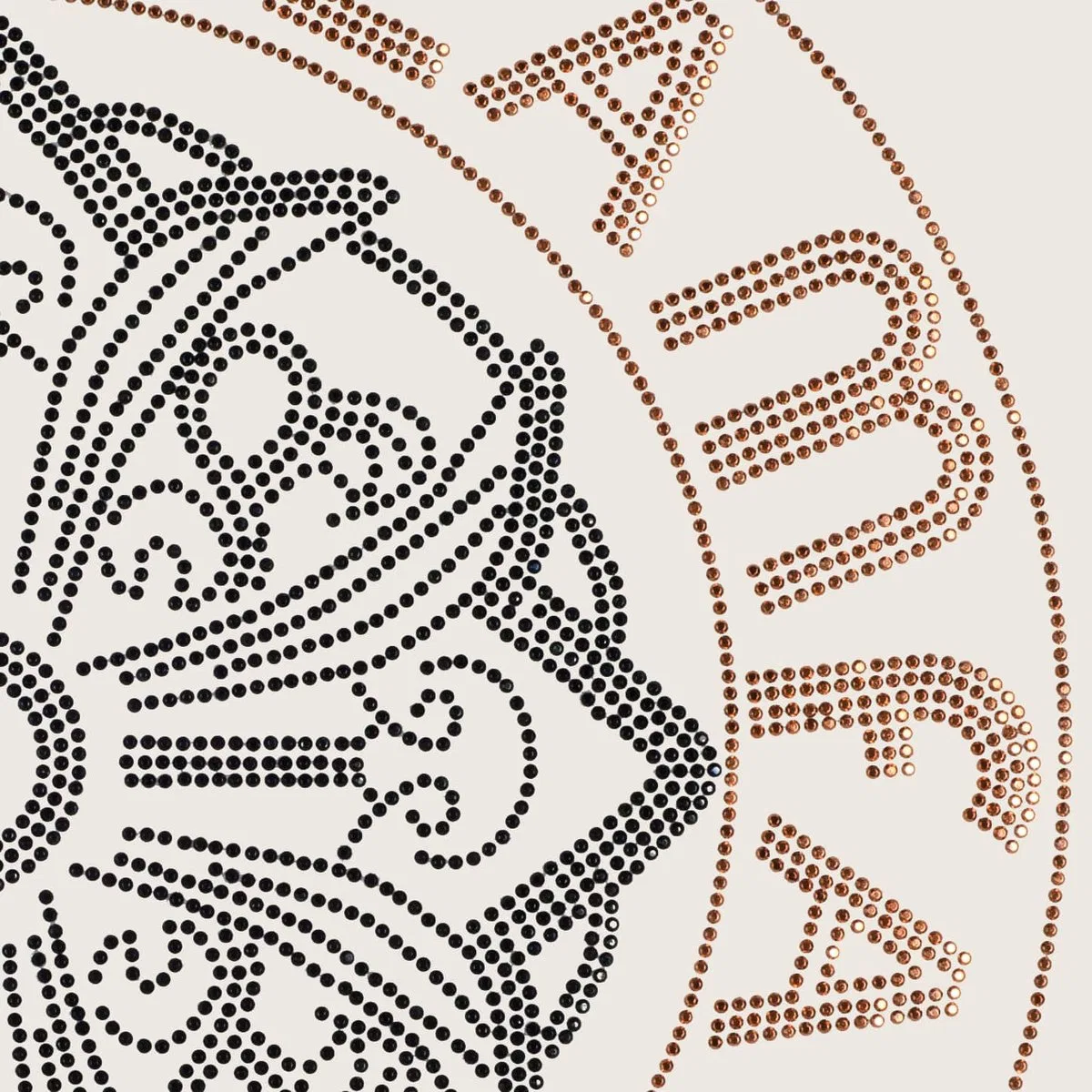
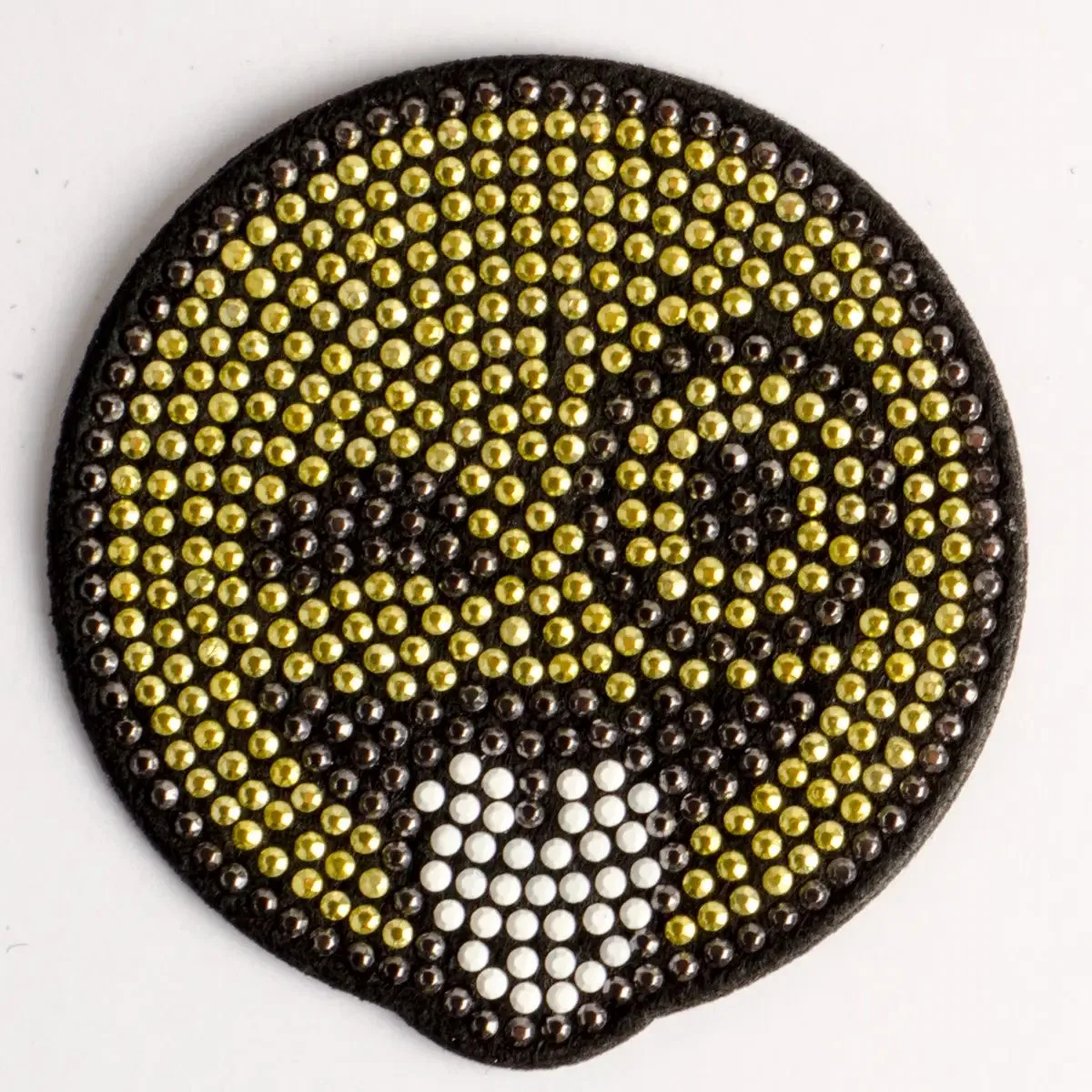
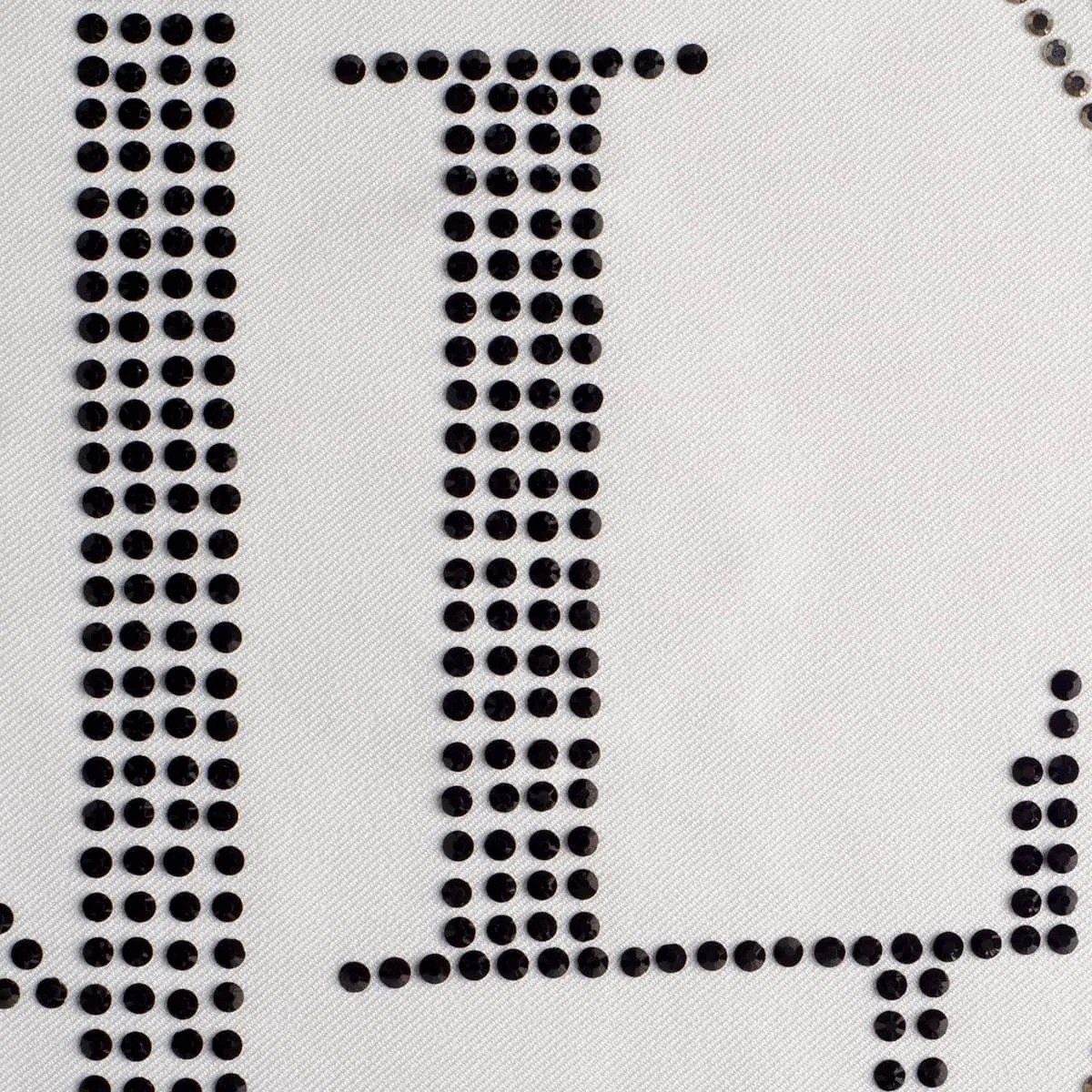
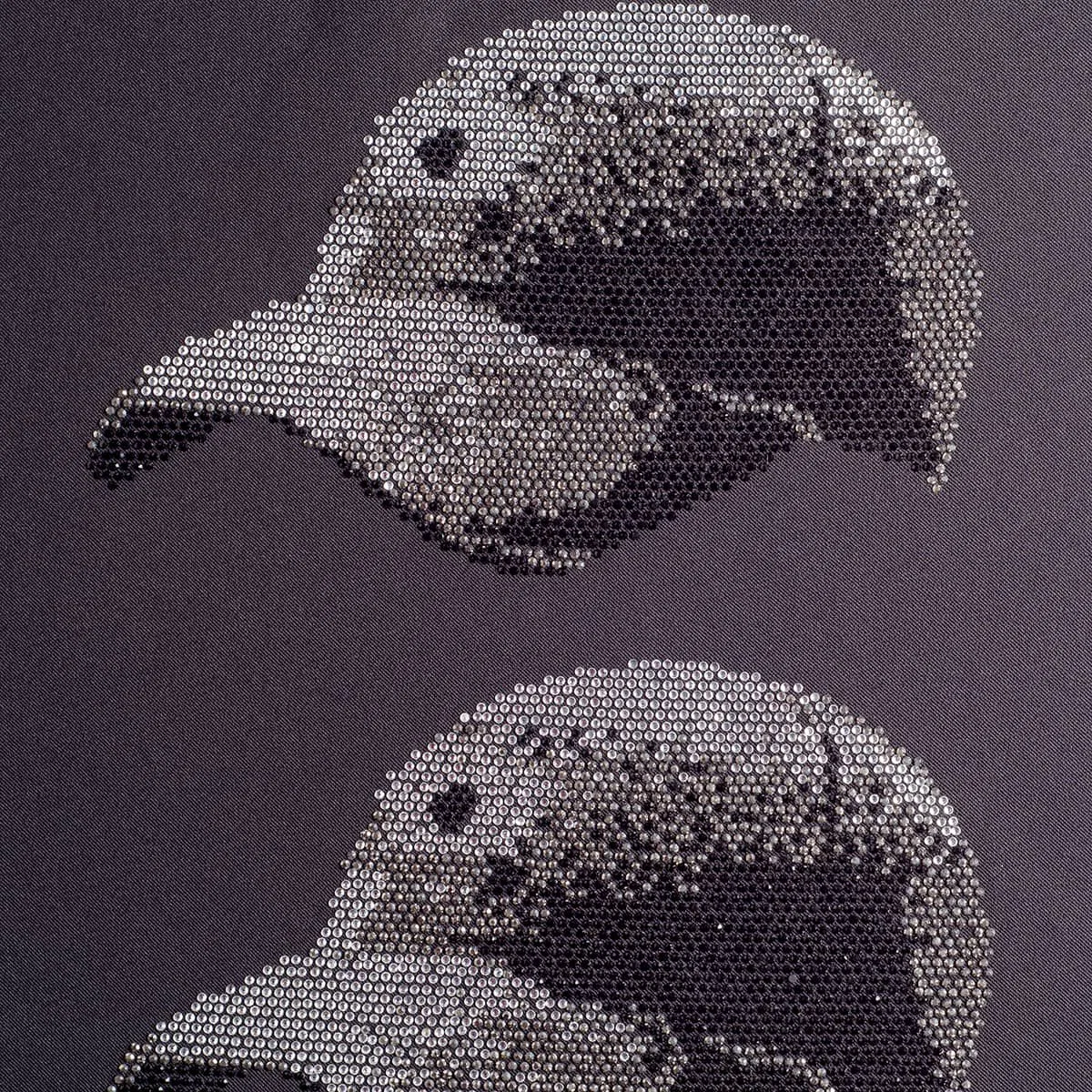
| Record | Why it matters | Reorder check |
|---|---|---|
| Design code | Prevents look-alike substitution | Exact code and revision |
| Dimensions | Controls garment placement | Width, height and orientation |
| Stone map | Defines count and colour | Approved physical reference |
| Carrier | Affects handling and application | Same format or disclosed change |
| Pack label | Supports receiving and picking | Code, count, lot and instruction |
Count and inspect.
Flat, clean, protected.
Match code to order.
Use placement datum.
Validated instruction.
Inspect finished garment.
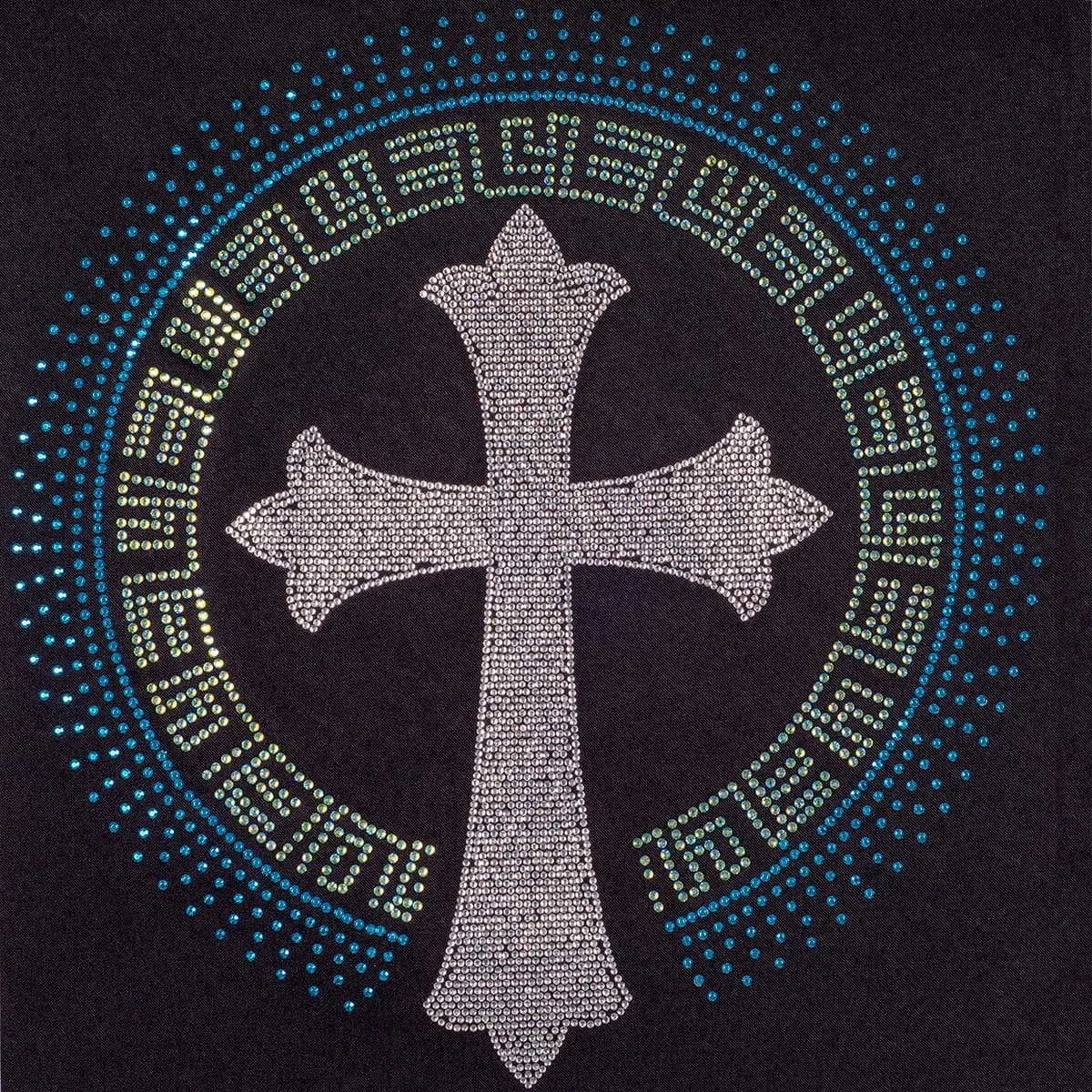
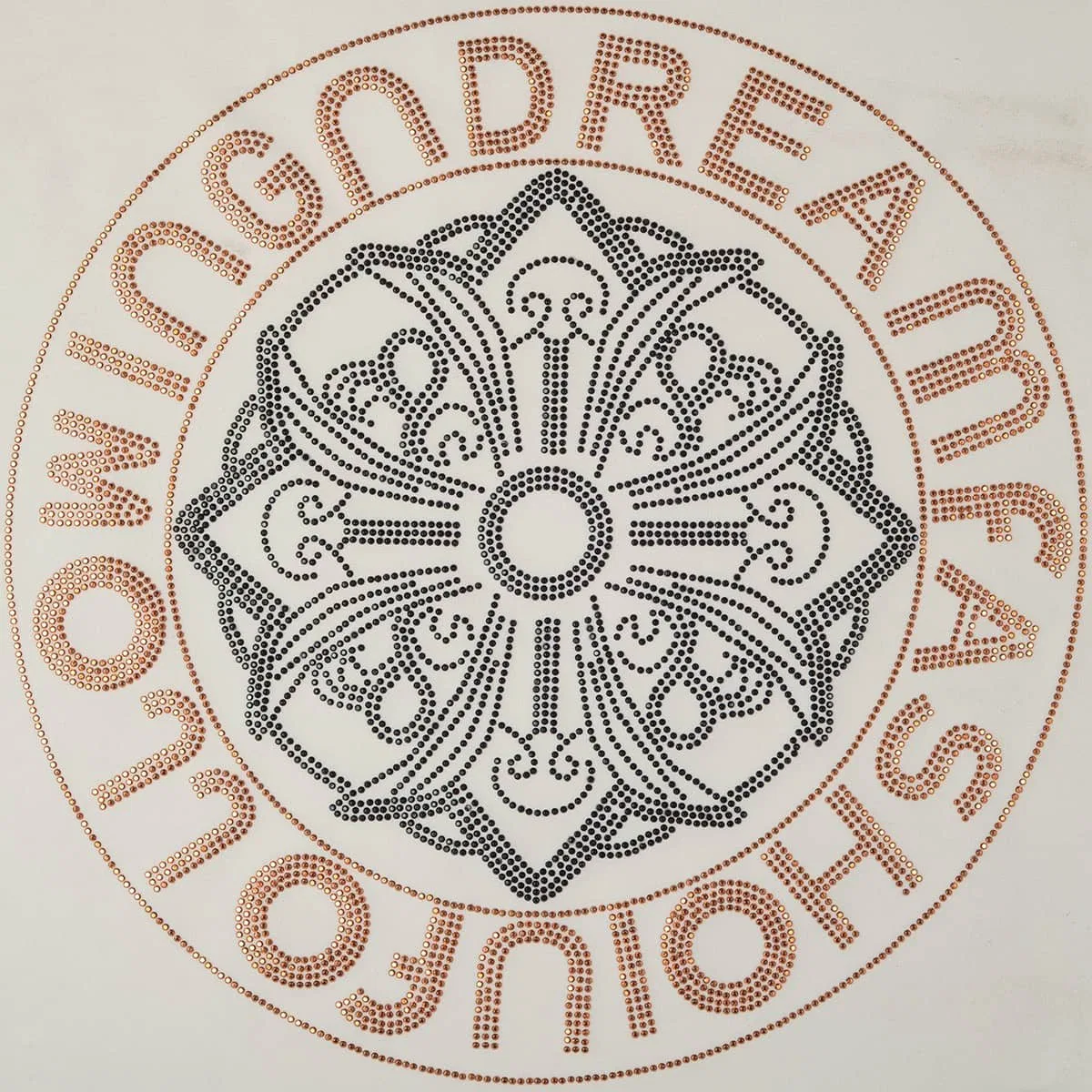
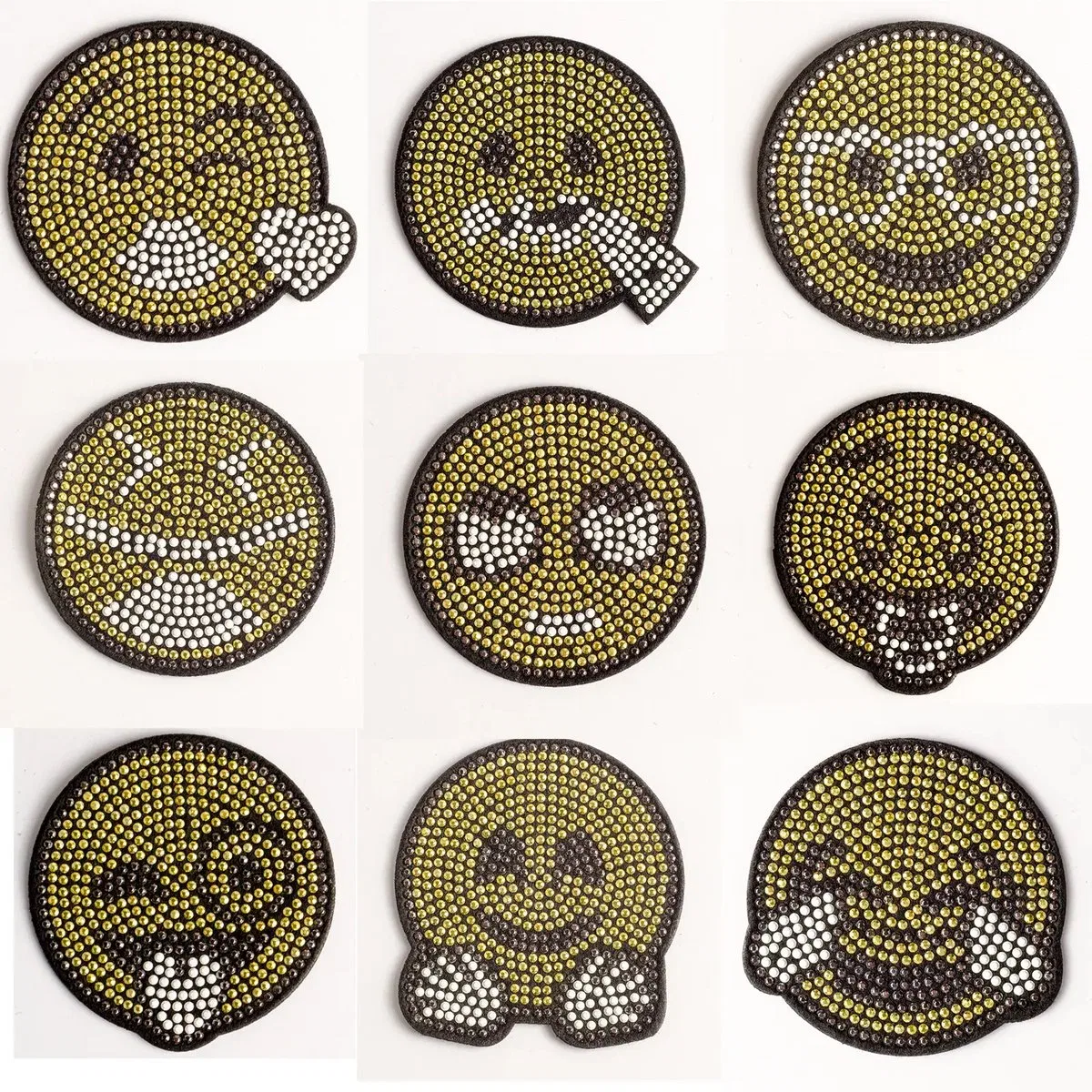
Group compatible blanks, validate each fabric family and publish only the placements and colours your line can reproduce consistently.
Compare design MOQ, assortment terms, pack counts, freight, defect allowance and replenishment lead time rather than a transfer-only unit price.
It is a stocked or repeatable design supplied on a carrier for later garment application. Confirm design code, dimensions, stone specification and application instruction.
Assortments may be possible when pack counts and minimums are confirmed. Submit quantities per design rather than only a total order quantity.
They can support short-run decoration when inventory, design coding and application control are organized. Test each garment family before offering it.
Use the same product code, revision, dimensions, stone map, carrier and approved sample. Ask whether any material substitution is proposed.
Some designs can be recoloured or resized, but that becomes a version-specific production job and may change MOQ, price and lead time.
Keep carriers flat, clean and protected according to the supplier guidance for temperature, humidity, light and shelf life.
Send preferred themes, dimensions, design quantities, garment types, packing and destination.