


Structured moulding
Define compound, hardness and service target.
PVC vs silicone patches cannot be decided by appearance alone. Compare compound, hardness, thickness, relief, colour, backing, garment placement and market-specific evidence in one approved specification.
Define compound, hardness and service target.
Define formulation, feel and surface target.
Approve a physical hardness and thickness reference.
Number height levels and minimum gaps.
Define abrasion, flex, temperature and exposure.
Name restricted substances and market scope.


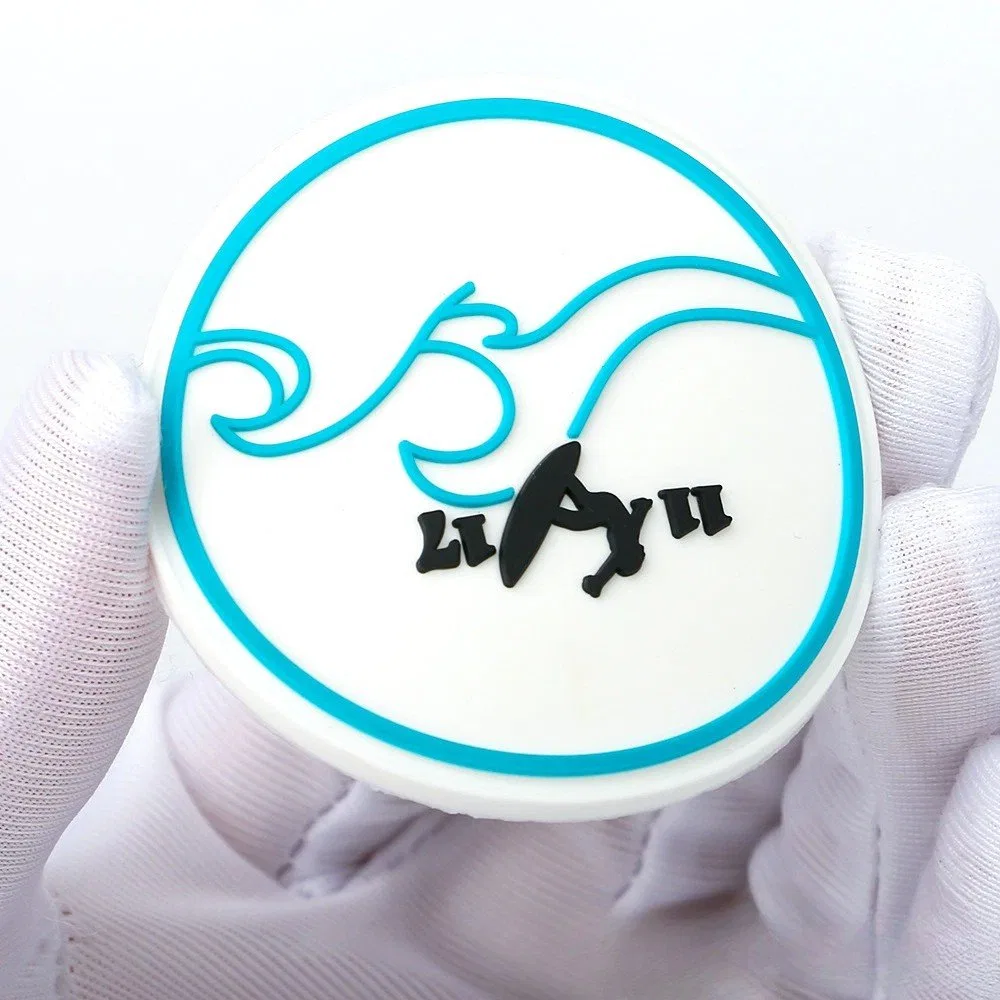

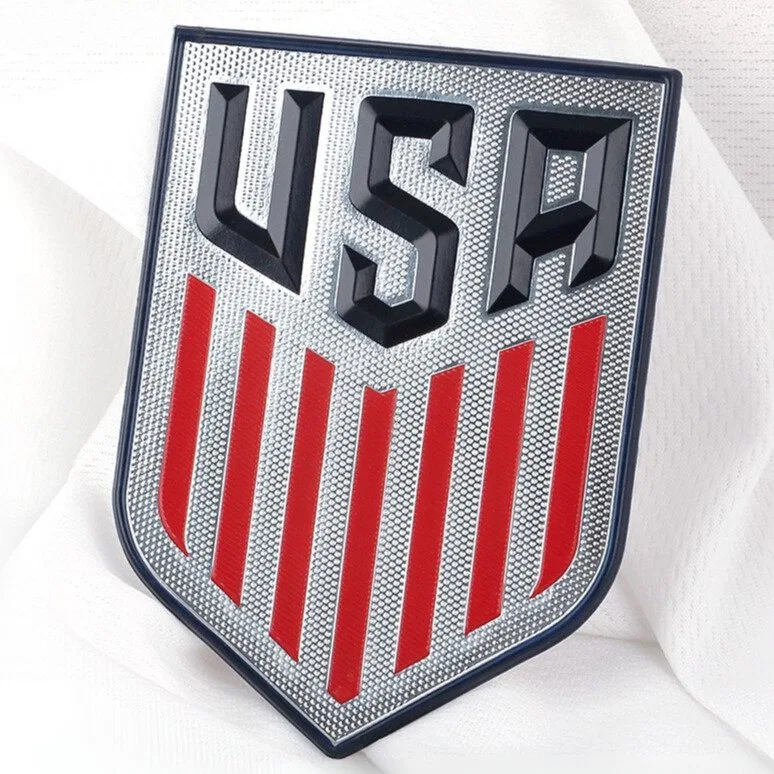

Words are subjective. Compare retained references made at the target size, relief and thickness.
Agree a target or physical limit sample.
Bend and release the finished patch.
Approve matte, gloss and texture.
Use a vector master with a numbered relief key and true-size view.
Reserve a perimeter for mechanical stitching.
Validate adhesive and press recipe on garment.
Define mating field, coverage and edge.
Review moulding or assembly into the product.
A generic statement is not a substitute for product, material and market scope.
Compound reference, colour and supplier lot.
Named regulation, customer standard or restricted list.
Sample description, method, date and result.
Trigger for retest or renewed declaration.
Colour, contamination, fill and surface.
Size, thickness, relief and edge.
Bond, stitch zone or mating performance.
Flex, abrasion and required care.
TPU and PVC · MOQ 100
View product →Silicone · MOQ 100
View product →silicone and rubber · MOQ 100
View product →TPU · MOQ 100
View product →TPU and Silicone · MOQ 100
View product →TPU Leather · MOQ 100
View product →They are different polymer systems with distinct formulation, feel and processing. Define the required performance and verify the supplied compound evidence.
Hand feel depends on formulation, hardness, thickness, relief and backing. Compare approved samples built to the intended dimensions.
Both can use dimensional construction, subject to process limits for height, spacing, colour boundaries and edge definition.
Heat-applied constructions may be available. Validate adhesive and press settings on the actual garment fabric and finish.
Name the market and restricted-substance requirement, then request current scope-matched reports, declarations and material traceability.
Provide artwork, dimensions, relief map, colours, hardness or feel target, backing, placement, garment, quantities and evidence requirements.
Send artwork, dimensions, relief, garment, backing, quantities and required evidence.