


Specification
What attributes and tolerances define the product?
Garment accessory quality control should compare a defined lot against an approved specification and agreed acceptance rules. Build inspection around measurable product attributes, application evidence, packaging accuracy and traceable disposition of any defect.
What attributes and tolerances define the product?
How, where and with which equipment are they checked?
How many units and which acceptance rules apply?
Who releases, reworks, replaces or rejects the lot?
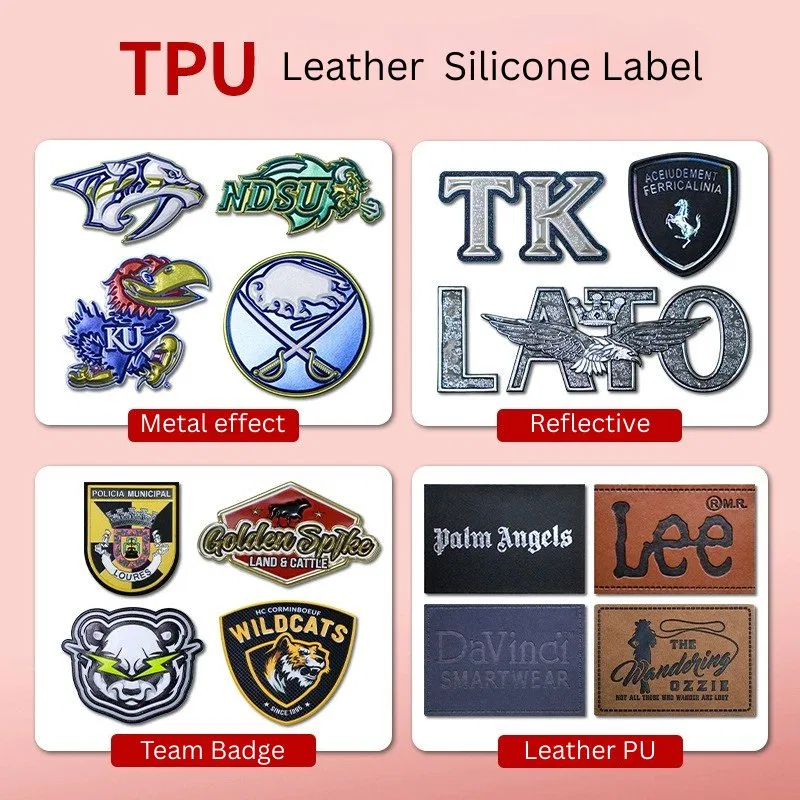
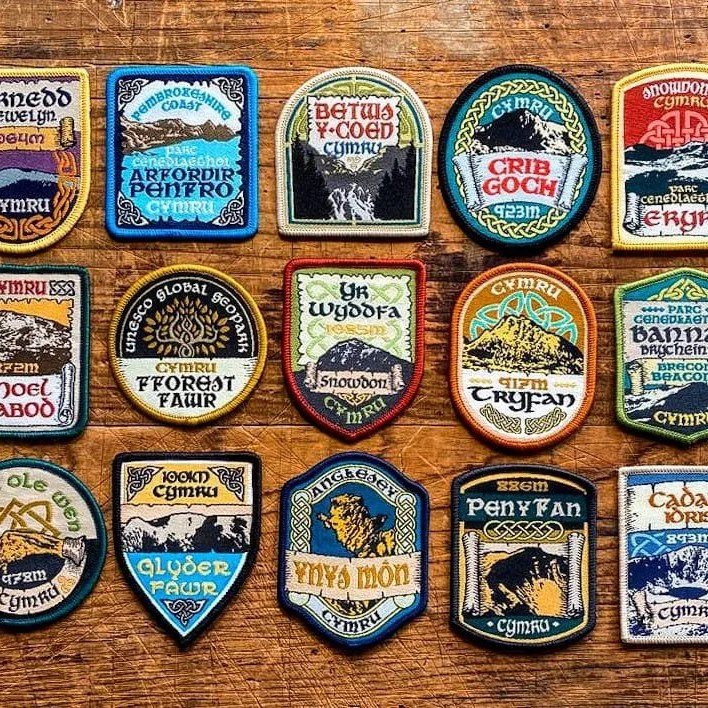
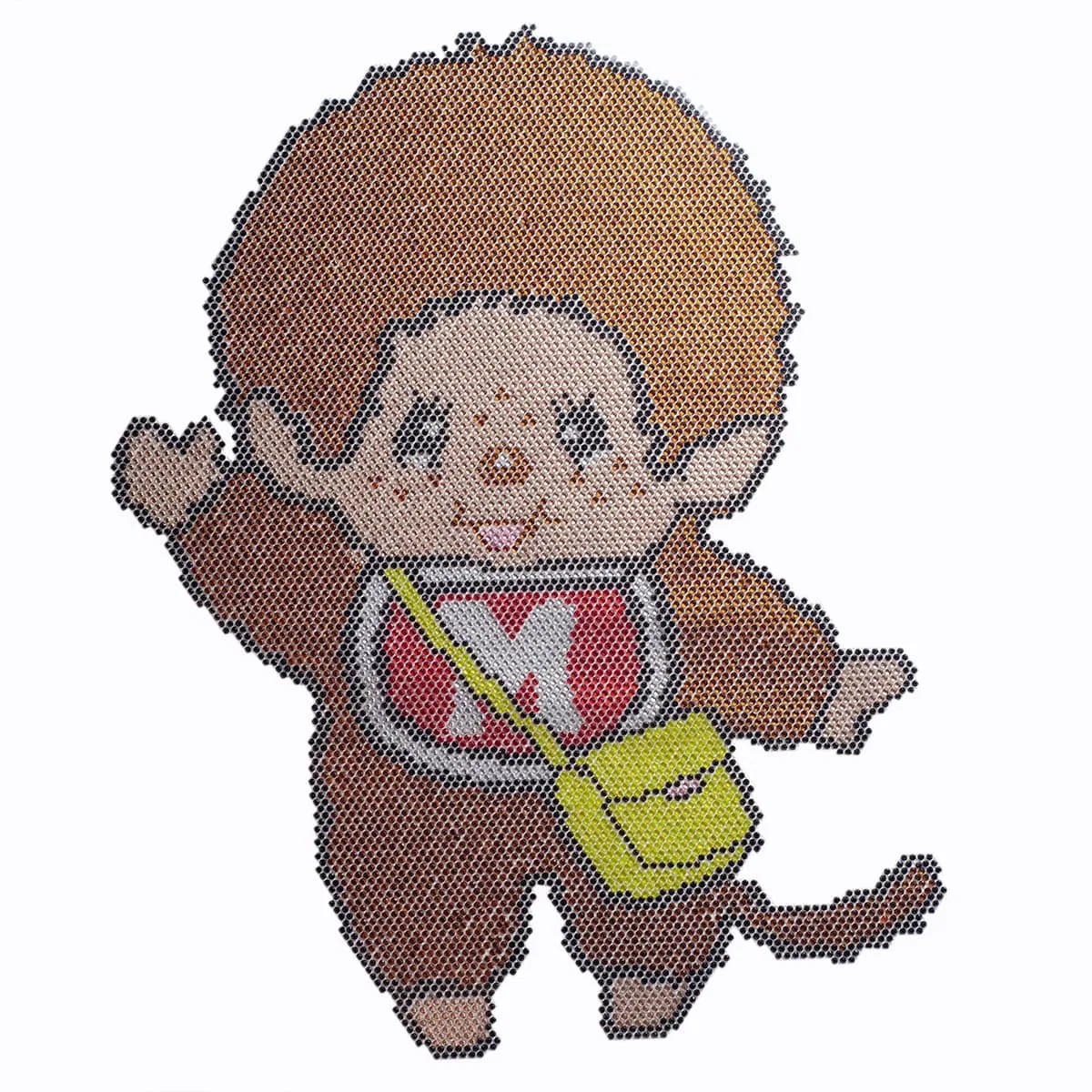
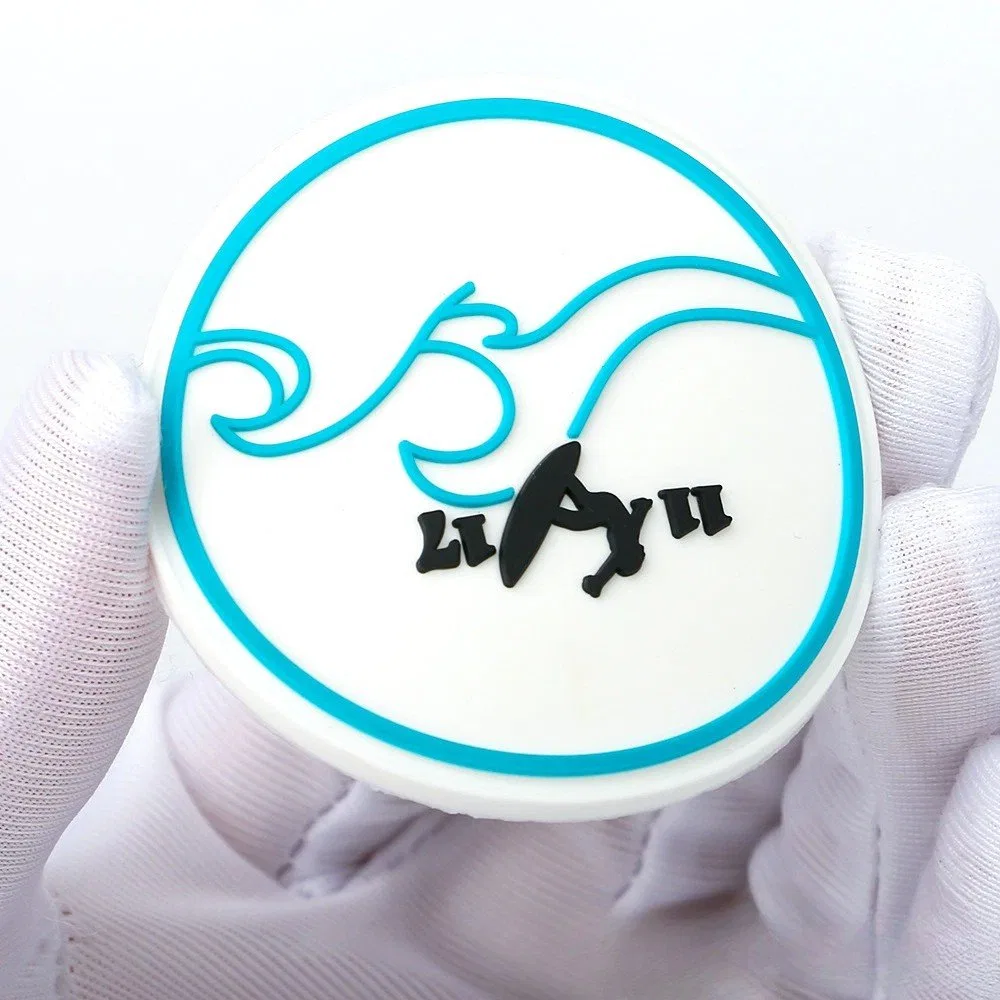
Final inspection cannot efficiently repair a problem copied through the whole order. Place checks where a decision can still change the outcome.
Materials, components and colour references.
Setup, dimensions and visible construction.
Consistency while the order is being made.
Finished product, quantity and packing.
Review lifting, cracking, distortion, colour and appearance after the agreed sequence.
Use a defined direction, width, rate, conditioning and pass criterion.
Evaluate patches, hardware or components with a documented fixture and load.
Assess print, coating, colour or finish under an agreed abrasion method.
Measure declared points with tolerances appropriate to the construction.
Classify contamination, damage, alignment, missing elements and pack errors.
Agree the lot definition, inspection level, sample size, defect classes and acceptance limits before inspection. Record the standard or table used and the actual counts found.
A safety, legal or unusable condition as defined by the buyer’s requirements.
A functional or visible failure likely to affect intended use or saleability.
A departure from specification with limited effect on use or appearance.
Identify lot and isolate suspect units.
Record evidence against the requirement.
Approve rework, replacement or rejection.
Reinspect the completed disposition.
Record cause and corrective action where needed.
TPU and Silicone Leather · MOQ 100
Review product →High-quality Embroidery Thread · MOQ 100
Review product →Rhinestone DMC · MOQ 50
Review product →silicone and rubber · MOQ 100
Review product →Silicone · MOQ 100
Review product →Rhinestone DMC · MOQ 50
Review product →Inspect the attributes that define the approved product: identity, dimensions, artwork, colour, construction, backing, visible defects, quantity, packing and any agreed performance tests.
AQL is a statistical sampling framework used to choose sample size and acceptance criteria for a lot. The buyer and supplier must agree the inspection level and defect limits; it is not proof that every unit was examined.
Apply it to the intended production fabric with documented settings, condition it as agreed, run the specified care cycles and assess adhesion, cracking, lifting and appearance.
A defined pull or peel method can compare attachment strength under controlled conditions. The method, equipment, rate, direction and acceptance criteria must be specified.
Inspection access, timing, scope, costs and reporting should be agreed before production completion. Provide the agency with the approved specification and acceptance rules.
Identify the affected lot, classify the issue, contain suspect goods, document the disposition and verify any rework or replacement before release.
Send the construction, garment use, acceptance criteria, quantity and required test evidence.