


Ambient
Review colour, fine type and visual balance without direct illumination.
Reflective heat transfer labels add brand identification and directed-light response to workwear, outdoor apparel, bags and footwear. Plan the retroreflective face, logo contrast, label geometry and heat application as one garment system.

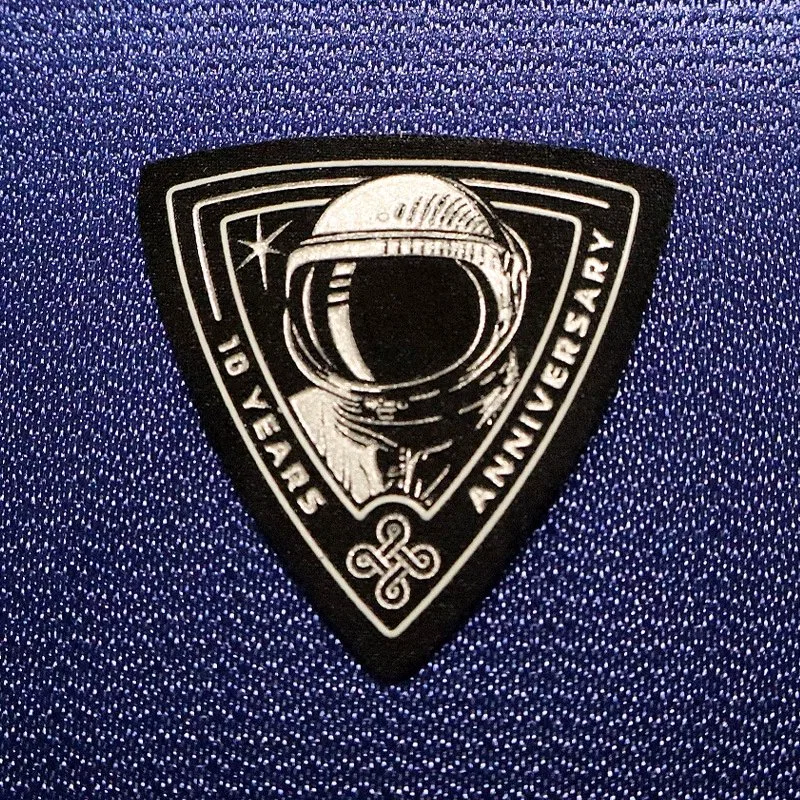
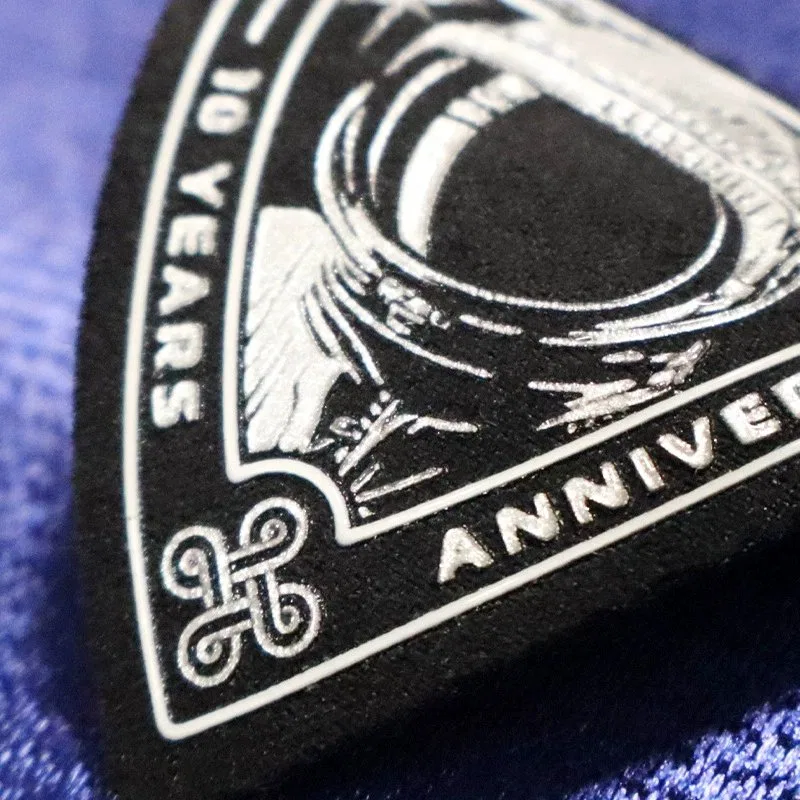
A reflective logo transfer is not judged only by its silver appearance on a desk. The incident light source, viewing angle, surface direction and coloured print zones change what the eye sees. Document both normal-light brand reading and the intended retroreflective response.
Review colour, fine type and visual balance without direct illumination.
Photograph from a controlled light/view position to compare returned light.
Check distortion and edge lift when the garment bends away from the viewer.
Placement affects recognition, application pressure and the area available for a custom safety logo.
Keep clear of pockets, plackets and heavy seam build-up. Confirm readable size at normal distance.
Allow for curvature and flex. A smaller graphic can conform better than a wide rigid block.
State orientation by wearer side and check access for the lower press platen.
Test coated textiles and shaped components individually; apparel settings may not transfer.

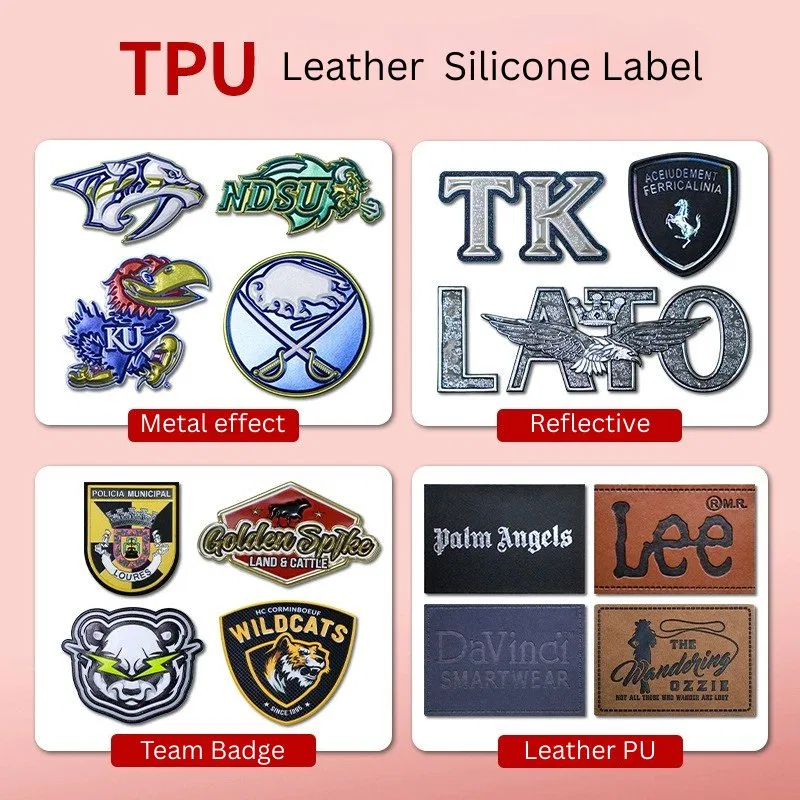
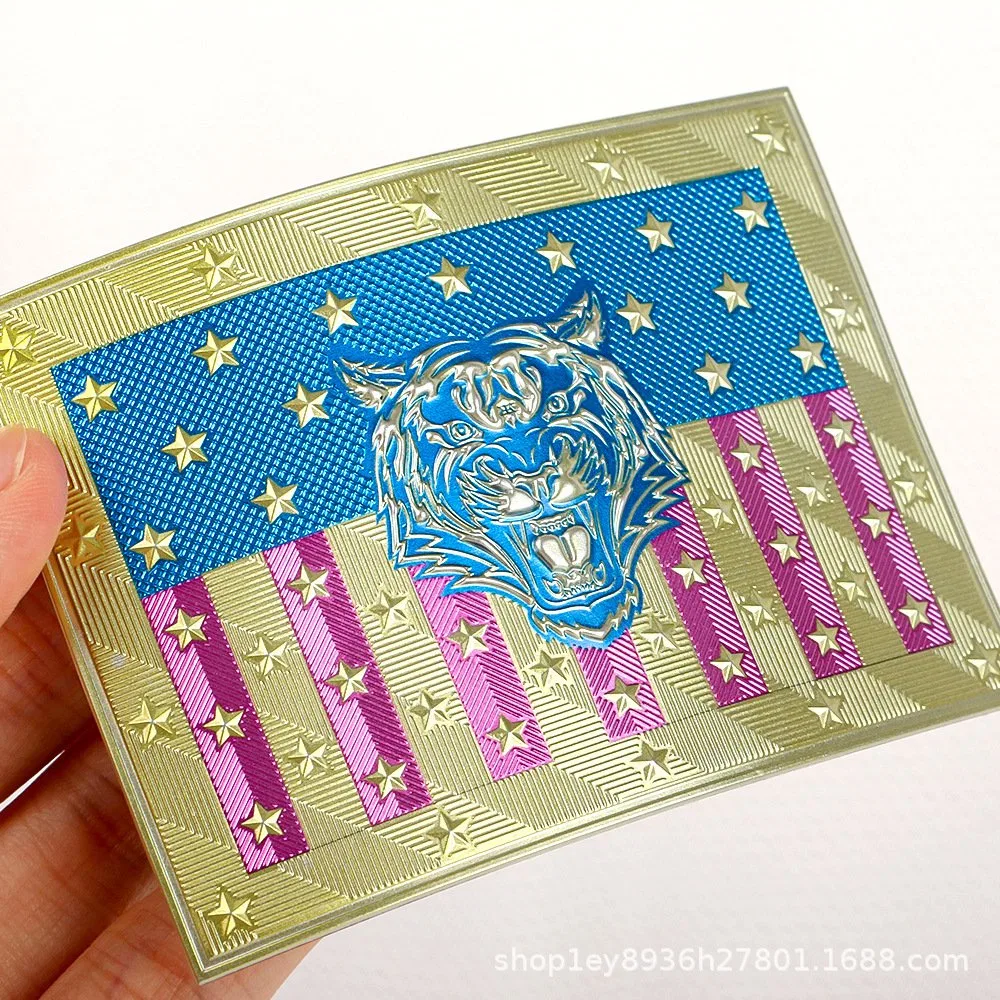
Material family, reflective face, colour layers, dimensions, carrier and adhesive route for the approved sample.
Garment lot, equipment, support, stated settings, peel method and observed surface or edge change.
Agreed wash, abrasion or visibility method, acceptance criteria, specimen identity and result. Avoid transferring a claim between unrelated fabrics.
For hi-vis heat transfer used on safety apparel, define which regulation or customer protocol applies. EN ISO 20471 and similar systems evaluate the finished garment, including minimum areas and design placement. Use an accredited test route when conformity is required.
| Decision | Component evidence | Finished-garment evidence |
|---|---|---|
| Appearance | Daylight and directed-light sample | Placement and whole-garment recognition |
| Bond | Adhesive and carrier proposal | Application on production fabric |
| Care | Supplier test basis | Declared care program on final garment |
| Conformity | Material documentation | Applicable standard assessment and report |
Supply editable paths, finished dimensions and a true-size PDF. Mark which regions must reflect.
Review narrow lines, counters and isolated islands against the proposed cutting or moulding route.
Colour relationships can reverse under direct light. Approve physical samples in both conditions.
Put artwork, size, construction and colour revision on sample and bulk documents.
Define market and use.
Check true-size art.
Confirm construction.
Press actual fabric.
Inspect agreed tests.
Authorize coded bulk.
Names, codes, materials, MOQs and prices below come from active catalog records.
Quotation depends on finished size, reflective area, colours, artwork count, quantity per version, carrier use, cutting, packing, testing and destination. MOQ and lead time are confirmed against the selected construction and approval route.
Include artwork changes, applied specimens and test garments.
List quantities by logo, size, placement and garment colour.
Retain approval code, press sheet and packaging specification.
No. A component can support a visibility design, but conformity is assessed on the finished garment, including reflective area, placement, background material and test evidence. Confirm the applicable standard and accredited testing plan for your market.
Use bold shapes, open counters and practical stroke widths. Fine gaps, tiny type and large solid areas should be reviewed at finished size because reflection, cutting and flex all affect the result.
A seam changes pressure and contact. Place critical graphics on a supported flat panel where possible, or validate the exact seam construction with a production-equivalent press trial.
Agree the garment, detergent, temperature, drying method and inspection criteria first. Request project-specific evidence, then test an applied sample from the approved construction; there is no universal cycle claim for every fabric.
The non-reflective colour fields can be planned against supplied colour references. Retroreflective appearance changes between daylight and directed light, so approve both viewing conditions on the physical sample.
Send vector artwork, finished size, garment fabric and colour, placement, quantity per design, required reflective intent, packing, destination and any test protocol your buyer requires.
Send the artwork, garment, placement, quantities and required evidence so the quote starts with the right construction.