


Brushed nap
Long fibres can reduce contact and change the visible edge of small details.
A bling hoodie transfer must work with thicker fabric, brushed fleece, seams, pockets and hardware. Build custom rhinestone sweatshirts around the actual garment blank, a supported press test and a recorded recovery check.
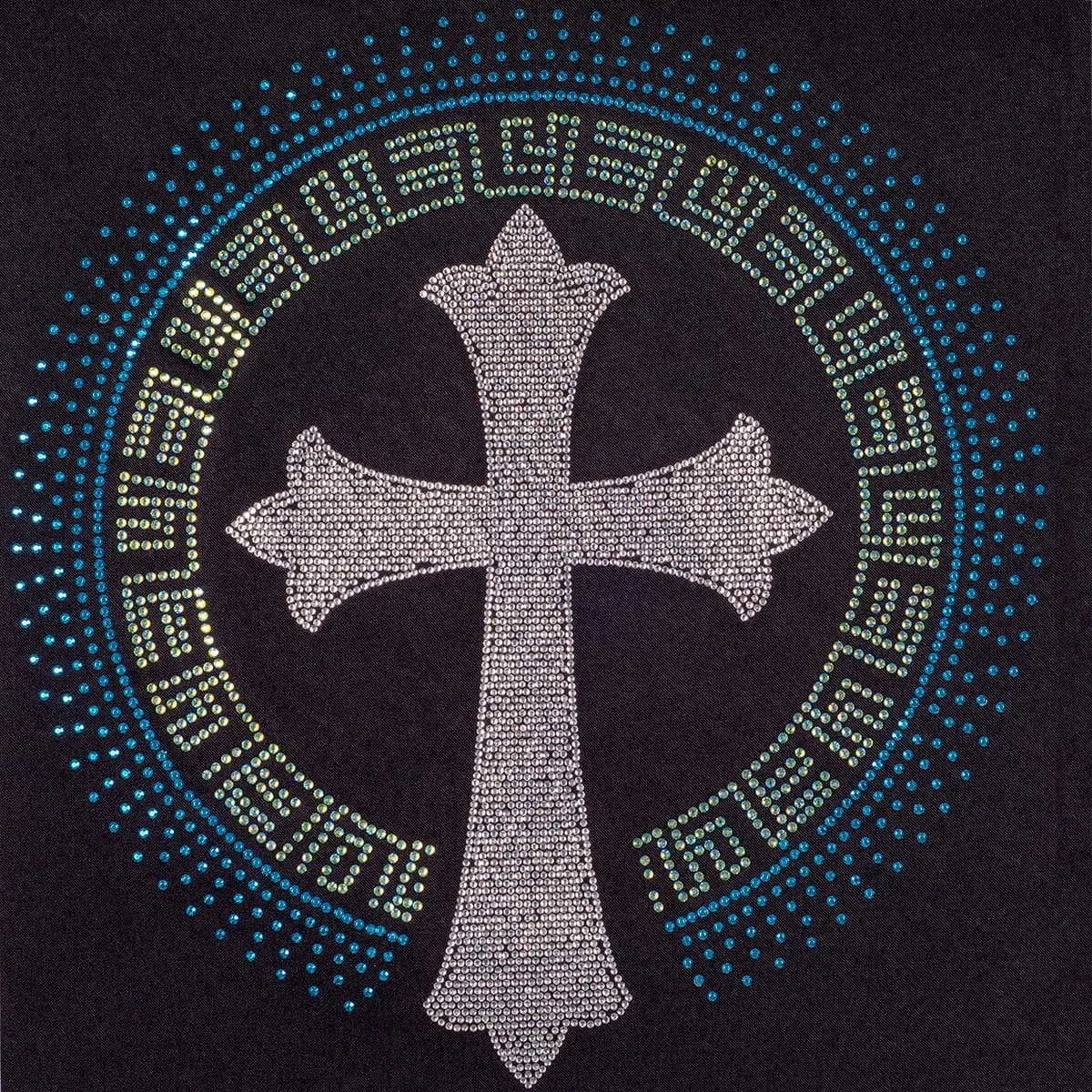
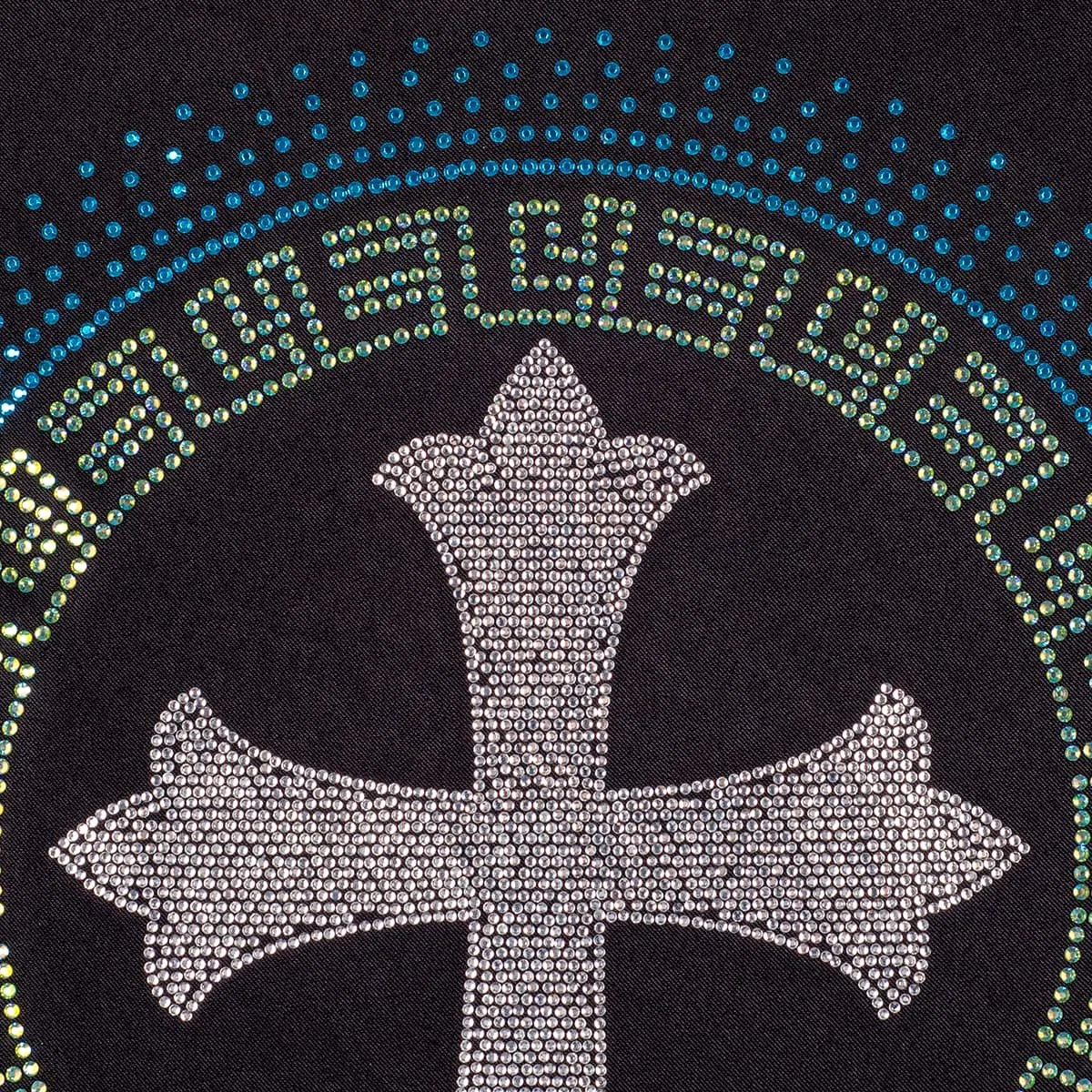
Heavyweight fleece rhinestone transfers need stable contact across the full map.
Long fibres can reduce contact and change the visible edge of small details.
Support the garment so pressure reaches the decoration zone evenly.
Test for colour movement, glazing, marks and recovery after cooling.
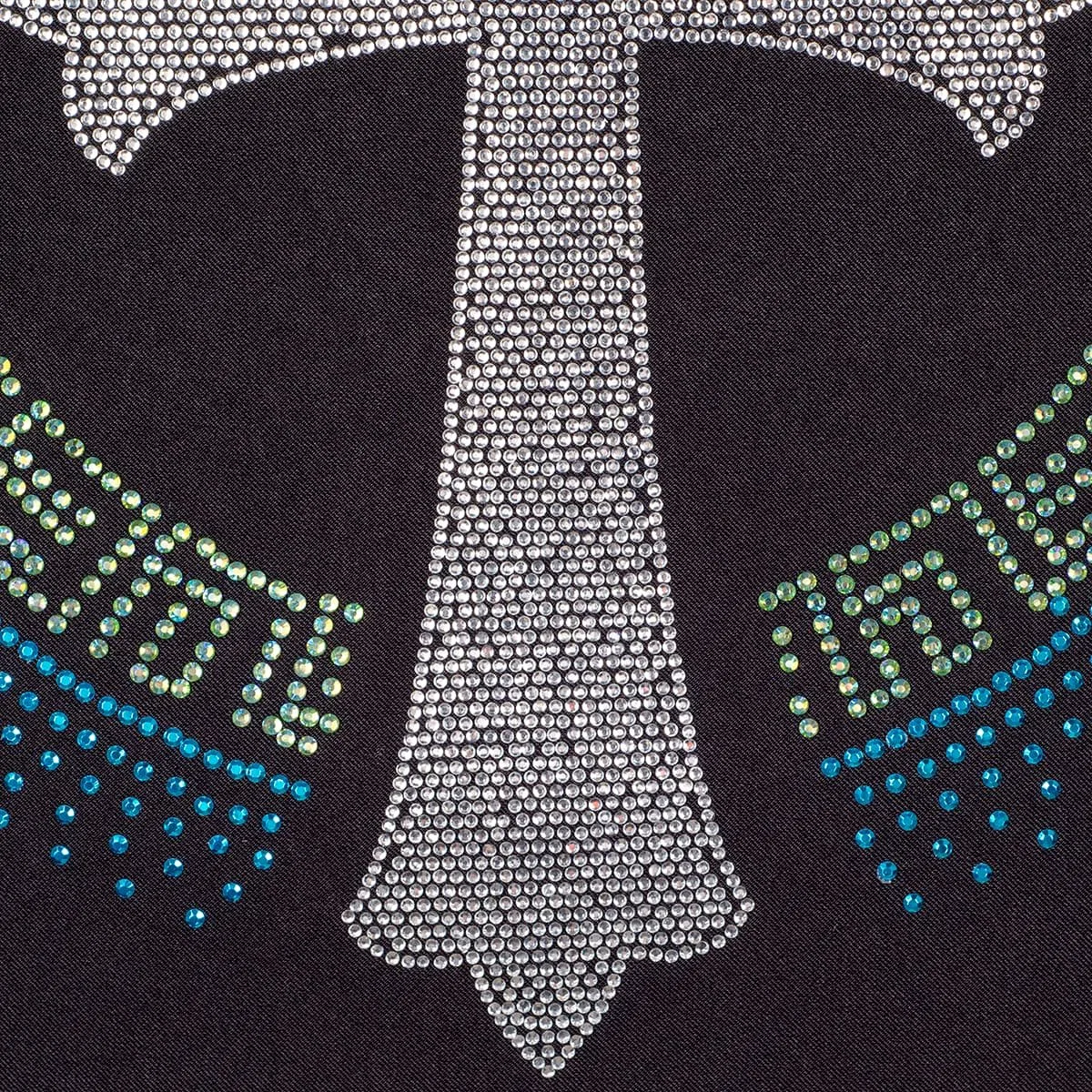
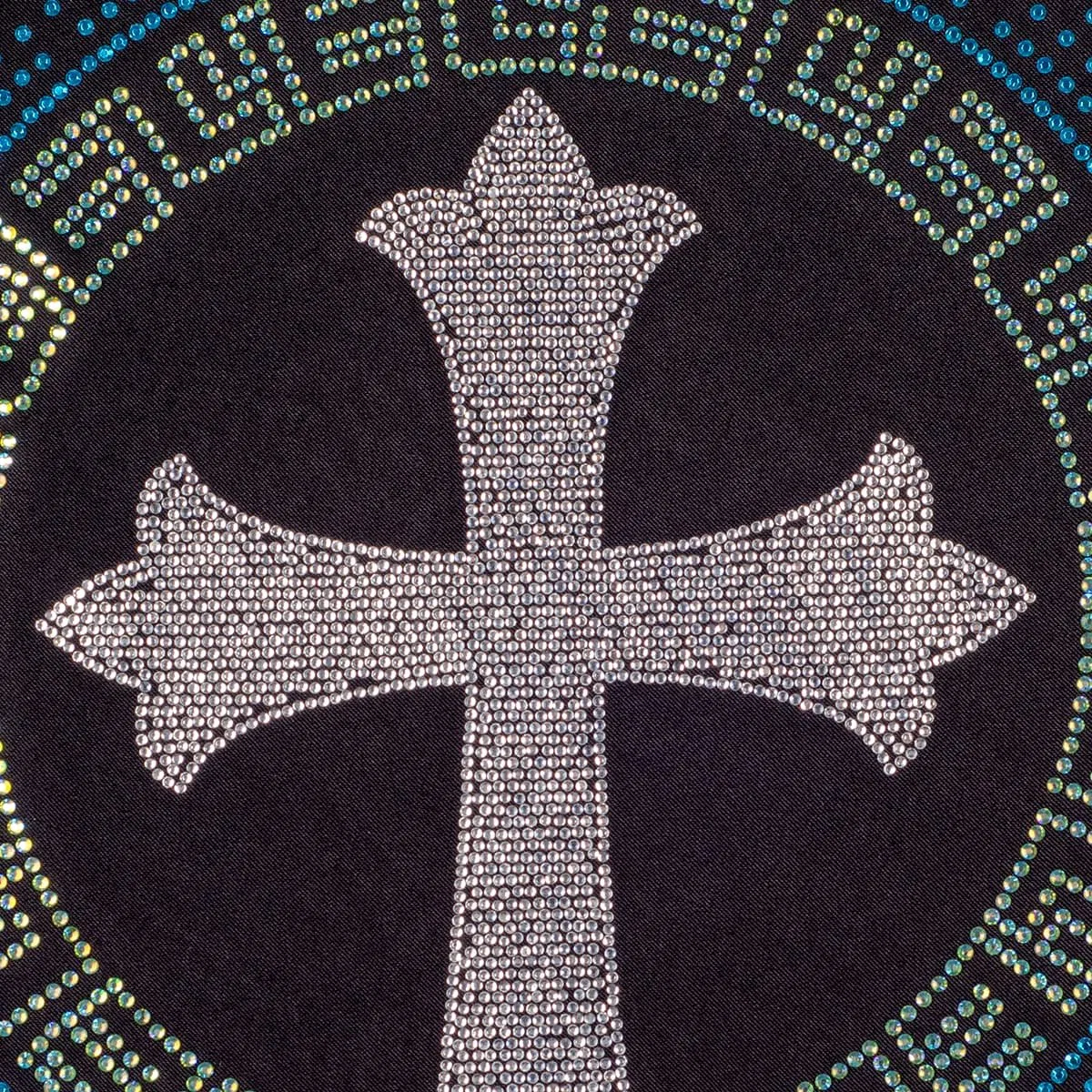
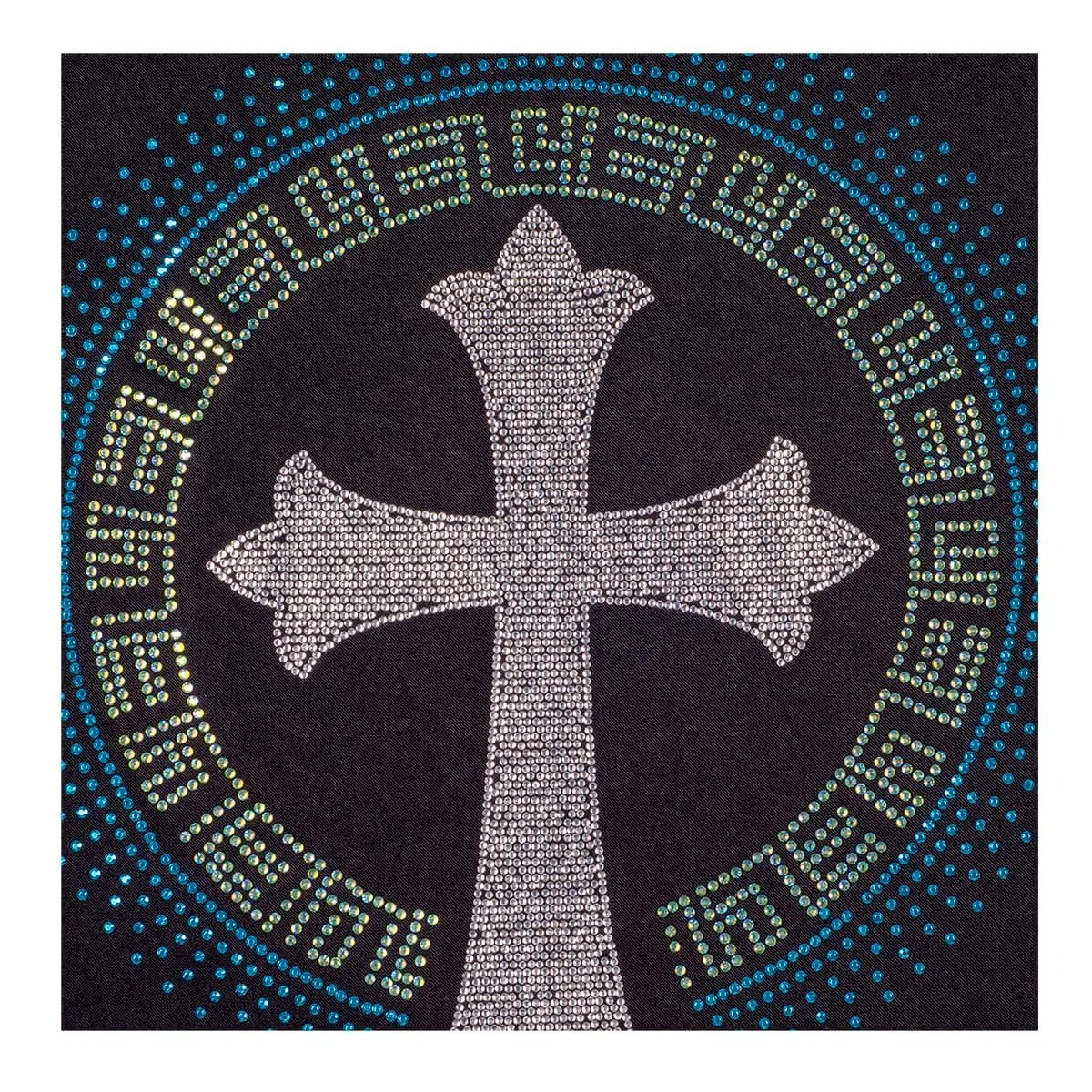
Best when sparkle and open negative space define the design.
Combines colour coverage and rhinestone accents in one artwork system.
Useful for dense emblems where a shaped textile base supports the graphic.
Confirm the exact process on the intended hoodie or sweatshirt. Avoid guessing settings from a different garment.
Fabric, seams and hardware.
Use a suitable insert or platen.
Set datum and carrier direction.
Apply the tested cover arrangement.
Use the approved working window.
Cool, peel and inspect the fleece.
Inspect immediately, after cooling and again after the agreed care test. Record any permanent flattening, edge lift, stone movement or colour change.
Follow the approved peel point and keep the garment flat while the bond sets.
Compare the pressed zone with the surrounding fleece under the same light.
Review bending around pockets, shoulders and torso stretch areas.
Judge stone retention and garment appearance using the intended wash method.
| Decision | Buyer input | Production output | Reorder control |
|---|---|---|---|
| Garment range | Blank, colours and sizes | Approved compatibility set | Blank code and revision |
| Artwork family | Logo, names or graphics | Stone maps by version | Artwork reference |
| Quantity split | Units by colour and size | Transfer pack quantities | Pack label and count |
| Application | Press equipment and workflow | Issued press record | Accepted process version |
Current transfer, mixed-media and patch references provide practical visual evidence for scale, density and edge construction.

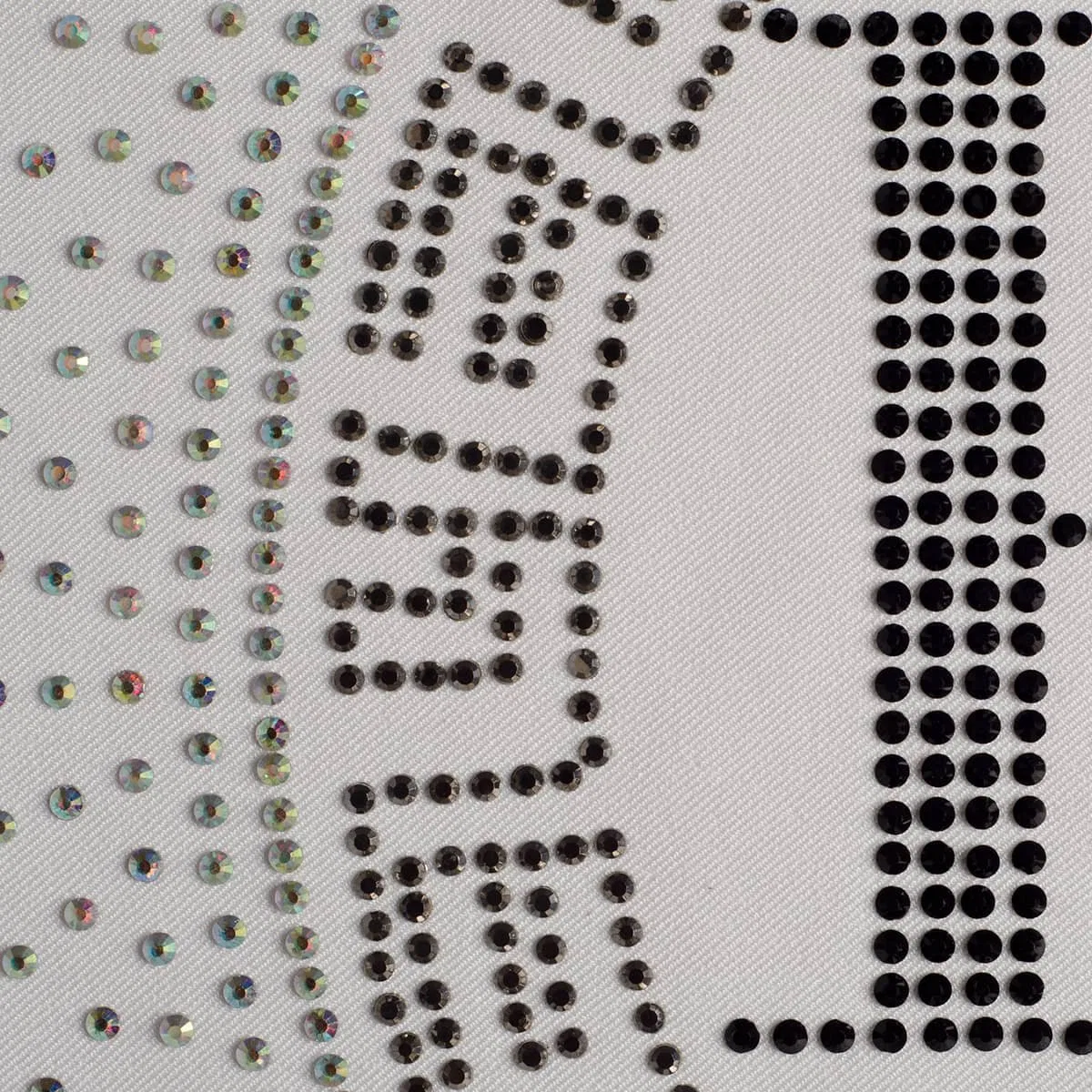
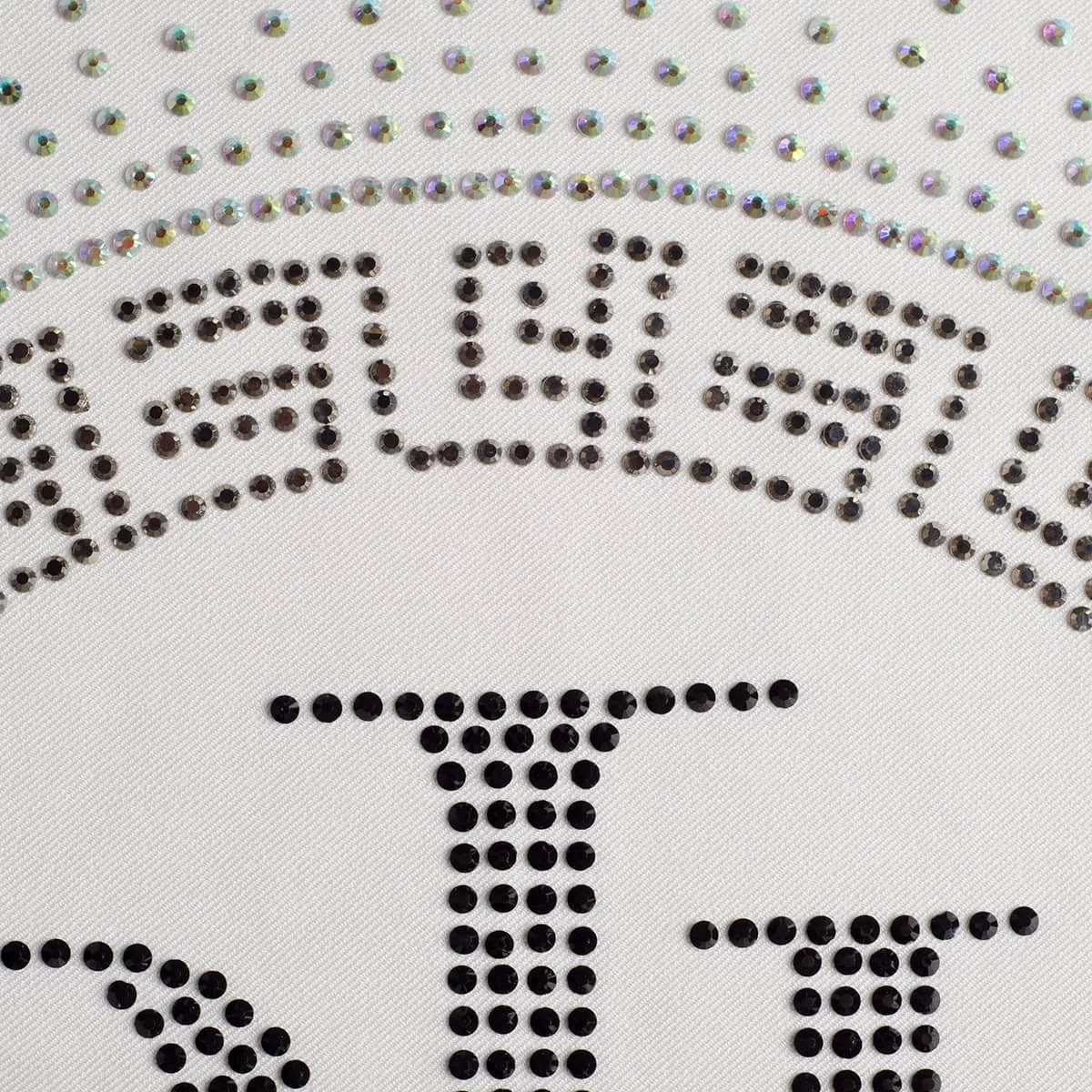
Rhinestone DMC. Catalog MOQ: 50.
Inspect product →Rhinestone DMC. Catalog MOQ: 50.
Inspect product →Rhinestone. Catalog MOQ: 50.
Inspect product →Fabric, Rhinestones, Holographic Crystal. Catalog MOQ: 50.
Inspect product →Acrylic rhinestones, hot-melt adhesive and transfer carrier film. Catalog MOQ: 50.
Inspect product →Garment, artwork and quantity plan.
Stone placement and dimensions.
Loose and applied references.
Appearance, process and care result.
Bulk inspection and coded dispatch.
Hoodies often use heavier fabric, brushed fleece, rib panels, pockets, seams and drawcord hardware. Those features change platen support, pressure distribution and placement clearance.
A compatible result must be established on the exact fleece face and finish. Sampling checks nap compression, adhesive contact, heat marks, stone retention and recovery after cooling.
Common planning zones include the full back, upper chest, pocket area and sleeve. Final placement must allow for seams, hoods, zippers, drawcords and platen access.
Provide the garment size range and decide whether one transfer size suits every garment or whether the artwork needs graded dimensions. List quantities by garment and artwork version.
They can be evaluated, but the print layer, stones, adhesive and fleece surface must be tested together. The approved sample controls the production process.
Use the approved artwork revision, finished dimensions, stone specification, carrier direction, garment blank, press record and pack quantity.
Send the hoodie blank, artwork, placement, quantity split and press equipment information.