


Match the transfer to the shirt
Fabric fibre, weight, surface finish, stretch and dye behaviour change the application result.
Rhinestone transfers for T shirts give apparel decorators, clothing brands and merchandise teams a repeatable way to add crystal lettering, logos and graphics. Plan the shirt blank, artwork scale, stone map, carrier direction and press test together before a custom bulk order.
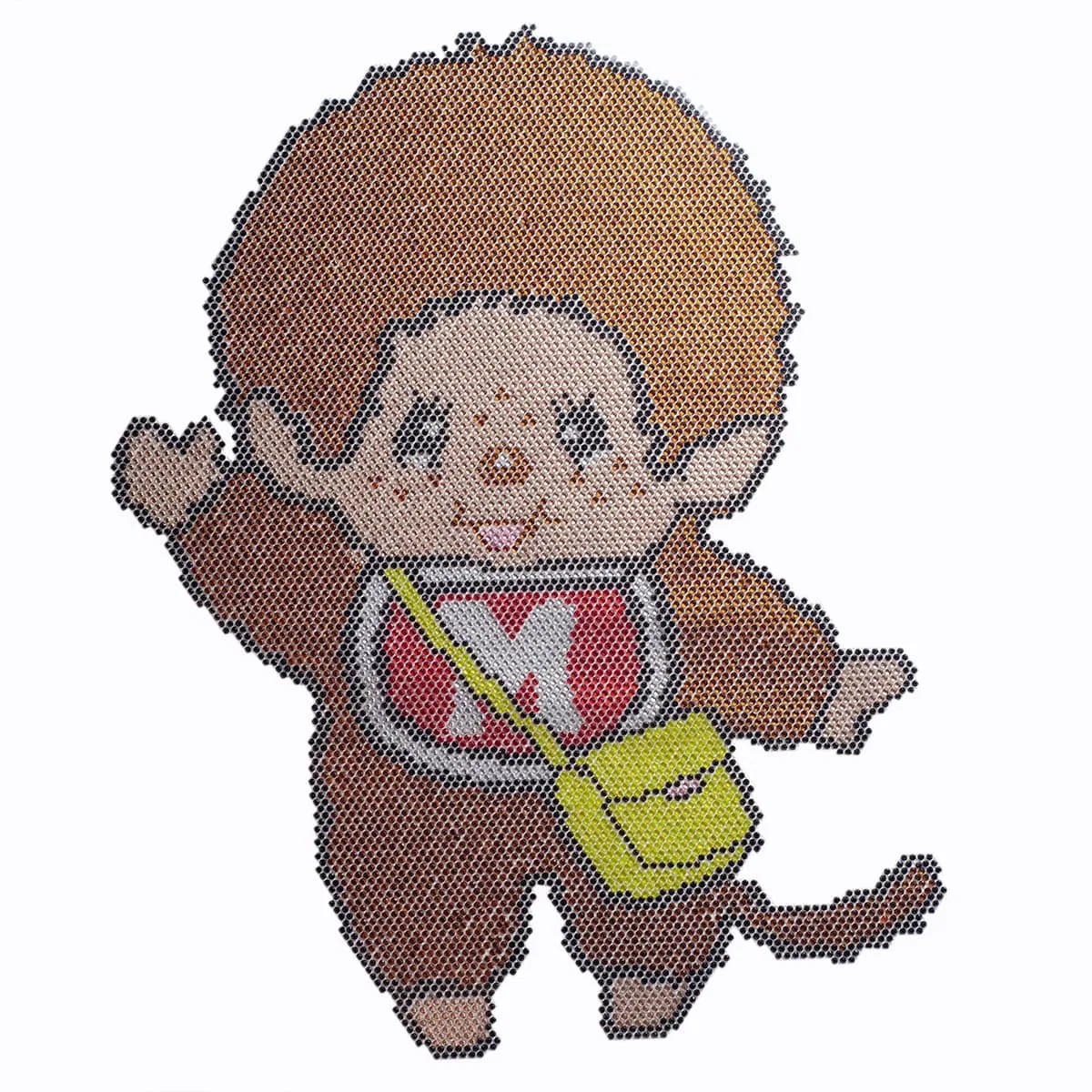
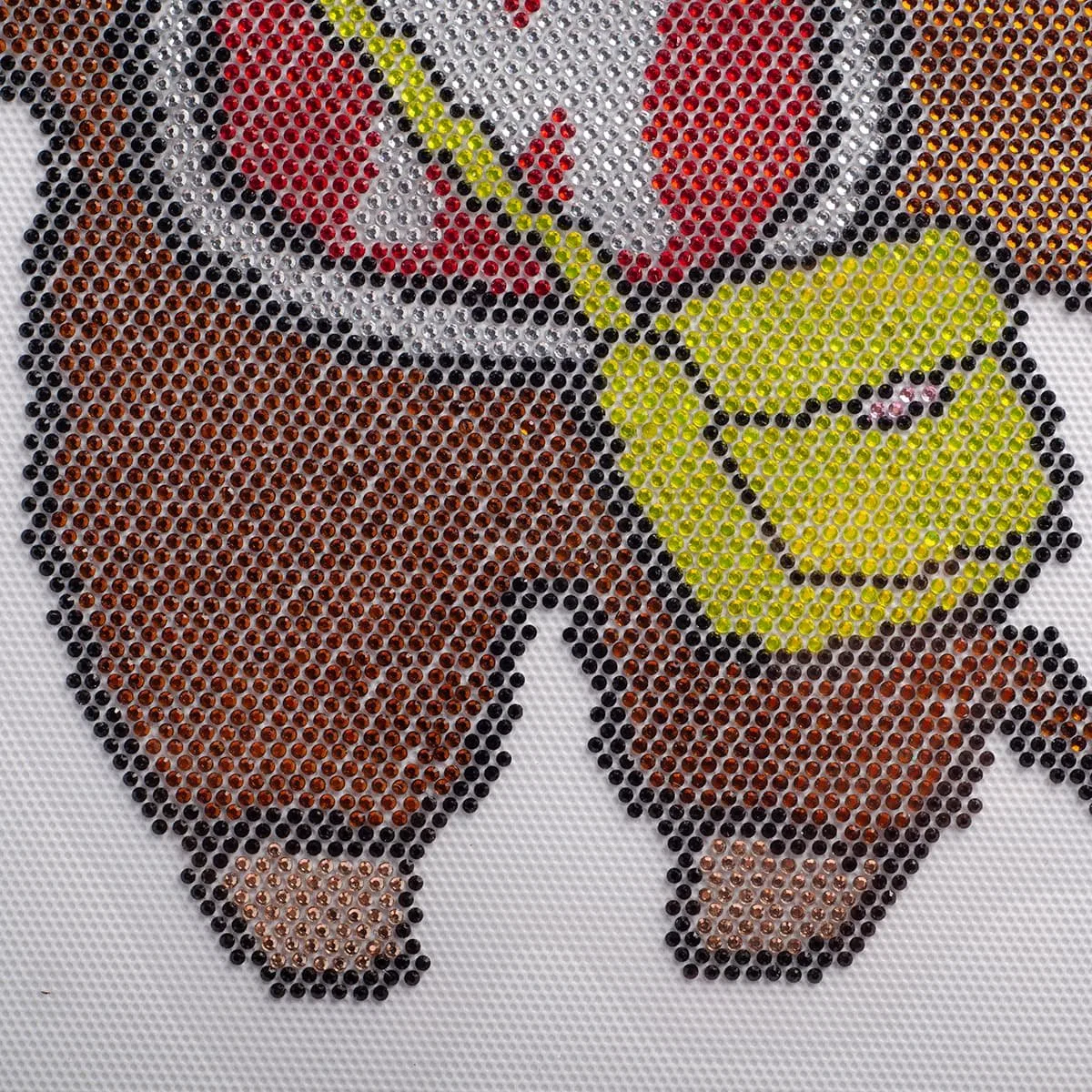
Fabric fibre, weight, surface finish, stretch and dye behaviour change the application result.
Check surface evenness, pre-shrink condition and platen contact.
Review stretch recovery and dye migration before approving production.
Use a material-specific trial to control heat marks and surface change.
Chest logos, full-front graphics, back statements and sleeve marks each need a different balance of stone size, density and carrier clearance.
Compact identity with open lettering.
Controlled weight across a wider map.
Strong distance visibility and orientation.
Small format with practical seam clearance.
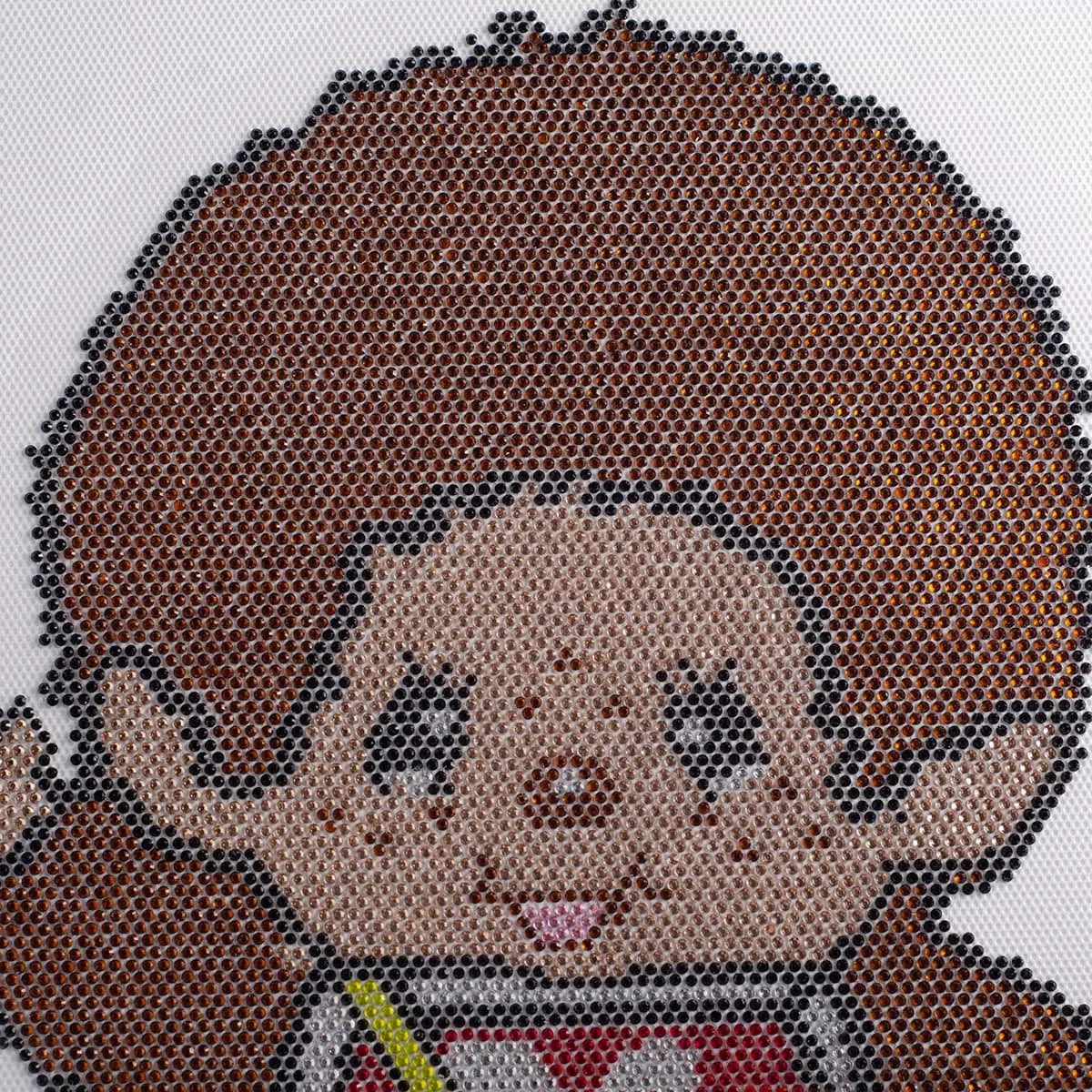
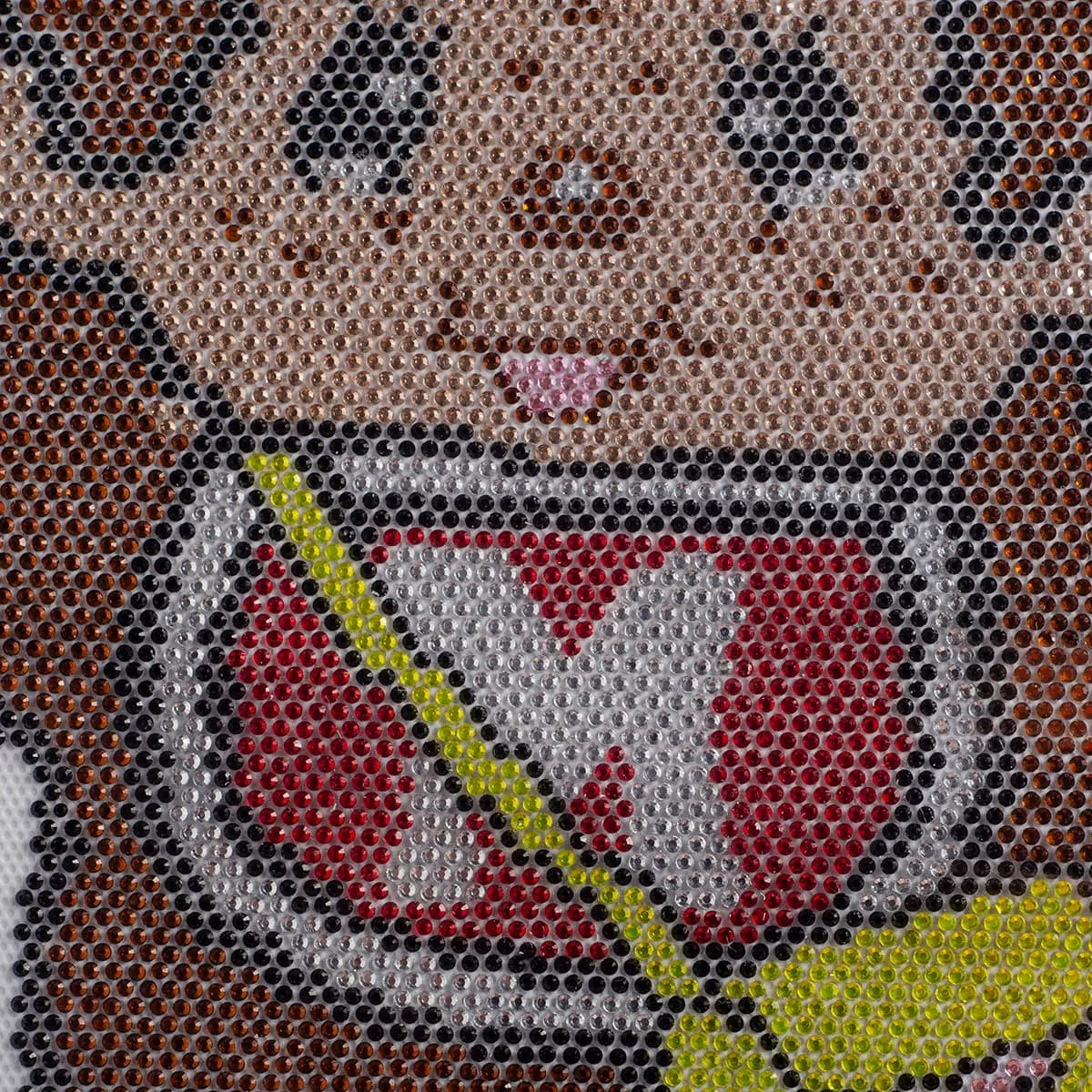
Finished dimensions, crystal sizes, colours and counted positions.
Adhesive selected and tested against the actual shirt fabric.
Stable spacing, clear orientation and workable handling margin.
Equipment, support, press window, peel and inspection method.
Temperature, dwell time and pressure must come from the accepted transfer-and-shirt test. Record the platen, protective sheet, peel method and any second press so operators can repeat the result.
| Control | What to record | Acceptance check |
|---|---|---|
| Heat | Measured platen temperature | No scorching or dye movement |
| Time | Primary and finishing dwell | Adhesive reaches an even bond |
| Pressure | Machine setting and support | Contact is level across the map |
| Peel | Hot, warm or cold as tested | Stones remain aligned |
List every logo, name, number and size variation.
Split units by design and replenishment need.
Confirm colour, size mix and approved equivalents.
Define individual, grouped or production-line packs.
State destination, required date and shipment split.
These photographs come from current catalog products selected for this T-shirt sourcing page.
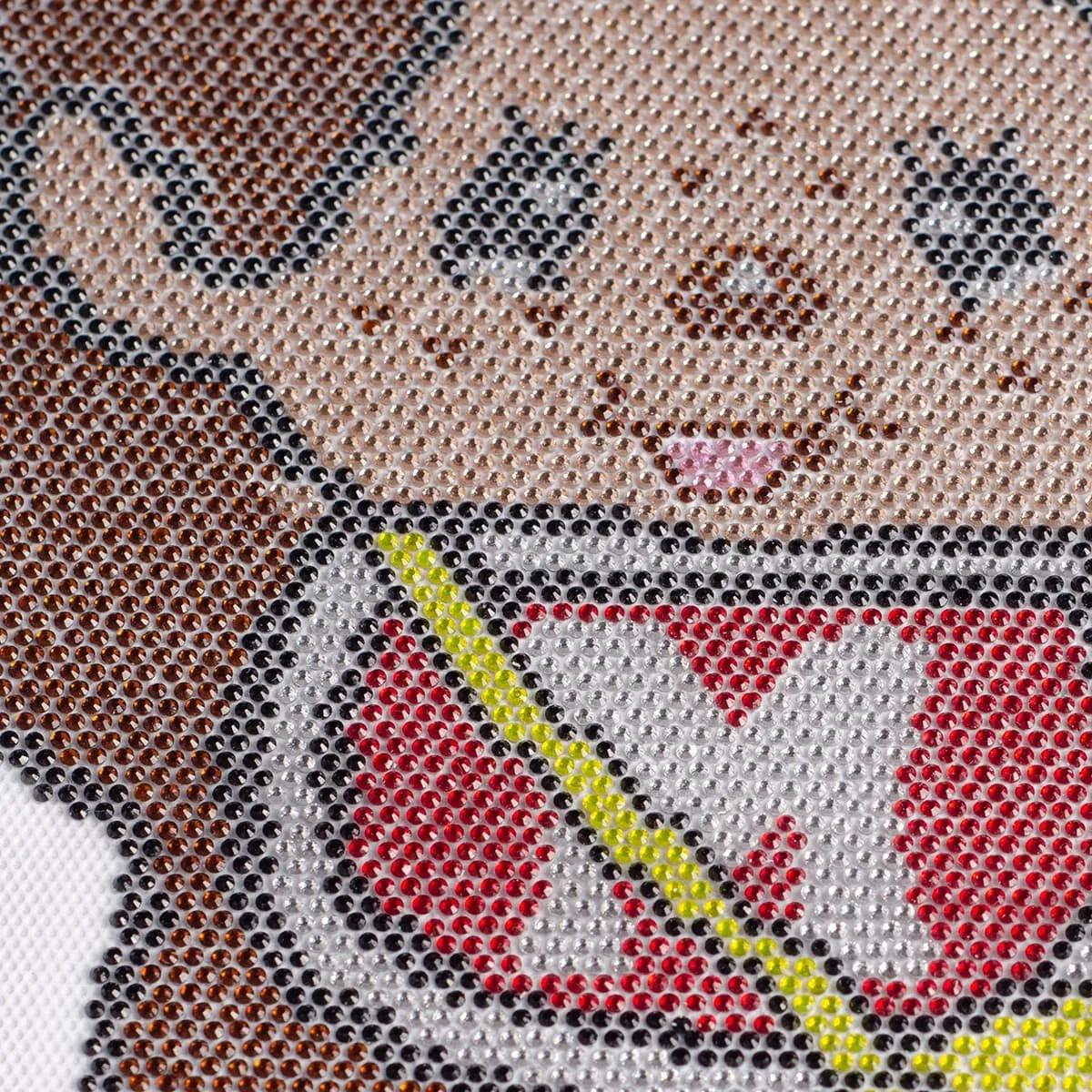
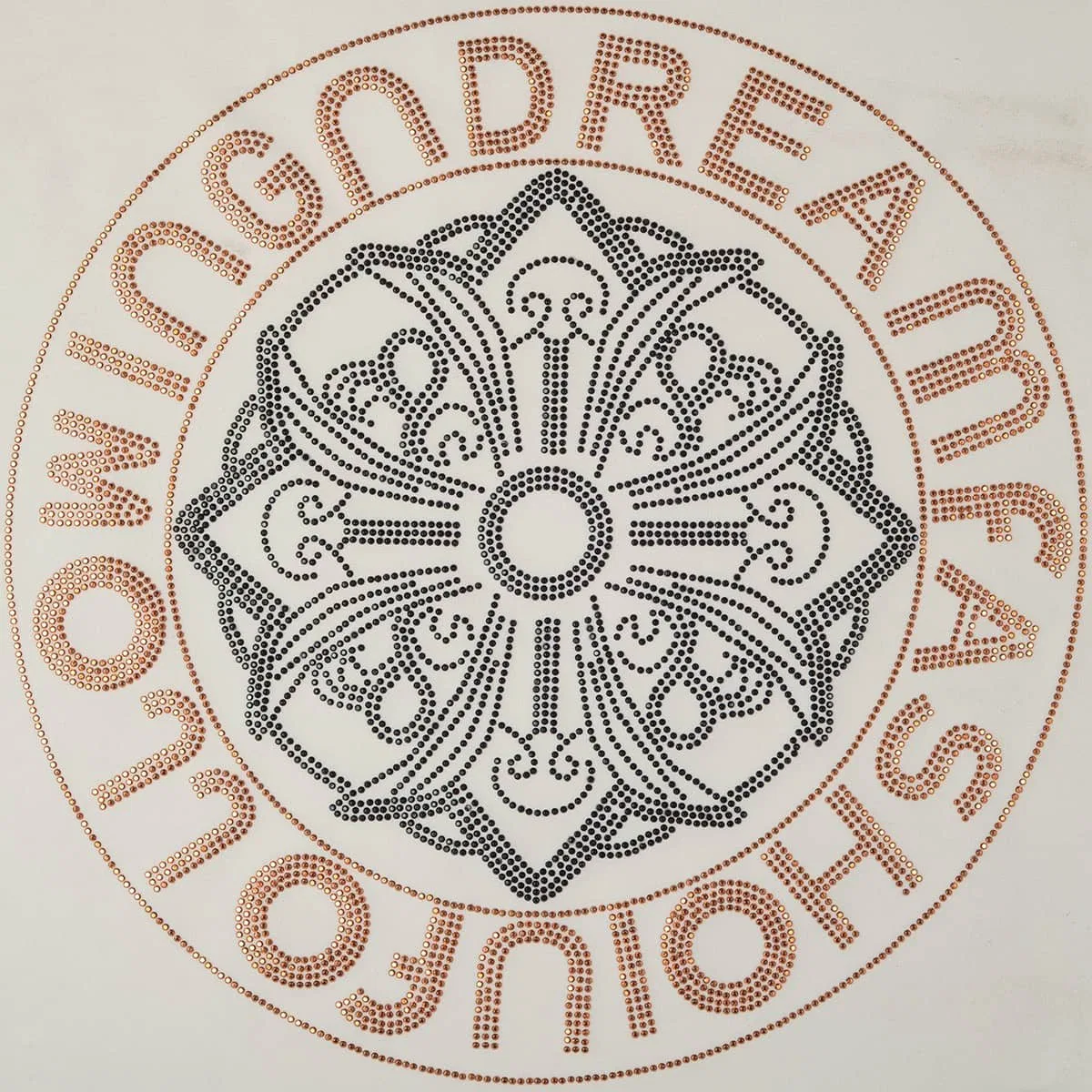
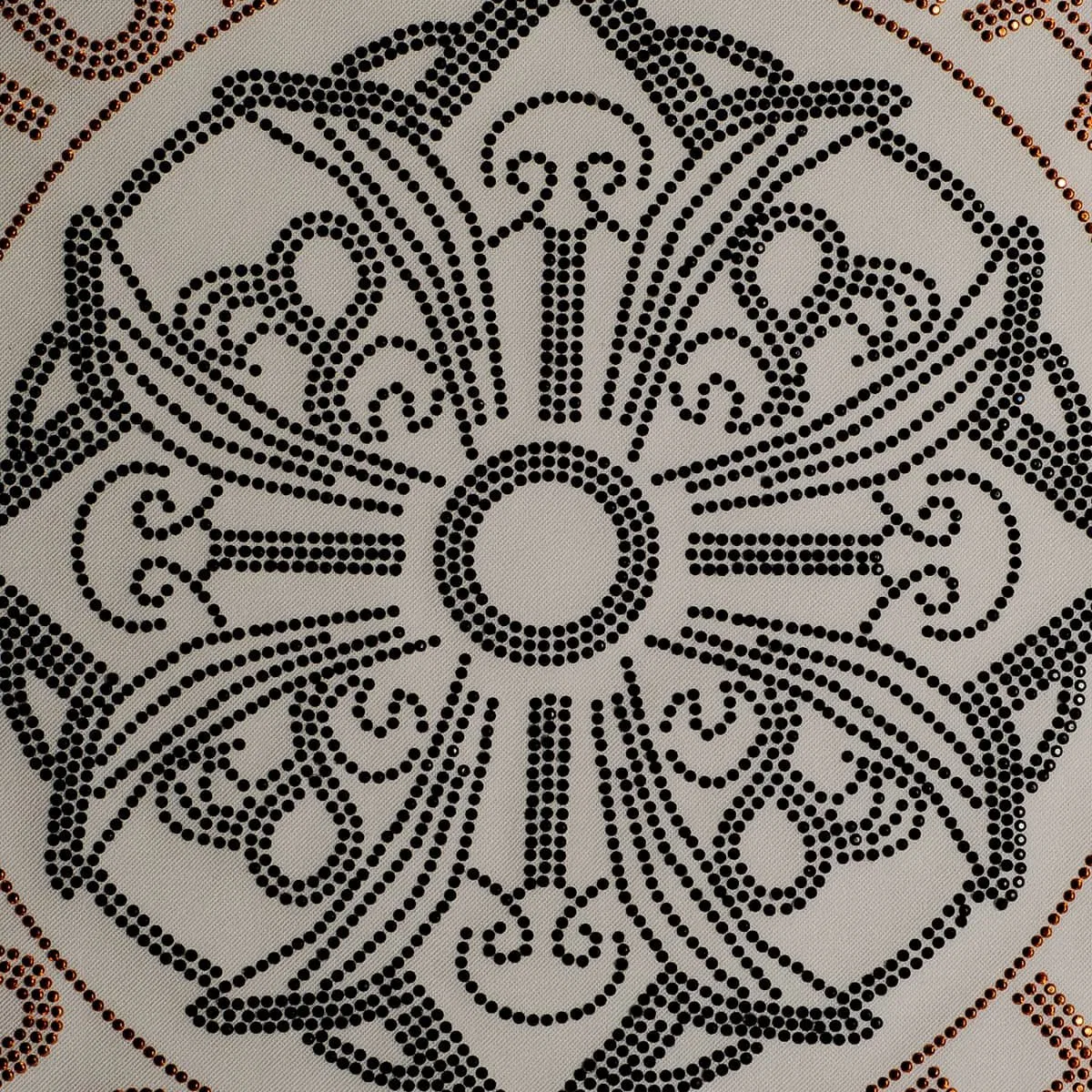
This planning example shows the information a buyer should supply; final specifications come from artwork and sample approval.
100% Cotton with Premium Clear Hotfix Rhinestones · MOQ 50
View product →Check every stone after peeling and cooling.
Review the design through normal dressing movement.
Use the intended wash and drying program on an approved sample.
Confirm alignment, fabric marks, colour and sparkle after testing.
Cotton and many cotton blends are common starting points, but every blank, finish and dye system should be tested with the exact transfer before bulk pressing.
Yes. Send vector artwork, finished dimensions, shirt colour, placement, stone preferences and order quantities so the design can be converted into a production-ready stone map.
The quote reflects finished size, stone count, stone sizes, colours, carrier area, design versions, quantity split, packing and delivery requirements.
Identify the shirt material, fabric weight, dye or finish, press model, platen arrangement and intended care method. The approved sample establishes the working press instructions.
Yes. Buyers can source loose ready-to-press transfers or discuss a program that also includes relevant finished-shirt references.
Reference the approved item code, artwork revision, dimensions, stone palette, carrier orientation, quantity by version and the accepted application record.
Include placement, finished size, fabric, colours, quantities and delivery destination.