


Reflective dimension
Stone size, spacing, colour, count and carrier define the motif.
Rhinestone vs DTF and screen print comparisons begin with the intended visual language. Decide whether the garment needs dimensional sparkle, full-colour transfer detail or an inked print surface, then validate the process on the fabric.
Stone size, spacing, colour, count and carrier define the motif.
Ink, white layer, powder, film and curing define the transfer.
Mesh, ink system, separations and curing define the print.
Rhinestones create point reflections and physical texture.
DTF can translate complex printed colour and small runs.
Screen print varies from soft to dimensional by ink system.
Combine print and stones only with an engineered overlap plan.
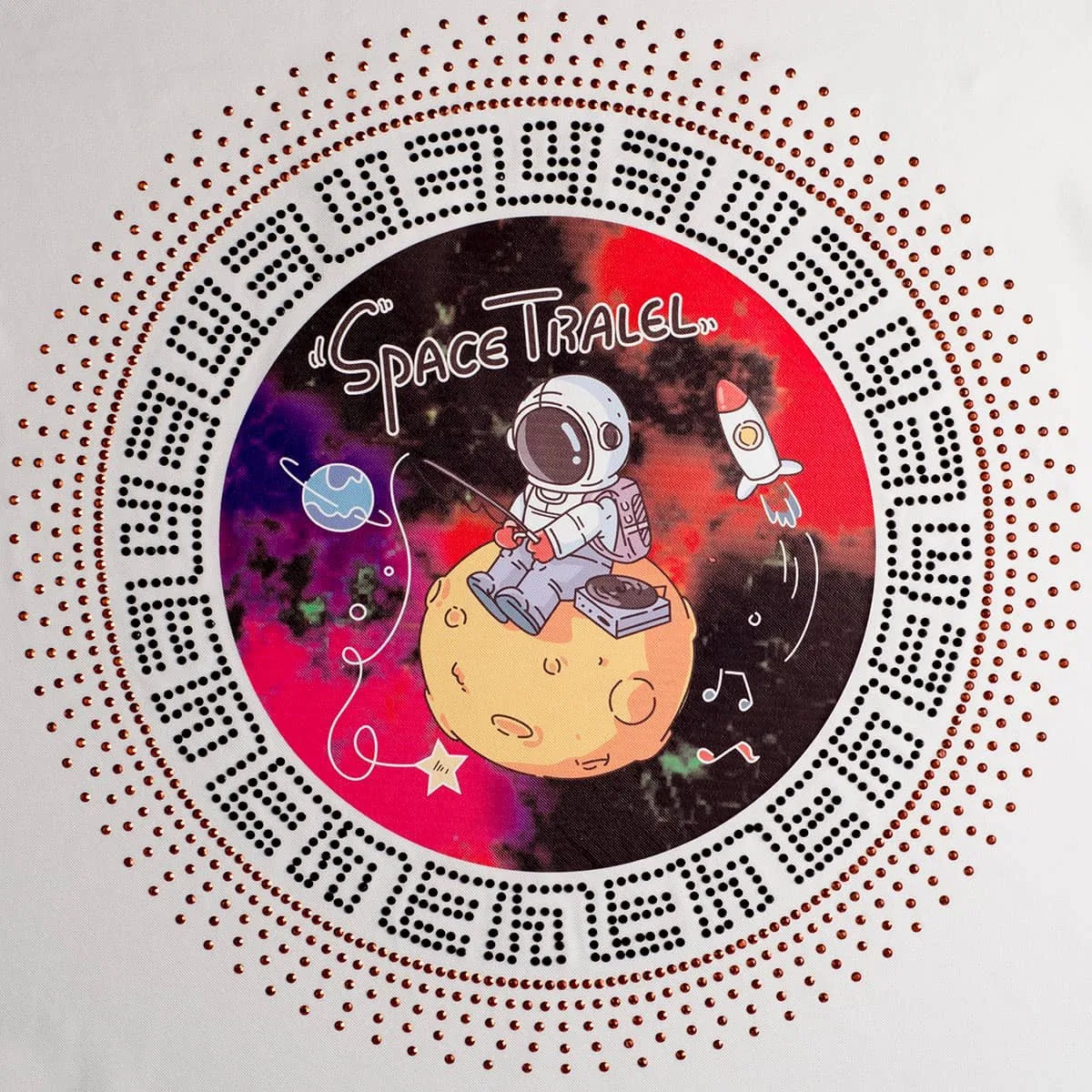
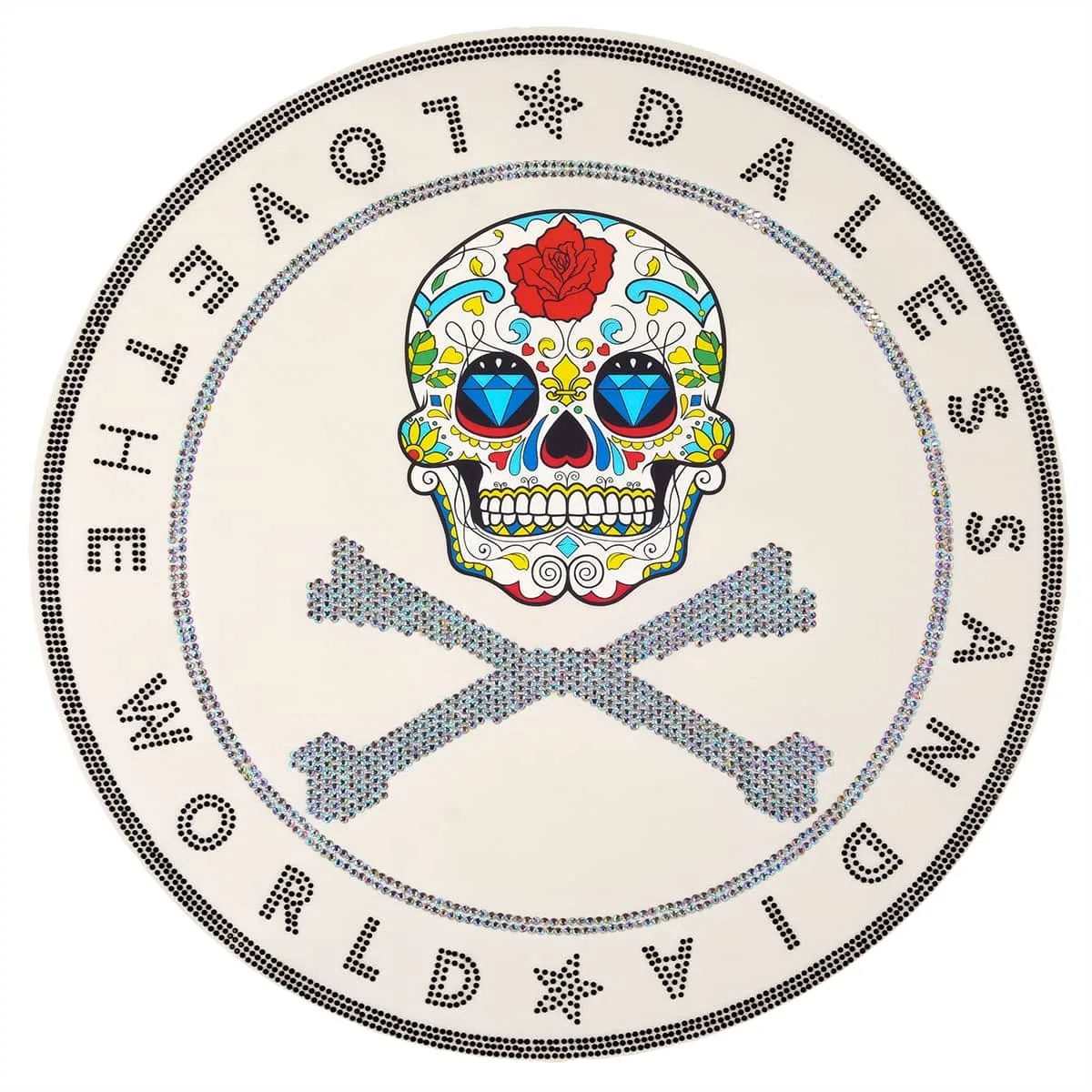
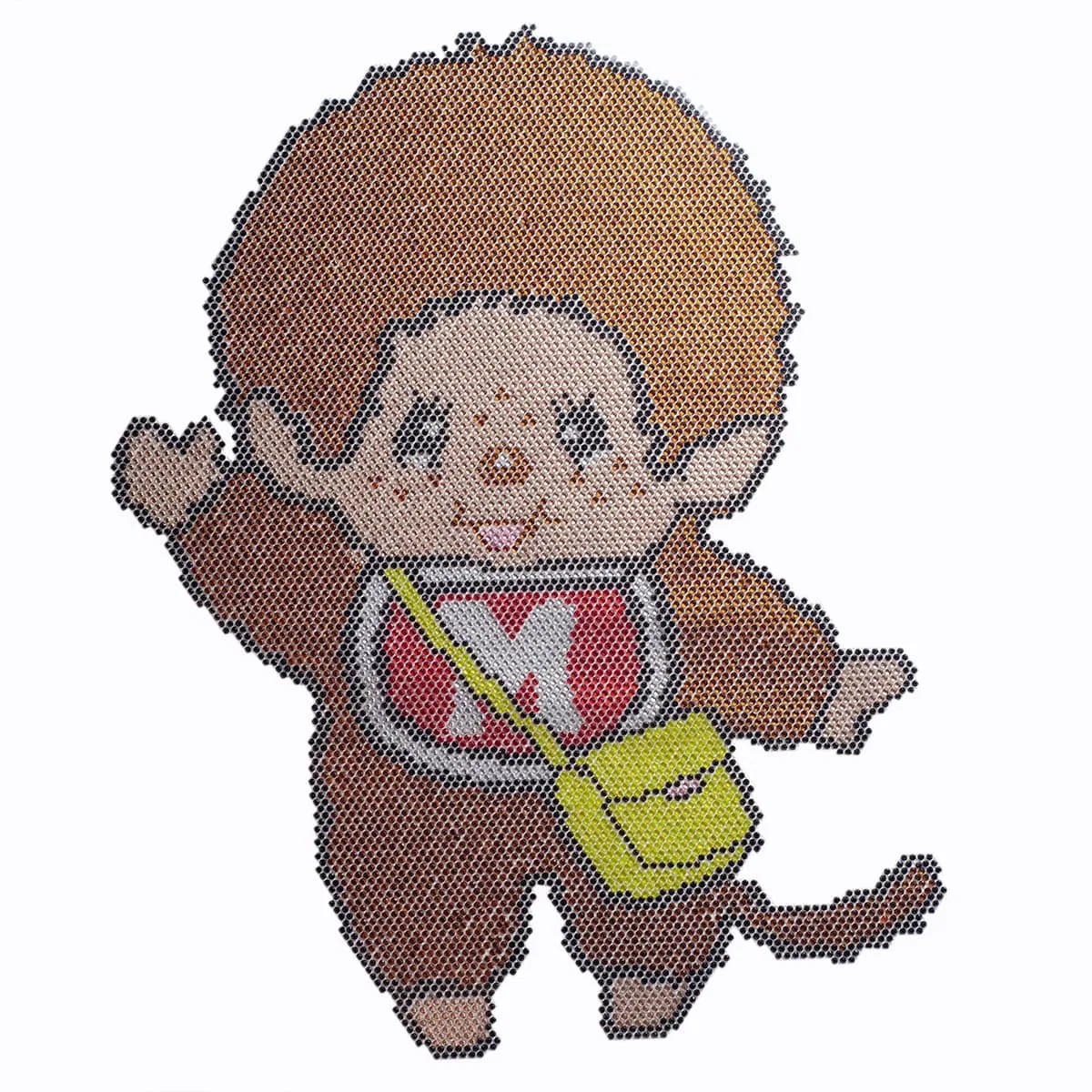
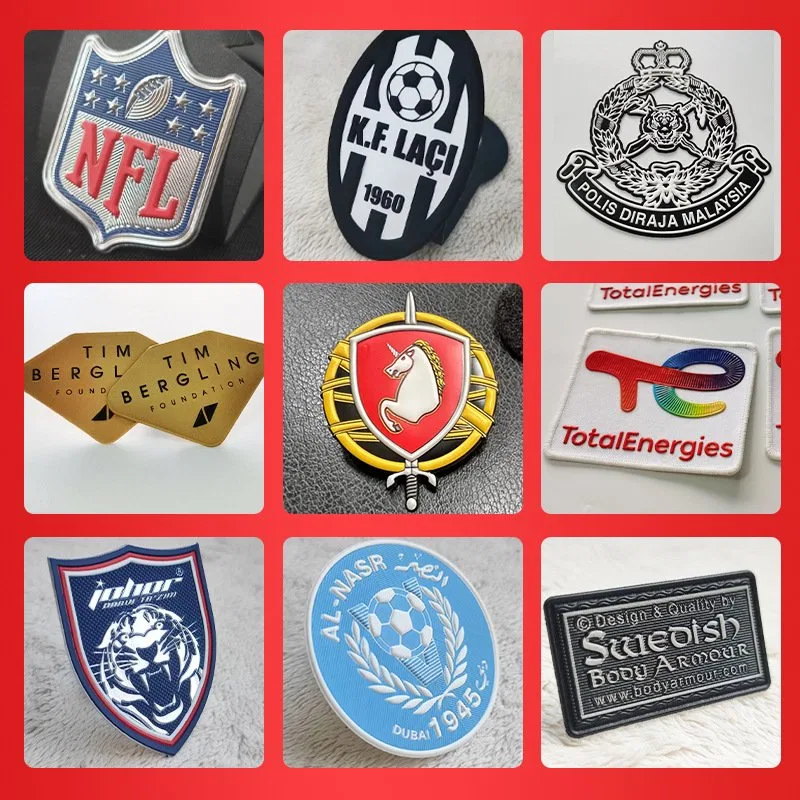
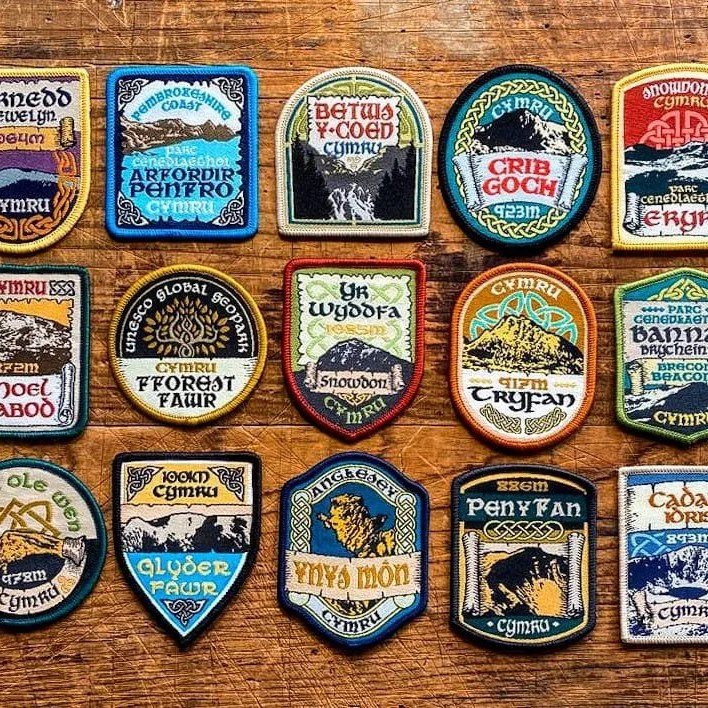
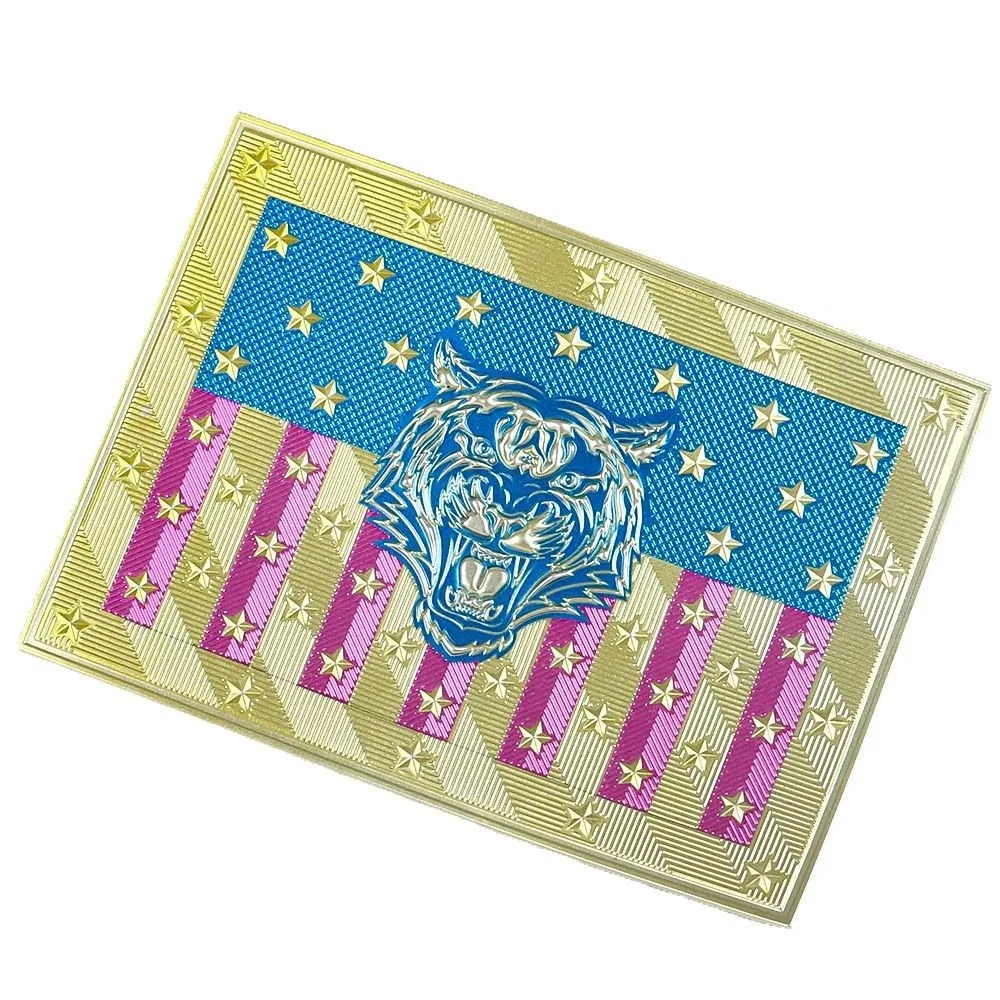
Do not send an unmodified logo and expect identical output across three processes.
Centres, sizes, colours, spacing and orientation.
Resolution, transparency, white logic and cut area.
Spot colours, underbase, trapping and ink notes.
Test texture, stretch, coatings, dye migration and heat tolerance.
Count artwork, colourway, size and placement combinations.
Compare setup, unit work, application and inspection at real tiers.
Use and target.
Process file.
Named standard.
True size.
Final fabric.
Care and wear.
Signed record.
Include setup, transfer or ink, application, reject allowance, inspection, packing and freight before choosing a route.
MOQ 50
View →MOQ 50
View →MOQ 50
View →MOQ 100
View →MOQ 100
View →MOQ 100
View →Rhinestones create dimensional reflective points, DTF transfers reproduce printed graphics through a transfer, and screen print deposits ink through a screen. Each requires its own artwork and production controls.
The answer depends on line width, gradients, colour count, viewing distance and desired texture. Test the artwork at finished size in each shortlisted process.
Setup, colour count, artwork area and finishing affect commercial fit. Request comparable quotes at the actual version quantities.
Hybrid rhinestone and printed transfers are possible when stone placement, printed areas, adhesive and press behaviour are engineered together.
No. Keep one brand master, then prepare process-specific separations, underbase, cut or stone maps and production notes.
Approve colour and appearance, then validate application, stretch, abrasion and care on the final garment.
Send the design, garment, placement, colourways, quantities and care target.