


Flexible identity
Balance thickness and hand with the receiving product.
A rubber label manufacturer should turn brand artwork into a repeatable flexible tag with controlled relief, colour, edge and attachment. Specify the receiving garment or bag before selecting a custom rubber patch construction.
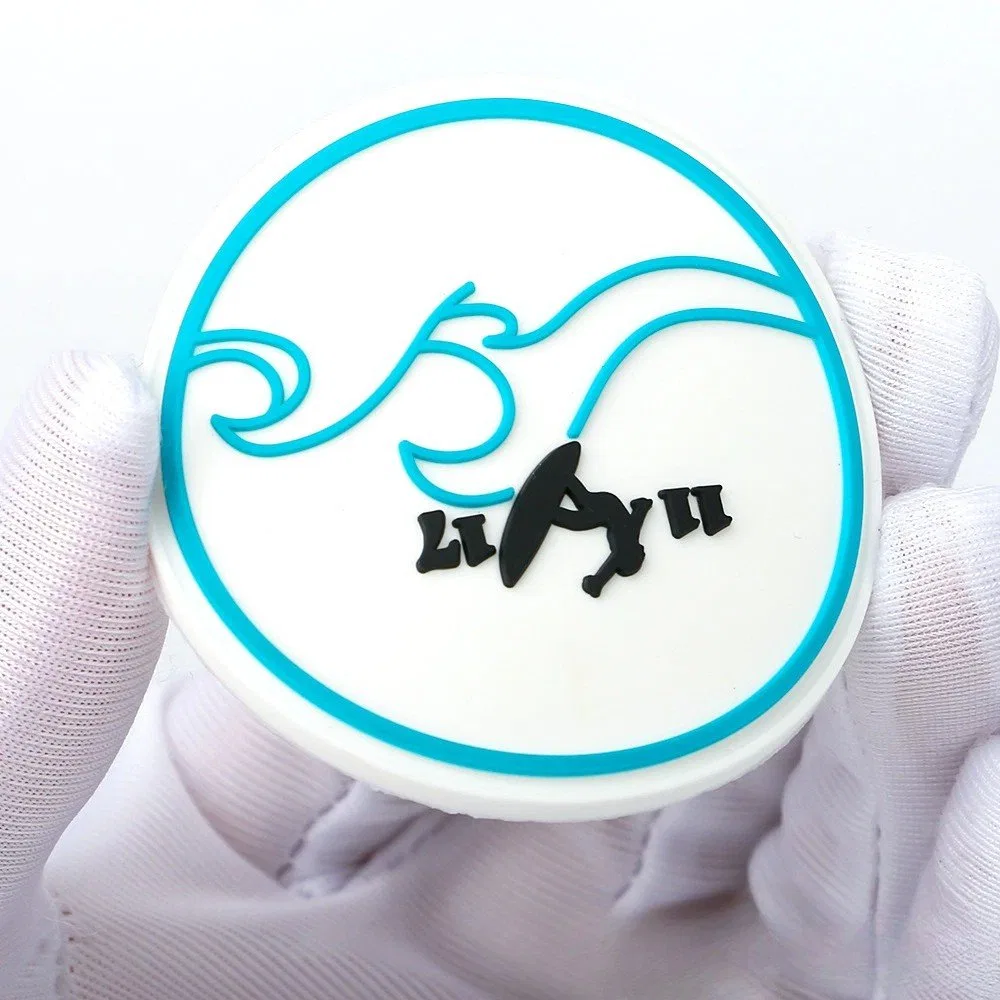
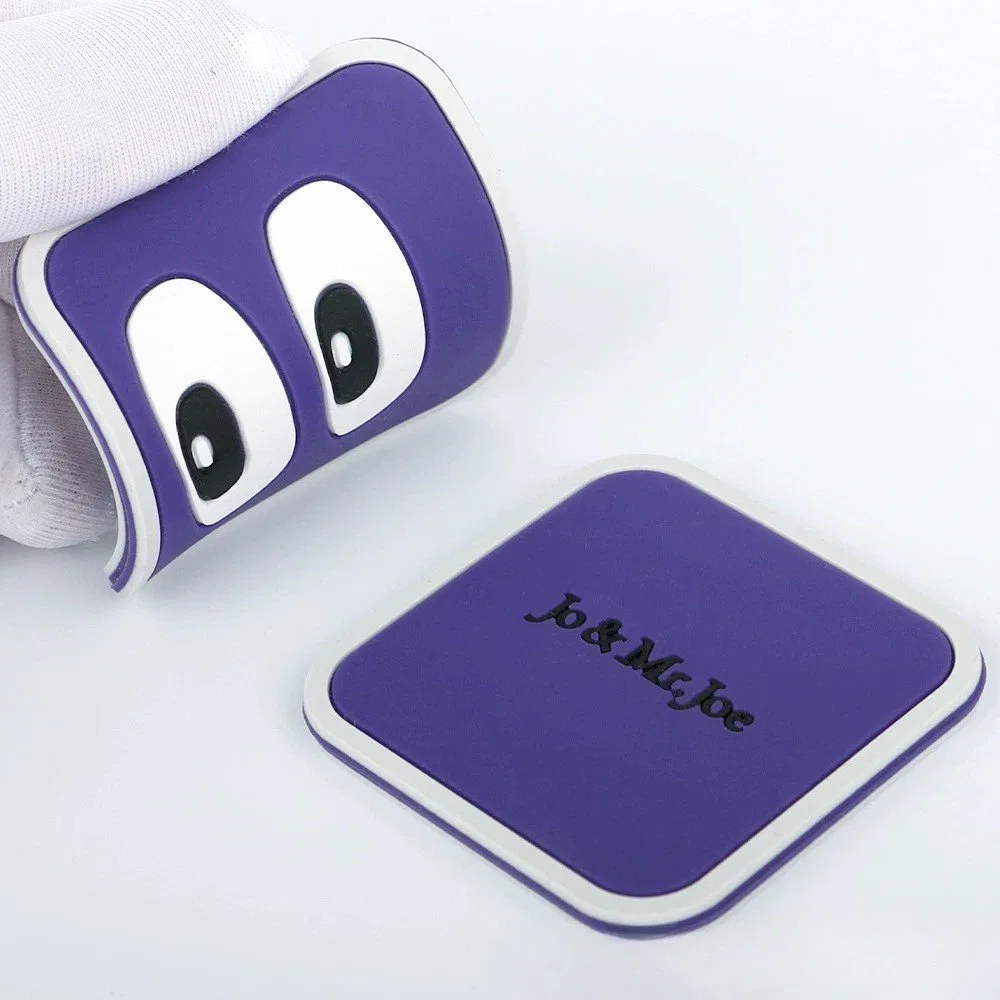
Balance thickness and hand with the receiving product.
Set height, recess and spacing at actual size.
Choose a backing the assembly route can apply consistently.
Outer shape and edge.
Raised and recessed zones.
References by moulded area.
Top, back and attachment face.
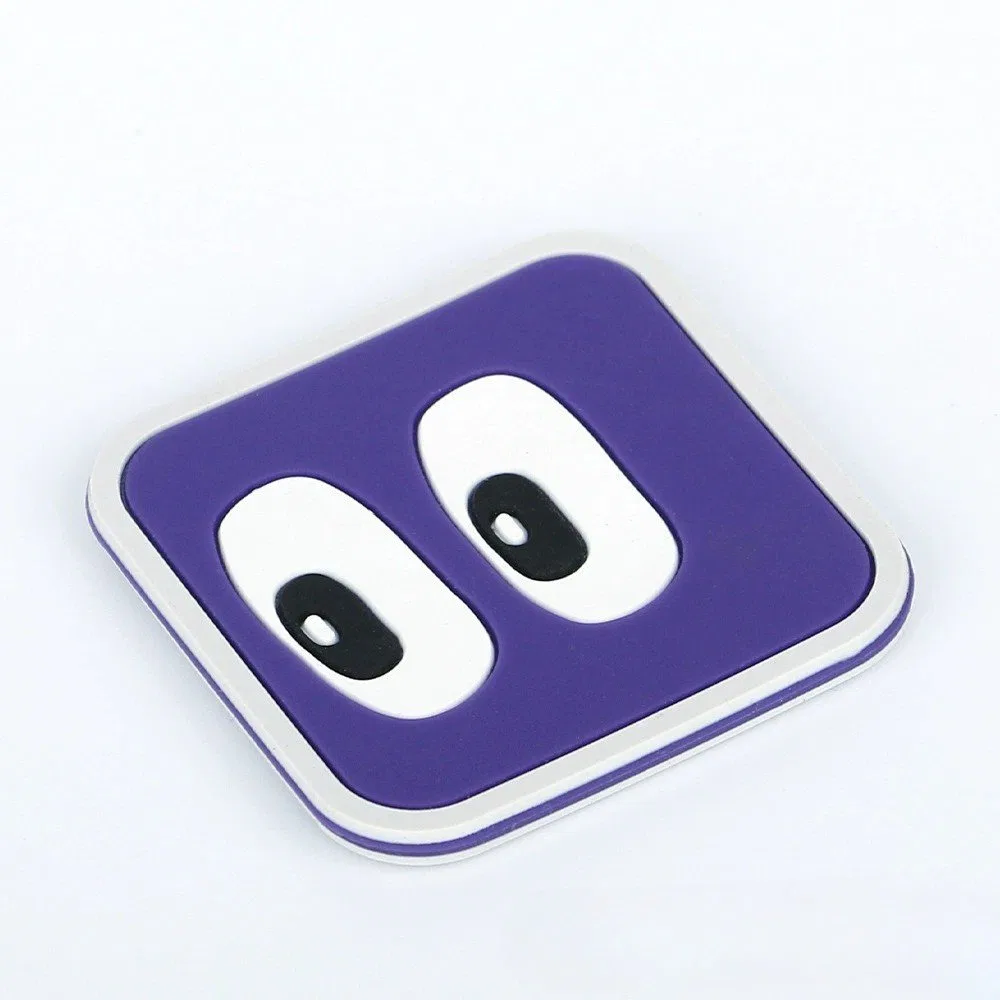
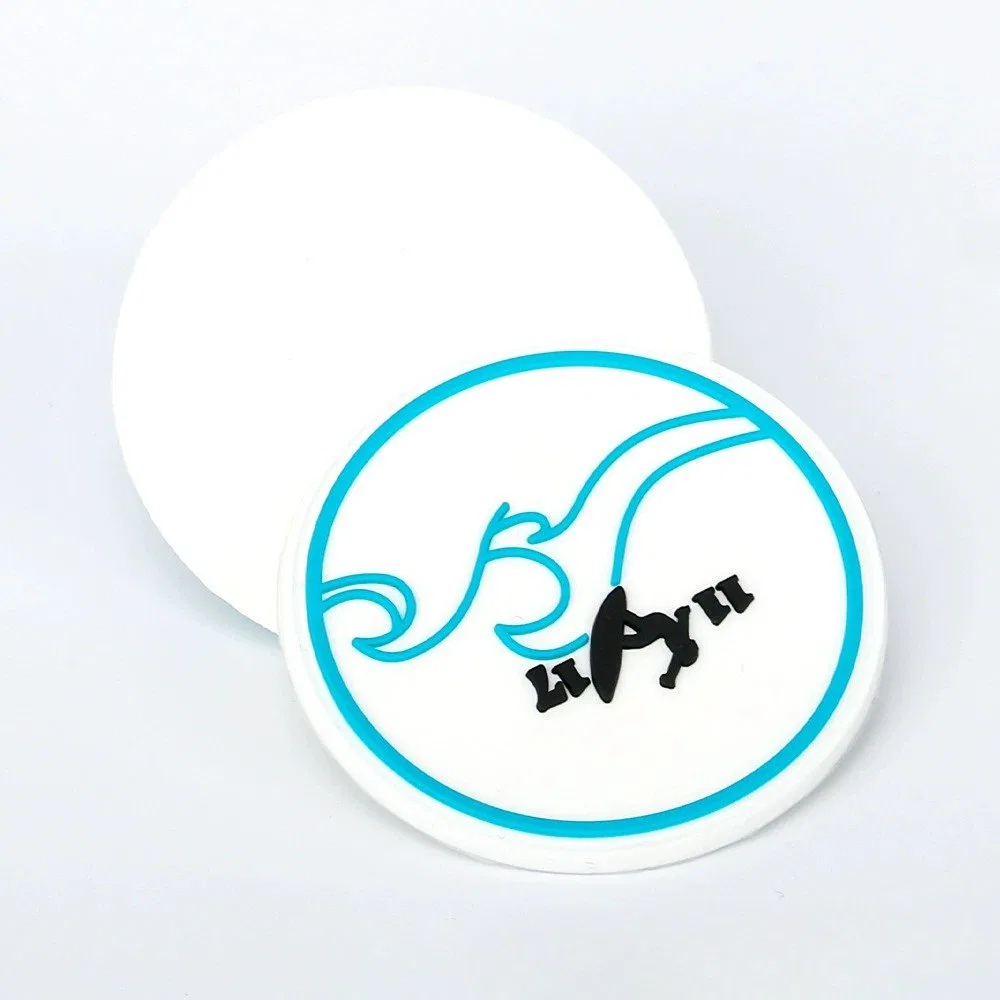
Define stitch path and edge clearance.
Test adhesive and garment heat tolerance.
Control mating shape and orientation.
Quote any alternate method explicitly.
Dimensions, thickness, relief, colours, tooling, backing, versions, quantity and packing all belong in the brief.
Confirm sample route, bulk component, inspection, packing and delivery terms in writing.
Supply named standards and intended garment shade.
Review each moulded colour zone at finished thickness.
Retain the approved code and comparison conditions.
Artwork and use.
Relief and colour key.
Loose and applied review.
Approved item record.
Version and destination labels.
silicone and rubber · MOQ 100
View rubber product →TPU · MOQ 100
View rubber product →Silicone · MOQ 100
View rubber product →TPU Leather · MOQ 100
View rubber product →High-quality Embroidery Thread · MOQ 100
View rubber product →Embroidery Thread + Full Polyester Hook & Loop (Velcro) · MOQ 100
View rubber product →The terms can overlap. Define the finished size, thickness, relief, edge and attachment so the quoted component matches its garment use.
Yes, when the artwork has enough spacing and line strength at finished size. Number each relief zone in the production key.
Choose between sew-on, compatible heat application, hook-and-loop or other quoted options according to the garment and assembly route.
Supply colour references and approve a physical sample. Surface, relief and surrounding garment colour affect the visual result.
Dimensions, thickness, relief, colour count, tooling, backing, quantity, versions and packing are typical price inputs.
They can be evaluated for those uses. Test attachment, flex, edge wear and the receiving textile under the intended conditions.
Include dimensions, relief, colours, backing, packing and required date.