


Design the logo as height zones
A numbered key makes the relationship between surface, recess, border and background clear.
A silicone label manufacturer converts flat logo art into a controlled relief, flexible body and garment attachment. Define the mould map, finished scale, colours and receiving fabric before approving a custom silicone logo patch.
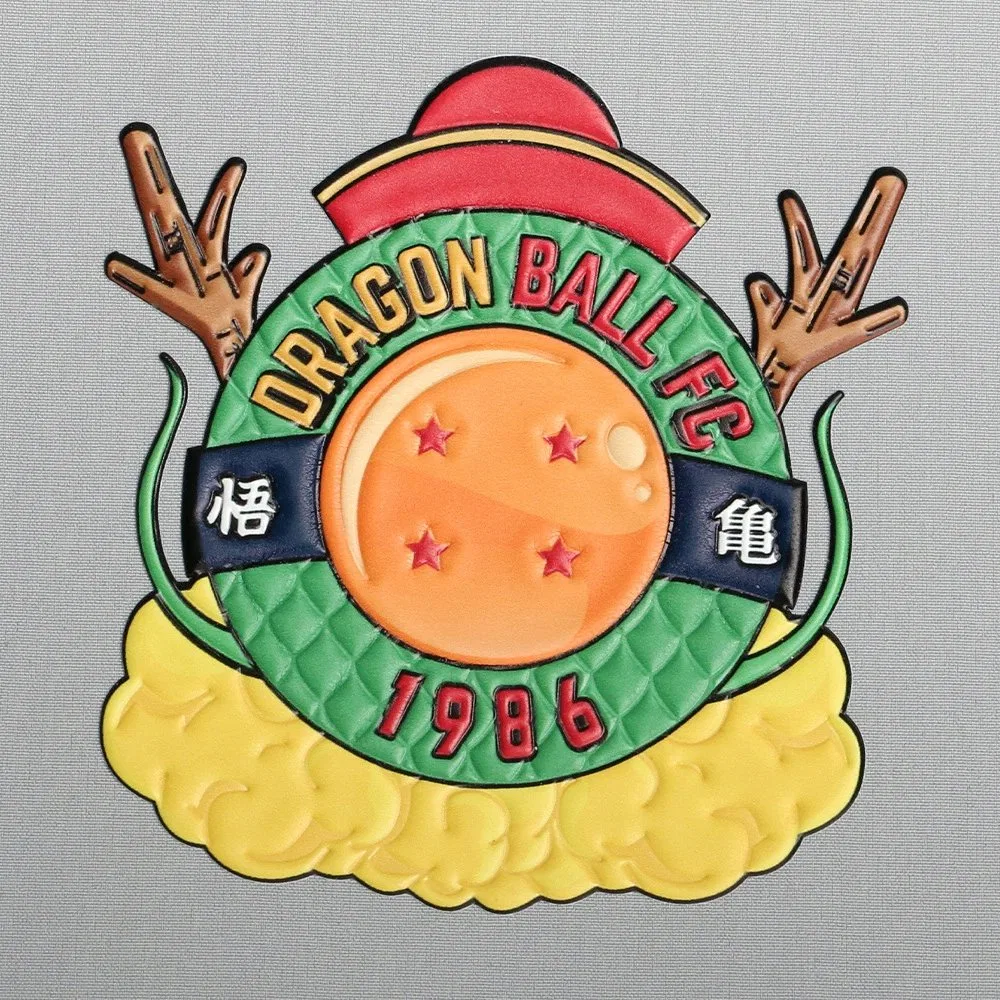
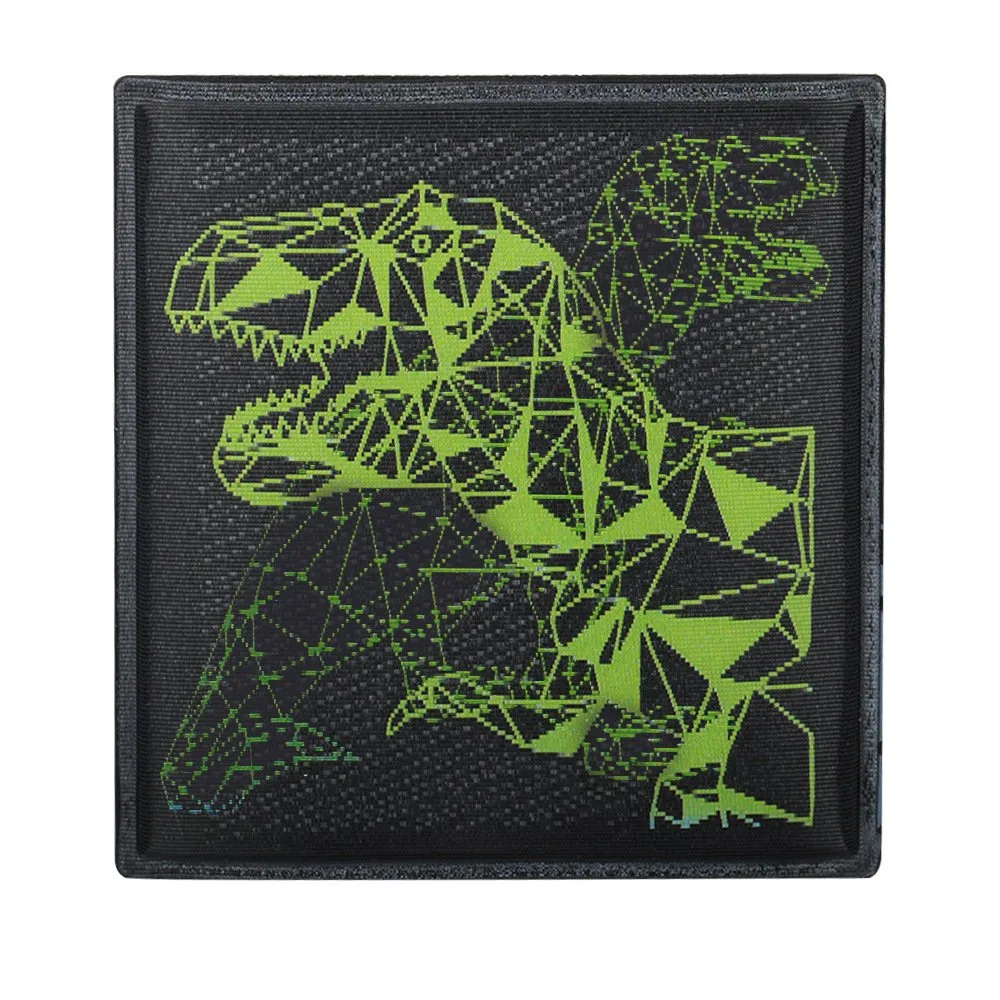
A numbered key makes the relationship between surface, recess, border and background clear.
Overall body and outer contour.
Primary logo and tactile emphasis.
Negative space and detail separation.
Test lines and counters at finished size.
Number heights and colour zones.
Confirm contour, reading and orientation.
Check the physical moulded result.

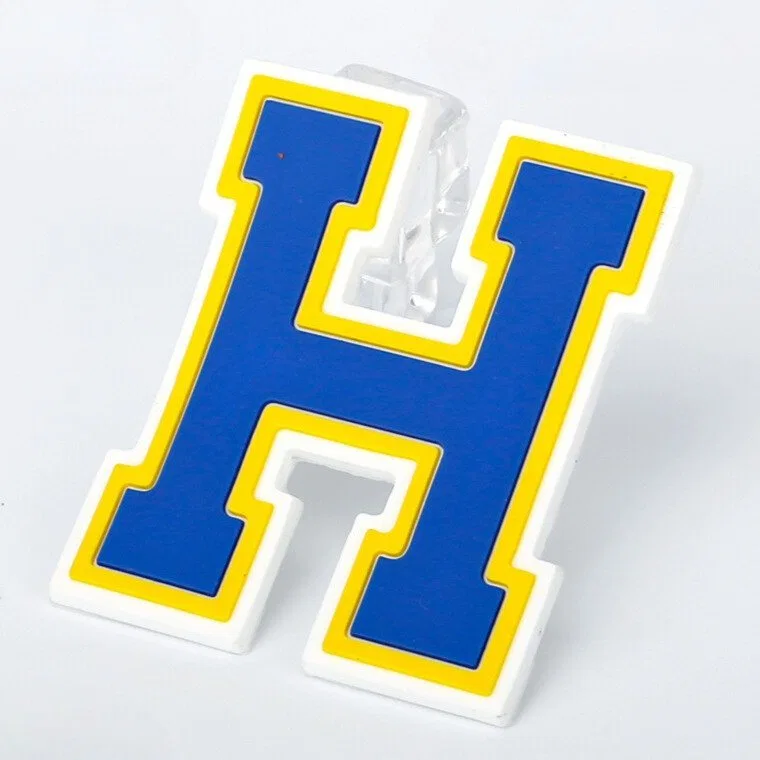
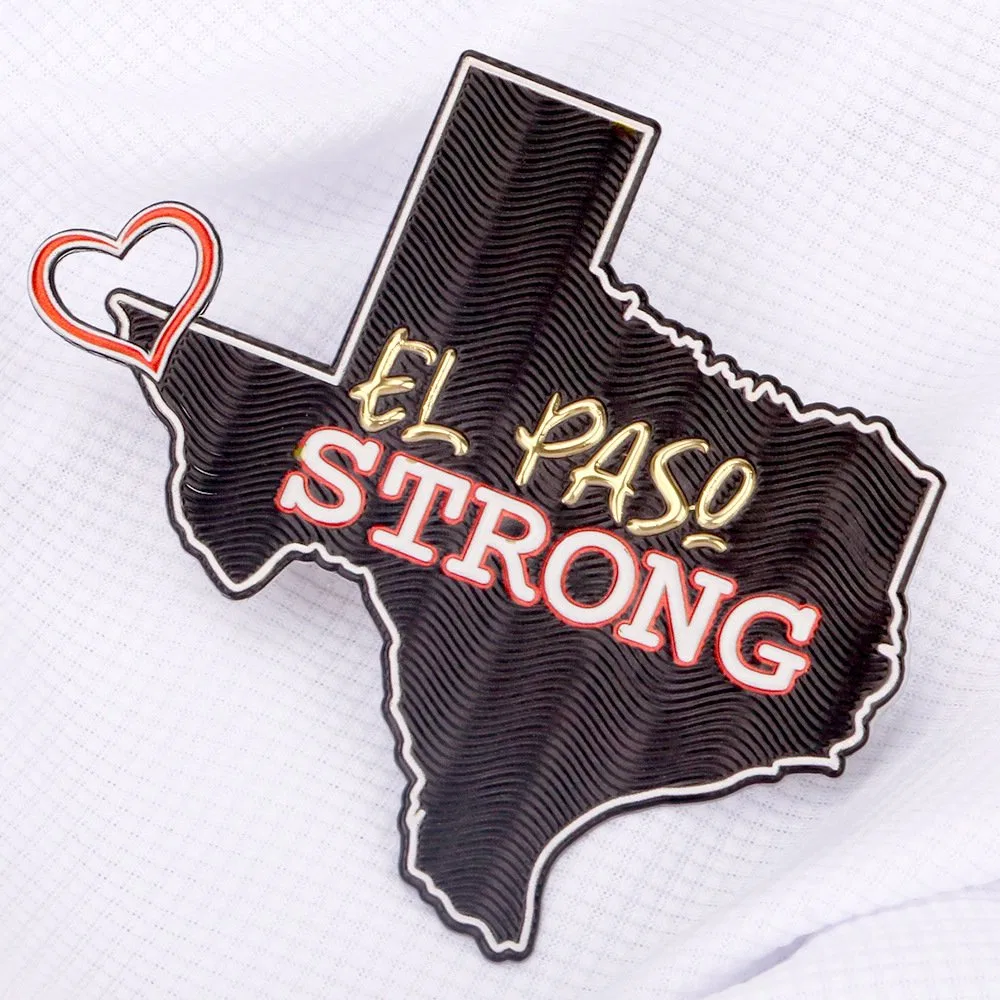
Check heat response and edge bond.
Review extension, recovery and coverage.
Test finish and application tolerance.
Confirm curvature, abrasion and placement.
Review tooling and sampling terms in the written quote rather than assuming ownership or reuse.
Width, height and thickness.
Raised and recessed readability.
Appearance by zone.
Flexibility and edge feel.
Bond and fabric response.
Use a revision-controlled item code with measurable tolerances and a defined inspection plan.
State bundle counts, version labels, carton marks and any factory split before packing.
Silicone · MOQ 100
View silicone product →TPU and Silicone · MOQ 100
View silicone product →silicone and rubber · MOQ 100
View silicone product →TPU · MOQ 100
View silicone product →TPU and Fabric · MOQ 100
View silicone product →TPU Leather · MOQ 100
View silicone product →Provide vector artwork, finished dimensions, colour references and a relief key that identifies raised, recessed and flat areas.
The proposed relief and construction are reviewed before a physical sample is made. Approve size, colour, flexibility, edge and garment application.
Multiple relief levels can be evaluated when the artwork remains manufacturable at the chosen size. Number every height zone clearly.
Suitability depends on the fabric, finish, stretch and heat tolerance. Test the exact production material before bulk application.
Tooling, dimensions, relief, colour count, versions, backing, quantity and packing affect the quote and minimum.
Reorder feasibility and any tooling terms should be confirmed in the original quote. Reference the approved item and identify all changes.
Include finished size, colours, attachment, quantities and required date.