


Soft tactile identity
Discuss formulation, thickness, relief and surface feel for the intended placement.
Silicone vs TPU labels is a product-development decision about hand feel, flexibility, relief, edge definition, garment compatibility and application. Compare like-for-like samples before fixing the specification.
Discuss formulation, thickness, relief and surface feel for the intended placement.
Review film structure, printed or moulded detail, edge shape and transfer layer.
| Buying field | Silicone route | TPU route |
|---|---|---|
| Surface | Specify matte, gloss, texture and tactile target | Specify printed, clear, matte or dimensional finish |
| Relief | Map raised and recessed zones | Define layers, height and edge profile |
| Flex | Approve thickness and bend recovery | Approve film gauge and stretch direction |
| Application | Validate adhesive system on garment | Validate transfer recipe and carrier release |
Test stretch, recovery, sweat exposure and repeated care.
Check coating, seam access, surface texture and low-temperature limits.
Prioritise hand feel, colour, relief and close-view appearance.
Review abrasion, edge contact and substrate thickness.
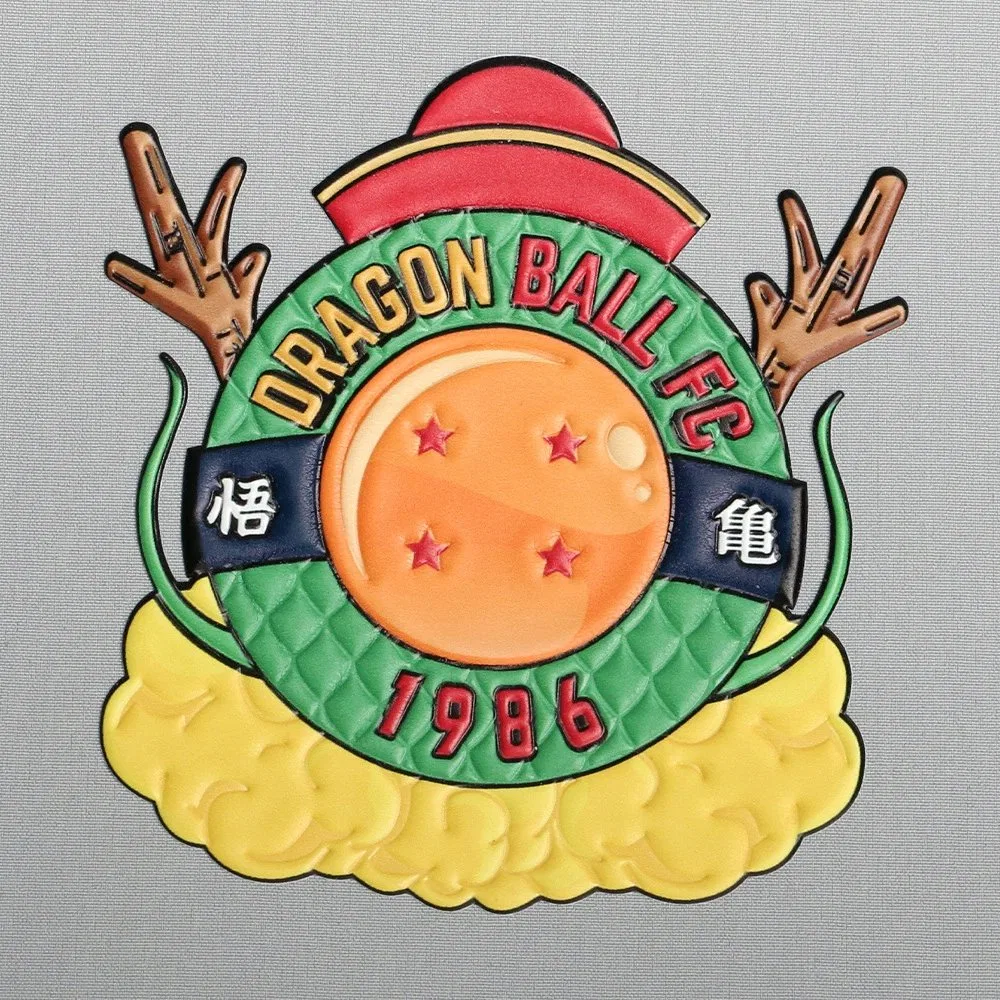
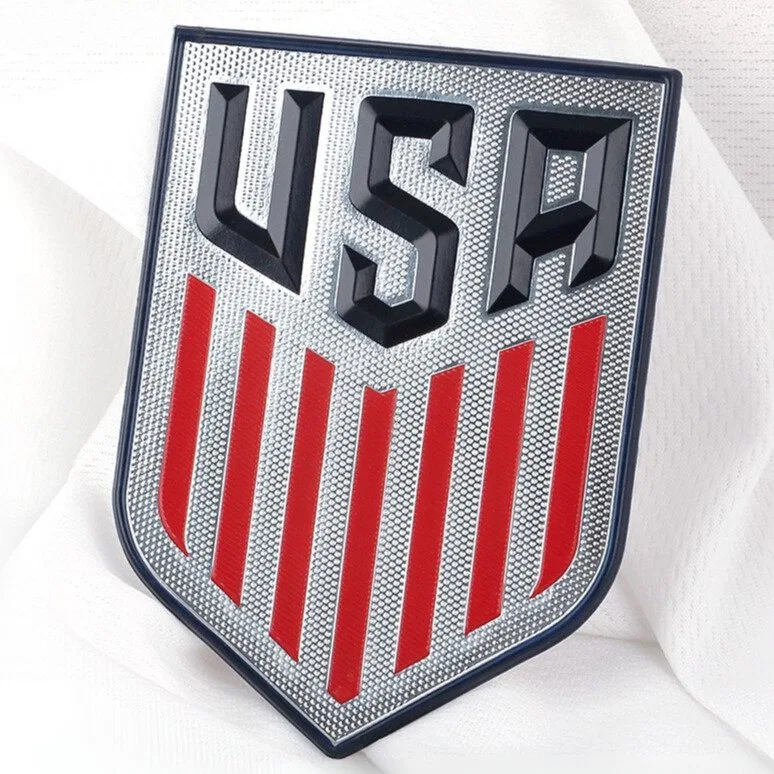
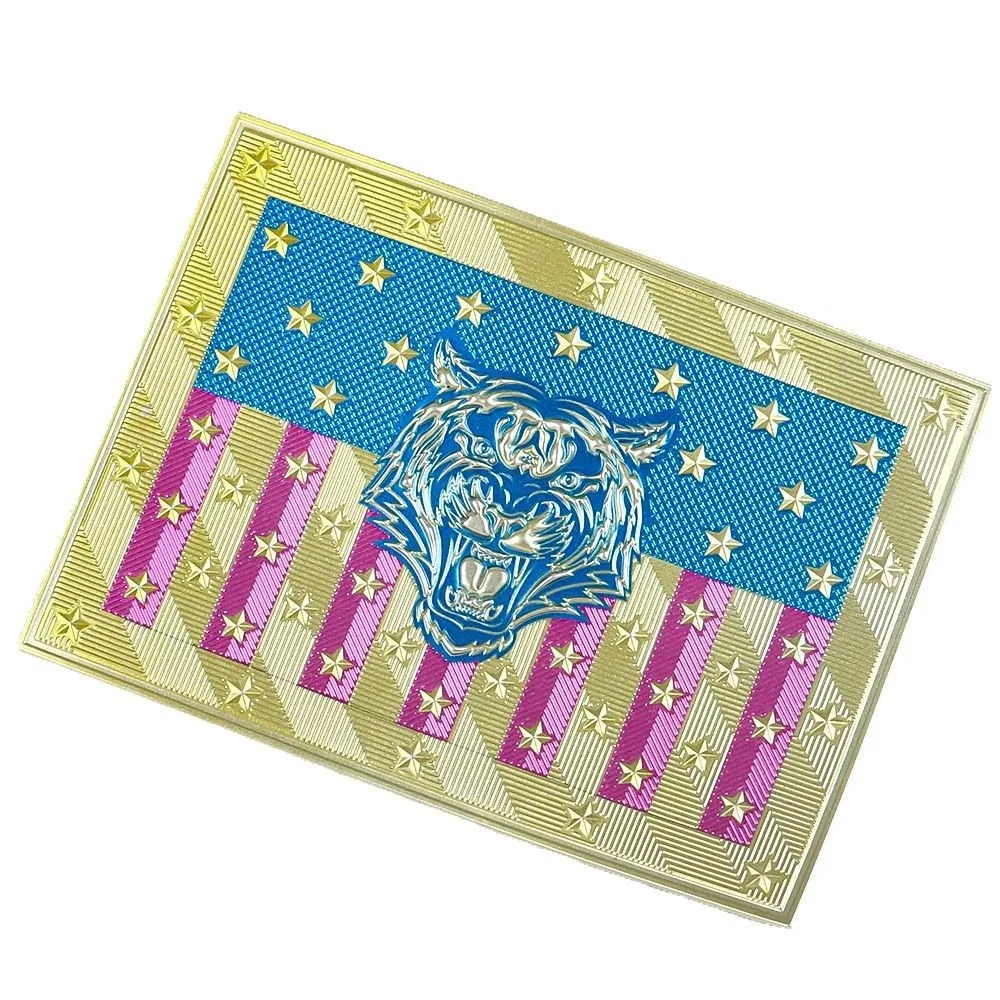
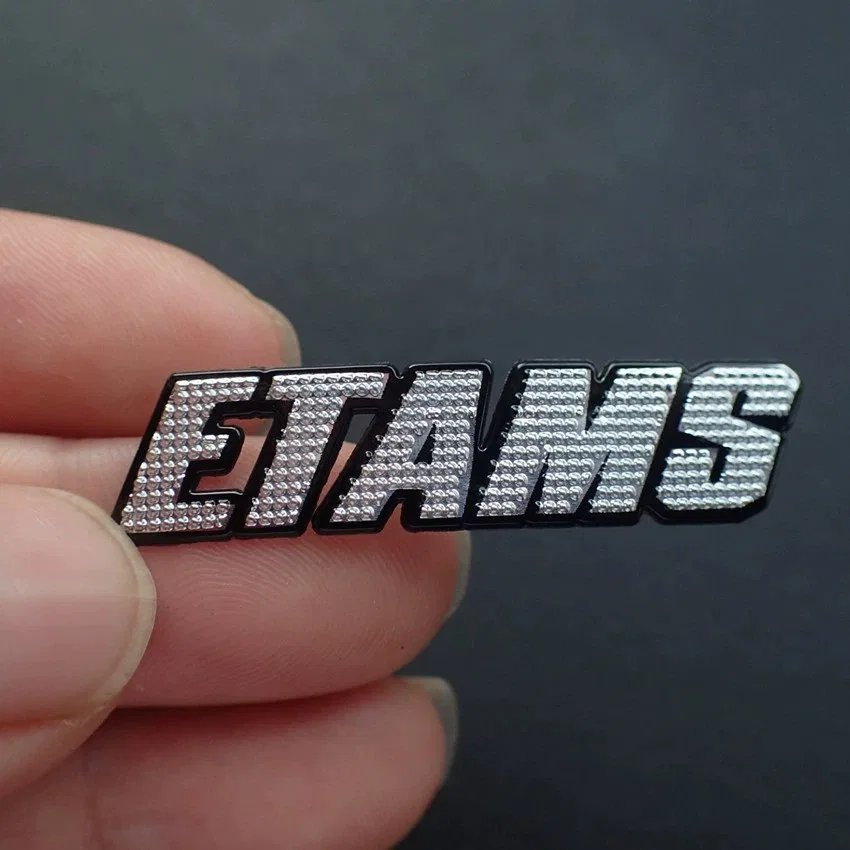


A thin swatch and a thick raised logo can behave differently even when they use the same material family.
Fold around the actual garment contour.
Release stretch and inspect shape memory.
Compare surface drag, softness and edge feel.
Number each height, protect fine counters and state whether colour boundaries are raised, recessed or printed.
Composition, finish and coating.
Time, temperature and pressure.
Control platen and placement.
Allow bond to settle.
Wash, flex and inspect edges.
Hold finished size and relief intent constant.
Price identical version and tier counts.
Use the same garment and application scope.
Match packaging, destination and commercial term.
Silicone · MOQ 100
View product →TPU and Silicone · MOQ 100
View product →TPU and Fabric · MOQ 100
View product →TPU AND SILICONE · MOQ 100
View product →TPU Leather · MOQ 100
View product →TPU · MOQ 100
View product →Silicone and TPU are separate material families with different feel, structure and processing options. Compare approved samples at the intended size and garment placement.
Softness depends on formulation, thickness, relief and backing construction. Request a hand-feel sample rather than selecting from a material name alone.
Both can support dimensional effects, but fine detail, height transitions and edge shape must be reviewed for the chosen process.
Heat-applied versions are available. The application recipe must be validated on the actual garment fabric, coating and finished colour.
Choose after testing recovery, surface appearance and bond performance on the intended stretch direction and fabric composition.
Send artwork, size, relief map, colour references, garment composition, placement, backing, quantities and care expectations.
Send the logo, placement, fabric, dimensions, quantities and care target for a focused material review.