


Mould, die, screen, plate, digitising or fixture.
Tooling lifecycle map
Tooling & Mould Costs for Custom Patches
mould cost custom patches buyers need a controlled, practical decision process. A tooling fee pays for design-specific setup or a physical production tool. The quotation should define the tool, revision, payment, ownership, storage, reuse and replacement conditions.
Tooling scope
Name exactly what the fee creates
Artwork revision, size and construction.
Engineering, sample and adjustment scope.
New size, major revision or replacement tool.
Tooling lifecycle
Track the tool from artwork to archive
Translate approved art into tool data.
Manufacture or configure the tool.
Produce and review the first output.
Identify and retain under agreed conditions.
Revision gates
Decide whether a change needs new tooling
Review whether geometry changes.
Often changes geometry and tool need.
May require new mould data or insert.
May reuse unchanged geometry.
Tool-dependent references
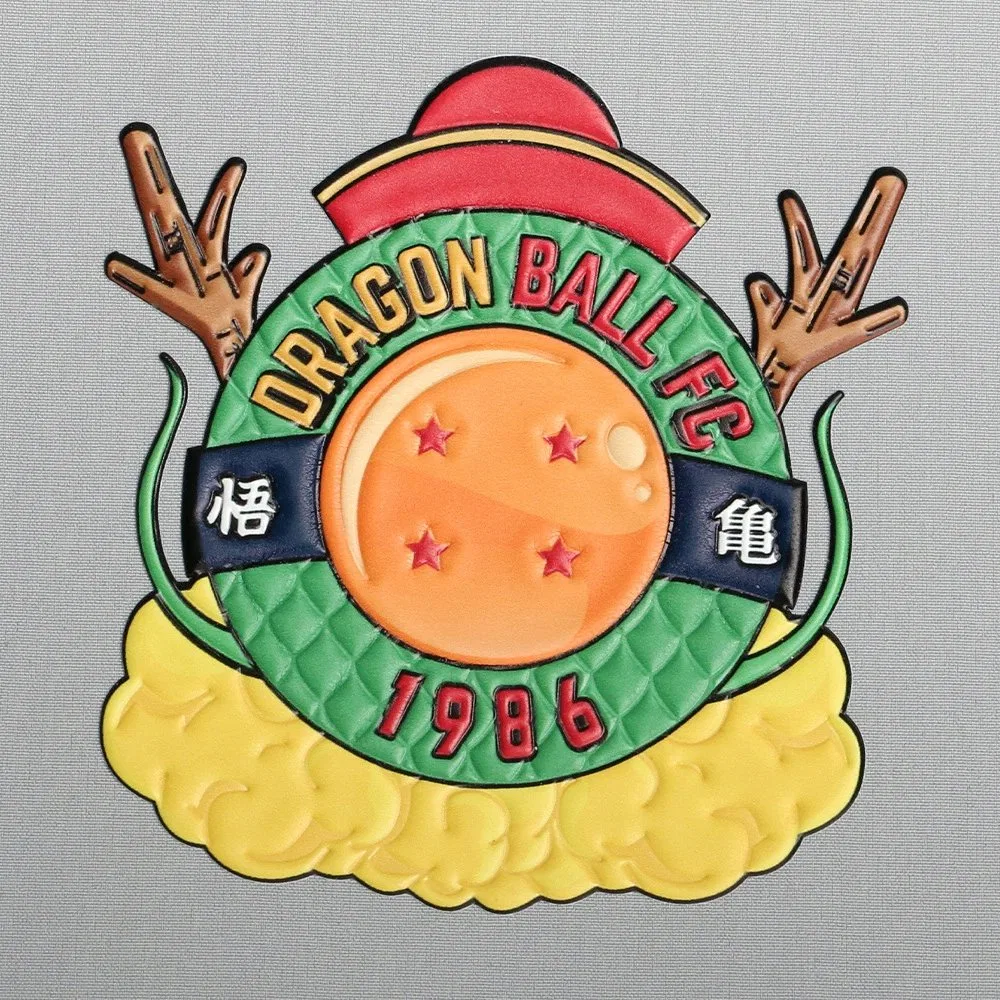
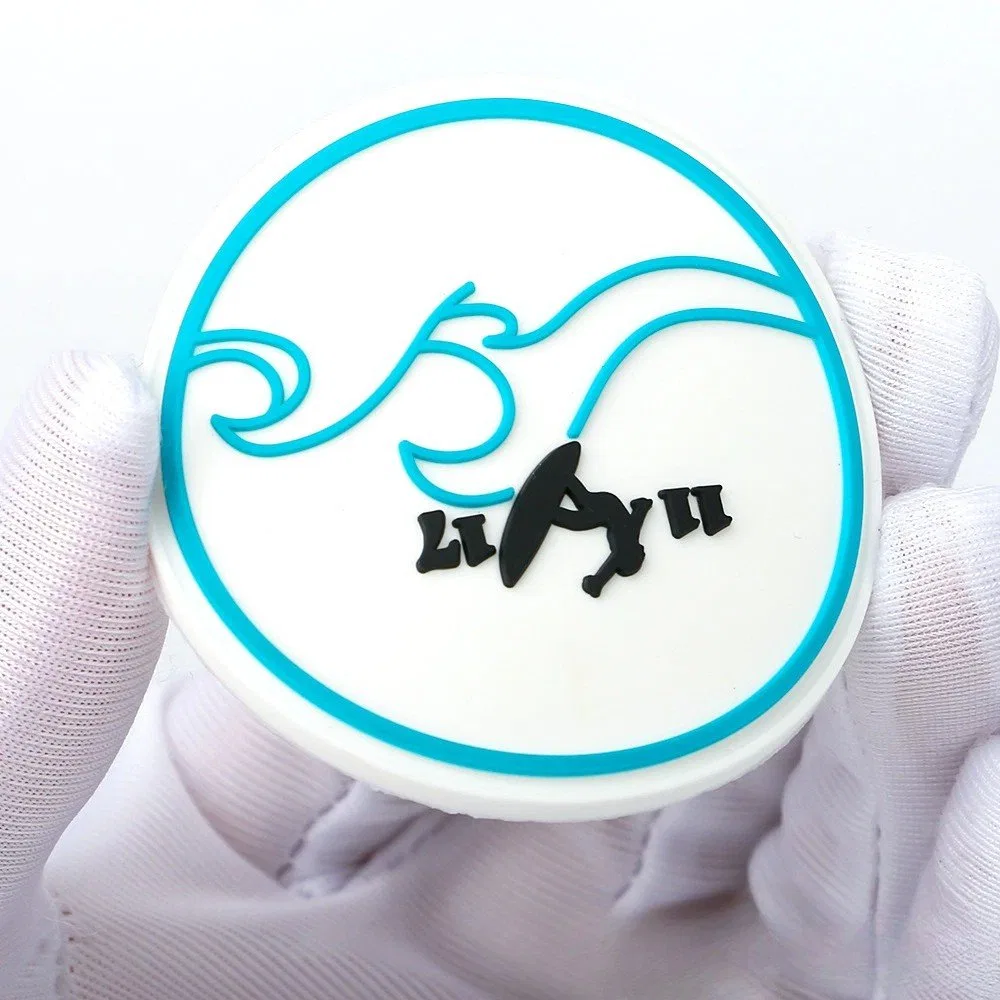
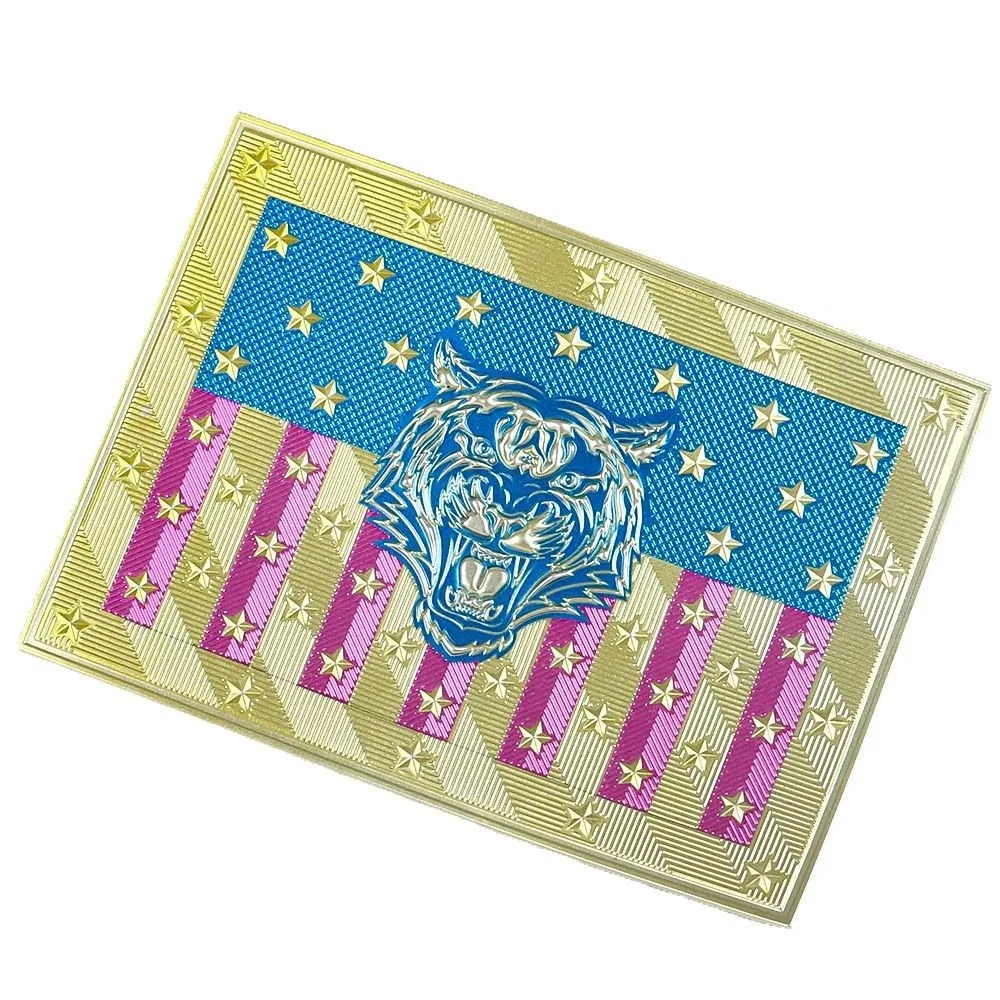
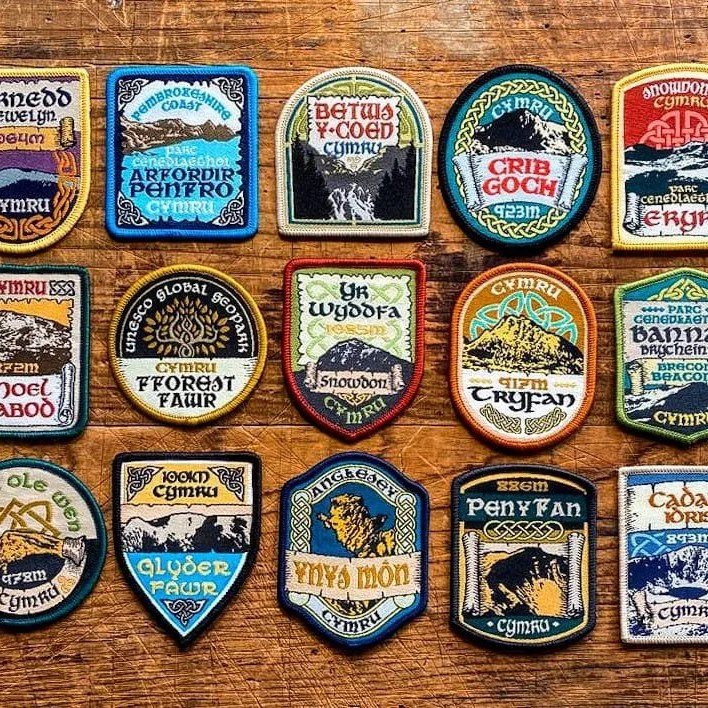
Review moulded, embroidered and transfer products


Ownership record
Put commercial terms in writing
Who pays setup or tooling charge.
Who owns or controls reuse rights.
Where and how the tool is stored.
How long it is held and what ends storage.
Reorder check
Verify the tool before reuse
Tool code matches revision and size.
Tool remains usable and complete.
Compound and colour references are current.
Reapprove after meaningful change or long gap.
Fee boundaries
Separate tool creation from unit production
| Engineering | Tool data and manufacturability review |
|---|---|
| Creation | Physical tool or configured setup |
| Sampling | First output and included revisions |
| Production | Unit price after approved tooling |
Current product records
Related catalogue products for this buying decision
Custom 3D TPU Rubber Logo Patches and Badges
TPU · MOQ 100
View product →Custom 3D Silicone Heat Transfer Logo Patches
Silicone · MOQ 100
View product →Custom Soft Rubber Labels
silicone and rubber · MOQ 100
View product →Custom TPU Heat Transfer Labels for Clothing
TPU and Fabric · MOQ 100
View product →Custom Embroidered Fabric Patches for Apparel and Bags
High-quality Embroidery Thread · MOQ 100
View product →3D Silicone Heat Transfer Labels for Clothing
TPU and Silicone · MOQ 100
View product →What is a mould cost for custom patches?
It is a design-specific tooling charge used to create geometry or production setup for a moulded patch.
Is tooling a one-off fee?
It may be reusable for unchanged repeat orders, subject to ownership, condition, storage and retention terms.
Who owns the mould?
Ownership varies by agreement. State payer, owner, custody, reuse rights and disposal conditions.
Does every artwork change need a new mould?
Changes to size, geometry, relief or layout may require new tooling. Colour-only changes may not.
What is the difference between tooling and setup?
Tooling can be a physical or design-specific production tool; setup can also cover machine, screen or preparation work.
How do I avoid paying twice?
Keep tool code, artwork revision, invoice terms and ownership record, then reference them on reorders.
Define tooling before approving the sample
Send artwork, dimensions, relief, construction, revisions and the ownership terms you need clarified.