


Source file
Vector artwork, exact spelling, required proportions and a named revision.
Convert a logo, statement or motif into a controlled custom rhinestone transfer program for apparel decoration. Teebling’s B2B workflow joins artwork engineering, finished physical size, crystal color direction, target garment trials, application records, packing and reorders. This guide is for clothing brands, decorators, merchandise buyers and event programs that need quote-ready specifications instead of a loose image and an assumed one-size-fits-all process.
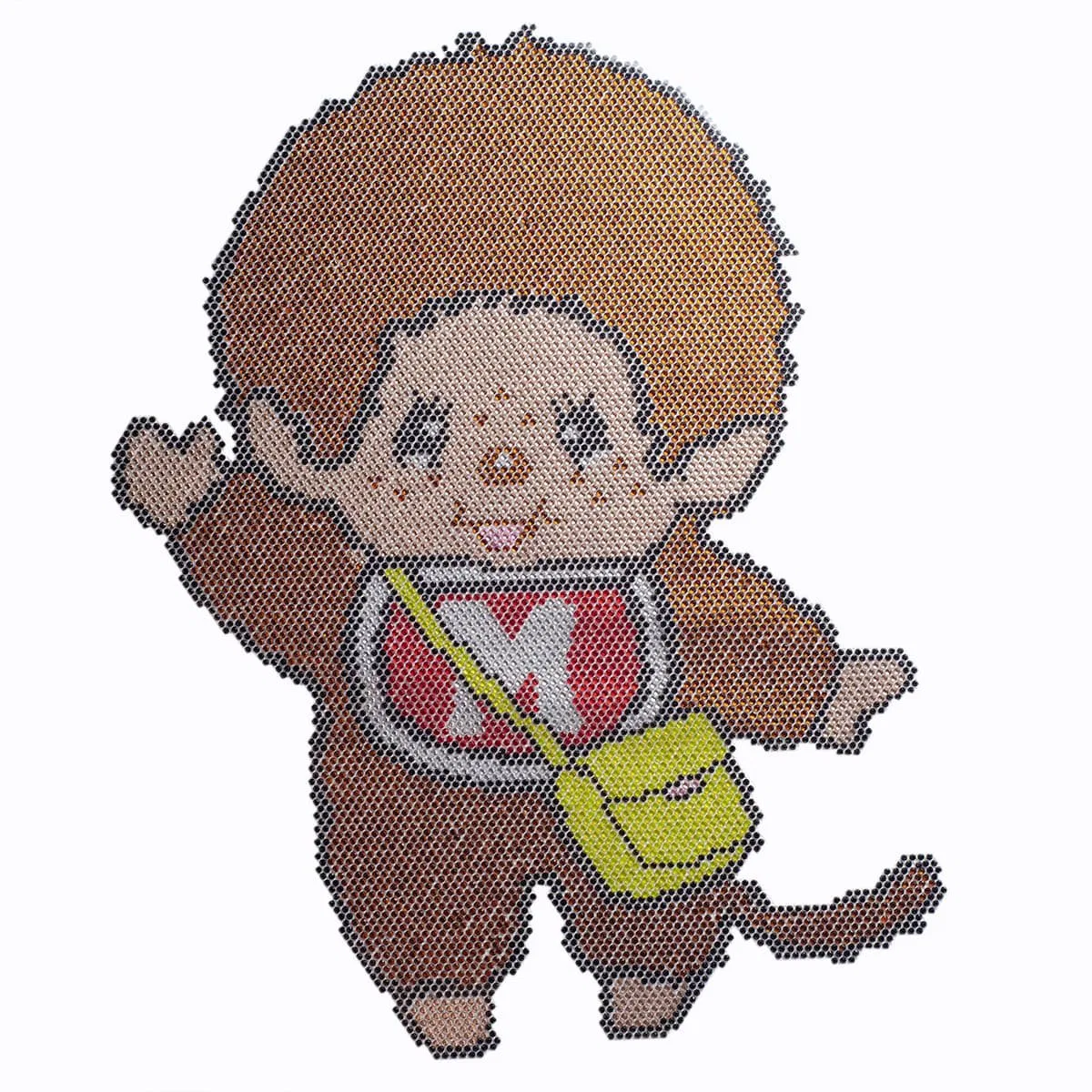
A clear request identifies what must look exact and what may be adapted for physical production. It also separates artwork versions, finished sizes and target garments so the quote reflects the real order.
Vector artwork, exact spelling, required proportions and a named revision.
Finished width and height for every commercial transfer version.
Chest, back, sleeve or other zone shown on the intended product.
Quantity by artwork, size, color direction and packing group.
List every word, number and protected brand feature. Do not rely on a low-resolution preview for spelling. Outline whether the logo proportions must remain fixed or whether a secondary compact arrangement may be explored.
Review narrow letter counters, thin outlines, tiny stars and closely packed details. At smaller physical sizes, selective simplification can preserve recognition better than trying to retain every screen pixel.
State what should be noticed first: the word mark, icon, border or overall sparkle. That priority guides decisions if the original art contains more detail than the requested transfer size can clearly support.
Name files with the project, design, size and revision. Place the same code on mockups and approval comments so Teebling and the buyer are always discussing one traceable version.
A transfer does not automatically behave the same when enlarged or reduced. Set real measurements, inspect detail at that scale and connect each version to a garment placement.
Record the usable garment area between seams, necklines, pockets and closures. The artwork box must fit the product, not only the digital mockup.
Use stable labels such as Adult Front A or Sleeve Mark B, paired with exact width and height. Avoid vague terms like medium or standard.
Inspect letter openings, borders and small accents in every proposed size. A compact version may need its own approved arrangement.
List quantities for each transfer size and artwork combination. Separate counts support accurate packing labels and controlled decorator handoff.
The desired effect should be described in commercial terms: readable brand mark, tonal texture, color accent or high-impact event graphic.
Prioritize recognizable outlines and open letter spacing. Use a placement mockup on the actual garment color because contrast changes how the design reads from normal viewing distance.
Provide an annotated palette showing which areas receive each crystal direction. Screen references guide discussion, while the physical approval confirms the appearance selected for the order.
Explain whether the brief calls for sparse accents, a defined motif or a denser field. Reference imagery should be labeled as inspiration so it is not mistaken for an exact construction instruction.
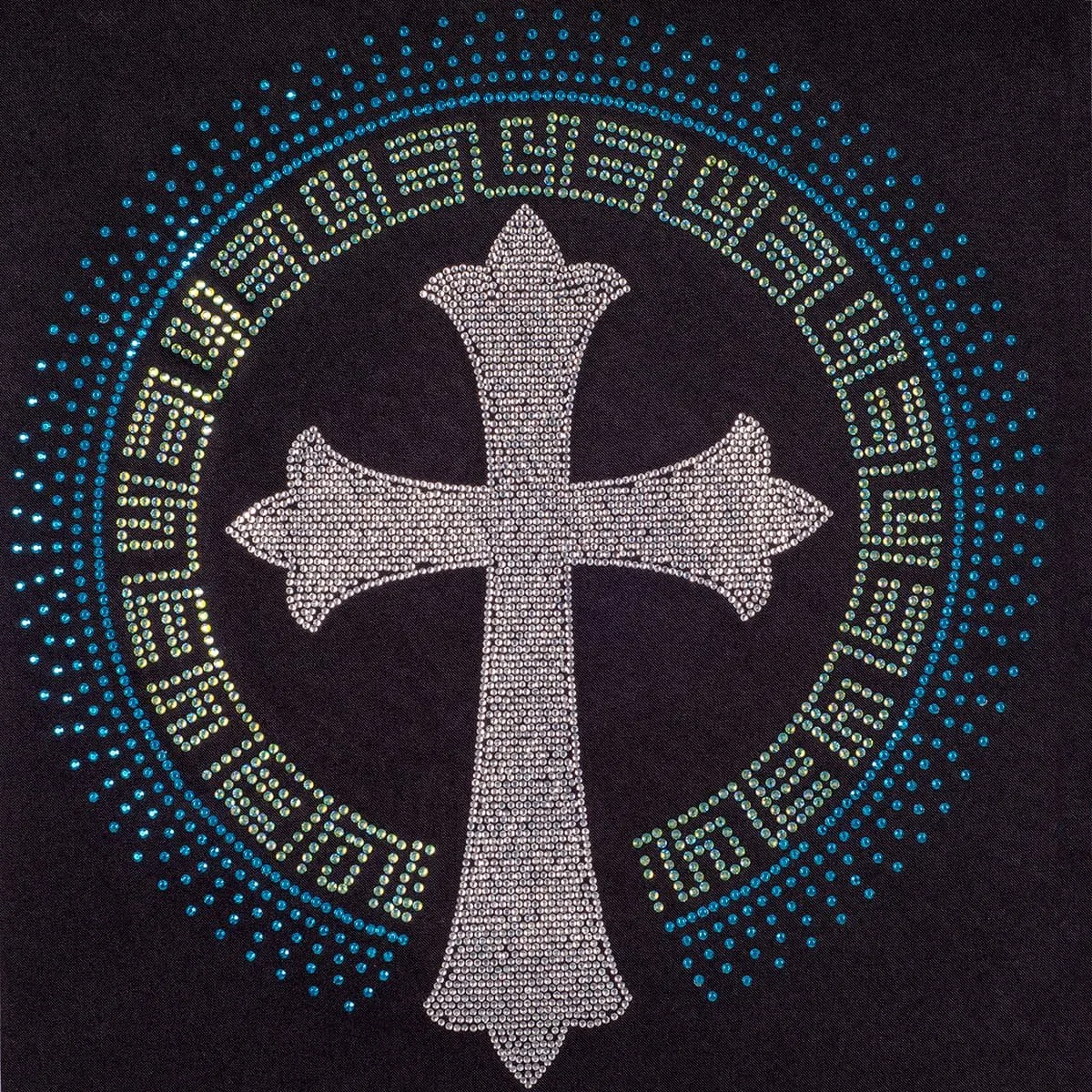
Fabric composition, color, texture, coatings and construction can influence an application trial. Identify the actual garment or provide representative material before production assumptions are made. The operator should document the equipment, protective layers, time, temperature, pressure direction, cooling and carrier removal used for the approved test.
A production-ready delivery is more than a bag of motifs. Organize transfer bundles by design and size, label them consistently, and connect each label to the application record and placement guide. If several garment colors or locations are involved, include a simple matrix showing which transfer belongs to each product.
FILEApproved design name, revision, finished dimensions and visual reference.
APPLYTarget substrate, equipment and documented process used for the accepted test.
PACKTransfer count, design, size, batch or project reference and carton grouping.
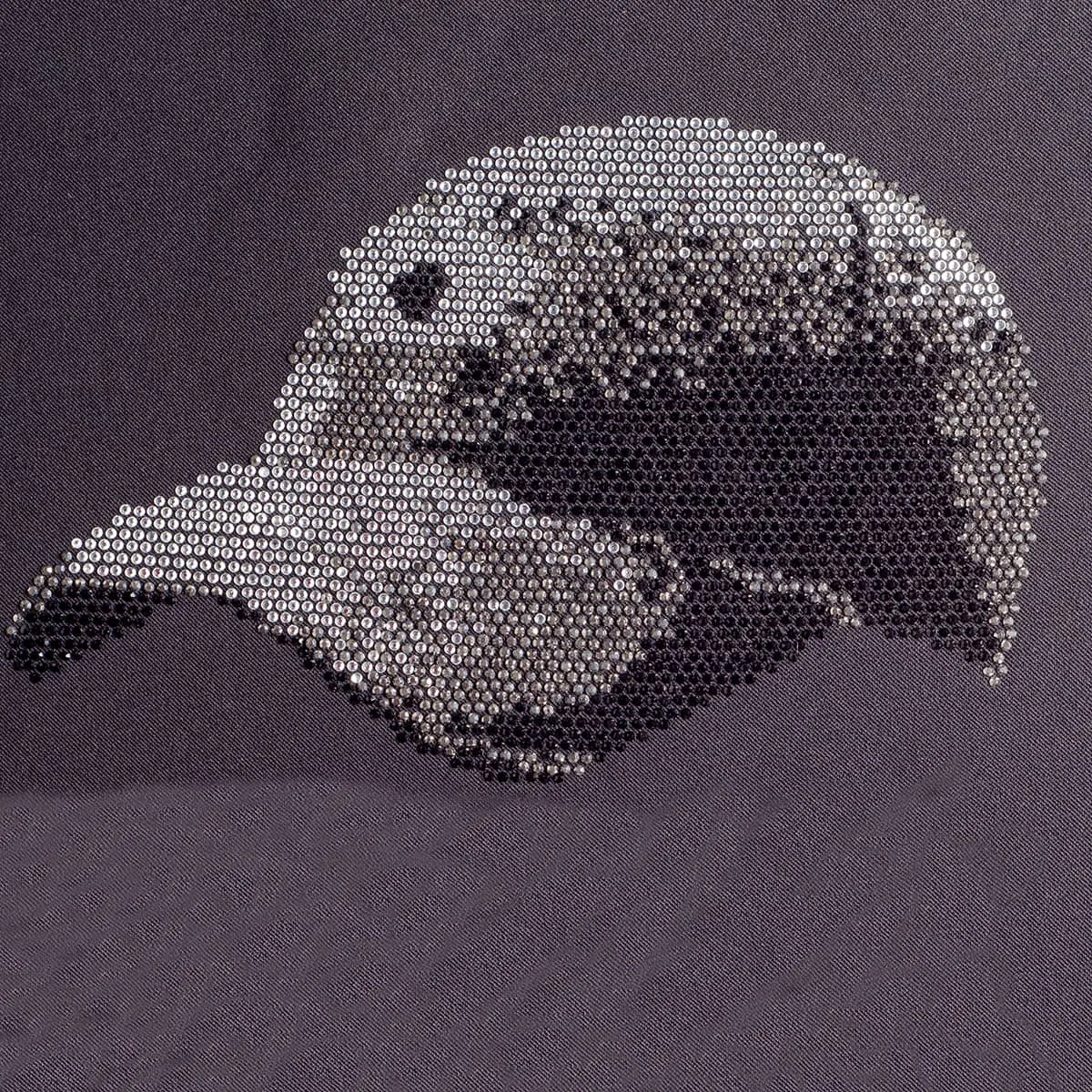
When comments are tied to named records, buyers can compare revisions and decorators can repeat the accepted workflow with fewer ambiguities.
Confirm spelling, outline, palette, physical dimensions and placement mockup. Save the exact approved file rather than only an email screenshot.
Review spacing, alignment, carrier condition and the transfer face under ordinary light. Mark corrections on close photographs with a clear revision request.
Inspect the garment after the documented trial and note any fabric behavior. Approval applies to the tested combination, not automatically to every future substrate.
Confirm bundle quantities and labels by design and size. Mixed motifs should be separated in a way the receiving decorator can verify quickly.
Retain the accepted artwork, size table, palette, sample evidence, application record and packaging format under one project reference.
Flag new art, scale, garment fabric, placement or color direction before repeating an order so Teebling can identify what requires another check.
Tell Teebling what the finished decoration must communicate, where it will be applied and how the variants divide. Attach the editable art, measured mockup, target garment information and line list so technical review and commercial discussion begin from the same facts.
The answers below frame an initial project. The individual artwork, physical sample, target substrate and accepted application record govern the final Teebling order.
Send editable vector artwork when available, the exact wording, finished width and height, intended garment placement, color direction, target fabric information, quantity by design and size, packing requirements, destination and requested delivery window.
Several finished sizes can be reviewed, but each size should be treated as a named artwork version. Fine lines, small letter spaces and the visual weight of a motif may change when scaled, so buyers should approve the physical result for each commercial size.
Identify the actual garment or fabric, color, composition and any surface treatment, then keep a test piece from the intended production lot when possible. Application settings and handling are confirmed for the specific transfer and substrate rather than assumed from unrelated products.
Review spelling, dimensions, outline, spacing, color placement, carrier alignment and the appearance on the target garment. After an application trial, inspect the front and reverse and record the exact equipment and process used for that approved result.
Save the approved artwork revision, finished dimensions, color map, transfer reference, garment trial notes, packing method and variant quantities. Quote the same record when reordering and clearly identify any new fabric, color or artwork change that needs another review.