


Decoration studios
Group motifs by placement size and receiving fabric so operators can select a design that fits the garment and can be tested with their equipment.
Build a practical motif range for apparel decorators, craft retailers, boutiques or merchandise programs. Teebling helps buyers organize the exact design references, finished dimensions, intended surfaces, application trials, quantities and pack rules that make a bulk request understandable.
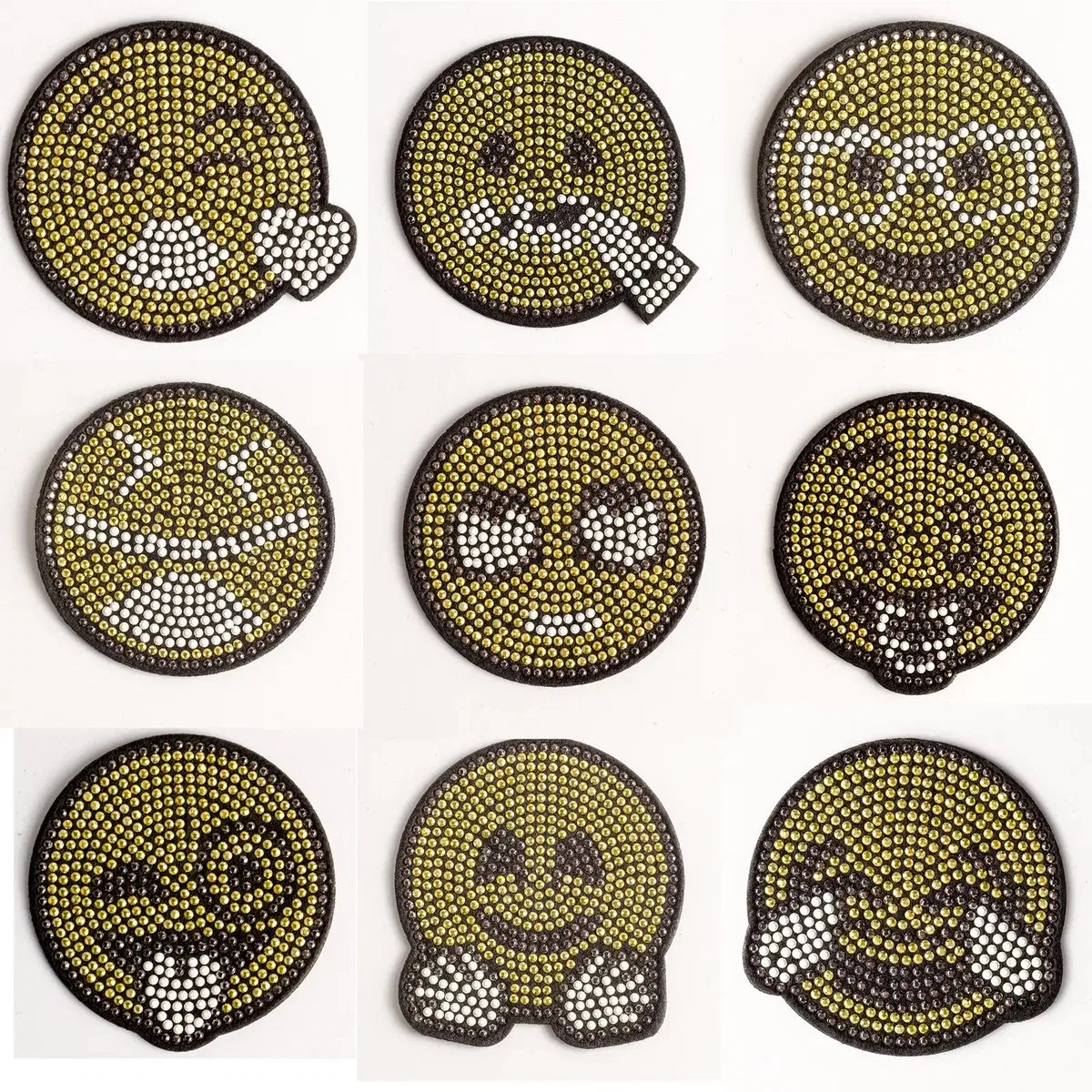
A useful range is organized around a buyer and an application, not around every attractive image in the catalog. Start with the product category you decorate or sell, the available placement area and the visual themes your customer can recognize.
Group motifs by placement size and receiving fabric so operators can select a design that fits the garment and can be tested with their equipment.
Build clearly named style families with usable inner packs, design identification and instructions appropriate to the confirmed construction.
Choose a focused visual story that can repeat across tops, bags or accessories without turning the line into unrelated novelty pieces.
Record the product URL, SKU or item code beside a plain-language motif name. Similar smile, star or letter designs may differ in dimensions, base or application format.
Give every color or construction variation its own line. Do not let a photograph silently stand in for the color, orientation or material that must be supplied.
State the requested units for each line instead of one blended total. Teebling can then confirm current terms for the actual assortment rather than infer a split.
Define the wording used on inner packs, including buyer code or barcode data when relevant. Approved identification supports receiving and later replenishment.
Motif size must be judged against the usable decoration field, nearby seams and the viewing distance of the final product. A catalog dimension is evidence for that item, not a promise that every design can be produced at the same scale.
For compact zones, confirm that letters, gaps and stone spacing remain readable. Request a finished-size proof rather than shrinking an image by assumption.
For chest, bag or hat panels, measure the clear area and state orientation. The design should avoid folds, closures and difficult press access.
For larger decoration, confirm handling, carrier dimensions and equipment fit. A full-scale sample can expose alignment or support issues before volume use.
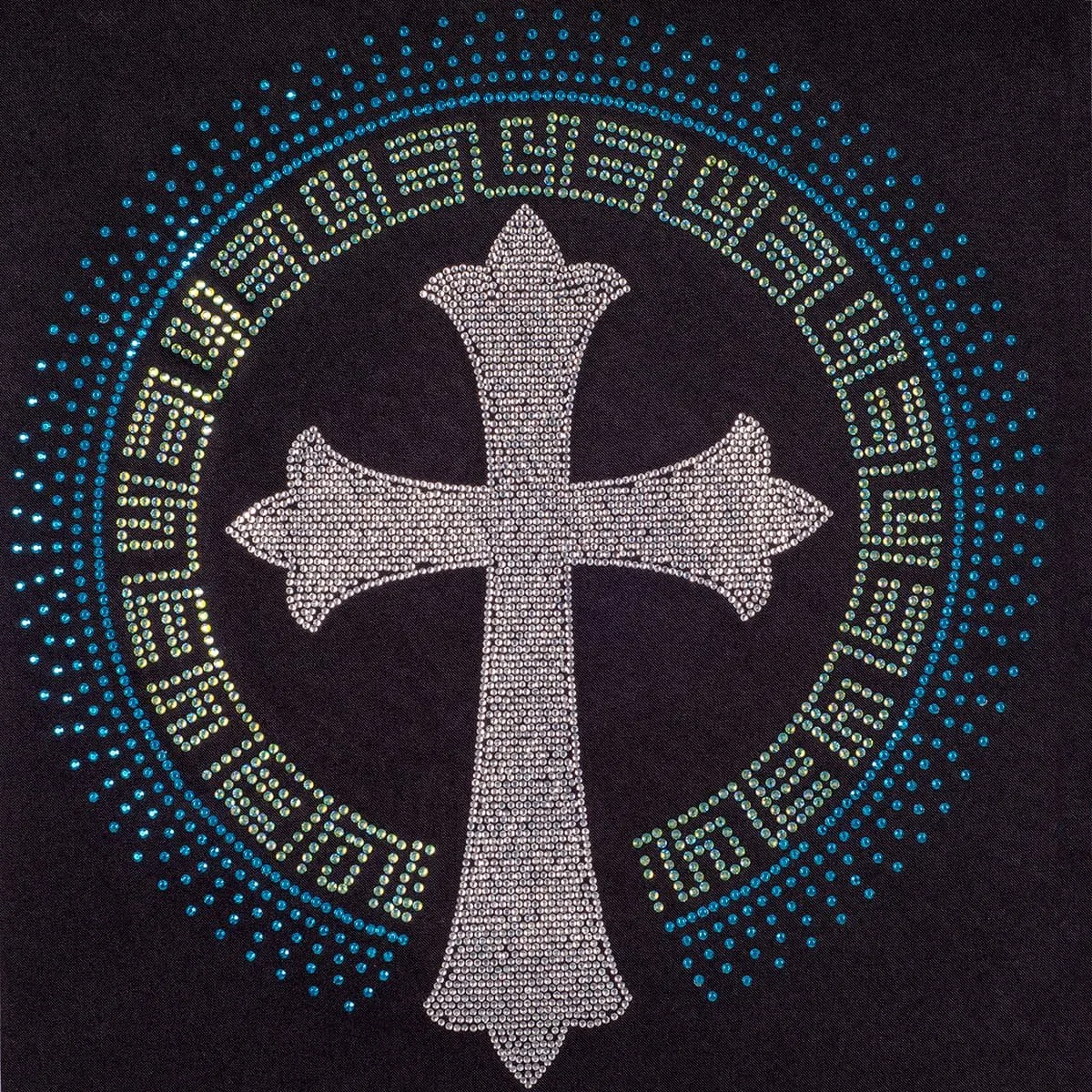
Organize a range by visual behavior: clear or neutral sparkle, colored accents, mixed-material graphics, letters, symbols or themed icons. The family name should describe what the buyer will receive rather than claim a material that has not been verified for the selected product.
Review color against the intended garment because contrast changes the way a motif reads. Screen images are useful for selection, but a current physical reference is more reliable when color is central to a brand or coordinated collection.
The same motif may enter two very different workflows. Define the channel before asking for packing so the quote addresses actual handling rather than a generic polybag.
Prioritize design identification, flat protection, count accuracy and efficient issue to operators. State whether sheets should be grouped by job, garment color or production batch. Include the target fabric and application trial in the working file so the pack stays connected to the approved use.
Prioritize customer-facing style names, visible design separation and any buyer-supplied label or barcode fields. Ask Teebling to review the requested presentation; available formats and related charges belong in the written quote, not in an assumed package.
Motif SKU or reference, receiving fabric and garment location.
Press and platen arrangement used for the trial.
Recorded settings and peel method used for this specific pair.
Initial appearance, attachment observations and any fabric change.
Approved, revised or rejected scope with a named reviewer.
Do not publish one setting for every motif and fabric. Test the selected construction on the actual receiving product with the equipment intended for use. Record the operating conditions and the cooling or peel sequence so another operator can understand what was evaluated.
Inspect more than whether stones remain in place immediately. Look at motif alignment, carrier release, edge behavior and visible fabric change. If the sample changes, issue a new revision rather than silently replacing the conditions attached to the approval.
A balanced range starts with a line-level forecast. It does not require invented sales statistics: use your own channel evidence, identify the designs that carry the core story and keep experimental motifs visible as separate decisions.
Allocate the largest share to motifs supported by buyer demand or prior orders, while recording the exact style and color rather than a generic family total.
Use complementary icons, letters or colors to widen the assortment without weakening its theme. Give each a stated unit count.
Keep new directions on their own lines. That makes their commercial terms, sample needs and reorder decision easy to evaluate.
A reorder is easier when the original decision trail can be found. Keep the item identity, approved evidence, quantities and packing instruction together, then ask Teebling to reconfirm availability and current terms.
REF-01Store the exact SKU, style name, colorway and recorded specification used for the order.
REF-02Retain the tested fabric, conditions, dated sample evidence and any limitations recorded by the buyer.
REF-03Archive the inner quantity, identification text, assortment split and receiving result.
These answers define the information Teebling needs without turning a product reference into an unsupported universal promise.
Send the product URL or SKU, motif name, recorded dimensions, requested quantity and intended surface. A photograph alone can hide differences in scale, carrier and construction, so Teebling confirms the selected reference in the written quote.
List every design as its own line with quantity, color direction and pack requirement. Whether styles can be combined for commercial terms depends on the current items and order structure, and is confirmed rather than assumed.
Yes when the result matters to a production program. Test the selected motif on the actual receiving fabric with the equipment and operating conditions that will be used, then retain the approved record.
Describe the inner quantity, style identification, barcode data and presentation you need. Teebling can review that packing scope and state applicable options and charges in the quotation.
Keep the SKU, order reference, approved sample or clear evidence, pack instructions and artwork revision if custom work is involved. Availability and current commercial terms still need reconfirmation for each reorder.
Attach product links or SKUs, requested quantity per design, target product, pack requirements and destination. Teebling will review the defined assortment and return current written terms for the actual request.