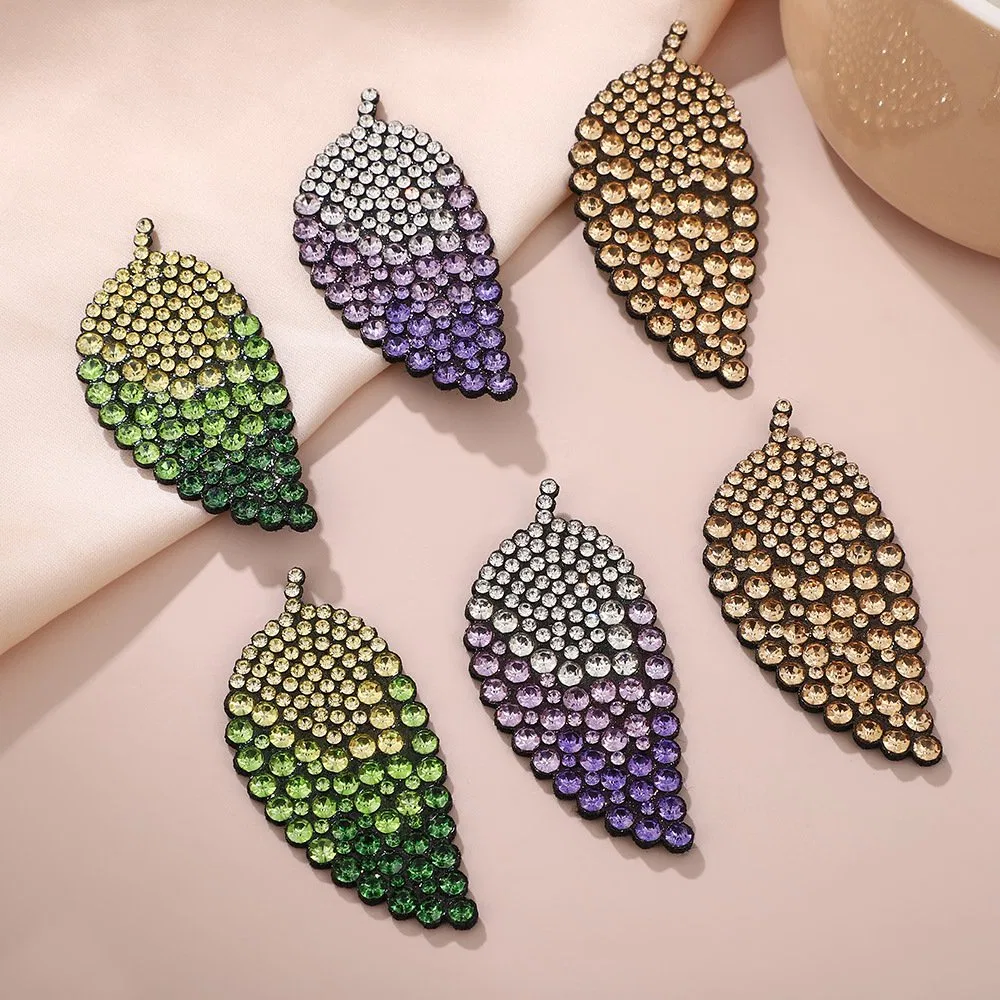
Motif silhouette
Confirm outside shape, orientation and any narrow projections. Inspect whether the outline remains recognizable at the approved dimensions.
Specify the complete patch: motif, crystal layout, base, edge, finished dimensions, attachment, receiving product, quantities and presentation. Teebling helps wholesale buyers compare catalog references or prepare custom requests without confusing a defined applique with a loose transfer.
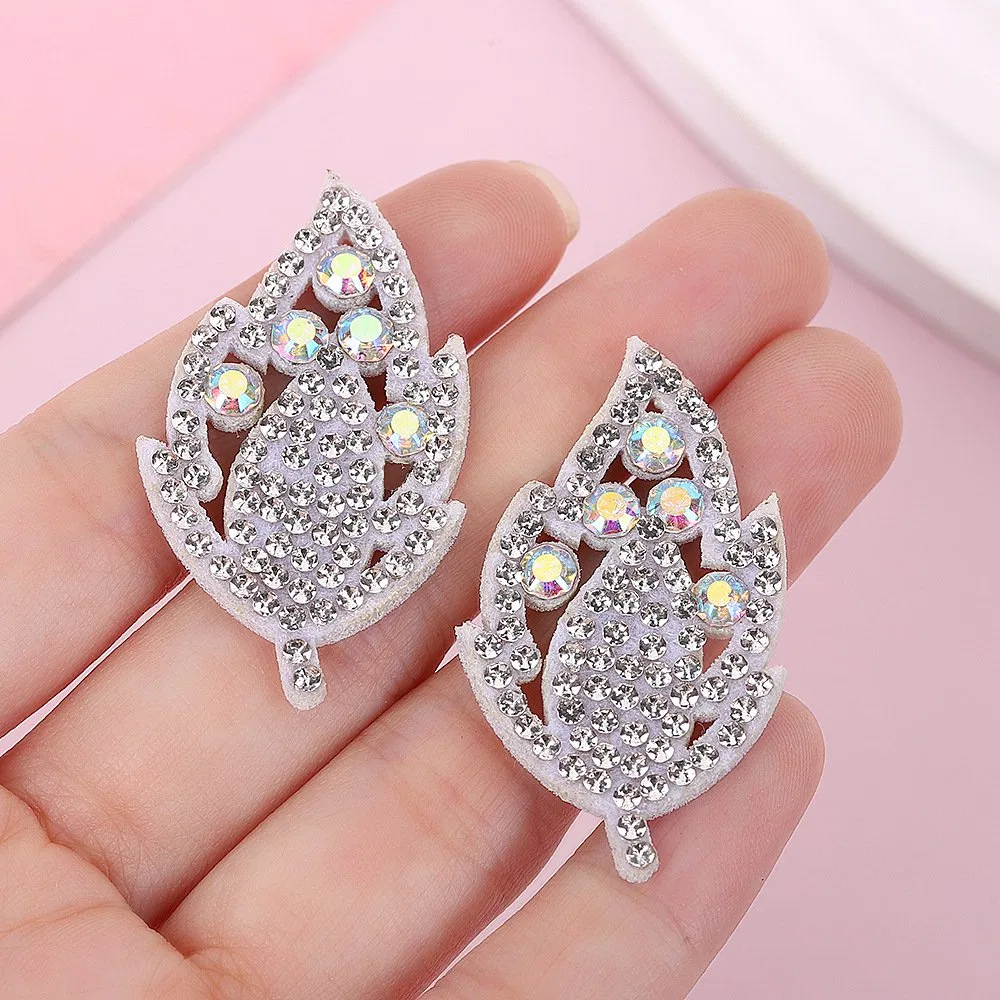
Start by identifying whether the request concerns a catalog patch, an assortment or a new custom motif. For a catalog item, include the URL or SKU and recorded variation. For custom development, provide authorized artwork, final placement, approximate finished dimensions and desired visual direction for feasibility review.
The receiving product changes the brief. A jacket panel, bag, shoe or hat may offer different surface texture, curvature, access and attachment needs. Send photographs and measurements of the intended zone. State the requested quantity for every design, size and color so current terms can be evaluated accurately.
Artwork or exact product reference
Width, height and orientation
Base, edge, crystals and backing direction
Receiving product and placement
Quantity by variation and packing
A rhinestone patch has a physical substrate and boundary. These affect silhouette, hand, attachment and the way the piece sits on the final product.
Confirm outside shape, orientation and any narrow projections. Inspect whether the outline remains recognizable at the approved dimensions.
Ask Teebling to identify the selected item's actual base or review a requested direction. Do not infer felt, fabric, mesh or film solely from a photograph.
Specify visible border color, cut contour or stitched edge where applicable. The edge should be reviewed against both motif and garment color.
Record color zones, density and any mixed elements on the approved sample. Keep these tied to the item or artwork revision.
Choose attachment from the intended product and workflow. A visual reference does not prove that one patch can use every method.
Describe the real product rather than selecting from a generic material label. A useful surface record includes fiber or substrate, construction, finish, thickness, curvature, seams and how the attachment zone can be accessed.
Map front, back, sleeve or pocket zones and check movement, seams, linings and the visual scale on multiple garment sizes.
Measure usable panels away from closures, straps, folds and hardware. State whether the inside can be reached for pressing or sewing.
Confirm panel curvature, crown seams, support method and the orientation when worn.
Define the surfaces customers are expected to use and ensure instructions describe only the verified construction and trial scope.
Give every motif, colorway and size an order line. A total quantity without a split does not tell purchasing or packing what to supply.
Allocate quantities from your own demand evidence and record exact item references. These styles anchor the assortment and deserve clear reorder evidence.
Separate crystal, base, edge or border changes. State whether any alternative requires buyer approval.
Keep experimental motifs visible with their own sample and quantity decisions instead of hiding them in a mixed total.
Use current listings to compare silhouette, surface and possible use. Open the product page for recorded details and quote the exact reference in an RFQ.
Inspect the whole patch on the intended product. Check silhouette, crystal placement, base visibility, edge, alignment and the condition of the receiving surface. For heat application, record equipment and conditions. For sewing, review stitch path and access. For an adhesive direction, document its intended role and handling.
An approval should identify exactly what was evaluated. If the base, backing, garment surface, size or application changes, decide whether a new sample is necessary rather than extending the old decision without evidence.
Protect the decorated face and make every variation easy to count. Include packing in the RFQ so Teebling can review applicable options and charges.
Prevent crystals and hardware from rubbing adjacent units during storage and transit.
Match SKU, motif, color and size wording to the order and receiving file.
State pieces per variation and whether mixed packs follow a fixed assortment.
Define destination, store, event or production-line allocation when required.
These answers help separate product facts, custom-development questions and buyer responsibilities.
A patch or applique has a defined base and edge that are part of the visible or structural product. A transfer is arranged on a carrier for direct application. Confirm the selected listing because similar imagery can represent different constructions.
No universal fabric promise should be made. Identify the patch backing and receiving product, then test the exact pair with the intended equipment. Some products may require sewing or another attachment direction.
State finished width and height, orientation, receiving placement and any maximum usable area. If several sizes are needed, give each size its own quantity and approval record.
Send authorized artwork, finished dimensions, color direction, base and attachment needs for review. Feasibility, sampling, current minimums and commercial terms are confirmed for the specific request.
Define unit protection, style identification, quantity per inner pack, mixed-style ratios, buyer-supplied label data and carton sorting. Teebling reviews available packing against the actual products.
Send artwork or product links, dimensions, receiving surface, attachment direction, quantity by variation, packing and destination. Teebling will review the defined request and confirm current terms in writing.