Read Our Refund & Return Information
Application field guide / wholesale patches

Custom iron-on patches built around the garment, artwork and application plan

An iron-on patch is a three-part decision: the visible patch, the receiving fabric and the process that joins them. Teebling helps wholesale buyers brief those parts together so design approval is supported by a real material test rather than a generic application claim.

Explore patch products
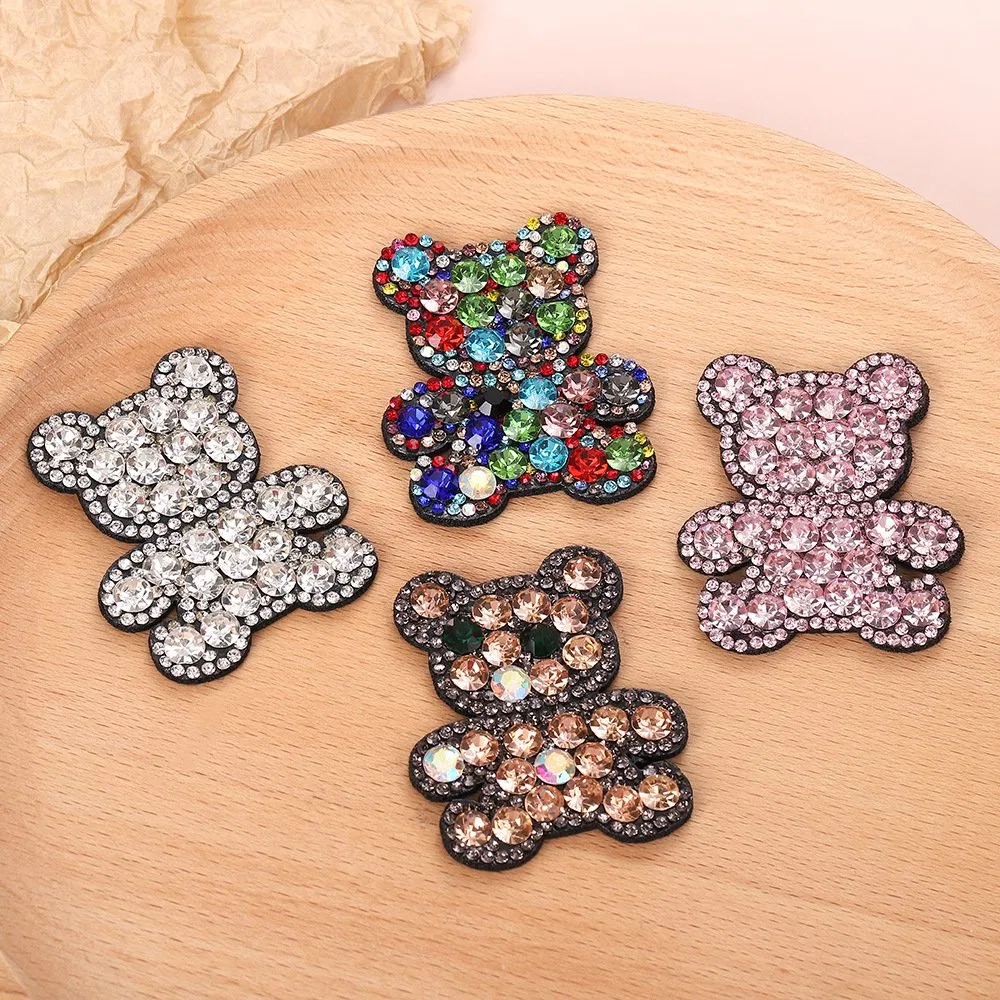
Decorative bear rhinestone iron-on patch shown as a custom apparel motif
Field sample 01 / decorative patch face

Patch plus fabric plus process

System rule

Do not approve an iron-on patch as an isolated object

The face can be attractive, the edge can be clean and the backing can look consistent, yet the selected combination may still be unsuitable for a particular garment. Fabric composition, surface finish, stretch, heat sensitivity, seam location and the buyer’s equipment all belong in the discussion.

Begin the brief with source artwork, target dimension, desired face construction and intended placement. Add the receiving garment or a representative material, including the buyer-supplied composition and finish information. Teebling can then organize relevant construction and sampling questions without claiming one patch works universally.

When the same design is intended for more than one garment, create a pairing record for each material family. A successful test on one cotton jersey, for example, should not be silently treated as approval for a coated bag, stretch performance fabric or textured knit.
Patch anatomy

Review the visible object and the application layer separately

Clear component language makes feedback actionable. The buyer can change artwork color without reopening the approved outline, or retest a backing without confusing that work with face construction.

01

Decorative face

Choose embroidered, woven, printed, rhinestone or another appropriate direction based on the desired appearance and finished-scale detail. Protect the parts of the artwork that carry recognition: key lettering, silhouette, contrast and negative space.

02

Ground and structure

The base supports the shape and influences hand feel, coverage and open areas. Record the material direction instead of referring to an image alone.

03

Finished perimeter

Confirm regular or contour shape, corners, internal angles and the distance between important artwork and the edge.

04

Heat-activated layer

Treat the reverse construction as part of a garment-specific application trial. Identify it in the sample record and do not substitute another backing without review.

05

Receiving surface

Document garment identity, placement, fabric information and any finish or coating relevant to contact and heat exposure.

Composition

Record the stated fiber blend and construction for the actual garment. Similar product names do not prove that two materials behave the same way.

Surface

Note coatings, texture, pile, water-resistant finishes or other features that could affect contact or visible appearance.

Movement

Describe stretch and recovery in the placement area. Review whether the patch needs to move with the garment or sit on a more stable panel.

Access

Map seams, pockets, curves and equipment access. A flat swatch trial should be followed by finished-placement review where geometry differs.

Care context

State the buyer’s relevant garment care expectations so the applied sample can be evaluated under the correct internal protocol.

Application field sequence

Develop settings from the approved pairing, not copied instructions

Exact application settings depend on the patch construction, receiving material and equipment. This page intentionally does not invent a universal temperature or time. Those details should be established and recorded during a controlled sample process.

Identify the pair

Mark the patch revision, garment or fabric, intended placement and trial record. Photograph both components before application.

Prepare the placement

Confirm orientation, surface condition and access according to the agreed workflow. Protect nearby garment features as required by the buyer’s process.

Run a controlled trial

Use the construction-specific equipment notes and record the settings actually used. Avoid changing several variables at once.

Inspect after handling

Review face appearance, alignment, edge contact and the surrounding fabric after the appropriate cooling and handling stage.

Evaluate relevant use

Apply the buyer’s chosen wear, movement and care evaluation to the representative sample before approving the pairing.

Lock the record

Preserve the accepted patch identity, garment reference, placement, settings, photographs and decision scope for repeat assembly.

Motif wall

Choose artwork that earns its space on the garment

Iron-on patches can serve as small emblems, decorative focal points, collection icons or coordinated sets. The design should be judged at finished scale and in placement, not only as a cropped product photograph.

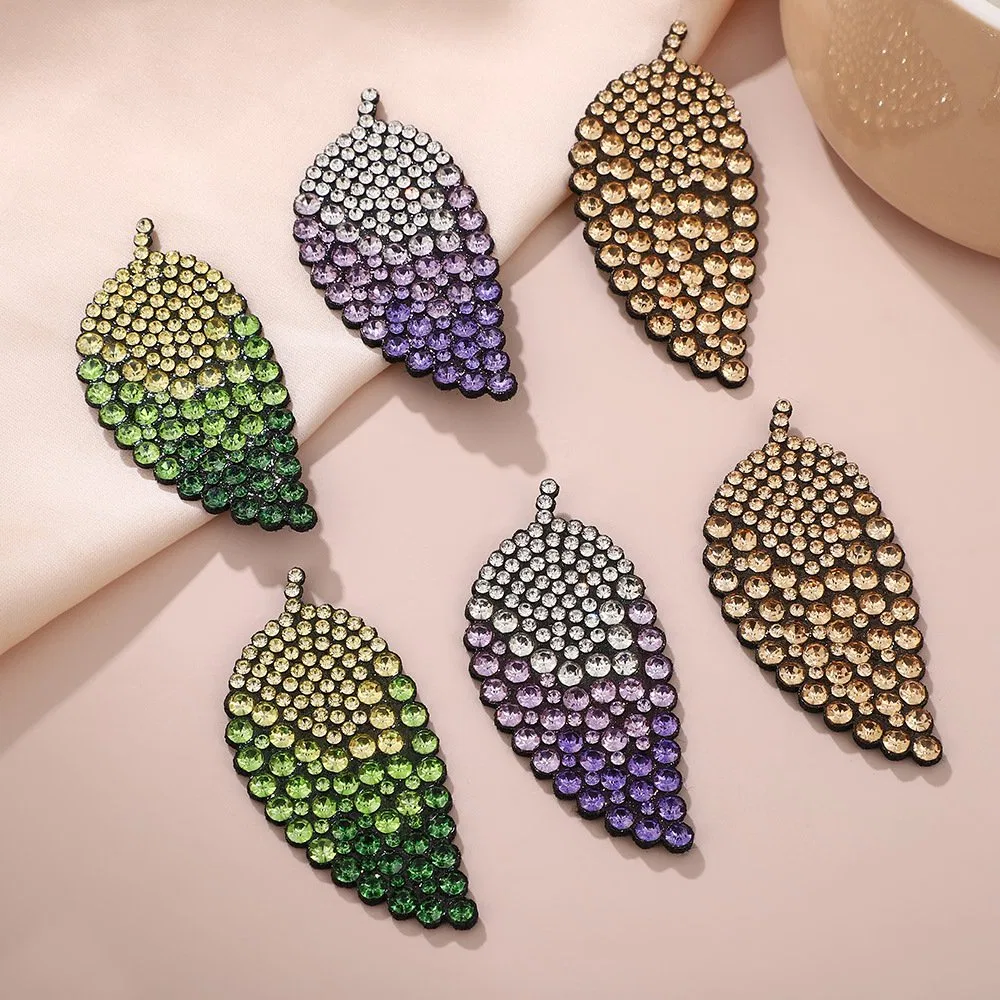
Sparkly rhinestone leaf iron-on patch for decorative clothing placement
Organic contour / edge review
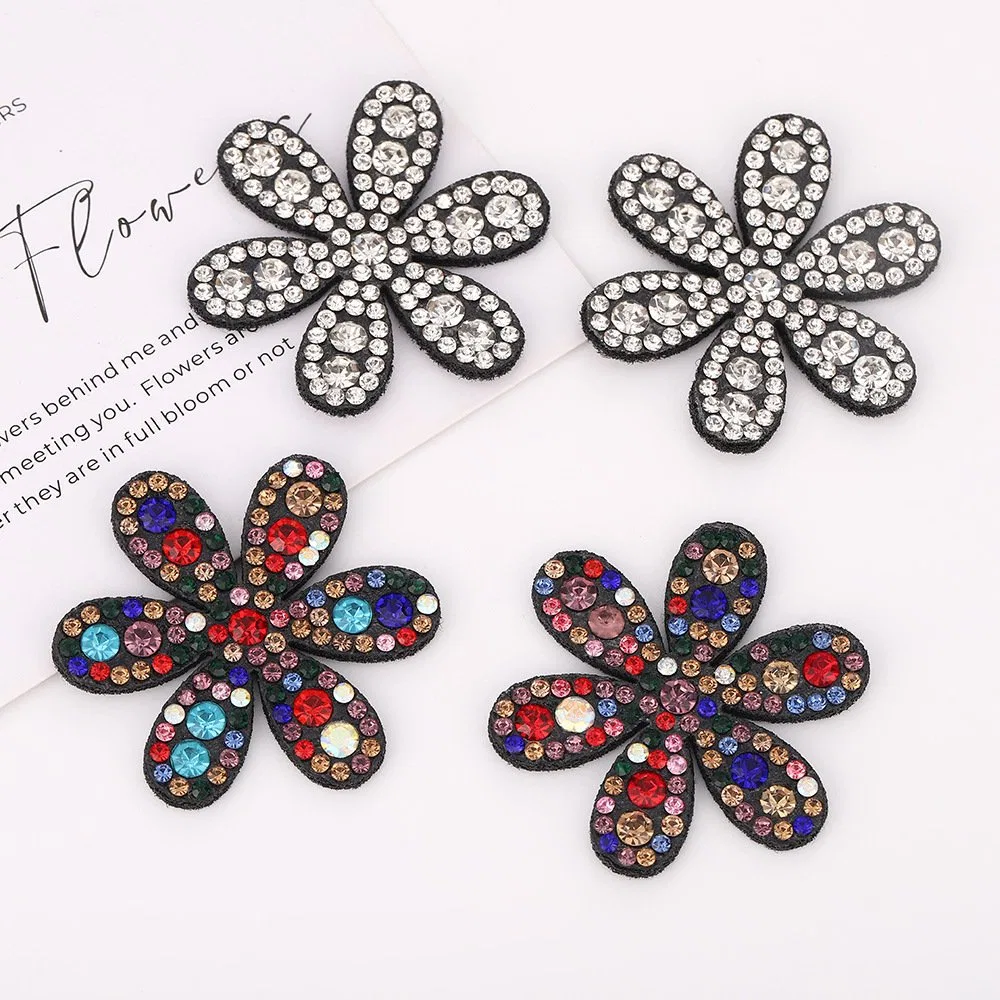
Five-petal rhinestone iron-on patch motif for apparel customization
Compact motif / scale review
Apparel decoration placement reference for a custom patch program
Host garment / placement review

For a coordinated set, define the relationship between pieces: shared palette, repeated edge language, intended spacing and whether the motifs are sold together or separately. Give every orderable design a stable name so feedback and packing do not depend on descriptions such as “the flower one.”

Sample test log

Turn physical observations into a reproducible decision

A physical test becomes useful evidence when the team can identify what was tested and what the approval covers. Keep exploratory trials separate from the accepted sample record.

LOG / A

Inputs

Patch revision, garment or fabric reference, placement, operator, equipment identity and construction-specific process notes.

LOG / B

Observations

Alignment, face condition, perimeter contact, surrounding-fabric appearance and any movement or distortion relevant to the use case.

LOG / C

Decision

Approved, revise or retest, followed by numbered comments. Every requested change should identify the affected feature.

LOG / D

Scope

Garments, colorways, sizes and placements represented by the decision, plus any configuration that remains untested.

If the sample needs revision, change one variable at a time where practical. New artwork, a different backing and a new fabric in the same trial make it difficult to understand why the result changed. Teebling can use the buyer’s test record to support a clearer quotation and development discussion.

Instruction card

Write guidance for the approved patch-garment pair

Application copy should be construction specific, easy to associate with the correct SKU and consistent with the tested process. Avoid broad claims that encourage use on unreviewed fabrics.

If a wholesale buyer will apply patches during assembly, create an operator-facing record. If the patch is sold for later customer application, discuss how the buyer wants the approved guidance presented and which cautions or garment exclusions belong in that communication.

Connect instructions to packing

Unit identity

Name the patch design and configuration so the instruction cannot be separated from its intended item.

Pairing scope

State the garment or material family represented by the approved trial and avoid implying universal fabric suitability.

Set relationship

If several motifs form a set, show the contents and optional placement map while preserving individual piece identities.

Receiving record

Connect inner and carton references to the line list, quantities and destination plan for reliable reconciliation.

Field questions

Custom iron-on patch FAQ

These answers establish a careful starting point. The production-ready specification should still be based on actual artwork, construction, receiving material and sample evidence.

What information is needed for a custom iron-on patch quote?

Provide source artwork, target dimensions, color references, face-construction direction, intended garment or fabric, placement, quantity by design, packing needs and any application equipment context. A representative receiving material helps frame the compatibility and testing questions.

Can an iron-on patch be used on every fabric?

No universal compatibility should be assumed. Composition, coating, texture, stretch, heat sensitivity, placement and care conditions can influence the result. The selected patch and application process should be tested on the actual garment or a representative receiving material before approval.

How is artwork prepared for an iron-on patch?

Artwork preparation depends on the face construction. Embroidered, woven, printed, rhinestone and other patch directions handle fine lines, color areas and borders differently. Review the proof at finished size and confirm how the visible face, edge and backing work together.

What should be included in application instructions?

Instructions should identify the approved patch-garment pairing, placement and the relevant construction-specific process, including equipment and handling notes established during testing. Avoid presenting one generic setting as suitable for every fabric, patch type or consumer tool.

How should several iron-on patch designs be packed?

Assign every design and configuration a stable identity, then define whether pieces are packed individually, as coordinated sets or grouped by garment program. Unit and carton references should connect to the line list so receiving teams can distinguish similar motifs and variants.

Open the field file

Plan a custom iron-on patch program with Teebling

Share vector artwork, target dimensions, face-construction direction, intended garments, placement photographs, representative fabric information, design quantities and packing needs. We will use the brief to identify the questions needed for an order-specific quote.

Browse product references

Continue your patch research

Welcome Guest!