


Garment or accessory
Name the style, material, color, construction and exact usable panel. Seams, pockets, stretch zones and coatings can change the practical decoration area.
Plan rhinestone transfers, embroidered details, patches and clothing labels around the garment that will carry them. Teebling helps wholesale buyers connect artwork, construction, placement, application, quantity, packing and approval evidence before a decorated apparel program moves forward.
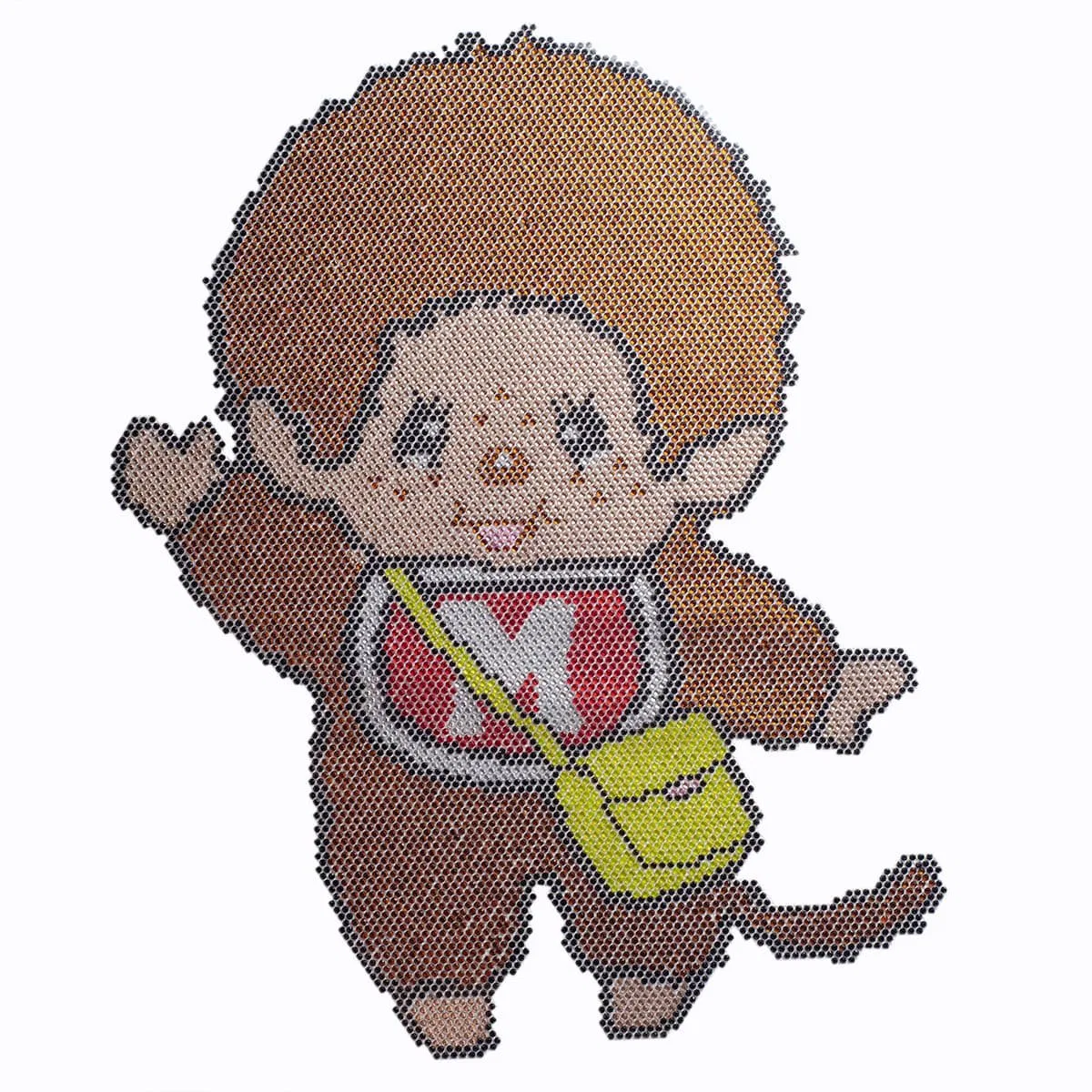
A useful sourcing conversation begins before a method is selected. It establishes what is being decorated, what the artwork must communicate, how the finished piece will be handled and how the buyer will identify approved versions.
Name the style, material, color, construction and exact usable panel. Seams, pockets, stretch zones and coatings can change the practical decoration area.
Provide the logo, wording or motif with finished dimensions and placement. Small text and narrow gaps should be reviewed at their physical size.
Explain expected movement, washing, friction, packing and customer use. Those conditions help frame the sample and application review.
Separate every artwork, garment color, placement and packing variation so the quotation can mirror the eventual line list.
Use when reflected light, crystal lettering or a sparkling motif is central to the product. Define stone layout, finished dimensions, color areas, transfer-only or finished-garment scope and the intended application surface.
Use when thread texture, a defined edge or a removable/separate badge is part of the identity. Record face material, stitch direction, border, backing or attachment and the garment location.
Use for compact brand marks where profile, flexibility and surface compatibility matter. Specify artwork, physical size, relief direction, target fabric and the validation expected before bulk production.
Use more than one method only when each has a clear visual job. Assign separate files and approval criteria, then inspect the combination on the intended product rather than approving isolated samples.
Decoration descriptions often stop at color and artwork. A reliable wholesale specification also records what sits beneath the face, how it reaches the product, what equipment or sewing operation is involved and how the approved version will be recognized later.
Record logo proportions, readable wording, color zones, texture, shine, stitch or stone coverage, border appearance and orientation. Include a placement drawing rather than a loose phrase such as “front logo.”
Identify relevant layers, base material, edge, backing and attachment direction. Where the construction is still under review, label alternatives clearly so a quotation does not silently assume one route.
List fabric composition and useful product context, including stretch, pile, coating, panel curvature, seam access or any finish that may affect positioning and application.
Keep the artwork revision, item code, approved sample reference, application notes, packing description and quantity by variation together. That record becomes the starting point for inspection and reorders.
A component can look correct on its own and still fail the finished-product review. The sample plan should reproduce the important relationship between decoration, product surface, placement and intended handling.
Inspect shine, flattening, discoloration, distortion, visible adhesive, puckering or other change on the representative garment or accessory.
Check alignment against seams, necklines, pockets and panel edges. Confirm that size changes do not push the decoration into an unusable area.
Review edges, corners, stone or thread condition and the full decorated area using the agreed application or sewing process.
Where the product stretches or bends, observe how decoration and base material behave together and whether placement limits should change.
Record the buyer's intended care and use assumptions, then agree what sample evidence is required. Avoid presenting one test as a universal performance promise.
Consider folding, stacking, rubbing, tangling and carton pressure. The retail or distribution pack should protect the approved visible surface.
Catalog images help buyers identify a direction; they do not replace a product-specific specification. Use photographs to discuss finish and construction, then connect the selected direction to exact artwork, dimensions, material and quantity.
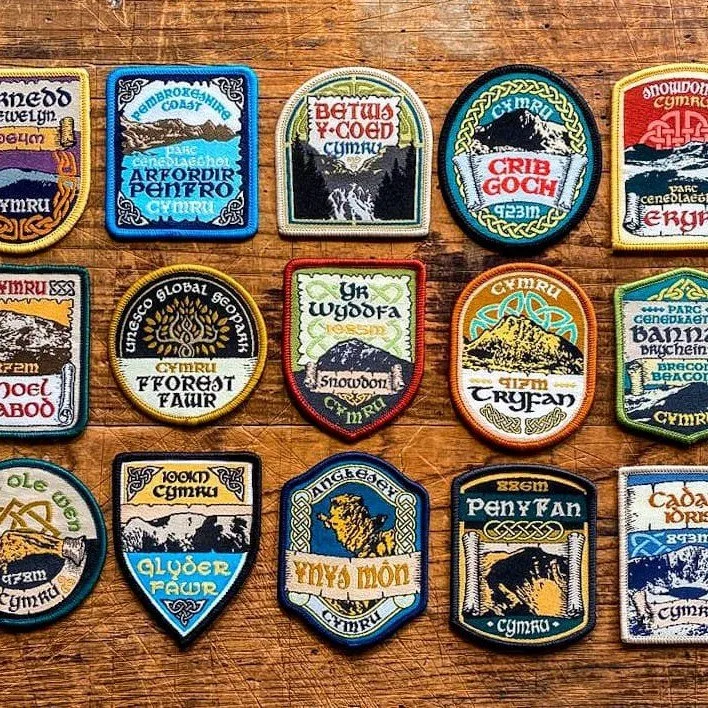
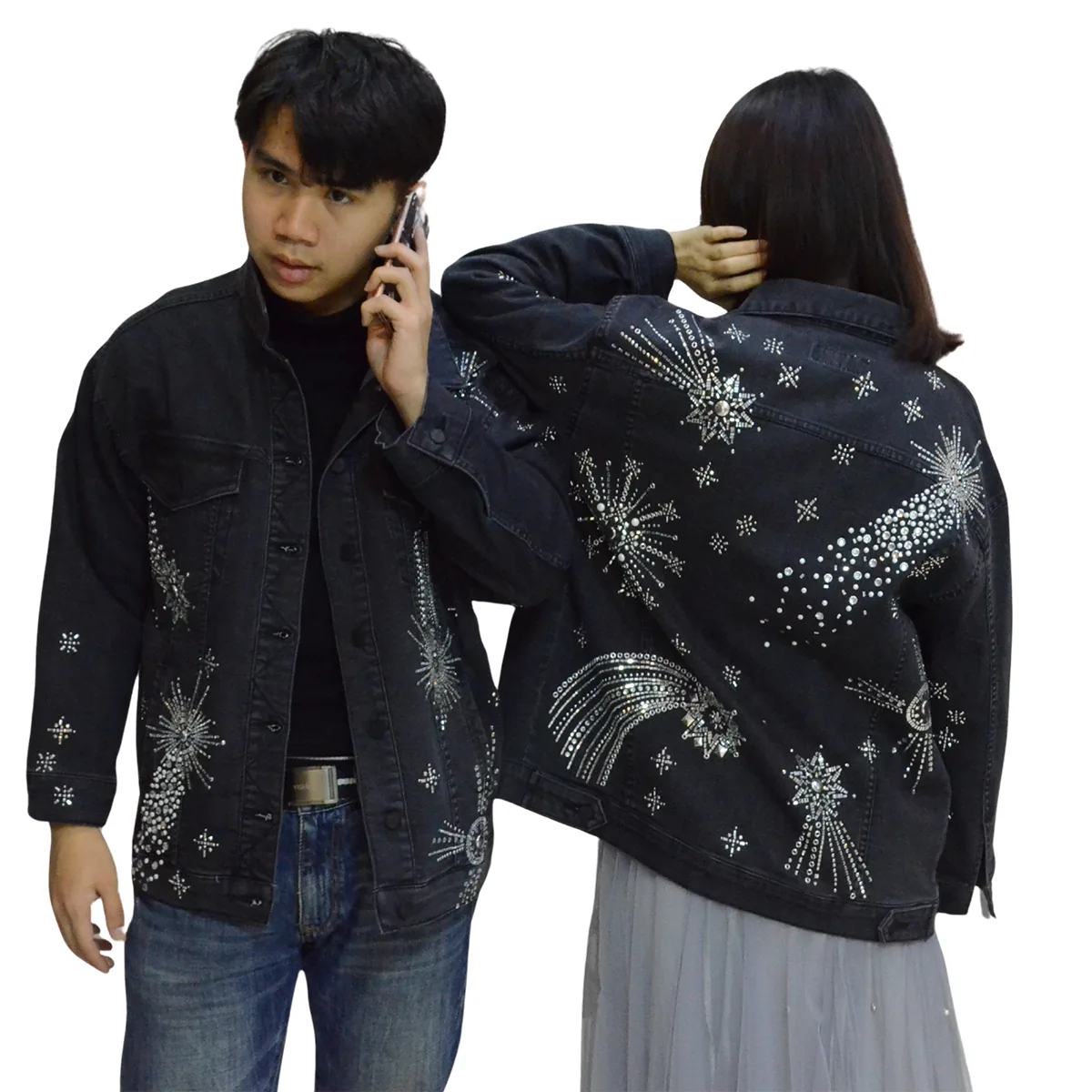

Teebling can review a clearer request when each handoff closes a defined set of questions. The buyer remains responsible for approving the commercial specification and final order details.
Confirm product, method options, artwork list, quantity by version and requested destination context.
Freeze dimensions, placement, orientation, colors and the revision used for the physical review.
Record what was examined, what changed and which physical or photographed reference became approved.
Where relevant, document representative material, equipment or sewing path and observable results.
Reconcile the purchase line list with approved versions, identification, packing and delivery instructions.
Compare the retained record with the new request and make material, artwork or process changes explicit.
General words such as “premium” or “good quality” are not inspection criteria. A stronger record names the version, expected feature, observation method and action when the result differs from the approved reference.
Match item code, artwork revision, garment or accessory version, color and quantity line before judging appearance.
Verify the finished decoration and placement against the approved drawing using the same measurement points.
Inspect color interpretation, orientation, readable detail, edge condition, stone or stitch layout and visible surface marks.
Confirm identification, unit presentation, counts and protection against folding, pressure, rubbing or mixed variations.
Use these answers to prepare the first review. The written quote and approved order remain the source for product-specific scope and current terms.
Identify the receiving garment or accessory, fabric composition, artwork, finished placement dimensions, decoration method under review, quantity by version, packing plan, destination and required delivery context. A complete brief lets Teebling review connected production decisions instead of pricing an isolated logo.
Start with the product, intended look, placement, handling and production workflow. The decoration method should follow those constraints. Teebling can review separate directions when the brief clearly states what the buyer wants the finished item to achieve.
A collection may combine methods, but every decorated area needs its own artwork, material, attachment and approval record. The complete combination should be reviewed on representative products so the methods support one visual system.
Review the garment, artwork scale, placement, visible alignment, edge or stone condition, color interpretation, attachment result, flexibility, surface response and identification of the approved version. Record observations rather than relying on a general approval message.
Reference the approved item code, artwork revision, physical sample or clear retained evidence, placement record, decoration construction, quantity breakdown and packing instructions. Reconfirm any garment, material, color or process change before release.
Attach artwork and explain the product, surface, placement, method direction, version quantities, packing, destination and decision status. Teebling can then route the request toward the most relevant product review.