


MAT / TPUFlexible molded or dimensional direction
Useful when the brief calls for a modern raised identity or controlled surface detail. Confirm relief, edge geometry, color blocks and the desired relationship to stretch.
The right question is not simply “Which transfer looks best?” It is “Which construction expresses the artwork and works with the intended clothing surface?” Teebling helps B2B buyers document material direction, garment context, application tests and sample evidence before a label is treated as production ready.
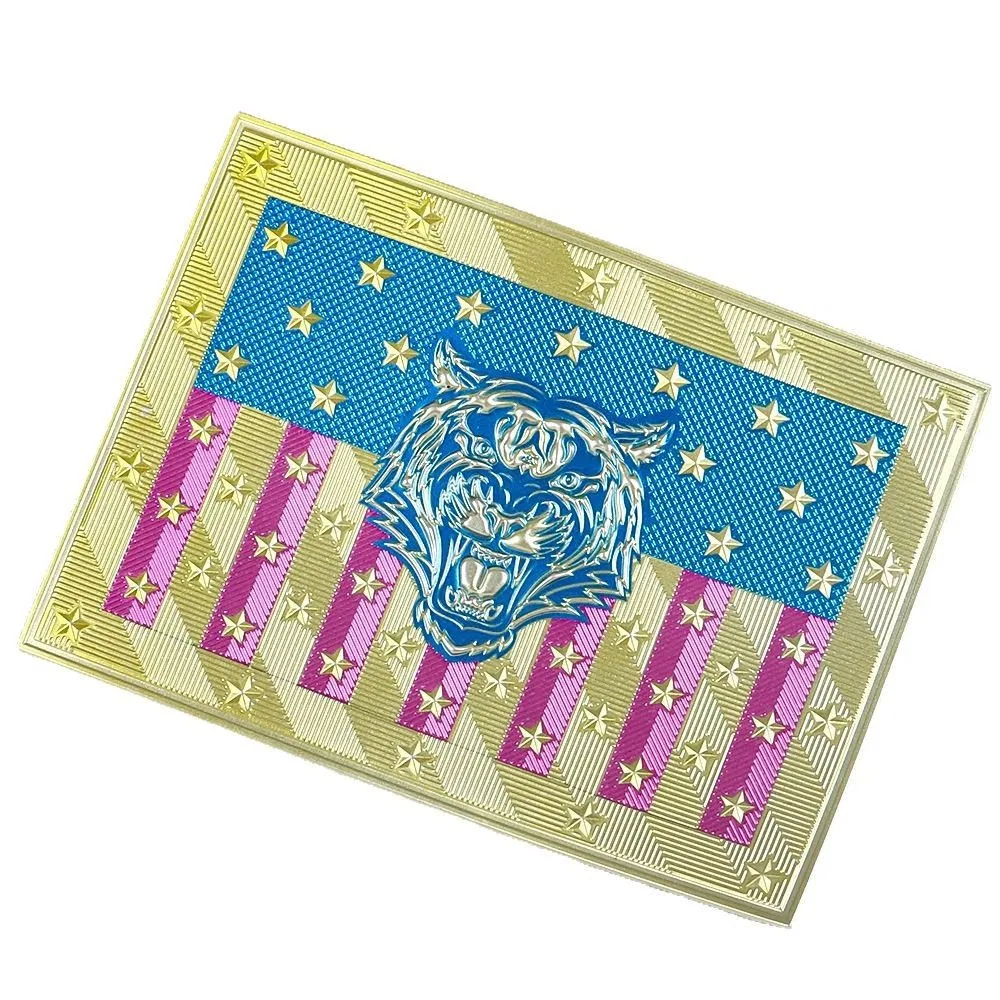
“Heat transfer” names an application family, not one material. Describe the desired appearance, surface, flexibility, dimension and use before selecting a construction. A category label alone cannot establish compatibility with a garment.
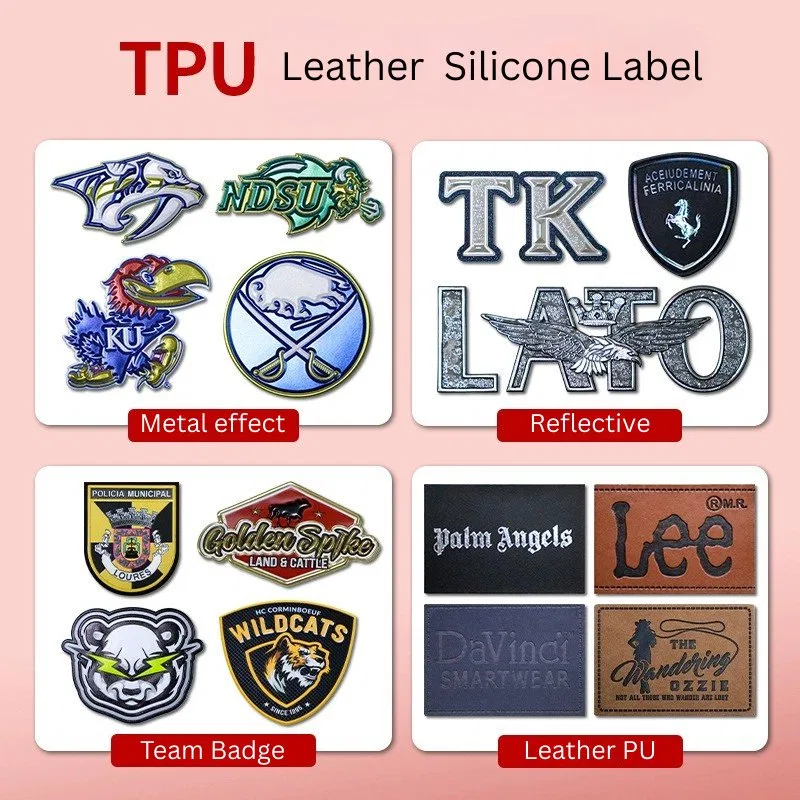
Different transfer-label constructions can express dimension, fine print, reflectivity, soft texture or a clean film-like graphic. Each direction carries its own artwork and application considerations. These are planning categories, not promises that one option is suitable for every fabric.
MAT / TPUUseful when the brief calls for a modern raised identity or controlled surface detail. Confirm relief, edge geometry, color blocks and the desired relationship to stretch.
MAT / SILConsider the desired hand feel, profile and detail scale. The receiving garment and care context still need a pairing test.
MAT / REFLSpecify which artwork areas should respond to light and how the feature should appear under ordinary viewing. Review both states during sampling.
MAT / FILMSuitable for artwork requiring controlled color or fine visual information, subject to the chosen process and finished-scale proof.
If the buyer is still comparing constructions, keep the artwork and garment information constant while changing one material direction at a time. This creates a meaningful comparison and avoids confusing a construction difference with a size or color revision.
A transfer label is approved in context. Two fabrics with a similar appearance may respond differently because of composition, coating, texture or stretch. Provide the actual garment when possible, or a representative material identified with enough detail to remain traceable.
Record the stated composition and fabric construction supplied by the buyer. This information guides questions; it does not replace an application trial.
Note coatings, water-resistant treatments, texture, pile or other finishes that may influence contact between the transfer and garment.
Describe how the intended area moves during wear or assembly. Review whether the applied label needs to follow that movement without creating unwanted distortion.
Identify seams, curves, panels and equipment access. A suitable flat swatch may not represent a difficult finished-garment location.
Begin with clean vector artwork, a target finished dimension and named color references. Identify which features carry the brand and which can be simplified if the selected construction cannot reproduce them reliably at scale.
A useful proof shows the finished outline, visible color areas, dimensional or reflective zones and any proposed change to lettering or spacing. Review that proof at actual size as well as enlarged. Enlarged views expose edge and registration questions, while actual-size review reveals whether the information remains legible.
Approved logo, typography and color intent.
Areas assigned to color, relief, print or reflective response.
Outer boundary, internal openings, scale and orientation.
Specific receiving garment and approved test record.
Press temperature, time, pressure, peel method and handling depend on the selected construction, equipment and garment. They should come from the approved pairing record, not from generic web copy. The buyer or assembler should document the equipment used and preserve the accepted result.
Label the transfer revision, garment reference, placement and operator trial so the result can be traced.
Check the surface, orientation and equipment condition according to the agreed application workflow.
Use the construction-specific trial settings and record any change rather than adjusting invisibly.
Review the face, edge, alignment and receiving surface after the prescribed handling stage.
Evaluate the applied sample under the buyer’s relevant use and care review before approving the pairing.
If the result is not acceptable, change one variable at a time and issue a new trial identity. Photographs should include a full placement view and close details. The final record should distinguish an approved result from an exploratory test that remains open.
Texture, profile, reflectivity, flexibility and garment interaction need physical evidence. Use consistent lighting and include enough surrounding fabric to show scale and placement.
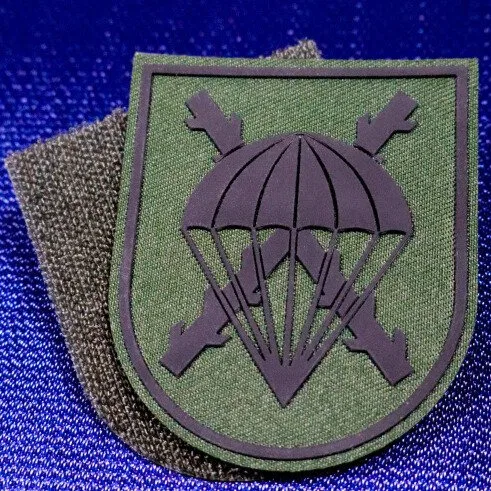
Keep the accepted photographs with the proof identity and application record. If a later garment changes, open a new pairing review instead of relabeling the old evidence. Teebling can organize the quotation conversation around this evidence set when the buyer provides it with the brief.
Comments such as “make it better” or “press more” do not create a reliable record. State what was observed, where it appeared and which action is requested. Separate visual changes to the label from application changes to the garment pairing.
An approval note should name the transfer revision, receiving garment, placement and trial identity. If approval applies only to one colorway or fabric, say so. This protects the team from treating a limited finding as universal authorization.
Describe face, edge, alignment, surface and any movement or distortion visible in the tested sample.
Name the garment, material, placement, equipment record and transfer revision.
Choose approve, revise or retest. Number requested changes and assign the next action.
State which sizes, colorways or garments the decision covers and which remain untested.
These answers support early planning. The actual label construction and application record should be developed around the buyer’s artwork and receiving garment.
No. Heat transfer describes an application route, not one universal label construction. TPU, silicone-like, reflective, printed and other film-based directions can produce different appearance, thickness and flexibility. The order brief should identify the visual and functional target before a material is selected.
Provide the fabric composition, surface character, stretch behavior, color, any coating or finish, intended placement and care context. A representative material or finished garment is especially useful because compatibility should be evaluated on the actual receiving surface.
Start with clean vector artwork and identify the minimum finished size. Fine gaps, tiny counters and narrow strokes may need adjustment for the chosen construction. The proof should show any proposed simplification clearly so brand owners can approve the physical interpretation rather than only the source file.
Application behavior depends on the label construction, receiving fabric and equipment process. A controlled trial helps the buyer review adhesion, alignment, surface change, edge behavior and appearance after cooling. The accepted settings and result should be recorded for the specific garment-label pairing.
Only after compatibility has been considered for each receiving material. Similar-looking garments may differ in composition, coating, stretch or texture. Maintain a pairing record that shows which label revision was tested on which garment rather than treating one successful application as universal approval.
Share vector artwork, target dimensions, visual references, garment composition and finish, placement, expected variants, receiving-material samples and any existing application equipment notes. We will use the brief to identify the construction and testing questions needed for a relevant quote.