


Interior identity
Map neck, waistband or interior seam locations. Record visible face size, fold or edge direction, sewing allowance where applicable, readable artwork and how the label contacts the wearer.
Compare woven labels, dimensional logo pieces and heat-applied directions by their real job on the garment—not by a product name alone. Teebling helps buyers translate brand artwork into a controlled label family with distinct placements, constructions, variants and approval records.

 ART + SCALE + PLACE + ATTACH
A successful clothing label carries more than a name. It signals where the customer should look, how the product should feel and whether the same visual language continues across T-shirts, outerwear, activewear, bags or headwear. That is why a wholesale label request should begin with the apparel range and the role of each component.
An interior identity label may prioritize comfort and readable information. An exterior hem or pocket label may prioritize recognizable shape and texture. A raised logo on a technical panel may need an entirely different construction and attachment review. Treating these jobs as one generic “custom label” invites assumptions.
Build a small label architecture instead: give every component a purpose, item name, artwork revision, physical size, placement, construction direction and quantity. Teebling can then discuss the relevant catalog or custom-production path without confusing one label type with another.
Start with where the customer encounters the branding and what the component must do there. This narrows the construction discussion more reliably than selecting a material from a photograph.
Map neck, waistband or interior seam locations. Record visible face size, fold or edge direction, sewing allowance where applicable, readable artwork and how the label contacts the wearer.
Plan hem, cuff, pocket, chest, sleeve, bag or headwear branding around the usable panel. The drawing should show orientation, clearance from seams and how the label relates to other decoration.
Separate size, collection, country or care information into clearly identified versions. The buyer should supply and approve required wording rather than expecting the manufacturer to infer it.
The table frames a sourcing conversation; it does not claim that one construction fits every garment. Final suitability belongs to the written specification and representative review.
| Direction | Visual character | Questions to resolve | Approval evidence |
|---|---|---|---|
| Woven label | Textile face with artwork interpreted through woven detail. | Finished size, fold or cut, readable features, color references, sewing placement and quantities by version. | Physical face size, artwork clarity, edge/fold, color interpretation and identification. |
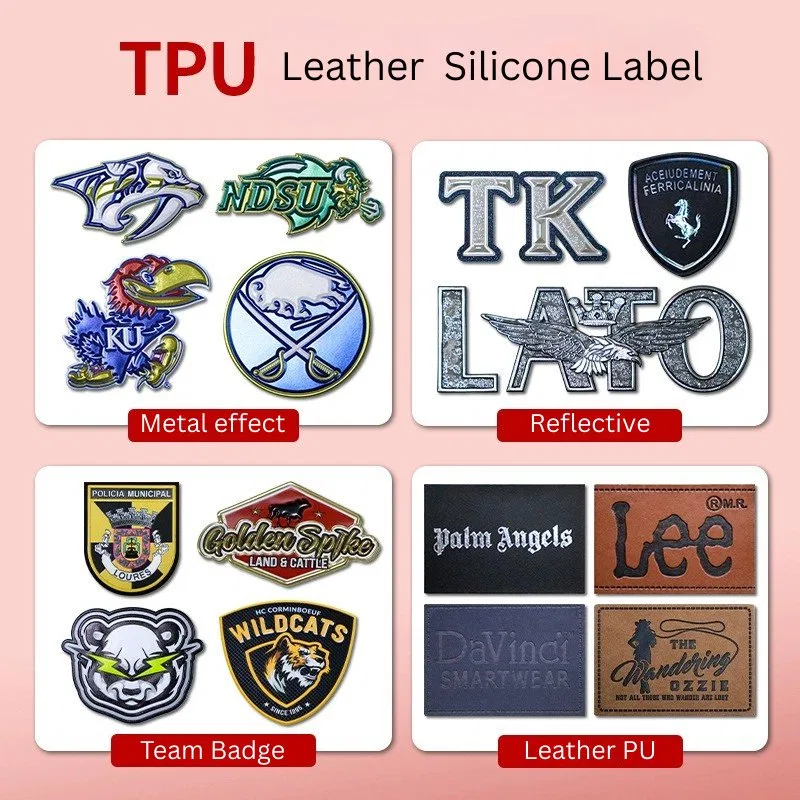
| TPU label direction | Flexible logo component with a defined profile and applied or attached construction under review. | Artwork, thickness or relief direction, target fabric, placement, surface behavior and application path. | Front and side appearance, flexibility, attachment result and receiving-surface response. |
| Silicone-style dimensional direction | Raised branding where depth, layers and tactile appearance are part of the design. | Layer map, relief, edge, colors, physical size, garment surface and attachment expectations. | Approved geometry, layer definition, color, edge and product-context sample. |
| Reflective or specialty direction | A visual effect that changes with light or viewing context. | Effect reference, artwork readability, target use, garment color, placement and representative viewing conditions. | Physical sample reviewed under relevant lighting and on the intended material. |
A placement description should be repeatable by someone who did not attend the original design discussion. Use measurements and visual landmarks, then review the label at representative product sizes.
Define orientation, visible face, fold, seam relationship and whether adjacent size or information labels are separate pieces.
Show how far the label sits from the edge, which face is visible and how sewing allowance changes the finished presentation.
Mark the usable panel, clearances and relationship to zippers, seams, embroidery, transfers or other branded elements.
Account for curvature, reinforcement, lining, limited machine access and the complete product orientation when worn or carried.
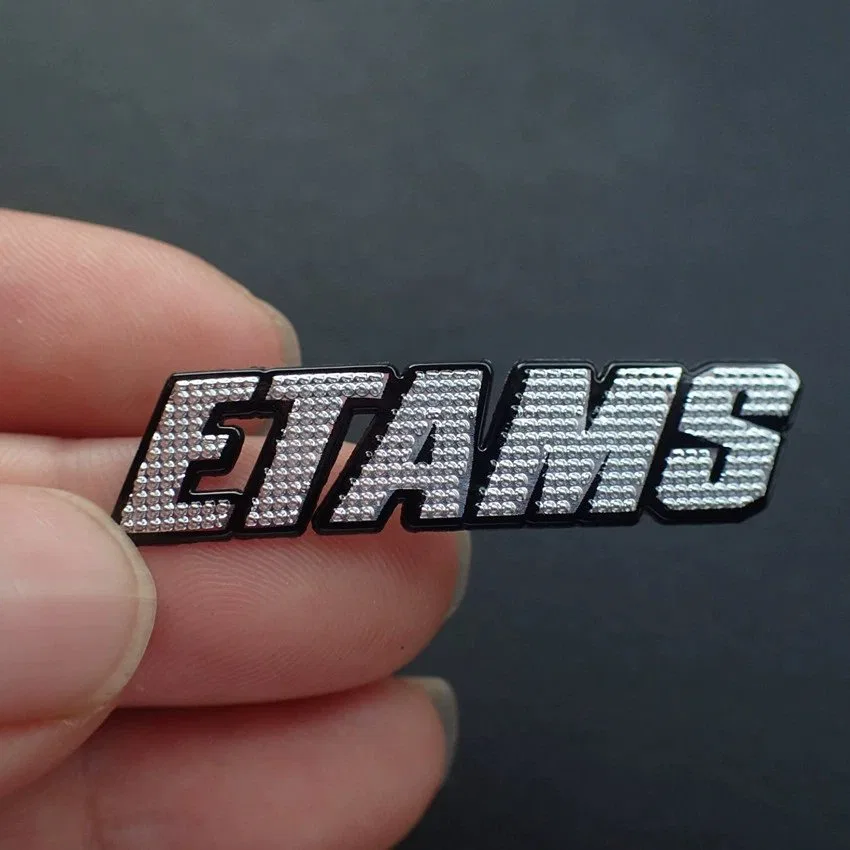
An enlarged screen view can hide problems that become obvious when a label is produced at garment scale. Review typography, counters, gaps, borders and layered shapes at the requested dimensions.
A collection may contain many similar-looking labels. A version ledger prevents size, wording, placement and construction changes from being hidden inside one total quantity.
Use a physical or clearly documented reference to approve visible detail, construction and placement. Keep the reference tied to the item code so a later purchase does not drift toward a merely similar product.
The answers support early planning. Product-specific construction, quantity, sampling, packing and current commercial terms are confirmed through the written Teebling quotation.
Send the label artwork, exact finished dimensions, intended garment location, target fabric, fold or attachment direction, colors, quantity for every version, packing needs and destination. Explain whether the label is an interior identity label, exterior brand detail or another component.
Choose by the desired appearance, comfort, detail at physical size, garment location, attachment path and representative product testing. Woven, TPU and silicone-style directions are different constructions and should not be treated as interchangeable names.
Yes, when each label has a defined role. A collection may use an interior identity label, an exterior logo detail and separate variable information, but every component needs its own code, artwork, dimensions, quantity and placement record.
Review readable artwork, physical size, color interpretation, texture or relief, fold and edge, attachment direction, placement on the receiving product, comfort where relevant and the identifier used for the approved version.
Keep the approved artwork revision, dimensions, material or construction, color references, fold or backing, placement, physical sample evidence, packing description and item code together. Reconfirm any change instead of ordering only by a broad product name.
Send the label portfolio, garment map and quantity ledger together. Teebling can review the relevant direction while keeping each component separately identifiable.