


Boutique
Connect a focused palette and motif story across bows, patches, charms or bags. State how products will be displayed and replenished.
Coordinate patches, labels, bows, hats, charms and bags under one commercial idea without losing control of each SKU. Teebling helps buyers convert a brand direction into measurable line items, sample decisions, packaging fields and approval records.
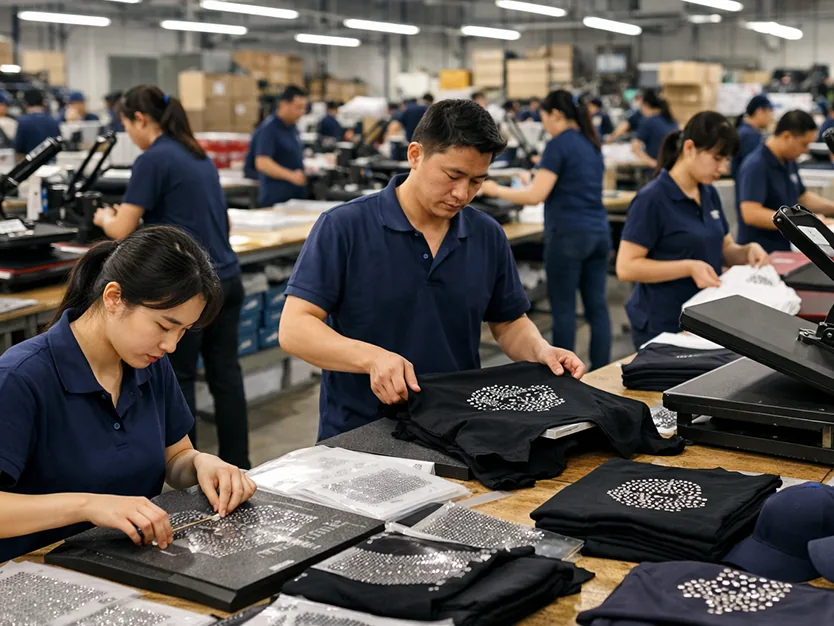
A useful opening brief explains the business context before listing products. Name the buyer, sales channel, intended customer, target use and destination. Add the product categories under review and make clear which parts are fixed brand requirements and which are open to Teebling's feasibility review.
Reference images can communicate direction, but they do not replace dimensions, construction, quantities or packaging. Label assumptions as questions. The goal is to create a working document that can be corrected and approved, rather than a presentation that looks complete while leaving production choices unresolved.
Who will purchase or use the collection?
Which product and quantity belongs to each SKU?
Which artwork, colors and naming rules apply?
Where must approved goods be delivered?
Channel changes the specification. A boutique collection may emphasize small coordinated drops and customer-facing presentation. A uniform program may prioritize repeat identification, line-level replacement and controlled placement. Event merchandise may require sorting by location or selling point.
Connect a focused palette and motif story across bows, patches, charms or bags. State how products will be displayed and replenished.
Map woven, TPU, silicone-style or embroidered identity components to garment touchpoints and sewing or application workflows.
Separate shared identity from roster, color, size or name variables so personalization data stays traceable.
Define merchandise mix, approval owner, pack destination and required in-hand date for written review.
Choose categories that tell one recognizable story, then assign each category a job. This prevents the range from becoming a group of unrelated products carrying the same logo.
These define the collection in photographs, retail displays or uniform use. Give them the deepest product specification and sample review because errors will be most visible.
Labels, patches or transfers repeat the brand system. Keep artwork revisions and color references aligned across every application.
Charms, hats, bows or totes can extend the story into gifts and add-on purchases without copying the hero product.
Cards, labels and unit protection should use the same naming and artwork system while still fitting each product shape.
Write shared rules once, then show where a product requires an exception. Source artwork, logo clear space, naming, approved color direction and packaging language can apply across the collection. Physical construction cannot: a woven label, molded patch and rhinestone motif translate the same brand mark differently.
Ask for current material references and approve the result in context. Do not require an unverified material or color outcome simply because it appeared in a concept rendering. A controlled private-label system protects recognition while allowing each product to be manufactured honestly.
Store editable files and a dated approved reference.
Name critical colors and where physical review is required.
Keep style and variation codes consistent from quote to carton.
Record substitutions or revisions before they enter an order.
The master brief coordinates the collection; the SKU card tells Teebling what one product is. Give every variation a visible quantity rather than hiding splits in notes.
Name the product, material direction, finished dimensions, edge, closure, hardware or attachment fields that define it. Mark any field that needs review instead of inventing a value.
Attach the source file, approved revision, intended placement, finished decoration size and relevant color references. Identify licensed or buyer-owned artwork responsibility.
List quantity by style, color and size, plus unit presentation, barcode data, inner assortment and carton sorting. State the destination separately.
Name who can approve, what physical or digital evidence is required and whether sign-off covers appearance, fit, attachment, packing or only selected fields.
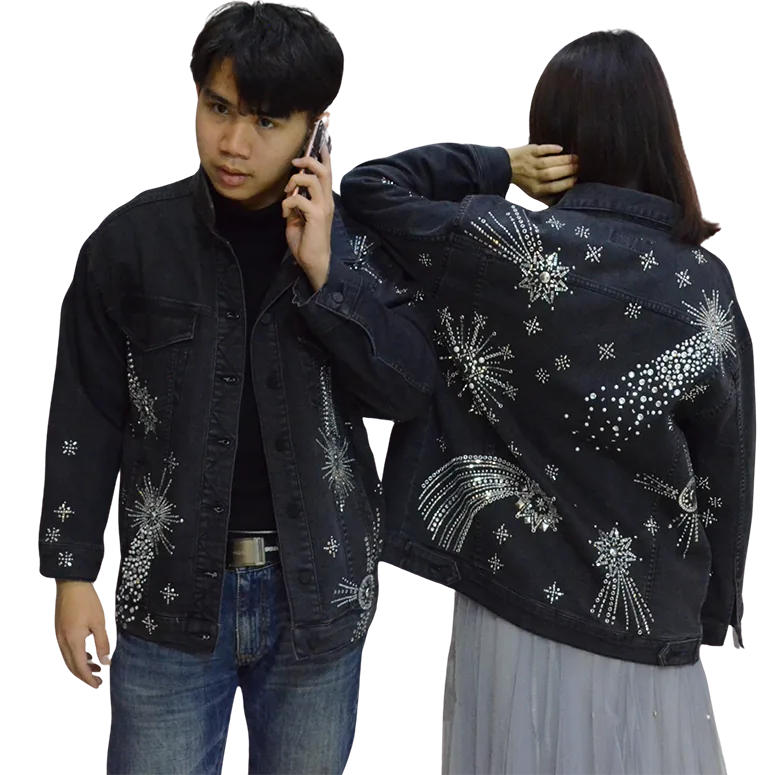
Packaging affects how the product is protected, counted, identified and sold. Include it in the RFQ so Teebling can review the complete request. A bow may need a card that protects its silhouette; a charm may need hardware isolated from the decorated face; a molded logo component may need relief protected from pressure.
Supply buyer-owned barcode values and required label text in a structured file. Define inner quantities and carton sorting by SKU. If sustainable or market-specific packaging is required, state the measurable requirement and destination rather than using a broad claim that has not been verified.
Close shared decisions before approving individual products, and close physical product decisions before approving packaging. A staged record helps one correction remain local instead of spreading through every SKU.
Freeze the active line list, buyer context, destination and people authorized to approve.
Review every SKU's construction, artwork, dimensions, variation quantities and open questions.
Evaluate the exact reference against its intended use. Record which properties the approval covers and which remain subject to written quote terms.
Reconcile labels, assortment counts, cartons and commercial terms before release. Keep the final file for receiving and reorders.
Use these answers to identify the decisions that belong in the RFQ and the evidence that belongs in approval.
Identify the buyer, sales channel, target use, product categories, artwork, quantities by SKU, required packaging, destination and approval contact. Teebling can then review the defined collection instead of guessing from a moodboard.
Yes, a line list can coordinate several categories, but every SKU still needs its own construction, variation, quantity and sample decision. Current commercial terms are confirmed line by line.
Provide the source artwork and current color references, name critical colors and identify where each is used. Approve current physical samples when exact appearance is important because materials render color differently.
Include packaging during the first RFQ, not after product approval. Carding, labels, barcode data, unit protection and carton sorting can affect the working specification and quotation.
No unsupported timeline should be inferred from this guide. State the required in-hand date and destination; Teebling will review scope and provide applicable timing in the written quotation.
Send source artwork, product references, quantities by SKU, packaging fields, destination and requested in-hand date. Teebling will review the actual collection and identify questions before returning current written terms.