
Read Our Refund & Return Information
Garment-first application planning

Rhinestone Heat Transfers Planned Around the Shirt

A strong shirt project starts with the receiving garment, not a floating graphic. Define fabric, construction, placement, finished artwork dimensions, size breakdown, application test and packing before comparing transfer-only or finished-apparel options with Teebling.

Browse decorated shirt references
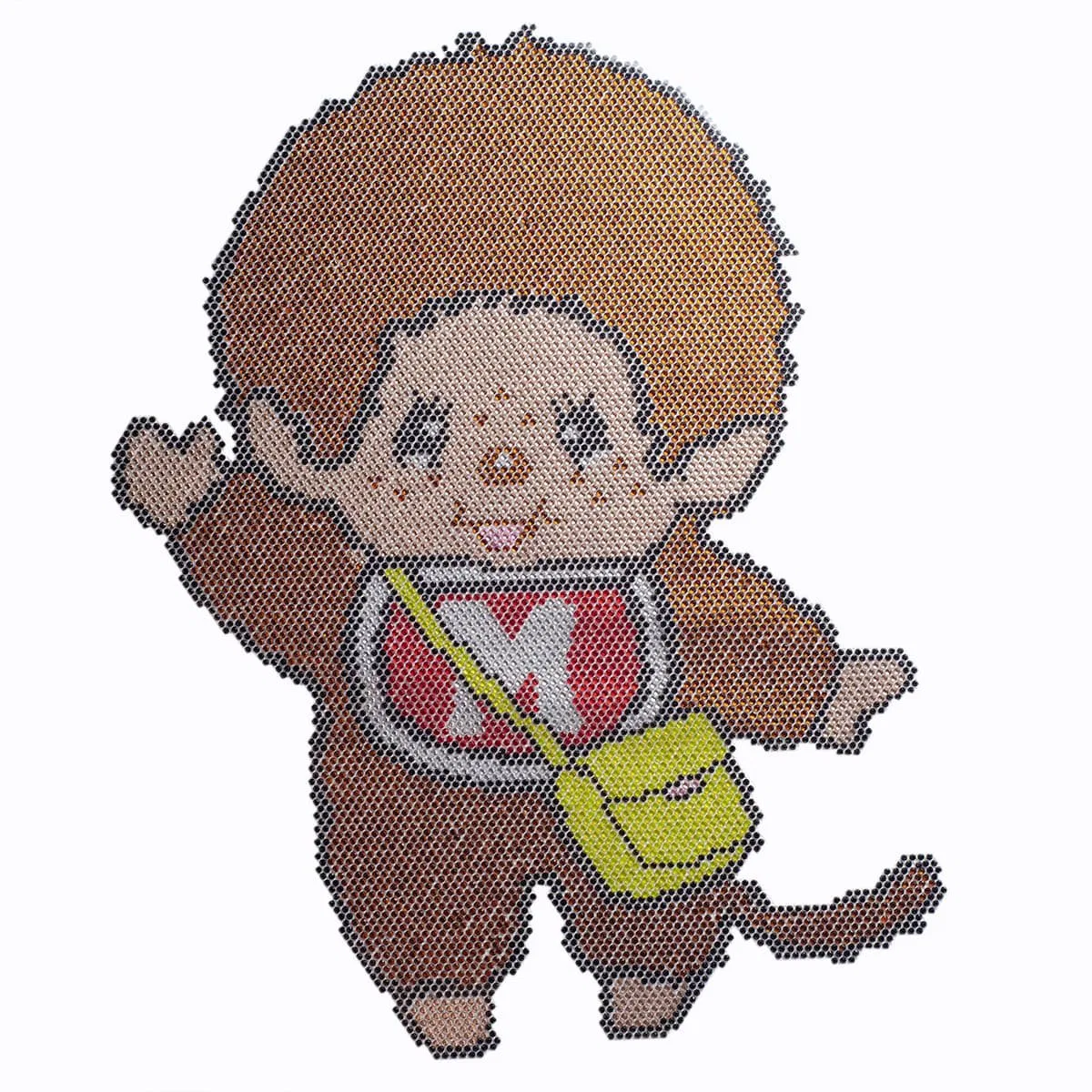
Hotfix rhinestone transfer reference displayed for shirt planning
Specify the exact garment zone and final dimensions before approving a transfer map.
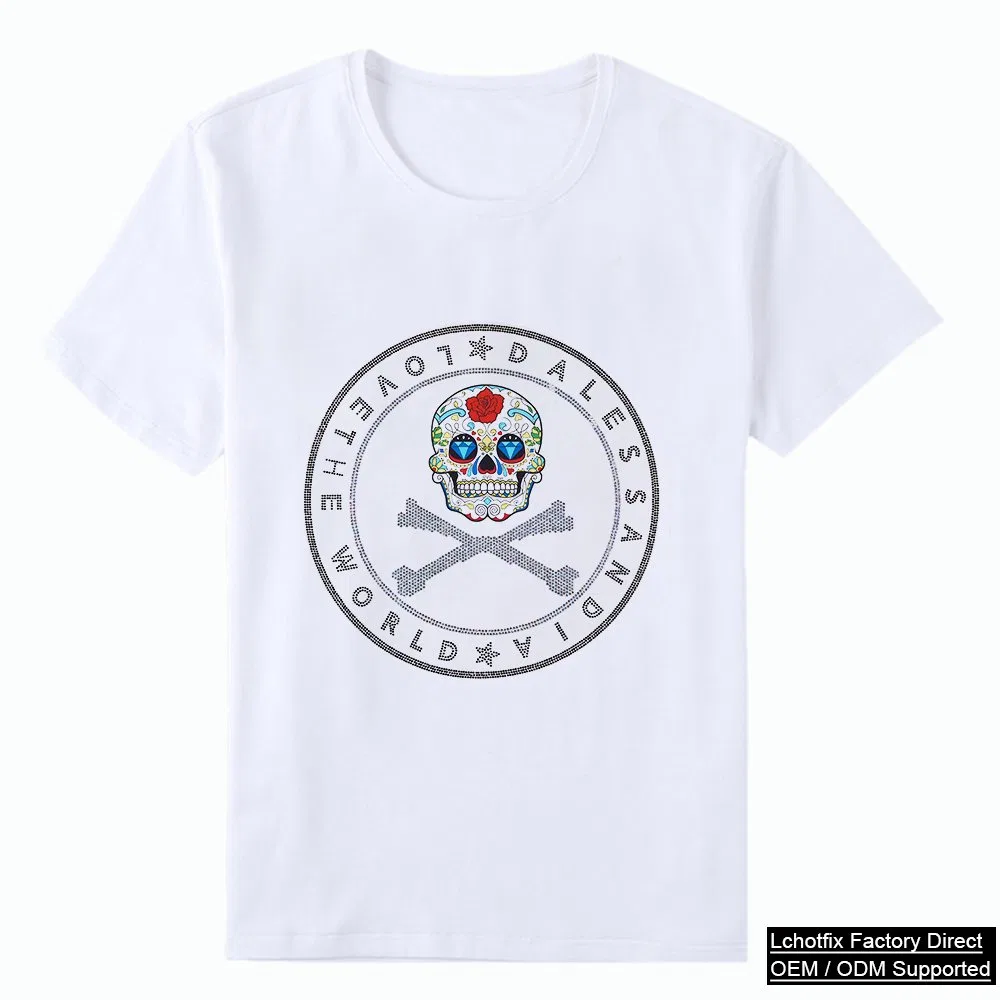
Skull rhinestone graphic T-shirt showing a complete decorated garment
A finished product reference shows proportion; the working brief records the actual blank and placement.
01 / Garment identity

Start with the Receiving Shirt

Identify the exact blank garment whenever possible. Fiber content matters, but fabric construction, surface finish, color, seams and treatments can also influence application and appearance. Include a product link, specification or physical sample and state whether Teebling is quoting the transfer alone or reviewing a finished decorated shirt.

Measure the usable area while the shirt lies in the condition used for pressing. Note neck rib, placket, pocket, side seam, sleeve join or other raised structures. A clean garment record prevents artwork from being approved for a zone the equipment cannot support.

  • Garment style and supplier reference
  • Fabric content, construction, color and treatment
  • Available decoration field and obstructions
  • Intended application equipment and operator
02 / Sourcing fork

Transfer-Only or Finished Apparel

Both paths can support a wholesale program, but they assign responsibility differently. Make the choice visible at the start of the quote.

Transfer-only supply

Your team selects and controls the blank, storage, pressing, operator training and finished-garment inspection. The RFQ should still identify the actual receiving garment and equipment so a relevant sample can be planned.

  • Transfer identity and dimensions
  • Flat-sheet packing and handling
  • Application trial record
  • Quantity by artwork variation

Finished decorated shirts

The blank, size run, artwork placement, decoration, fold, labels and cartons form one product specification. Review garment fit and construction alongside the rhinestone result rather than approving the decoration in isolation.

  • Blank garment specification
  • Size and color quantity breakdown
  • Placement by garment size
  • Finished-product packing
03 / Measured zones

Front, Back and Sleeve Placement

Use a measured diagram for each location. Name the reference point, center line, top offset, final artwork width and orientation. Avoid instructions such as normal chest placement because operators and garment sizes may interpret them differently.

ZONE A / FRONT

Center or left chest

Measure from neckline and center line. Check pockets, plackets and the visual relationship to the shirt width.

ZONE B / BACK

Upper or full back

State the top reference and available field. Large graphics require press-bed and carrier handling review.

ZONE C / SLEEVE

Sleeve or shoulder

Confirm sleeve seam, taper, platen access and orientation when worn.

ZONE D / HEM

Lower accent

Keep clear of hems, side seams and areas distorted by tucking or folding.

01

Readability

Review letters, counters, narrow lines and negative spaces at the finished dimensions. A logo that reads on screen may need an approved simplification when translated into spaced stones.

02

Proportion

Place the artwork on the smallest and largest garments in the intended size run. Decide whether one physical transfer size keeps the desired visual balance or whether controlled size groups are needed.

03

Stone map

Approve the mapped layout, color zones and orientation rather than the source artwork alone. The production map is the actual arrangement being reviewed.

04

Version

Give front, back and variation artwork unique revision names. Keep approval attached to the finished dimensions and garment zone so an old map cannot be reused accidentally.

05 / Application conditions

Fabric and Press Access

Fabric names are starting points, not universal settings. Test the exact garment and transfer pair using the equipment planned for production.

Surface

Record texture, finish, coating and any visible treatment. Check whether the decoration area can lie flat and clean.

Support

Identify platen, pad or insert needs around seams, collars or pockets. Uneven support changes the trial conditions.

Process

Document temperature, pressure, dwell, cooling and peel method used for the approved test rather than publishing one generic recipe.

Appearance

Inspect alignment, carrier release, fabric marking and the garment face after application. Record any limitation with the approval.

06 / Evidence

Sample Application Record

The approved sample must be identifiable. Record garment style and color, transfer reference and revision, finished dimensions, placement, equipment and conditions. Add dated photographs and name the person who can release the result.

Approval should state its scope. It may cover visual layout and initial application without establishing every care or wear outcome. If fabric, transfer construction, placement or operating conditions change, decide whether a new trial is required rather than treating the old sample as universal evidence.

Garment

Style, fabric, color and size

Transfer

SKU or artwork revision

Placement

Zone, offsets and orientation

Conditions

Equipment and recorded process

Evidence

Photos and observations

Decision

Approve, revise or reject

07 / Production line

Size-Run Production Plan

List quantity by garment size, color, transfer revision and placement. Even when one transfer size is approved across the run, a clear ledger helps purchasing, decoration and packing reconcile the same totals. If artwork scales by size group, give each group its own item identity.

STYLE
COLOR
SIZE
ART REV
QTY

Packing should reference the finished shirt, not only the loose transfer. Define fold, size identification, inner assortment and carton sorting. For transfer-only orders, state sheet count, design separation and protective handling instead.

08 / Buyer questions

Shirt Transfer Planning Questions

These answers separate garment, transfer and application responsibilities so the written request can be quoted accurately.

Should I request transfers only or finished decorated shirts?

Choose transfer-only when your team controls the blank garment and application. Choose finished apparel when the blank, decoration, size run and packing should be reviewed as one product. Teebling confirms the applicable scope in writing.

What shirt information is needed for a transfer review?

Identify the garment or supply a sample, then state fiber content, fabric construction, color, treatment, placement area and the equipment intended for application. Generic labels such as cotton or polyester may not describe every relevant finish.

Can one transfer size work across an entire shirt size run?

It may, but the artwork must be reviewed against the smallest and largest garments and the desired visual proportion. Record the approved finished dimensions and any size-specific variations rather than assuming.

How should front, back and sleeve placements be specified?

Provide a measured placement diagram for each zone, including distance from neckline, center line, seams, pockets or sleeve joins. Use one consistent unit system and identify orientation.

Is a sample application recommended?

Yes for a production program. Test the exact transfer and receiving garment with the intended equipment, record the conditions and approve the physical result before relying on it for a run.

09 / Project intake

Prepare the Shirt Project RFQ

Send the shirt reference, fabric and color, artwork, measured placement, finished dimensions, size breakdown, quantity, destination and whether you need transfers or completed apparel.

Develop original artworkCustom rhinestone transfers
Source complete garmentsRhinestone T-shirts wholesale
Coordinate team programsCheer and dance transfers
Welcome Guest!