


Master artwork
Store editable logo and mascot files, approved spelling, orientation and a dated revision. Name which details must remain recognizable when mapped in stones.
Coordinate shared logos, mascots and color direction with athlete names, numbers, garment sizes and event requirements. Teebling turns the team identity and variable roster into a measured wholesale brief for transfers or finished decorated apparel.
Start with authorized source artwork, the official team or gym naming, current color references and the people allowed to approve. Add the garments and accessories included in the program, their intended use and the destination. The identity file should distinguish official marks from visual inspiration.
Store editable logo and mascot files, approved spelling, orientation and a dated revision. Name which details must remain recognizable when mapped in stones.
Show garment colors and critical team colors. Identify where current physical approval is required.
Name the team, buyer or brand contact who can approve shared art and the person controlling roster data.
List uniforms, warmups, spirit shirts, bows or bags and the required in-hand destination for written review.
Keep the fixed team graphic separate from athlete-specific information. This makes corrections traceable and prevents one roster edit from silently changing the approved logo map.
Team logo, gym name, mascot, shared slogan, stone colors, finished dimensions and garment zone belong here. Approve the production map and record any size group variation.
Athlete name, number, garment size, color and quantity belong in a structured ledger. Set spelling and number approvals before release; screenshots or informal messages are difficult to reconcile.
Each product has different surface, movement, press access and packing needs. Coordinate the visual system, then write a separate specification for every garment or accessory.
Identify fabric, stretch direction, seams, lining, placement and movement zone. Test the exact garment and transfer pair.
Map zippers, pockets, fleece texture or coated areas before placing a shared logo.
Record blank style, size breakdown, front or back dimensions and whether Teebling supplies transfers or completed shirts.
Coordinate bows, bags or patches by color and identity while preserving their own construction and attachment files.
Color changes with garment contrast, crystal finish and lighting. Review the intended context rather than approving solely from a phone or monitor.
Check logo recognition and contrast under ordinary viewing, especially where garment and stone colors are close.
Observe the sample under lighting relevant to performance when sparkle behavior is a central design decision.
Review how bright highlights affect letters, faces or negative spaces in team and merchandise imagery.
Name every approved color zone and retain the current physical reference with the artwork revision. If a supplier alternative is proposed, require written review instead of relying on a similar color name.
Use one row per athlete or variable unit. Reconcile the ledger against garment and transfer totals before the order is approved.
Mark late changes as new revisions and decide whether they affect a running order. Avoid overwriting the approved roster without a record; the final ledger should travel through decoration, packing and receiving.
A coordinated range uses shared identity rules while allowing each product to solve a different functional job.
Lock logo map, color zones, finished dimensions, carrier, placement and application evidence.
Combine blank specification, size run, decoration and pack details. Compare this route with transfer-only supply before quoting.
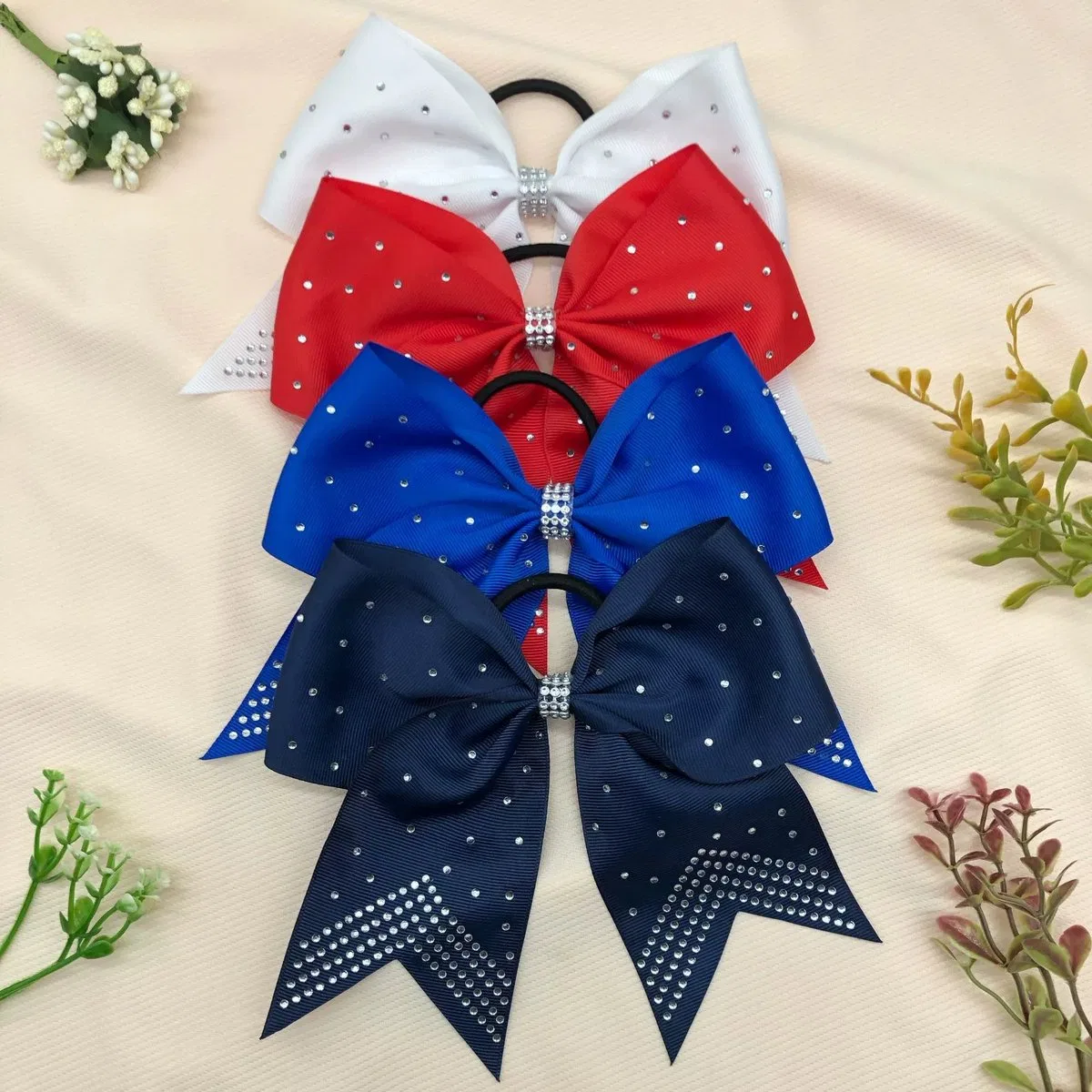
Plan finished rhinestone shirtsCoordinate ribbon and crystal direction, attachment, size and team sorting through a separate bow brief.
Plan wholesale hair bows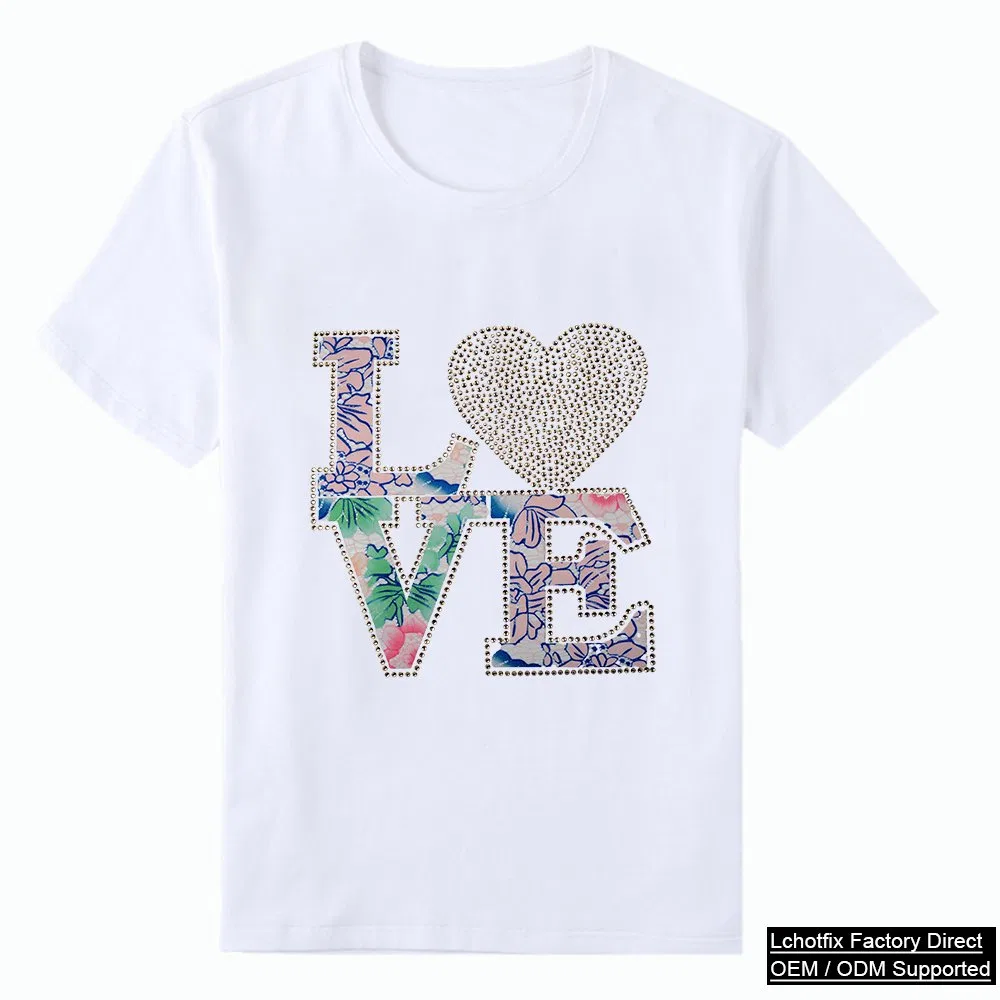
Test the exact transfer and receiving garment with the equipment planned for use. Record initial application, alignment, visible fabric change, movement-zone behavior and the buyer's defined care observations. Approval should state what was evaluated without claiming universal durability.
Confirm line list, destination, authorized art and approval contacts.
Resolve artwork, color, placement and application questions before release.
State the required in-hand date; Teebling confirms applicable timing in writing.
These answers organize artwork, roster, testing and timing without making unsupported production promises.
Provide authorized editable logo, mascot, gym or team artwork plus a visible list of name, number and roster variables. State finished dimensions, garment placement and color references for every approved version.
Review the proposed dimensions on the smallest and largest garments. One size may be workable, or the visual proportion may require controlled size groups. Record the decision rather than assuming.
Identify critical brand colors, garment colors and the lighting context in which the teamwear is viewed. Approve current physical references or a relevant sample when appearance is important.
Yes. Identify the exact fabric and garment finish, then test the chosen transfer using the intended equipment. Record application conditions, appearance and any limitation before a run.
State the required in-hand date, destination and approval contacts in the opening brief. Teebling reviews scope and provides applicable timing in writing; this page does not promise an unsupported lead time.
Attach authorized art, garment specifications, placements, roster ledger, color references, quantity by variation, packing destination and required in-hand date.