


Collection statement
Write one sentence explaining who the bows are for and where they will be worn or sold. That statement should guide which silhouettes and colors belong together.
Build a color-led bow assortment with a clear customer, silhouette system, fabric direction, attachment, decoration, seasonal plan and retail presentation. Teebling turns visual inspiration into line-level specifications and current wholesale quote inputs.
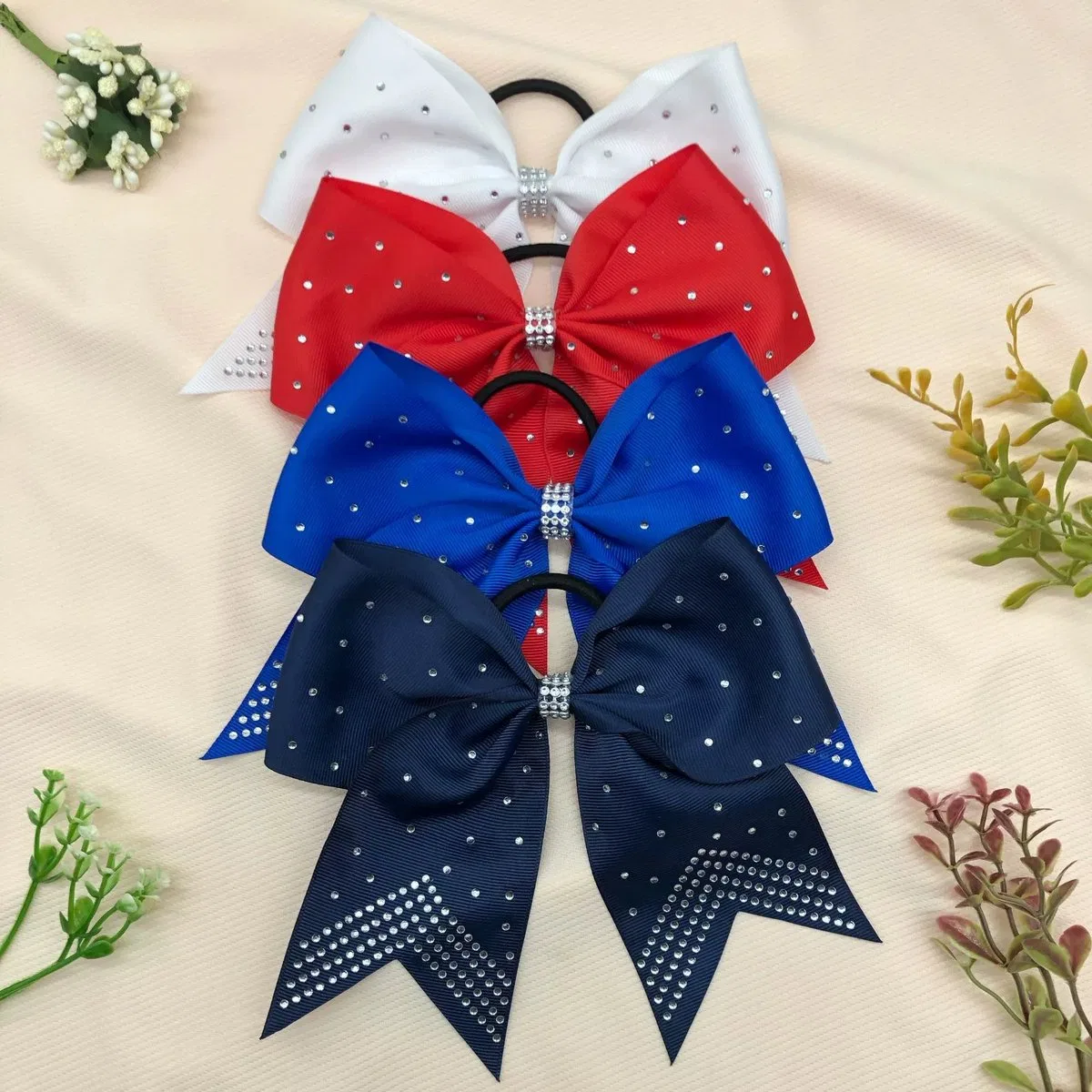
A moodboard should narrow decisions, not replace them. Attach reference images, palette and customer context, then translate each chosen direction into a line with shape, dimensions, fabric, attachment, decoration, colorway, quantity and packaging.
Write one sentence explaining who the bows are for and where they will be worn or sold. That statement should guide which silhouettes and colors belong together.
Select a small number of current product or shape references and note exactly what each reference communicates: scale, fold, color, sparkle or presentation.
Label material, color or construction choices that require Teebling review instead of presenting them as settled facts.
Create a visible line for every style and colorway so the quote and assortment plan use the same vocabulary.
The same bow can be specified differently for team performance, boutique retail or a private-label collection. Define the channel before building variations.
Coordinate team colors, uniform scale, movement, secure attachment, athlete or squad sorting and the event in-hand requirement. Review decoration under relevant venue light.
Build a focused seasonal or evergreen assortment, define customer-facing carding and use style codes that support display, count and reorder.
Connect bow artwork, naming, packaging and color rules to the larger accessory collection while keeping a complete bow-specific product file.
Name the shape before discussing color. Finished width, height, loop proportion, tail direction and center construction determine how the bow reads on a person or display card.
Large visual scale for teamwear or boutique impact. Confirm weight, attachment support and how it sits when worn.
Balanced loops and tails for repeat color programs. Record the finished dimensions and center treatment.
Softer or compact direction where fabric hand and knot geometry are central to the sample.
Multiple fabric or color layers require an order of assembly and clear face-versus-back approval.
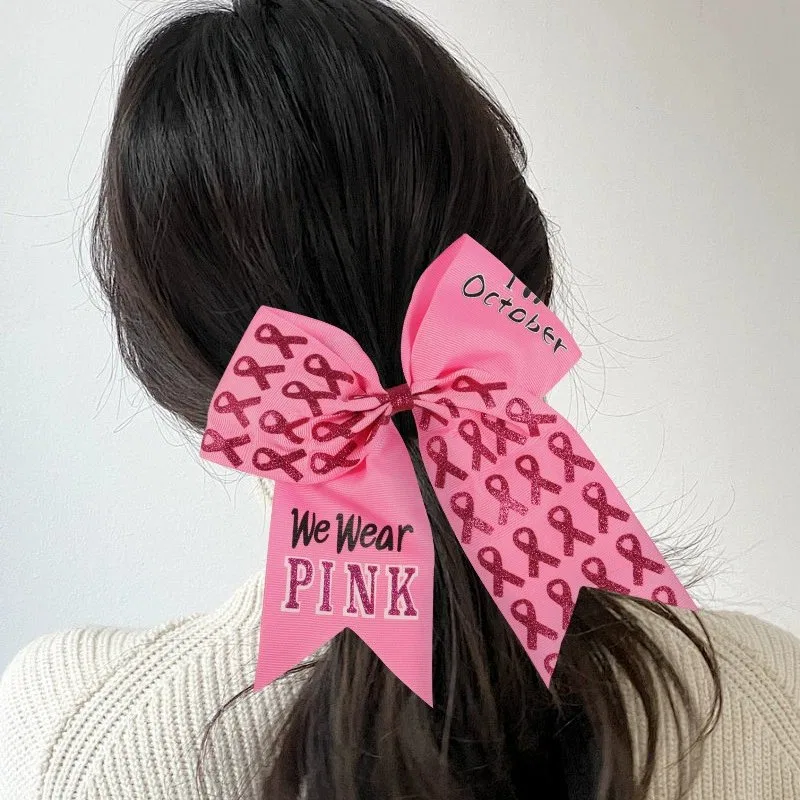
Identify the requested textile or current product reference, surface sheen, hand and any printed pattern. Teebling confirms the applicable construction.
Name main, contrast, center and decoration colors separately. Mark team or brand-critical colors for physical review.
Specify rhinestone, print, embroidery or another reviewed detail by placement and artwork revision.
Inspect folds, stitching, adhesive residue where relevant and the connection to the attachment.
Choose attachment from intended use, hair position, user and retail description. Approve the hardware and textile bow together.
Use your own sales, roster or event evidence to assign quantities. Keep every style visible as a line item and state the required in-hand date for Teebling's written timing review.
Evergreen team, school or boutique colors with repeatable style codes.
A focused motif or palette tied to a defined event and destination.
Seasonal art and carding kept separate from core reorder records.
New silhouette or colorway with its own sample and conservative line-level quantity.
Do not imply guaranteed availability or a fixed lead time from a planning calendar. The RFQ should state the date and full scope; the quotation confirms applicable production and delivery terms.
Photograph and inspect the bow from the front, back and side, then place it in the intended wear position. Check finished dimensions, symmetry, loop and tail direction, center construction, decoration alignment, attachment orientation and any visible connecting method.
For decorated bows, review stones or other elements through normal handling and the buyer's defined use test. Record what was observed without claiming universal durability. If fabric, attachment, dimensions or decoration changes, issue a new sample reference.
These answers clarify the product, color, attachment, packaging and calendar fields needed for a useful request.
Provide the bow style or product reference, finished dimensions, fabric and color direction, attachment, decoration, quantity per variation, unit presentation and destination. Custom artwork should be supplied in an authorized source file.
Provide current team color references and the garment or uniform context. Approve physical fabric and decoration references when color is critical because screens and materials may render it differently.
Choose from the way the product will be worn and sold. State whether you need a clip, tie, band or another reviewed direction, then approve the attachment and bow together on the sample.
Describe card size, approved artwork, buyer-provided barcode values, unit protection and inner quantities in the RFQ. Teebling confirms applicable options and costs for the defined order.
Create a line for every style and colorway, use your own demand evidence to assign quantities and state the required in-hand date. Availability and timing are confirmed in the written quote.
Send style references, dimensions, fabric and color direction, attachment, decoration, quantity by variation, packaging, destination and required in-hand date.