


Front light
Photograph the sample square to camera. Check graphic legibility, color distribution, missing units and visible carrier or thread around the perimeter.
Turn a search phrase into a controlled factory question. The active Teebling references on this page are sequin embroidered patches, not evidence of an existing sequin heat-transfer SKU. Their scale, face and finishing details can inform a conversation while construction and feasibility remain subject to written confirmation.
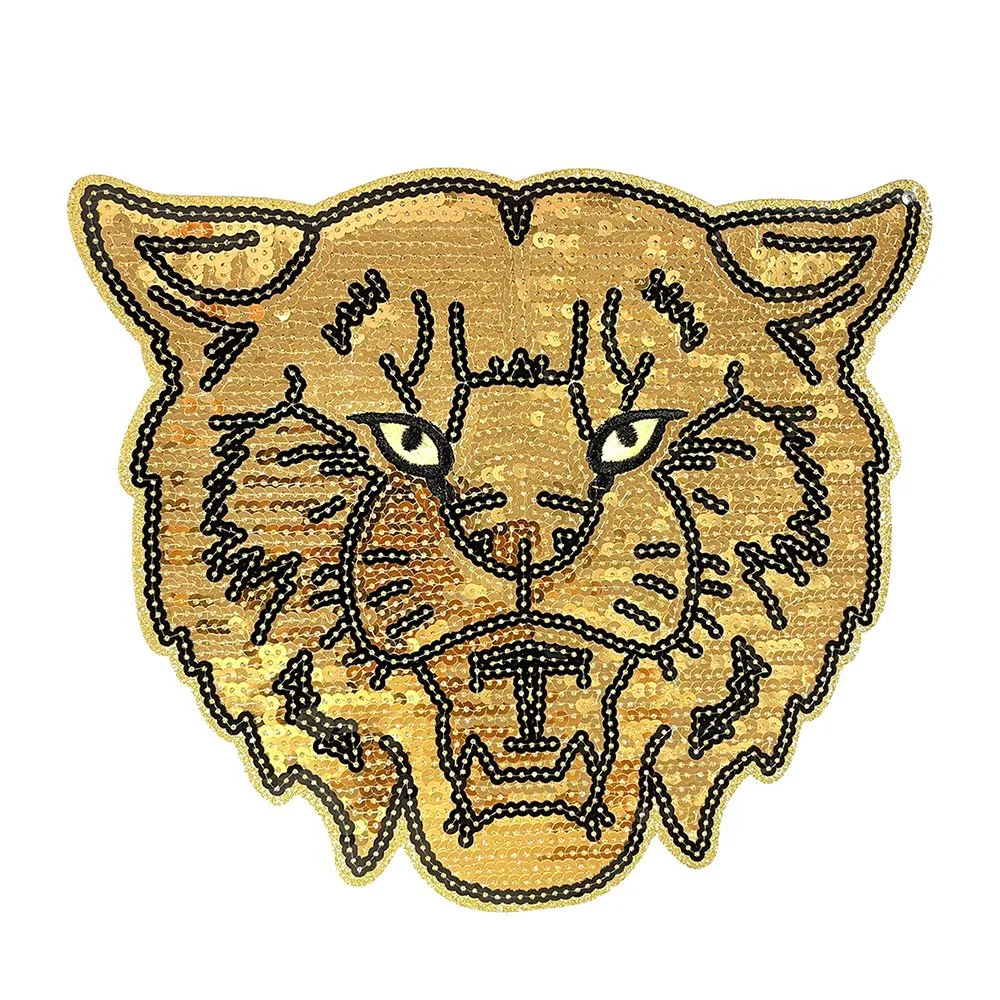
The phrase sequin heat transfer can point to different ideas: a finished patch with a heat-activated reverse, sequins assembled on a carrier, or another decoration system proposed for heat application. Those builds are not interchangeable. State what the finished face should look like, what is expected on the reverse and whether the supplied item will be attached by the buyer or delivered already applied.
Describe the visual target, finished size, quantity, colors, receiving textile and desired attachment outcome without presuming a manufacturing method. Include a photograph only as a direction reference and mark which attributes matter: reversible appearance, fixed color, embroidery outline, flexible carrier or clean perimeter.
The supplier can then answer with a proposed stack and identify which parts require sampling. Keep that response attached to the quote so a familiar marketing term does not replace the construction record.
Two active entries establish factual examples of sequin decoration. They help a buyer discuss scale, outline and visual density. They do not establish the unrecorded carrier, reverse or application process requested by this sourcing page.
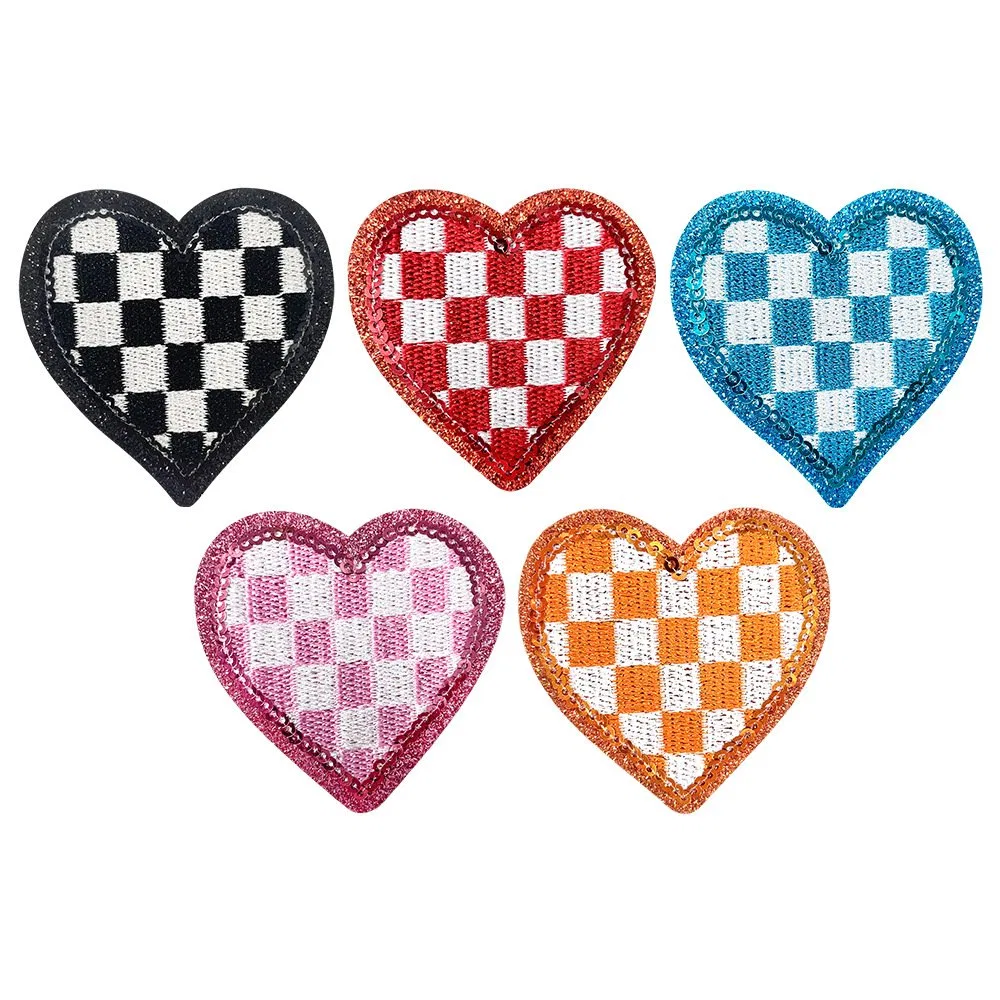
When requesting a quotation, cite the relevant product ID and say which visible quality you are referencing. If neither patch is close to the intended result, submit original authorized artwork instead of asking the factory to infer a new item from a catalog photograph.
A sequin surface can read differently as the angle, distance and textile shape change. Build a simple observation sequence around the approved physical sample. Use the same garment color and light positions for revisions so comparison remains useful.
Photograph the sample square to camera. Check graphic legibility, color distribution, missing units and visible carrier or thread around the perimeter.
Move the light rather than the sample. Record highlight direction, raised edges, face orientation and areas that appear darker than the proof.
Place the decoration on the intended textile without stretching it. Observe how folds cross the motif and whether the outline remains clear.
View the sample from the distance expected in retail, performance or event use. Confirm that the desired silhouette reads without relying on a close-up.
Note the camera distance and lighting rather than treating photographs as exact color standards. Final color and reflectivity decisions should stay connected to the identified physical sample.
A useful handling review records what the sample does under the intended use conditions. It does not convert one short test into an unrestricted performance promise. Agree on the sample, receiving textile, method and acceptance criteria before testing.
Curve the decorated zone in the direction expected during wear. Watch the face, outline and reverse rather than judging only the center.
Hang the textile naturally and observe weight, stiffness and how the decoration follows the fabric.
Inspect raised edges, loose elements and surface changes after the agreed handling sequence.
Return the sample to the same light board and compare it with the initial photographs.
Identify sample code, operator, date, conditions and observed result. Keep failed or revised samples distinguishable from the approved one.
If wash or abrasion evaluation is required, define the protocol with the supplier and relevant buyer requirements. This page does not supply a universal test method for an unconfirmed construction.
The receiving product determines what can be evaluated. A cotton jersey panel, coated bag and stretch costume present different heat sensitivity, pressure access and movement. The proposed build must be reviewed with the real substrate.
Ask the factory to describe the face, supporting material, reverse and perimeter. Mark every element that remains provisional and obtain a physical sample.
Record the proposed equipment, temperature, time, pressure, peel direction and any protective layer only after the supplier confirms them for the sampled pairing.
Apply the sample to the intended receiving product. Inspect appearance, edge contact and substrate response, then keep the approved result with the written process.
For adjacent pathways, compare the custom iron-on patch guide, custom embroidered patch guide and wholesale decoration buyer checklist.
A disciplined inquiry separates fixed buyer requirements from negotiable preferences. It also gives the factory enough information to reject an unsuitable direction early, propose a sample path or request missing evidence.
Provide authorized editable artwork, color references, finished width and height, orientation, minimum feature priorities and an annotated raster preview.
Name the fiber content, fabric structure, stretch, finish, garment color, seam map and decoration zone. Send a physical blank when compatibility cannot be judged from a description.
List quantity by design, size and color; expected reorder pattern; packing unit; destination; target date; and whether the factory should quote a sample separately.
Reserve fields for proposed construction, sample identifier, application method, appearance result, packing approval, revision owner and final written signoff.
Link the product references directly when helpful: Product 13 tiger patch and Product 25 sequin shapes. Their recorded dimensions and minimums remain specific to those listings.
These answers preserve the distinction between active sequin patch evidence and the capability inquiry described by this page.
No. The active examples shown here are sequin embroidered patches. This guide helps a buyer prepare a separate capability inquiry, and the requested transfer construction must be confirmed in writing before it enters a specification.
Product 13 is a tiger sequin embroidered iron-on patch recorded at 9.92 by 8.82 inches with a 50-piece minimum. Product 25 is a leopard heart, star and lightning sequin patch set recorded at 2.4 by 2.36 inches with a 100-piece minimum.
Sequins can change their visible highlight as the viewing angle and textile move. A physical sample lets the buyer assess face direction, edge behavior, hand feel and appearance under the intended lighting.
If a buyer uses broader wording such as bling heat transfers or heat transfer patches wholesale, the same construction questions remain mandatory. Name the receiving textile, decoration zone, requested process, equipment limits and care expectation, then obtain a written feasibility response.
Approve the material stack, sequin type and orientation, thread or carrier visibility, finished dimensions, reverse, application method, appearance sample, handling sample, packing and written quotation before bulk production.
Submit one compact packet containing the target visual, authorized artwork, finished dimensions, receiving product, placement, desired application outcome, quantity, packing, destination and schedule. Explicitly label the request as a capability inquiry if the proposed construction is not an active catalog item.
Ask Teebling to identify what can be quoted, which construction is proposed, what must be sampled and which operating details belong to that sample. Move the result into a purchase specification only after those points, the physical approval and the commercial terms agree.