


Translate the mark
Start with editable artwork and separate the base, lettering, icons and borders. A relief drawing tells the maker which zones rise, recess or remain level instead of leaving “3D” open to interpretation.
Custom silicone labels turn an authorized logo into a flexible, dimensional brand element for apparel and accessories. Plan the finished size, raised or recessed areas, colors, garment placement, attachment method and quantity together so the sample answers a real production question.
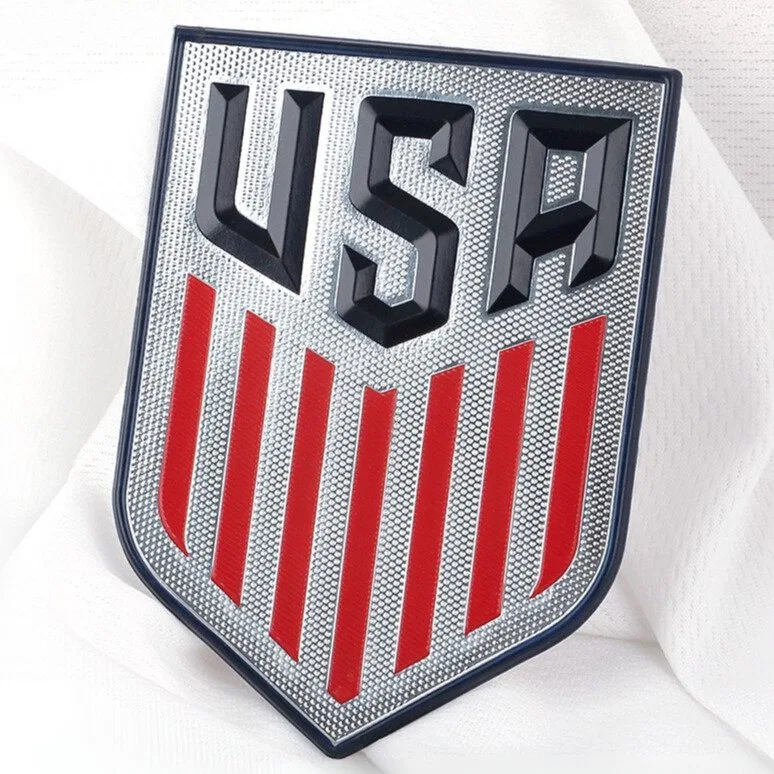
Recorded catalog reference GZ-FC-007: TPU and silicone, 6 × 8 cm, MOQ 100. Confirm the custom build in a current quote.
Start with editable artwork and separate the base, lettering, icons and borders. A relief drawing tells the maker which zones rise, recess or remain level instead of leaving “3D” open to interpretation.
Review letter counters, narrow strokes and small gaps at the finished dimensions. The most detailed logo file may need an approved compact version before a moulded sample is practical.
Name the garment, material, surface finish, stretch, color and placement. A soft silicone label for a bag panel may require a different reverse and approval plan than a silicone clothing label for activewear.
Give the sample an artwork revision, dimension, colorway and garment reference. Feedback should cite that identity so later changes never hide inside informal photo comments.
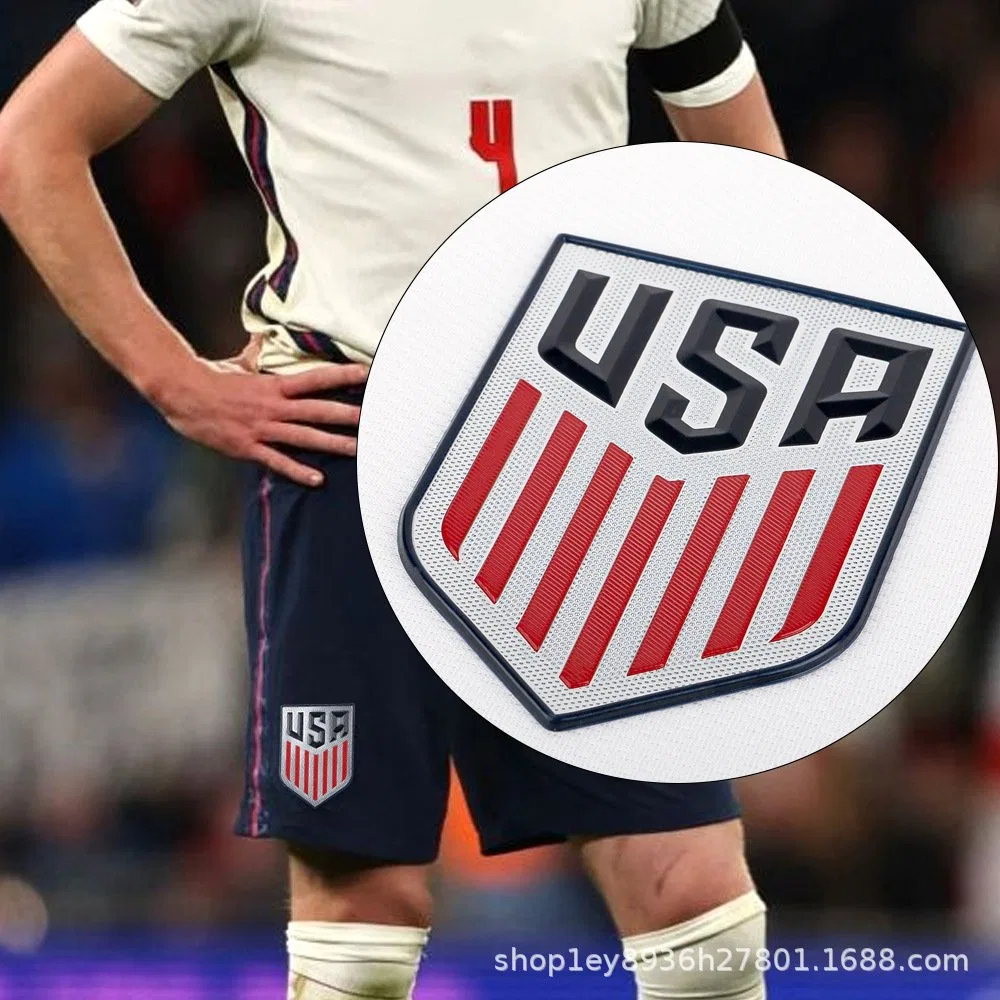
The related GZ-FC-007 reference records MOQ 100 and $0.45 USD per piece, which equals a $45 merchandise subtotal at that recorded configuration. It is a reference, not a universal offer. Tooling, artwork complexity, size, colors, backing, sampling, packing, freight and destination can change a custom quotation.
Ask whether the quantity applies per design, size or color rather than assuming variants can be pooled.
Confirm currency, configuration, tooling, freight, duties and validity in the current quote.
List every label code, garment, quantity and packing instruction in a controlled table.
Existing samples can help narrow appearance, while a custom sample must represent the proposed artwork and receiving product. Availability and shipping are confirmed for each inquiry.
Confirm exact wording, outline, dimensions, relief zones and color labels.
Inspect surface, flexibility, edge, small detail and visible color relationships.
Apply the proposed construction to representative material using written instructions.
Store dated photos, observations, sample code and acceptable tolerances with the purchase line.
Do not convert a generic “washable” statement into a guaranteed cycle count. Define the required care exposure and acceptance criteria, then request project-specific evidence.
Silicone clothing labels suit programs that value a soft dimensional face and distinct relief. Compare custom TPU heat-transfer labels when a flexible layered construction is under review, and custom woven labels when textile detail, fold formats or sew-in construction better serve the garment.
These cards are rendered from active database records. Use them as concrete size, material, MOQ and price references, then request current terms for your artwork.
The related catalog references shown on this page record a 100-piece minimum. A custom quotation must confirm whether that minimum applies per artwork, size, colorway or total order.
Yes, dimensional zones can be planned from authorized vector artwork. The physical sample should confirm the readable depth, smallest gaps, edge shape and surface finish at the final label size.
Name every color zone, supply stable color references and identify the receiving garment color. Final appearance should be approved on a labeled physical sample because material and surface finish affect perception.
The phrase silicone stickers for clothes is used broadly. Specify the actual attachment system, intended garment and supplier application instructions so a temporary adhesive concept is not confused with a production heat-transfer construction.
Use the Free Samples button to describe the project and ask what existing or custom sample options are available. Eligibility, customization and shipping are confirmed for the selected configuration.
Send editable vector artwork, finished dimensions, exact wording, a relief map, color callouts, placement view, garment information and quantities by variant. Mark the revision on every file.
Send artwork, target size, relief direction, colors, garment information, placement, quantities and destination for review.