


Master code
Catalog code or controlled custom identifier.
Turn finished patches into countable, protected and destination-ready units. The packing specification should preserve product identity from individual piece through inner pack, batch split, carton map and receiver reconciliation.
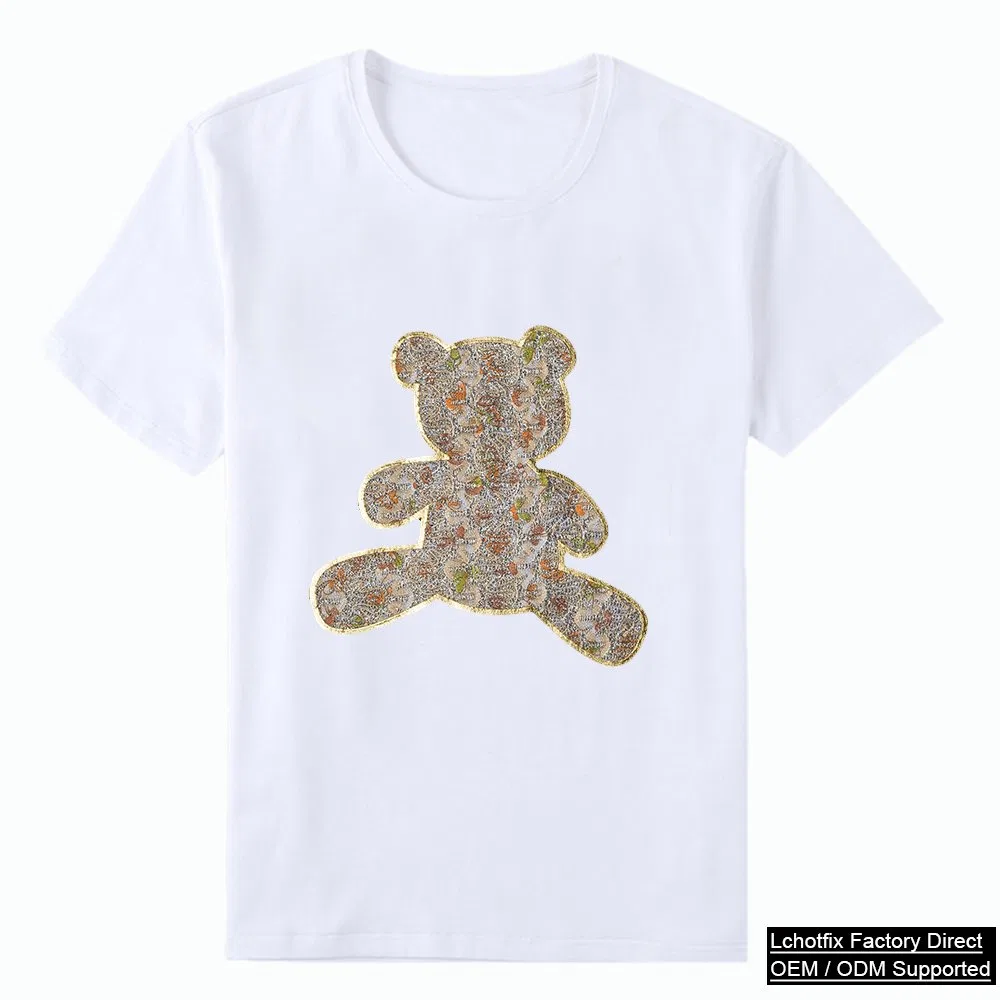
Identify the product or custom item, artwork revision, color, dimensions when confirmed, attachment or transfer construction, and the unit that will be counted. “Patch” alone is too broad for a mixed order. Product 168 has a blank generic size field and a recorded 8 × 10-inch design area; use that catalog footprint as evidence while confirming the finished component and pack dimensions before selecting an enclosure.
Catalog code or controlled custom identifier.
Approved art and construction record.
Color, size and finish line.
Single piece, matched pair or defined set.
Current quoted allocation by variant.
Heat transfer patches wholesale should be quoted and packed using the same line identity. If commercial terms change, update the allocation without renaming the approved construction.
Product 35 is Custom 3D TPU Rubber Logo Patches and Badges, recorded as TPU, 7.5 cm, MOQ 100 and code DG-ZK-001. Product 50 is Custom 3D Silicone Heat Transfer Logo Patches, recorded as silicone, 6 × 8 cm, MOQ 100 and code GZ-FC-009. Product 35's name does not establish heat-transfer attachment, so confirm that detail for any proposed order.


Review Product 168, Product 35 and Product 50 before assigning pack instructions.
Ask for construction-specific protection guidance before choosing interleaves, bags or stack orientation. A raised TPU surface, silicone relief and rhinestone textile face present different contact risks. Use clean materials and prevent sliding, crushing, transfer-face contact or adhesive contamination according to the approved instruction.
Visible label with item, revision, quantity and batch.
Supplier-approved enclosure sized for the complete unit.
Clean separator where confirmed, with no unrecorded coating.
Aligned pieces or sets protected from movement and pressure.
Use the TPU attachment methods guide to keep attachment claims separate from packing. A TPU heat transfer patch must be identified by its verified construction, not inferred from TPU material alone.
Define how operators count single pieces, pairs or sets, and use the same unit on the purchase order and packing list. A four-gate reconciliation catches mismatches before the carton closes.
Verify identity and count unit at the packing bench.
Confirm pack quantity, label and separator arrangement.
Sum inner packs and compare the carton map.
Reconcile all carton totals to destination allocation.
A T-shirt sticker patch order can use a different unit definition from loose single patches. Write the set composition explicitly and record any count sample or weight-aided method only after it has been validated for that exact item.
A batch or lot reference traces how pieces were made; a destination code traces where approved quantities must go. Keep both fields so receiving can investigate one batch without losing the store, factory or fulfillment split.
Units assigned to garment application or assembly.
Sellable or service units grouped by location.
Approved samples or reference stock under named custody.
Custom iron-on patches wholesale may require multiple artwork versions in one shipment. Use distinct inner-pack colors or large readable labels, but do not rely on packaging color without the written code.
Draw the carton from above and identify layers, dividers, inner-pack codes and counts. Put the packing list in the agreed location, protect it from product contact and mark orientation only when the pack instruction requires it.
Item, variant, batch, inner count.
Second approved pack identity.
Service or sample pack if included.
Divider and layer note.
Carton subtotal and sequence.
Destination and receiver reference.
Compare the rhinestone export packing guide when the contents are transfer sheets rather than discrete patches, and the rhinestone patch sourcing page for patch-specific request fields.
The answers keep material evidence, count method, protection and receiving responsibility visible.
Product 168 is Laser Cut Fabric Rhinestone Heat Transfer Patch. The database records fabric, rhinestones and holographic crystal, MOQ 50, item code RJX-501 and an 8 by 10 inch design area; its generic size field is blank.
Not by assumption. Their listed materials and constructions differ. Confirm surface protection, separator and packing orientation for each quoted item, then issue construction-specific pack lines.
Define the unit, inner-pack quantity, count method, reconciliation record and escalation rule before packing. Compare inner totals with the carton map and purchase allocation.
Include product or custom code, artwork revision, color, size where specified, quantity, batch or lot reference, destination and pack sequence without hiding supplier handling information.
Match cartons and inner packs to the packing list, inspect visible condition, verify sampled counts under the agreed plan and isolate any identity or quantity mismatch.
Send the receiver the purchase allocation, carton map, inner-pack code list, agreed sampling plan and exception contact. On arrival, compare carton identities, inspect visible condition, sample counts as specified and hold any mismatch without redistributing affected packs.
For wholesale iron on transfers or patches, the final receiving record should show quantity accepted, quantity held, photographs, batch references and disposition owner. Ask Teebling to confirm current packing options and quoted commercial details for the selected construction.