


Garment
Composition, fit, style, color, size range, construction and decoration zone.
A finished shirt program is more than a crystal graphic. Put blank specification, authorized artwork, transfer map, application, size and color allocation, pilot approval, inspection and retail packing on one traveler before comparing OEM quotations.
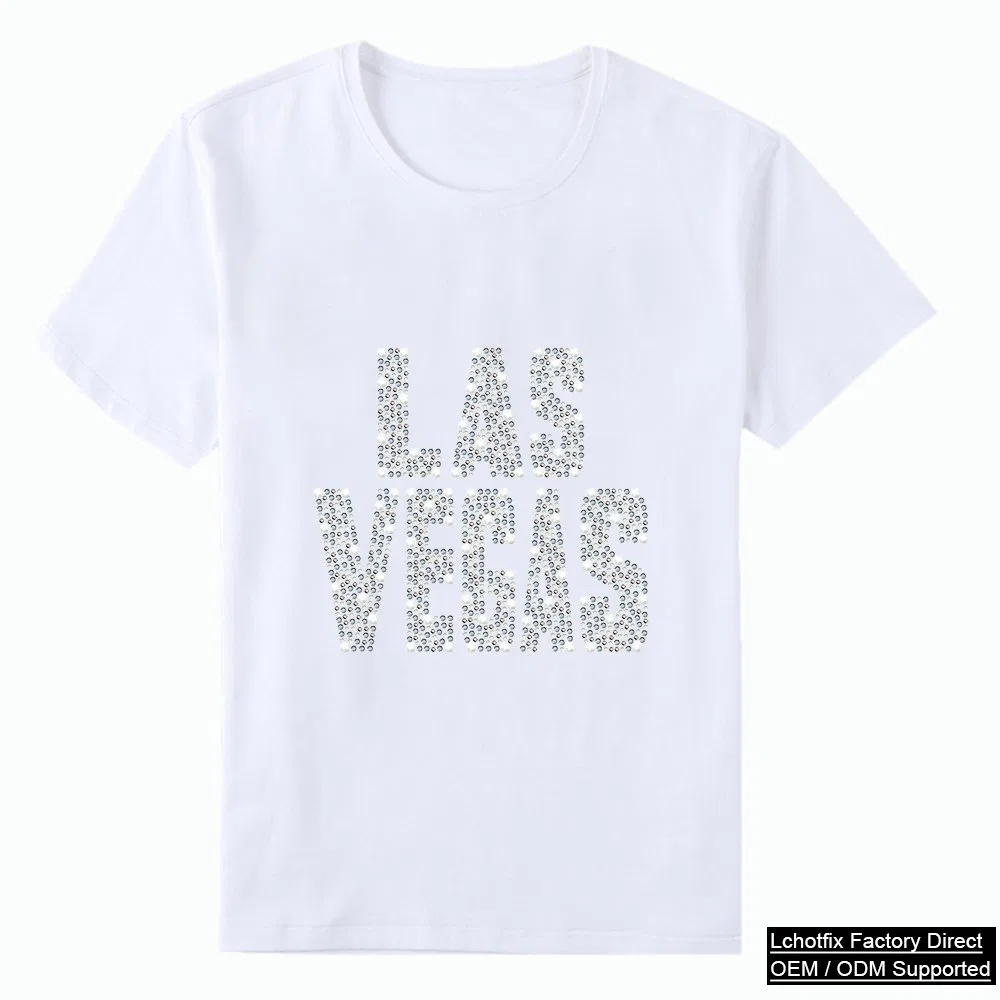
Decide who supplies the blank, prepares the crystal artwork, manufactures the transfer, operates the application process, inspects the garment and packs the finished unit. An OEM hotfix rhinestone T-shirt request should connect those duties under a single controlled result. If Teebling is asked only for transfers, use a transfer-only brief; if the request is for finished shirts, include every garment and packing input. This prevents two quotations with different scopes from appearing comparable.
Composition, fit, style, color, size range, construction and decoration zone.
Authorized source, stone map, finished dimensions, placement and variants.
Exact shirt-and-transfer test, approved process, operator record and inspection.
Folding, size identification, unit protection, assortment and carton destination.
Product 26 shows a custom transfer direction, product 31 provides another large shirt-transfer scale, and product 179 documents a finished crystal-letter shirt. They support planning without proving that every construction, blank or artwork combination is available.
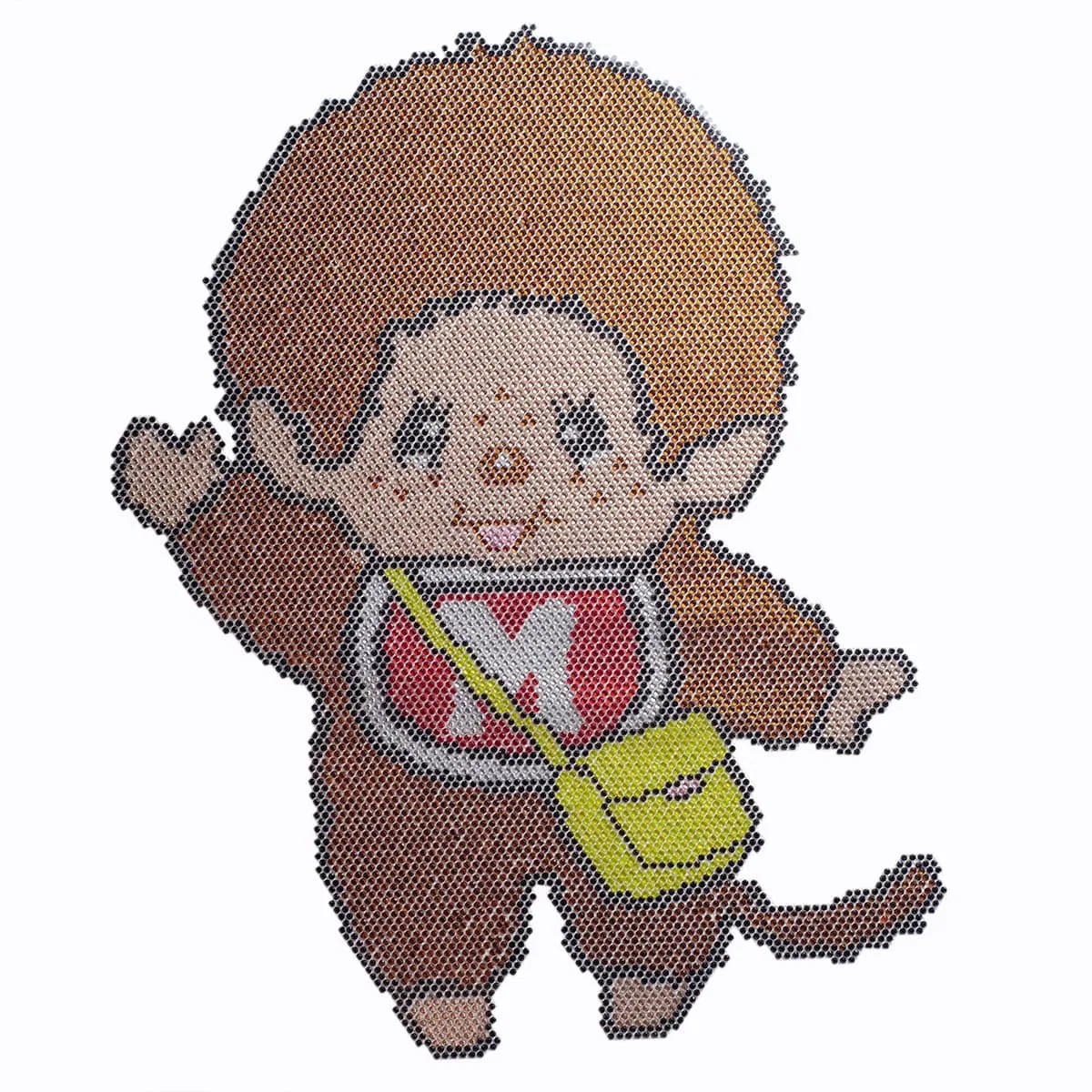
Rhinestone DMC, 30 x 21 cm and current MOQ 50. Use it to discuss map scale and transfer-only scope.
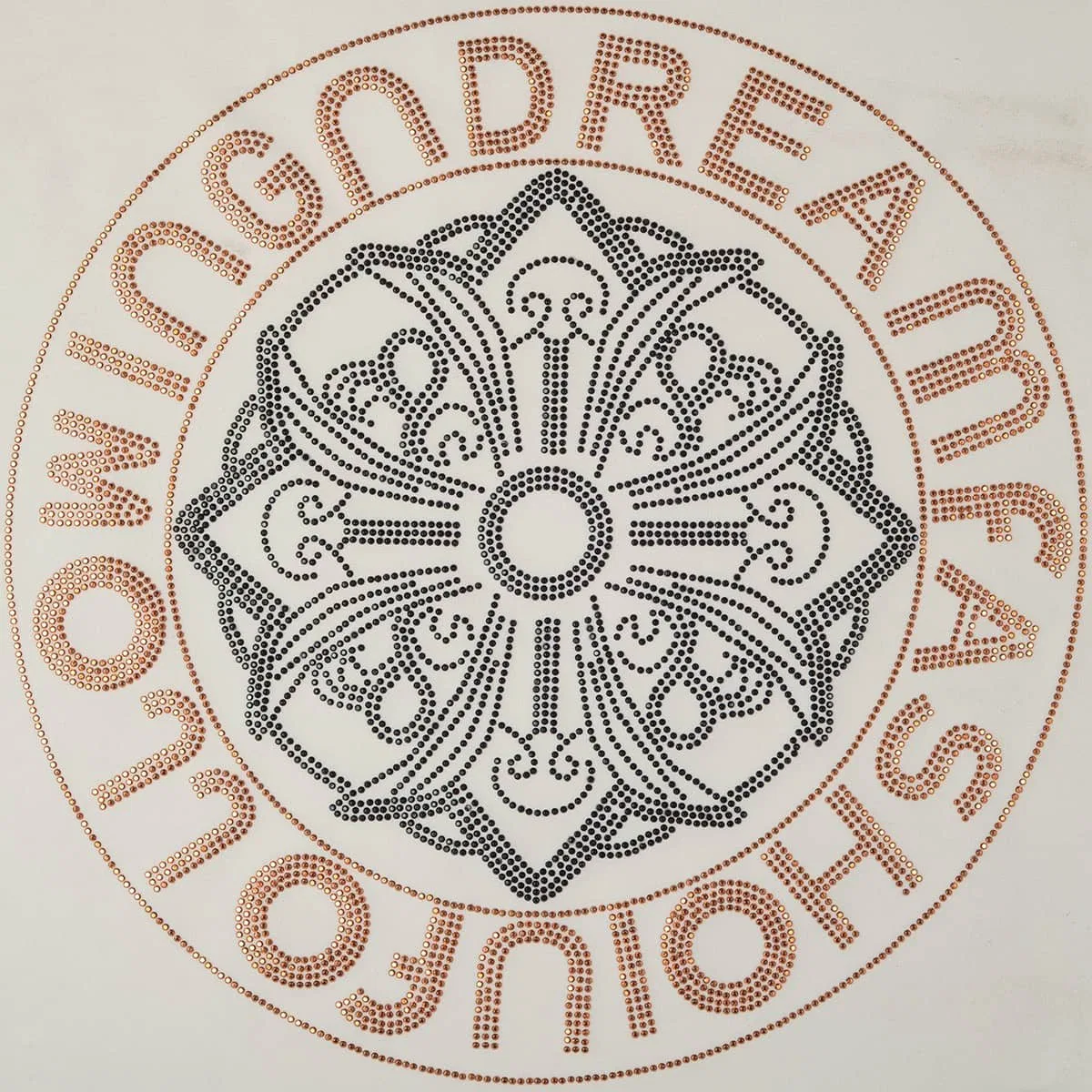
Rhinestone DMC, 30.2 x 30.2 cm and current MOQ 50. Review whether that physical field suits the chosen blank.

100% cotton with premium clear hotfix rhinestones and current MOQ 50. Quote the actual offered shirt details.
A generic request for “cotton tee” does not control fit, fabric construction, color, collar, seam, size tolerance or decoration access. State the desired composition and ask the quotation to identify the offered blank. Obtain a size specification and review representative colors. Inspect the smallest and largest sizes relevant to the purchase because a fixed artwork can occupy a different proportion of each body. Product 179 provides one documented 100% cotton reference, not a promise that every OEM program uses that garment.
Composition, construction, fit, colors and size specification are understood.
No crystal application begins until the selected shirt and placement can be tested together.
Submit editable source artwork and establish the physical decoration field before selecting stone spacing or sizes. Mark areas that must remain recognizable, including lettering counters, small icons and negative space. A 30 x 21 cm or 30.2 x 30.2 cm reference is large enough to show why screen scale can mislead: print the design at final dimensions and lay it on the selected shirt. Assign stable revisions to every color, size or artwork version. If printed elements join rhinestones, separate their visual and production roles.
Build the matrix from buyer demand, prior sales or another documented planning source rather than a universal ratio. Give each style/color combination a line, then distribute sizes and reconcile the sum with decoration and packing quantities. The cited products record MOQ 50, but splitting that quantity among variants must be confirmed commercially.
A pilot garment should represent the final blank, transfer, placement and application path as closely as the project permits. Changes after approval must be visible and controlled; a new blank color or altered artwork is not automatically covered by the earlier result.
Buyer and supplier align on garment, art, dimensions, placement, variants, quantity and pack.
Inspect the physical shirt face, reverse, surrounding fabric, fit context and identified application evidence.
Freeze approved revisions, size/color matrix, inline checkpoints, bundle labels and destination splits.
An OEM line needs checkpoints that identify the approved shirt and transfer, not only a final glance at sparkle. Define a sampling or inspection plan appropriate to the order and record disposition.
Check style, color, labeled size, construction and visible condition against the purchase matrix.
Review placement, dimensions, orientation, mapped elements, surface condition and application observations.
Confirm fold, size marking, unit protection, assortment, carton code and destination count.
Send authorized artwork, transfer direction, blank specification, size/color allocation, pilot criteria, required unit packing, labels or inserts, carton assortment, destination and requested timing. Ask Teebling to state exactly which stages are included and to confirm current commercial terms. If several suppliers share responsibility, attach a handoff matrix. The completed traveler should allow a receiving team to identify the finished shirt without reconstructing decisions from messages. Consult the custom rhinestone T-shirt guide for finished-shirt catalog planning, the transfer quality-control checklist for decoration evidence, and the private-label accessories guide when the program includes additional packed components. Record which supplier owns every linked stage.
The answers below clarify stage ownership and verified catalog evidence. Each actual program is governed by its written quote, approved pilot and purchase specification.
An OEM rhinestone T-shirt order coordinates the garment, authorized crystal artwork, application, size and color allocation, approval evidence and packing under one controlled finished-product scope. A transfer-only purchase has a different responsibility boundary.
Product 26 is a Rhinestone DMC transfer recorded at 30 x 21 cm; product 31 is a Rhinestone DMC transfer recorded at 30.2 x 30.2 cm; product 179 is a finished 100% cotton shirt with premium clear hotfix rhinestones. Each currently has MOQ 50.
A custom hotfix T-shirt specification must name composition, style, fit, color, size run, construction and decoration zone instead of assuming a blank from a generic OEM query. Obtain the offered garment specification and approve a representative sample.
For bulk hotfix T-shirts and custom T-shirts with hotfix crystals, identify the garment and artwork revisions, verify placement and dimensions, inspect the crystal map and shirt surface, document application evidence and approve the complete packed configuration.
A rhinestone shirt supplier can confirm allocation only after receiving the requested style, design, color and size matrix. The database records MOQ 50 for the cited products, while split feasibility and current terms belong in the written quotation.