


Input receipt
Check how artwork, purchase terms, materials and color references are received, versioned and assigned to a job.
Organize supplier review around the exact accessory program: documented scope, material evidence, process ownership, coded samples, packing controls and open corrective actions. This page is a checklist, not a declaration that a facility holds a particular approval.

A useful review states which supplier entity, facility, processes, products and order period are under consideration. Broad claims are hard to evaluate and can hide subcontracted steps. Tie each evidence request to the intended accessory assortment.
List brand, buyer owner, destination markets, projected quantities, product families and required launch window. Name whether the program includes embroidery, molded labels, metal findings, rhinestones, tassels, heat application, sewing or packing.
Record the legal supplier name and the production location being discussed. Ask which operations occur there and which are assigned to another party.
Date each file and mark its source. A document with no applicable product, location or validity context should remain an open question.
A private label assortment can move through different material and assembly paths. Select representative items by risk and process, then keep each sample linked to its own recorded facts and open questions.
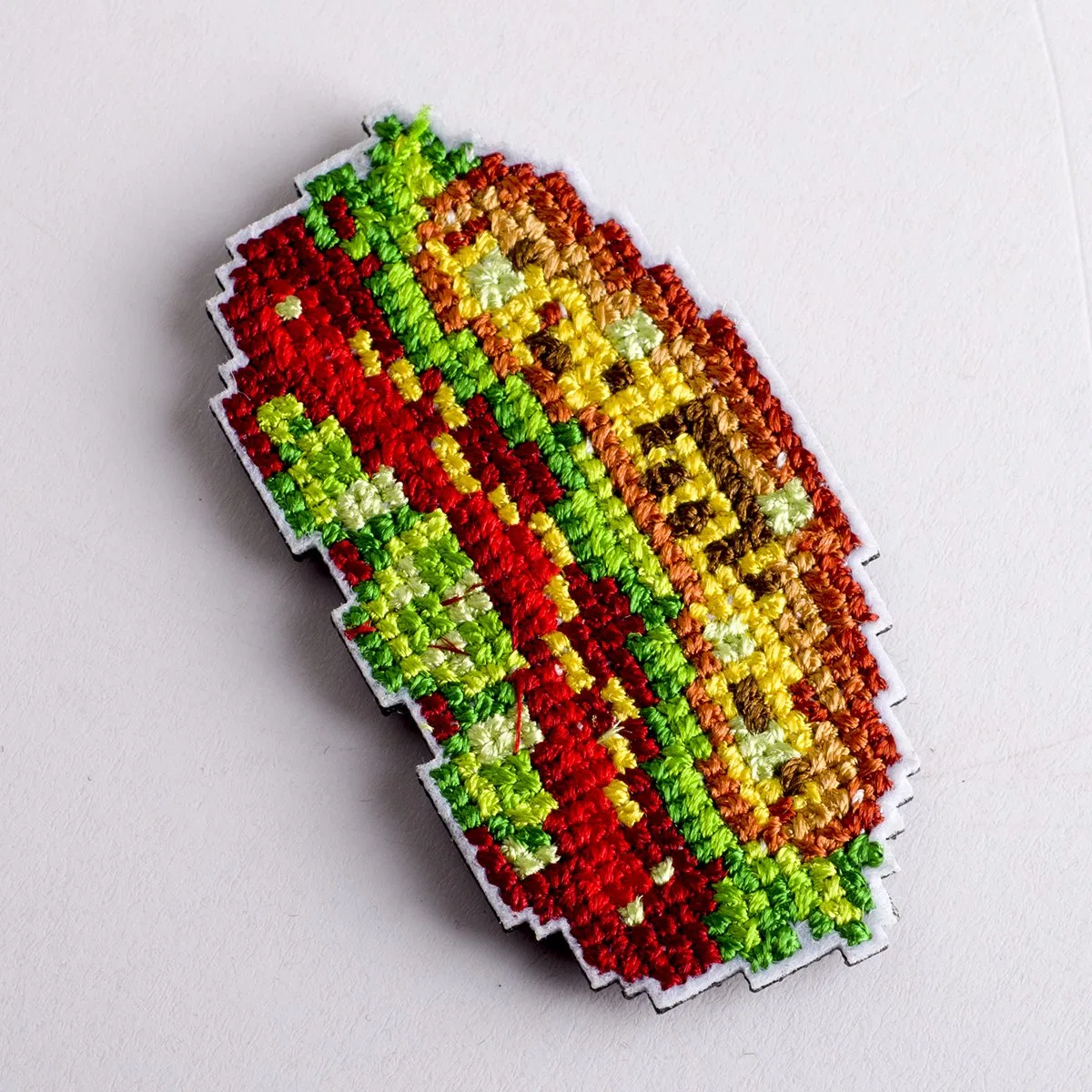
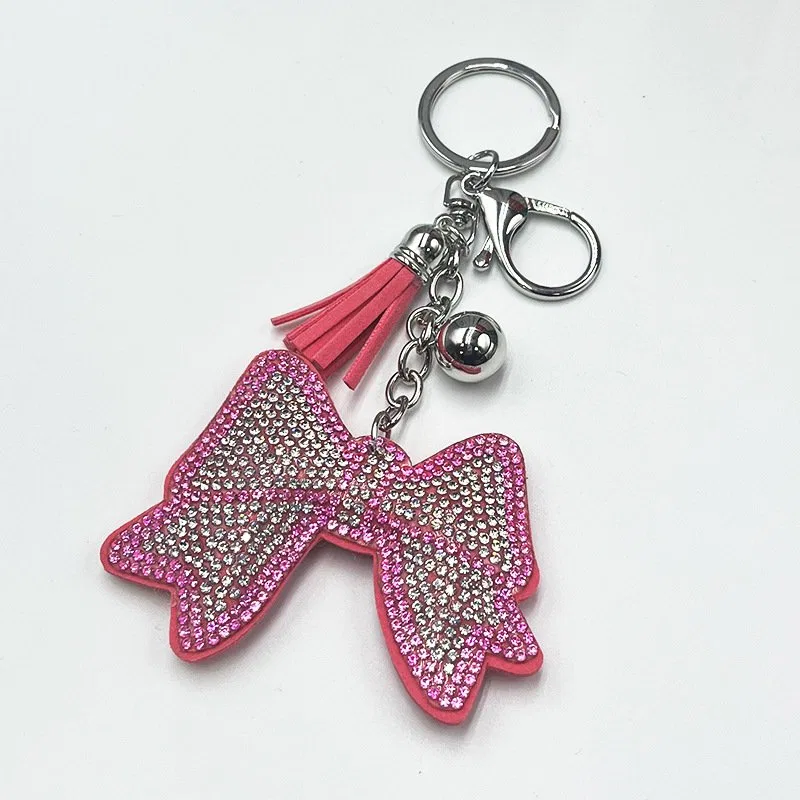
The recorded minimums and dimensions belong to these active references. Current price, options, production route and documentation should be confirmed in the quotation for the selected item.
Whether review happens through supplied records, a remote session or another agreed method, follow one sample order from incoming inputs to packed output. Note who owns each decision and where identification can be lost.
Check how artwork, purchase terms, materials and color references are received, versioned and assigned to a job.
Ask how tooling, embroidery files, molds or assembly instructions are approved before repeat units begin.
Identify measurable checks, inspection frequency, operator records and the response when a result falls outside the approved reference.
Confirm sampling logic, defect recording, count reconciliation and how mixed variants remain separated.
Trace inner packs, carton labels, destination marks and the person authorized to close the shipment record.
Request examples that are current and relevant to the quoted construction. Blank templates can show that a process exists, while completed records show how it was used on a real job.
A sample without a stable identity cannot reliably control a reorder. Build a simple ledger that connects buyer approval to the exact revision, construction and commercial line.
| Ledger field | Evidence to capture | Question it answers |
|---|---|---|
| Sample code | Unique identifier on sample, photographs and record | Which physical object was reviewed? |
| Artwork revision | Filename, date and approved preview | Which geometry and wording were used? |
| Material callout | Named components and supplier-confirmed construction | What was the sample built from? |
| Measured result | Finished dimensions and relevant checkpoints | What can receiving compare? |
| Status | Pending, revised, rejected or approved with owner and date | May this object control production? |
Store photographs beside, not instead of, the physical sample when color, texture, flexibility or profile affects acceptance. Dispose of obsolete samples deliberately or mark them so they cannot return to the approval chain.
Accessory damage and count errors can arise after the decorated face passes inspection. Review how finished pieces are separated, counted, labeled and protected for the actual route.
Match interleaving, sleeves or support to the approved item. Prevent metal, rhinestones or molded faces from rubbing neighboring pieces.
Use product code, design, color and quantity on inner-pack labels. Reconcile mixed assortments against the purchase ledger.
Record carton count, gross and net weight where required, dimensions, destination marks and a photograph of the closed label.
Define the inspection sample, count method and escalation contact before goods arrive. Keep the approved packing example available.
Review related scope questions in the private label apparel accessories guide, garment accessory supplier guide and wholesale buyer checklist.
A red, amber or green marker should point to a defined next step. It should not compress unlike product risks into one unsupported supplier rating.
The document or sample is current, relevant to the named scope, traceable and accepted by the responsible buyer owner. Preserve it in the order file.
The evidence may be useful but lacks context, date, scope, measurement or owner. Record the question and prevent premature release.
A required sample failed, critical evidence is absent or the proposed construction conflicts with the buyer requirement. Assign corrective action before proceeding.
Set decision rules before review begins. A status becomes meaningful when the evidence threshold, reviewer, date and required response are visible.
These answers define the checklist's buyer-led purpose and keep product evidence separate from facility-level conclusions.
No. It is a buyer planning framework for requesting and reviewing evidence. Ask the relevant supplier to identify current documents, facility scope, process ownership and any independent assessment that applies to the quoted work.
An embroidered badge, molded TPU logo and rhinestone keychain use different materials and process evidence. Sampling across the intended assortment helps prevent one strong item from standing in for unrelated constructions.
A useful sample carries a stable code linked to artwork revision, material callout, color reference, dimensions, construction notes, date and approval status. The same identity should appear in the quote and purchase record.
Describe the observed condition, affected item and evidence, assign an owner and due date, request a proposed correction, then verify the revised sample or document before closing the action.
No. Supplier qualification, sample approval, incoming inspection and shipment controls answer different questions. Define each control according to the product risk, commercial agreement and buyer requirements.
Summarize each open item with the affected product, observed condition, requested evidence or correction, supplier owner, buyer owner, due date and verification method. Link the action to the relevant sample and quote revision rather than keeping decisions in an unstructured message thread.
Send Teebling the intended assortment, reference product IDs, target quantities, custom requirements, requested evidence, packing plan, destination and schedule. Ask for the current construction and commercial details for each line. Supplier review is strongest when its scope is explicit and its conclusions remain attached to verifiable records.